
Ginger: Health Benefits, Uses, Nutrition, and Side Effects Explained
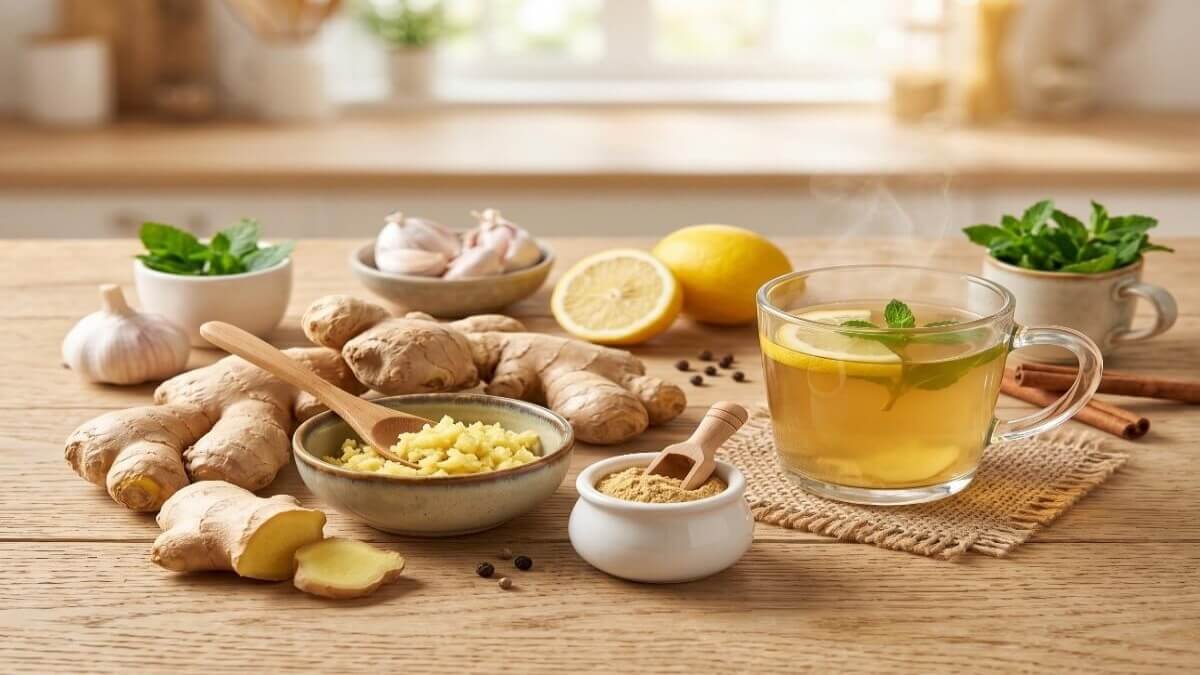
Our kitchens are filled with spices that not only enhance the taste of food but also work like magic to protect our health. Among these, ginger is one of the most prominent. From a daily cup of tea to heavy lunch preparations, ginger is essential in almost everything. But did you know there are extraordinary health benefits hidden inside this familiar spice? In today’s detailed blog post, we will discuss ginger in depth, including its health benefits, uses, nutritional value, and side effects.
What is Ginger?
Ginger is the root of a perennial plant. It grows underground and is scientifically known as a rhizome. Its scientific name is ‘Zingiber officinale’. It is a plant in the family Zingiberaceae. Other familiar plants in this same family include turmeric, cardamom, and galangal. Ginger is primarily known worldwide for its strong, pungent taste and excellent aroma.
For thousands of years, ginger has been used not only as a spice but also as a crucial ingredient in traditional medicine. It can be used in various forms: raw, dried into powder, as an oil, or as juice. The versatile use of ginger, from the cosmetics industry to the pharmaceutical industry, has made it a unique natural ingredient.
History and Origin of Ginger
The history of ginger is incredibly ancient and rich. According to historians, the original home of ginger is Southeast Asia. Since ancient times, ginger has been extensively cultivated in the Indian subcontinent and China. The medicinal properties of ginger are discussed in detail in ancient Ayurvedic texts and Traditional Chinese Medicine (TCM).
Ginger reached Europe from Asia around the first century BC. The ancient Romans imported ginger from India for trade. At that time, ginger was so valuable that the price of one pound of ginger was considered equal to the value of a whole sheep. Later, when Europeans discovered new sea routes, the global ginger trade expanded further. The Spanish, in particular, began cultivating ginger in Mexico and South America. Today, India, China, Nepal, Nigeria, and Thailand are among the world’s top ginger-producing countries.
Nutritional Value of Ginger
Ginger is not only unique in taste but also rich in nutrients. It contains essential vitamins, minerals, and antioxidants that help keep our bodies healthy. Below is an approximate nutritional value for 100 grams of raw ginger:
| Nutrient | Amount (per 100 grams) |
| Calories | 80 kcal |
| Carbohydrates | 17.8 g |
| Protein | 1.82 g |
| Fat | 0.75 g |
| Fiber (Dietary) | 2.0 g |
| Vitamin C | 5 mg |
| Potassium | 415 mg |
| Magnesium | 43 mg |
| Calcium | 16 mg |
Additionally, ginger contains small amounts of Vitamin B6, iron, and zinc. These nutrients help meet our daily nutritional needs. For more reliable information on nutritional values, visit USDA FoodData Central.
Active Compounds in Ginger (Gingerol and more)
The main reason behind the extraordinary health benefits of ginger is some bioactive compounds present in it. These elements make ginger unique.
- Gingerol: This is the most important active compound in ginger. Gingerol is primarily responsible for the pungent taste and aroma of raw ginger. It has powerful anti-inflammatory and antioxidant effects, protecting the body’s cells from the harmful effects of free radicals.
- Shogaol: When ginger is dried or cooked, gingerol breaks down to form shogaol. Shogaol is generally more pungent than gingerol, and many studies have shown that it plays a distinct role in enhancing memory and combating cancer.
- Paradol: This is another important component of ginger, which primarily possesses antimicrobial properties.
- Zingerone: This compound is formed after cooking ginger. It helps improve digestion and effectively cures stomach issues.
Health Benefits of Ginger
It is difficult to list all the health benefits of ginger. Eating a moderate amount of ginger every day protects our bodies from various diseases. Below are some of the main health benefits of ginger discussed in detail:
Aids Digestion and Relieves Nausea
Ginger works wonders at speeding up digestion. For those suffering from chronic indigestion or dyspepsia, ginger is an excellent natural remedy. It helps empty the stomach quickly, which reduces bloating and discomfort.
Ginger’s reputation for relieving nausea is worldwide. It is highly safe and effective, especially for reducing “morning sickness” in pregnant women. Doctors also often recommend ginger to reduce nausea caused by sea travel, motion sickness during long journeys, and chemotherapy.
Helps Reduce Inflammation
Chronic inflammation can cause many serious diseases in our bodies, such as heart disease and Alzheimer’s. Gingerol, a compound in ginger, is a highly potent anti-inflammatory.
For those suffering from joint pain, such as osteoarthritis or rheumatoid arthritis, ginger can work like magic. Regular consumption of ginger or its extract significantly reduces joint pain and stiffness. Ginger is often used as a natural alternative to painkillers.
May Boost Immunity
Ginger is highly effective in strengthening our immune system. The high antioxidant content helps flush toxins from the body. Ginger has antimicrobial and antiviral properties that help prepare the body to fight various infections, from the common cold to the flu. Drinking ginger tea regularly can help keep you away from various illnesses during seasonal changes.
Supports Weight Management
If you are thinking of losing weight in a healthy way, you can include ginger in your diet. Various studies have shown that ginger can increase metabolism. When the metabolic rate increases, the body can burn calories faster.
Moreover, eating ginger makes the stomach feel fuller for longer, reducing the tendency to overeat. Drinking ginger juice mixed with lemon on an empty stomach every morning can be very helpful in shedding belly fat. To learn more about healthy weight loss methods, you can read about the effectiveness of ginger on reliable health websites like Healthline.
May Help Regulate Blood Sugar Levels
Ginger can be a beneficial spice for patients with diabetes. Some recent studies have shown that ginger has potent antidiabetic properties. It improves insulin sensitivity, allowing the body to utilize insulin more effectively.
Regularly consuming a moderate amount of ginger powder or raw ginger can help reduce fasting blood sugar and HbA1c levels. However, those taking diabetes medication must consult a doctor before consuming ginger regularly, as it can react with medications and lower sugar levels excessively.
Ginger for Relief from Cold, Cough, and Flu
Ginger is one of the main remedies for colds, coughs, and sore throats. When the flu outbreak increases during seasonal changes or winter, ginger becomes our best friend. Ginger reduces inflammation inside the throat and helps thin out and expel mucus or phlegm.
Chewing slightly minced raw ginger with a pinch of salt relieves a scratchy throat. Also, boiling ginger in hot water and inhaling the steam can clear a blocked nose and relieve sinus pain. Mixing ginger juice with honey and basil leaves can act as a natural cough syrup, providing quick relief.
Ginger for Digestive Health and Stomach Ache
Ginger works very quickly for stomach aches, gas, or indigestion. When we eat heavy, oily, or spicy foods, pressure builds up in our stomachs. Ginger increases the production of saliva and digestive juices, which help digest food more quickly.
Those who frequently suffer from bloating or gastric issues can chew a little minced ginger half an hour before eating. It relaxes the intestinal muscles and expels trapped gas, reducing stomach aches.
Uses of Ginger in Daily Life
You can easily incorporate ginger into your daily life. It is so versatile that it can be consumed in many ways. Let’s learn about some excellent uses of ginger in our daily routines:
Ginger Tea Recipe
Ginger tea is a great way to refresh your body and mind. It is also very easy to make.
- Method: First, bring 2 cups of water to a boil on the stove. Once the water starts boiling, add 1 inch of crushed ginger. Let it simmer on low heat for 5 to 7 minutes, until the ginger extracts have fully dissolved into the water. Then add tea leaves and boil for another two minutes. Strain the tea, mix honey to taste and a few drops of lemon juice, and serve. This tea will help remove morning fatigue and boost digestion.
Cooking and Flavor Enhancement
It is hard to imagine meat or fish curries without ginger paste in South Asian cooking. It removes the raw, fishy smell of the meat and brings a beautiful aroma to the food. Finely chopped ginger is also used in various Chinese dishes, soups, and noodles. In baking, especially in making gingerbread, cookies, or cakes, ginger powder adds an excellent flavor.
Ginger Juice and Smoothies
Health-conscious individuals can use ginger in their daily detox drinks or smoothies. Blending a small piece of ginger with apples, carrots, beets, and spinach creates a nutritious smoothie. Ginger juice can also be mixed with water and consumed to help flush harmful toxins from the body.
Traditional Herbal Remedies
Applying ginger paste to minor cuts or insect bites reduces the risk of infection due to its antimicrobial properties. If you have dandruff, massaging ginger juice mixed with a little olive oil into the scalp can yield good results.
Ginger vs. Ginger Powder: What’s the Difference?
Many people wonder which is more beneficial: raw ginger or ginger powder. In fact, both have their own unique qualities. Raw ginger contains more gingerol, which gives it a fresh aroma and pungent taste. Raw ginger is more beneficial for reducing nausea and treating colds and coughs.
On the other hand, ginger powder (also known as dried ginger) is made by drying raw ginger. During the drying process, gingerol breaks down into shogaol. Shogaol is an even stronger compound that is more effective at reducing inflammation and boosting memory. Ginger powder is more convenient to use in cooking or baking.
Benefits of Fresh Ginger vs. Dried Ginger
- Benefits of Fresh Ginger: It is excellent for digestion. Because it has more antiviral properties, it is more useful during flu or fever. Fresh ginger also helps regulate body temperature.
- Benefits of Dried Ginger: Dried ginger is more effective in reducing joint and muscle pain and chronic inflammation. It is easy to store and lasts a long time.
Potential Side Effects of Ginger
Ginger is generally safe for everyone, but excessive amounts can be harmful. Consuming more than the recommended moderate amount of ginger daily can lead to some side effects:
- Heartburn: Eating excessive amounts of ginger can cause heartburn.
- Diarrhea: Large amounts of ginger can cause stomach discomfort and lead to diarrhea.
- Mouth Irritation: Chewing too much raw ginger can cause a burning sensation in the mouth or throat.
- Bleeding Risk: Ginger has a natural ability to thin the blood. Therefore, consuming excessive amounts of ginger increases the risk of heavier bleeding, even from minor injuries. For detailed information, you can read more about the side effects of ginger on medical portals like WebMD.
Who Should Avoid Consuming Excess Ginger?
Not everyone can consume ginger equally. In some specific situations, caution is required when eating ginger:
- Pregnant Women: Although ginger is beneficial in reducing nausea, excess ginger should not be consumed during pregnancy. It is safe to consume in moderate amounts after consulting a doctor.
- People Taking Blood Thinners: Those taking blood-thinning medications like Warfarin or Aspirin should avoid ginger, as it can interact with these medications and increase the risk of bleeding.
- Gallstone Patients: Ginger increases bile production. Therefore, those who have gallstones might experience increased pain if they consume excess ginger.
- Underweight Individuals: Ginger suppresses appetite and increases metabolism. Therefore, those who are underweight or trying to gain weight should refrain from eating excess ginger.
How to Store Ginger Properly
It is important to store ginger properly to keep it fresh for as long as possible.
- At Room Temperature: For a few days, leave the unpeeled ginger in a paper bag or a mesh basket in a cool, dry place.
- In the Refrigerator: If you want to keep it longer, put the unpeeled ginger in a ziplock bag or an airtight container and store it in the regular fridge section. This keeps the ginger fresh for a few weeks.
- In the Freezer: Peeled or minced ginger chopped into small cubes can be stored in the deep freezer for several months. It is very easy to use this frozen ginger directly while cooking.
How to Choose Fresh and High-Quality Ginger
When you go to the market, it is important to recognize good-quality ginger. Keep the following points in mind to choose a good piece of ginger:
- Skin: The ginger’s skin should be smooth and tight. Wrinkled or soft ginger is more likely to be old and tasteless.
- Weight and Firmness: Good ginger will feel firm and heavy when held in the hand. Avoid buying soft or spongy ginger.
- Aroma: Fresh ginger has a strong, pungent, and sweet aroma. If you smell a musty or rotten odor, do not buy it.
Frequently Asked Questions About Ginger
1. Can I eat ginger every day?
Yes, you can eat ginger daily in moderate amounts (usually 1 to 2 grams). It is beneficial for your daily health.
2. Is it safe to eat ginger on an empty stomach?
Drinking ginger tea or a little ginger juice on an empty stomach is beneficial for many, especially for boosting metabolism. However, for those who have gastric or ulcer problems, eating ginger on an empty stomach may cause stomach burning.
3. Raw ginger or cooked ginger, which is more beneficial?
Both are beneficial, but for different reasons. Raw ginger is good for colds, coughs, and nausea. Cooked or dried ginger is better for joint pain or digestive issues.
4. Does ginger increase or decrease blood pressure?
Studies have shown that consuming ginger in moderate amounts helps lower high blood pressure. It widens blood vessels and maintains normal blood circulation.
5. Does drinking ginger tea before sleeping at night cause sleep problems?
Ginger does not contain caffeine, so it does not disturb sleep. Instead, drinking ginger tea before bed helps relax the body and aid digestion.
Final Thoughts on the Benefits of Ginger
Ginger is such a wonderful gift of nature that has been working to protect our health for ages. This very common kitchen ingredient continues to prove its extraordinary properties repeatedly in modern research. From reducing nausea to preventing inflammation, boosting immunity, and regulating blood sugar, the list of benefits of ginger is very long.
However, like any other herbal ingredient, ginger should be used appropriately and in moderation. If you are suffering from a specific disease or taking regular medications, definitely consult a specialist before making any major changes to your diet. Incorporate ginger into your daily routine today for a fresh, healthy life. Nature has provided us with all the ingredients to stay healthy; we just need to know how to use them properly.