
Dry Red Chilli: Benefits, Uses, and Nutrition Guide
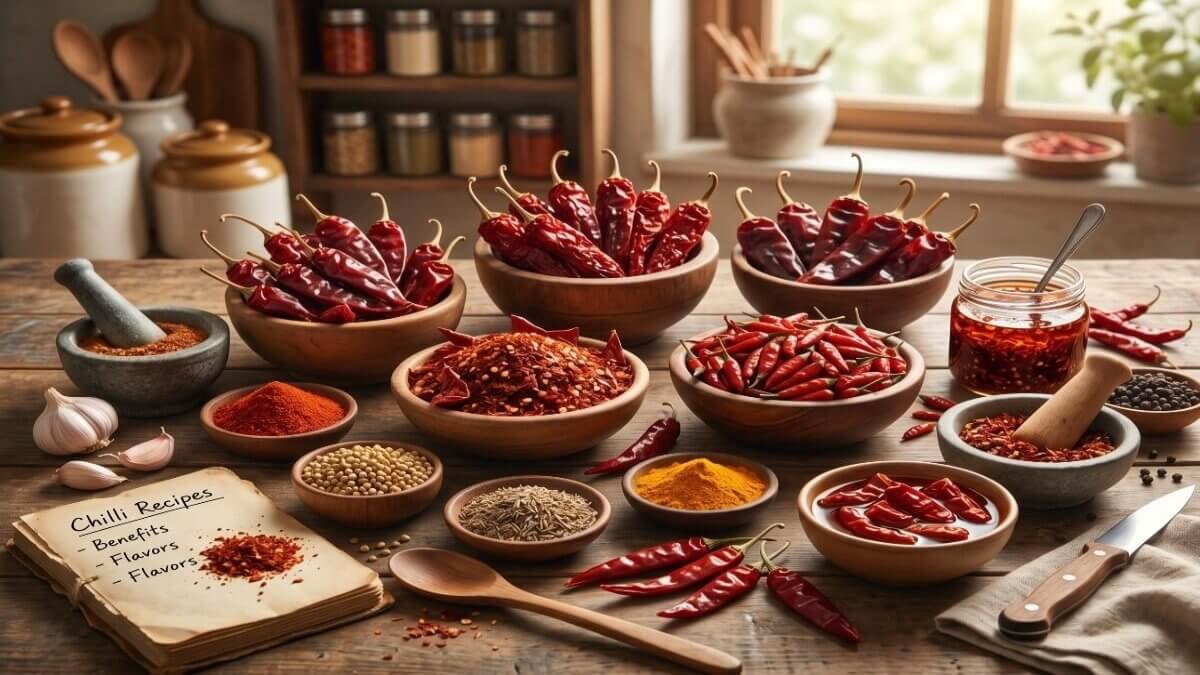
Spices play a crucial role in our everyday cooking. The right blend of spices can turn a simple dish into something extraordinary. Among these spices, dry red chilli is a very familiar name. It is an essential ingredient for spice lovers.
It has no equal when it comes to enhancing the taste, aroma, and color of food. But beyond just flavor, it also offers some fantastic health benefits. Today, we will explore various unknown aspects of this common spice. Let’s discover its nutritional value and the correct rules for using it.
What is Dry Red Chilli?
This spice is made by drying fresh red chillies in the sun or using special machines. The drying process completely evaporates the inner moisture. As a result, its flavor and heat become much more intense.
Almost every kitchen around the world values this ingredient. It adds a wonderful smoky flavor to dishes. Because it is easy to store for a long time, it serves as a great alternative to fresh chillies.
How Dry Red Chilli is Made
Farmers first harvest fully ripe fresh red chillies from the plants. Then, they thoroughly clean and sort them. The sorted chillies are usually spread out under the strong sun.
Natural drying can take several weeks. Nowadays, many factories use dehydrator machines to complete this task quickly. Once completely dry, they are ready for the market.
History and Global Popularity of Red Chilli
Red chilli originally comes from Central and South America. Christopher Columbus first discovered this spicy seasoning. Later, Portuguese merchants brought it to India and various other Asian countries.
Within a very short time, it became an integral part of Asian cuisine. Today, India is one of the world’s leading chilli-producing countries. It also enjoys immense popularity in countries like Mexico and Thailand.
Types of Dry Red Chillies
Countless varieties of chillies grow around the world. The taste and heat level of chillies vary from region to region. Below is a description of a few notable varieties:
Kashmiri Red Chilli
This variety of chilli is primarily famous for its deep red color. It contains a very low amount of heat. Chefs use it heavily to bring a beautiful color to dishes.
You will frequently see it in Indian curries and tandoori dishes. It is the best choice for people who dislike excessive heat.
Byadagi Chilli
Byadagi chilli is a popular variety from the state of Karnataka. Like Kashmiri chilli, it spreads a beautiful color in food. However, it packs a slightly higher heat level.
You can notice its use in many traditional South Indian dishes. It looks a bit wrinkled and elongated.
Cayenne Pepper
Cayenne pepper is quite thin and carries medium heat. It is mostly popular as a powder in Western countries. Its heat level is quite sharp.
It adds great flavor to soups and stews. Health-conscious people value it highly.
Bird’s Eye Chilli
These chillies are quite small in size but extremely hot. They are widely used in Southeast Asian cooking. They are indispensable, especially in Thai and Vietnamese dishes.
You can eat them in both fresh and dried forms. It is a highly attractive variety for spice lovers.
Other Popular Dry Red Chilli Varieties
Besides the varieties mentioned above, there are many other chillies in the world. Mexico’s Ancho or Chipotle chillies are quite famous. They bring a wonderful smoky taste to food.
You can also dry and use intensely hot chillies like Naga chilli or Bhut Jolokia. Each variety serves different culinary purposes.
Nutritional Value of Dry Red Chillies
Many people think spices only contain flavor, not nutrition. This idea is completely wrong. According to the reliable health website Healthline, red chillies contain plenty of essential nutrients.
Even a very small amount of chilli can benefit the body in various ways. Let’s learn more details about its nutritional value.
Calories and Macronutrients
Dry chillies contain a very negligible amount of calories. One teaspoon of chilli powder has only 6-7 calories. It provides a small amount of protein and fiber.
Since the fat content is exceptionally low, it is suitable for weight-loss diets. You can safely add it to your daily meals.
Vitamins A, C, and E
This spice is an excellent source of vitamin A. It helps maintain good eyesight. Additionally, it contains plenty of vitamin C, which partially remains even after drying.
Vitamin E is highly beneficial for skin and hair health. Eating it regularly in the right amounts fills the deficiency of these vitamins in the body.
Capsaicin and Active Compounds
The most important component of chilli is capsaicin. This compound is responsible for the burning sensation in chillies. It acts as a powerful anti-inflammatory agent.
Studies show that capsaicin helps relieve pain. It reduces the transmission of pain signals through the nerves to the brain.
Antioxidants and Plant Nutrients
Red chillies contain strong antioxidants like lutein and capsanthin. These help destroy harmful free radicals in the body. Free radicals can cause various chronic diseases.
These nutrients prevent premature aging of cells. They are highly effective in keeping the body fresh from the inside.
Major Health Benefits of Dry Red Chillies
Besides enhancing taste, it offers numerous benefits to our bodies. You can gain many health benefits by eating it in moderation. The main benefits are discussed below.
Rich in Antioxidants
As mentioned earlier, it contains plenty of antioxidants. These protect our cells from oxidative damage. Eating it regularly naturally boosts the body’s immune system.
Antioxidants also help keep the skin bright and fresh. It acts as an important shield in maintaining overall health.
May Aid Metabolism
Chilli can work wonderfully for weight management. Its capsaicin content slightly raises the body’s temperature. This increases the rate of burning calories.
Many people include spicy foods in their diet charts for this reason. Extra fat cannot accumulate in the body when the metabolic rate improves.
Helps Improve Digestion
Spicy food in moderation can benefit the digestive system. It stimulates the secretion of necessary gastric juices in the stomach. As a result, food digests quickly and thoroughly.
However, eating too much can have the opposite effect. Therefore, eating the right amount is crucial to avoid digestive issues.
Helps Boost Immunity
Having Vitamin C and antioxidants, it strengthens the immune system. It helps keep common colds and coughs away. Adding a little spice to your food keeps your body warm.
Eating spicy soups or stews provides comfort during winter. It prepares the body to fight against external germs.
May Maintain Heart Health
Some studies have shown that spicy food is good for the heart. Capsaicin can help reduce the level of bad cholesterol in the blood. It also plays a role in maintaining normal blood circulation.
It can be beneficial in keeping high blood pressure under control. However, heart patients must follow their doctor’s advice.
Contributes to Overall Well-being
From reducing pain to improving mood, it has many qualities. Eating spicy food releases a hormone called endorphin in the brain. This naturally makes the mind cheerful.
It also indirectly helps reduce stress or mental pressure. Keeping a moderate amount of spices in your daily diet is good for good health.
Capsaicin Explained: The Compound Behind the Heat
When you eat something spicy, you feel a burning sensation inside your mouth. The compound responsible for this feeling is capsaicin. It is mostly present in the white pith and around the seeds of the chilli.
Interestingly, it does not actually stimulate any taste receptors. Instead, it sends heat or pain signals to the brain. The body then produces sweat to cool itself down.
Dry Red Chilli and Metabolic Health
Many people look for natural ingredients to improve their metabolic process or metabolism. Capsaicin generates heat in the body through a process called thermogenesis. Research has proven that this increases energy expenditure.
According to WebMD, the metabolic rate remains higher for several hours after eating spicy food. Those trying to lose weight can eat chillies in moderation. However, losing weight is not possible just by eating chillies; a proper diet is also necessary.
Traditional Uses of Dry Red Chilli in Herbal Medicine
It has been used in herbal medicine since ancient times. Ayurvedic texts mention it as a pain reliever. There was a custom of using chilli paste for muscle aches or joint pains.
Applying a little chilli powder offers temporary relief from toothaches. Ancient healers also used it to solve digestion-related problems. It is known as a home remedy to increase blood circulation in the body.
How to Use Dry Red Chilli in Cooking
This spice has versatile uses in the kitchen. It is popular in all forms, from whole chillies to powder or paste. Its use varies depending on the type of cooking.
Some common and popular usage methods are highlighted below.
In Tempering (Tadka)
Tempering lentils or curries is a common practice in the Indian subcontinent. Adding whole dry chillies to hot oil or ghee releases a wonderful aroma. It completely changes the taste of the food.
The chilli’s own flavor blends with the oil during frying. This tempering adds a different dimension to vegetarian dishes.
In Curries and Gravies
Chilli powder is essential in any curry or meat gravy. It gives the gravy a beautiful reddish color. Alongside the color, it brings heat and a smoky taste.
It is sautéed with onions and ginger at the beginning of cooking. This removes the raw smell of the spices and creates an excellent aroma.
In Spice Blends and Masalas
It acts as a main ingredient in making many types of mixed spices. It is a must-have in Garam Masala, Chaat Masala, or Sambar powder. Mixed with other spices, it creates a balanced flavor.
Grinding fresh spices at home multiplies the taste of the food. It is also quite easy to store.
In Pickles and Chutneys
It is impossible to imagine making pickles without dry chillies. Whether it is mango pickle or garlic pickle, heat is essential. It also somewhat acts as a preservative in pickles.
Roasting a whole chilli in tomato or coconut chutney brings a great smoky flavor. The mixture of spicy and sour increases the appetite for food.
Popular Recipes Using Dry Red Chilli
You can easily make some great dishes at home using chillies. These will help break everyday monotony. Let’s look at a few easy recipes.
Red Chilli Chutney
Grind garlic, a little cumin, and a few dry chillies together. Mix salt to taste and mustard oil into the mixture. That’s it, a spicy and delicious chutney is ready.
It tastes amazing with hot rice or roti. You can prepare it very quickly.
Spicy Dal Tempering
Cook regular masoor dal. Heat ghee in another pan and add mustard seeds, cumin, and whole red chillies. Pour it over the dal when the chilli turns slightly dark.
The taste of the dal will multiply in an instant. This is a very familiar dish in Bengali households.
Homemade Chilli Oil
Take olive oil or mustard oil in a glass bottle. Drop a few whole dry chillies and garlic cloves into it. Leave the bottle in the sun for a few days.
Your chili oil will be ready. You will get a great flavor if you use this oil on pizza, pasta, or salads.
Traditional Curry Dishes
Use Kashmiri chilli powder to make chicken or mutton curry. Add the required amount of powder while sautéing the meat. This will give the meat a beautiful restaurant-like red color.
Cooking on low heat allows the flavor of the spices to penetrate deep into the meat. It is a great way to serve guests.
Dry Red Chilli vs. Fresh Green Chilli: Key Differences
Dry red chilli is made simply by drying fresh green chillies. However, there is some difference in their taste and nutrition. Because green chillies have higher water content, they spoil faster.
On the other hand, dry chillies stay good for years. The amount of Vitamin C is slightly higher in raw chillies. However, red chillies spread more aroma in the food after cooking.
Whole Dry Red Chilli vs. Red Chilli Powder
Whole chillies are generally used for tempering or enhancing flavor. You can pick them out and discard them at the end of cooking. As a result, there is no fear of the food becoming overly spicy.
Chilli powder mixes directly with the gravy or curry. It brings complete color and sharp heat to the food. Both have their separate values depending on cooking needs.
Potential Side Effects and Precautions
Everything has its good and bad sides. Eating excessive spicy food can be harmful to the body. Some common precautions are discussed below.
Digestive Discomfort from Overconsumption
Eating spices in large quantities can cause stomach pain or cramps. Those with weak digestion should eat spicy food very carefully. Extra chilli can create inflammation in the stomach lining.
You can avoid these problems by eating in moderation. Determine the heat level based on your body’s tolerance.
Heartburn and Acid Reflux Concerns
Many people experience a burning sensation in their throat and chest after eating excessive chillies. This can be very painful for gastric or ulcer patients. If you have acid reflux problems, it is better to completely reduce the amount of chilli in your food.
Consult a doctor and adjust your diet plan if necessary. Sacrificing temporary taste for wellness is a wise decision.
Skin and Eye Irritation During Use
Feeling a burning sensation in the hands while cutting or handling chillies is a very common occurrence. Accidentally touching the eyes with those hands can cause severe discomfort. To avoid this problem, wash your hands thoroughly with soap after handling chillies.
You can use gloves while cooking if possible. Splash cold water if your eyes start burning.
Who Should Limit Spicy Foods?
Those who have chronic issues like IBS or piles should avoid spicy food. Pregnant women are also advised not to eat excessively spicy food. Children’s digestive systems are very sensitive, so it is better to keep their food mild.
For the elderly, light food is better for easy digestion. Making decisions based on personal health conditions is the most important thing.
How to Choose High-Quality Dry Red Chilli
Many types of chillies are available in the market. You need to keep a few things in mind to identify the best quality chillies. First, notice its color; it should be a bright red.
Take the chilli in your hand and press it lightly; it should be crisp. Avoid buying very soft or pale-colored chillies. High-quality chillies have a nice pungent aroma.
Proper Storage Tips for Maximum Freshness and Flavor
Knowing the right storage method is crucial to maintaining the quality of spices. They stay good for a long time with a little care. Some effective tips are given below.
Best Containers for Storage
Chillies should always be stored in air-tight containers. Glass jars or stainless steel containers are best for this job. Avoiding plastic containers is safer for health.
Ensure the mouth of the container is tightly closed. Spices can become soft if air enters.
Protection Against Moisture
Moisture is the biggest enemy of spices. You should never insert a wet spoon into the spice container. Chillies can grow fungus very quickly in damp weather.
Keep the storage area dry and clean. Exposing them to the sun occasionally during the monsoon keeps them good.
Preserving Color and Heat
Keep the container in a dark place to retain the chilli’s natural red color. The color gradually fades if exposed to direct sunlight. Do not keep spices right next to the gas stove.
Excessive heat can destroy its aroma. Keeping it in a cool and dry place keeps its taste intact for a long time.
Frequently Asked Questions About Dry Red Chilli
People have many questions in their minds about this spice. Here are the answers to some of the most common questions.
Can you eat dry red chilli every day?
Yes, eating it every day in moderate amounts is safe. It will add necessary flavor to your daily meals. However, if you have gastric issues, you should limit the amount.
Is dry red chilli healthy?
Absolutely. It contains low calories and beneficial antioxidants. ..It helps boost the body’s metabolism and reduce pain. It is a healthy spice when eaten in the right amounts.
Which dry red chilli is best for cooking?
This entirely depends on your personal preference. Kashmiri chilli is best for low heat and beautiful color. But if you prefer strong heat, you can choose Bird’s Eye or Cayenne pepper.
Dry Red Chillies in Cuisines Around the World
The use of spices is not limited to a specific territory. Its influence on the culinary styles of different continents is noticeable.
Uses in Indian Cuisine
Its use in Indian food is extremely diverse. From dal, curries, and biryani to fried vegetables, its presence is everywhere. It is an integral part of Indian spice blends or Garam Masala.
Uses in Mexican Cuisine
Various types of chillies are extensively used in Mexican food. They use dried and smoky chillies in tacos, enchiladas, or salsas. This is one of the main characteristics of their food.
Uses in Asian and African Dishes
A lot of red chillies are needed to make Thai curry paste. Its pungent use in China’s Sichuan cuisine is world-famous. It also plays a primary role in making North Africa’s traditional spice paste, Harissa.
Final Thoughts on Dry Red Chilli
This common spice in our kitchen is actually full of extraordinary qualities. It not only enhances the taste of food but also takes care of our health.
Key Takeaways
We have learned that it contains powerful antioxidants and capsaicin. These help with everything from relieving pain to aiding digestion. However, overconsumption can cause gastric problems.
Why Dry Red Chilli is Essential for the Kitchen
It can be stored for a long time and used very easily. Just a pinch of powder or a whole chilli can change the entire look of a dish. Therefore, its presence in every home kitchen is mandatory.
Simple Ways to Add Flavor and Heat to Daily Meals
You can use it as oil tempering to bring variety to your food. Make chili flakes and sprinkle them on pizza or pasta. Knowing the proper use will make your daily cooking more delicious and healthy.
Always keep your health in mind when adding spices to your food. Moderate use is the key to good health.