
Rise of Smart Technology in Modern Homes and Habits
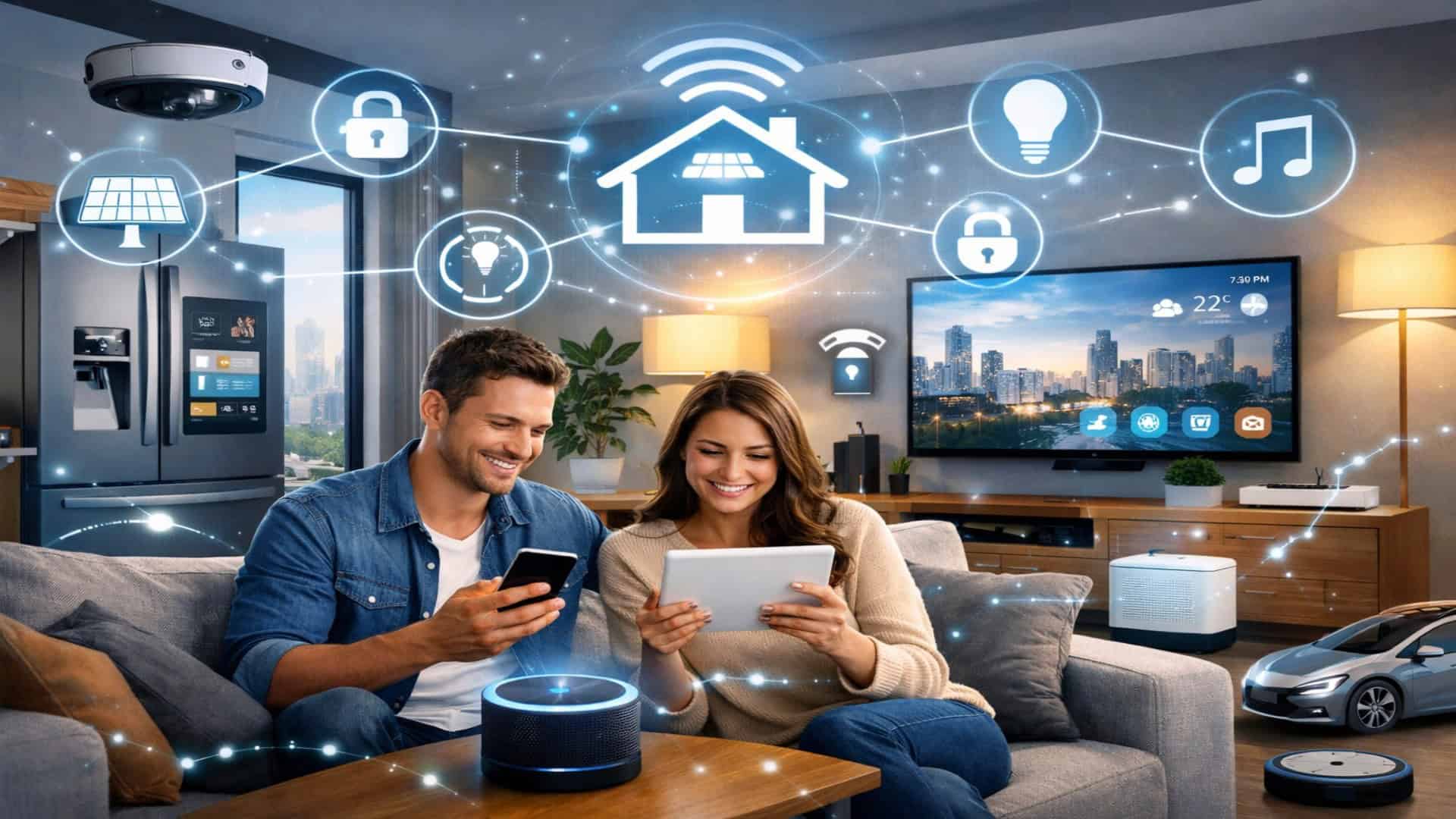
Introduction
Modern living is now more reliant on technology than at any other time in history. The desire to make everyday tasks easier and faster has driven us toward incredible technological advancements.
The biggest example of this progress is the introduction of smart devices into our homes. It is not just making our chores simpler. It is completely transforming our concept of daily living.
What is Smart Technology and Why Does it Matter?
Smart technology refers to a collection of electronic devices and systems that are connected to one another via the internet or other networks. These devices use artificial intelligence to understand human commands and act accordingly.
In our busy lives, saving time and increasing efficiency are absolutely essential. Smart devices do exactly this. They automate our daily chores, which allows us to carve out more time for ourselves and our families.
The Growing Influence of Smart Devices in Daily Life
There was a time when smart devices were considered luxury items. Today, they have become an inseparable part of our daily routines. From waking up in the morning to going to sleep at night, we rely on this technology in countless ways.
Devices like smartphones, smartwatches, and smart TVs play a massive role in our entertainment, communication, and health management. This growing influence proves that we are steadily moving toward a fully connected future.
Understanding Smart Technology in the Modern Home
A modern home is no longer just a structure made of bricks and stone. With the touch of technology, it has transformed into a living, intelligent environment.
Smart technology has brought every corner of our homes under the umbrella of the internet. Because of this, we can keep control of our homes right in our hands from anywhere in the world.
How Smart Technology Works
Smart technology primarily operates on the concept of the Internet of Things (IoT). Through this concept, various sensors, software, and other technologies exchange data over the internet.
When you ask your smart speaker to turn off the lights, that command travels through the internet to the smart bulb. The entire process happens in the blink of an eye, making our lives feel magical and effortless. You can read this Wikipedia article to learn more about the Internet of Things.
The Evolution of Connected Living
In the beginning, we only used remote controls to manage specific devices like the television or air conditioner. That was the first step toward connected living.
Now, it is possible to control the entire house with a single smartphone in our palm. This evolution has taken human comfort and convenience to a completely new level.
The Rise of the Smart Home
The concept of the smart home has gained massive popularity over the last few years. People are now upgrading their older homes with modern technology.
This trend of making homes smart is no longer just a hobby. It has become a necessity for modern life. As a result, daily routines are becoming easier while security levels are rising significantly.
From Traditional Houses to Intelligent Living Spaces
In a traditional house, human physical presence is required for almost every task. Everything from turning on the lights to locking the doors must be done manually.
On the other hand, these tasks can be done automatically or via voice commands in an intelligent living space. This transformation has reduced our physical labor and increased our peace of mind.
Core Features of a Modern Smart Home
The main feature of an ideal smart home is its centralized control system. This means you can control all the smart devices in your house using a single hub or application.
Additionally, remote access is a massive benefit of a smart home. You can sit in your office and easily check whether your front door is properly locked.
Smart Home Devices Transforming Everyday Life
There are countless smart devices on the market today that are changing our daily lives in unimaginable ways. These devices do not just simplify our tasks. They make them much more precise.
Below is a discussion of some popular smart devices that have become essential components of a modern smart home.
Smart Speakers and Voice Assistants
Smart speakers like the Amazon Echo or Google Nest are now common in many households. They use artificial intelligence-driven voice assistants such as Alexa and Google Assistant.
You can simply use your voice to listen to music, check the weather, or even control other smart devices. It feels just like having your very own digital assistant.
Smart Lighting Systems
Smart lighting systems have completely changed the concept of traditional light bulbs. You can customize smart bulbs like Philips Hue with any color you prefer.
These bulbs can be controlled with a smartphone and automatically adjust to natural daylight. They even turn off automatically when you leave the house, which helps save electricity.
Smart Thermostats and Climate Control
A smart thermostat can automatically regulate your home’s temperature. It learns your daily routines and personal preferences over time.
Whether it is keeping the room warm on a winter night or adjusting the AC on a hot day, it handles everything seamlessly. You can check out this report by Energy.gov to learn more about the energy-saving benefits of smart thermostats.
Smart Security Cameras and Doorbells
Security for family and property is the highest priority for everyone. Smart security cameras and video doorbells have largely eliminated these worries.
When someone arrives at the door, you can see their video and speak to them directly from your smartphone. Even when you are not home, you can stay updated on your property’s surroundings through real-time notifications.
Smart Appliances for Convenient Living
Appliances like smart refrigerators, washing machines, and robot vacuum cleaners have made household chores incredibly easy.
A smart refrigerator can notify you about what food is inside and when it might expire. Meanwhile, a robot vacuum cleans the entire house based on your instructions and returns to its docking station on its own.
How Smart Technology is Changing Daily Habits
Technology has not only simplified our work. It has also brought major changes to our daily habits and behaviors. We have become accustomed to a highly technology-driven routine.
These changes are helping to make our lives more organized and productive.
Automating Routine Tasks
Tasks like making coffee or drawing the curtains first thing in the morning no longer need to be done by hand. Smart technology has automated these minor routine chores.
You can set up a “morning routine” if you want. As soon as your alarm goes off, the room lights will slowly brighten, and the coffee maker will start brewing automatically.
Improving Time Management and Productivity
Smart devices are incredibly helpful for time management. Everything from voice reminders to digital calendars helps keep our daily tasks perfectly organized.
Because so many chores happen automatically, we can dedicate the time we save to our careers or other important activities. This significantly boosts our overall productivity.
Enhancing Comfort and Convenience
The ability to turn on the AC or the TV with a simple voice command while resting on the sofa after a tiring day at work takes comfort to a new height.
Smart technology ensures that your home environment always matches your preferences. This personalized comfort is one of the greatest rewards of modern living.
Benefits of Smart Technology in Modern Living
There are countless benefits to using smart technology that make modern life better and more secure. These are not merely luxury items. They are necessary tools for a sustainable future.
These advantages directly impact the quality of our daily lives.
Increased Energy Efficiency
One of the biggest advantages of smart devices is energy conservation. Smart lights and smart plugs turn themselves off when they are not needed.
Smart thermostats control room temperature to prevent unnecessary energy waste. In the long run, this can significantly reduce your electricity bills.
Enhanced Home Security
A security system combining smart locks, motion sensors, and smart cameras is far more secure than traditional locks and keys.
If the system detects any suspicious movement, it instantly sends an alert to your phone. This allows you to handle any unexpected situation very quickly.
Greater Accessibility and Independence
Smart technology is a blessing for elderly individuals and people with physical disabilities. They can perform many tasks on their own, without anyone’s help, using simple voice commands.
Everything from turning on the lights and fans to calling for help in an emergency is possible via voice assistants. This brings a lot of independence and confidence into their lives.
Personalized User Experiences
Smart systems can tailor themselves to fit the user’s exact preferences. Separate profiles and settings can be created for each family member.
Your favorite music playlist, the color of the room lighting, or the AC temperature can all be set exactly the way you like. This personalization is a major attraction of smart technology.
The Role of Artificial Intelligence in Smart Living
Artificial Intelligence (AI) is the true brain behind smart technology. Without AI, smart devices are nothing more than standard electronic goods.
Because of AI, these devices can make their own decisions and accurately understand our commands.
AI-Powered Home Automation
AI-powered automation systems are far more advanced than basic sensors. They do not just follow your instructions. They can make logical decisions based on the current situation.
For example, if the weather outside is cloudy, the AI system can slightly increase the indoor lighting automatically. This keeps the home environment perfectly comfortable at all times.
Learning User Preferences for Enhanced Experiences
Using machine learning technology, smart devices observe your daily habits and learn from them.
The AI analyzes data such as when you sleep, when you watch TV, and what kind of music you like to provide you with a much more refined and personalized service.
Smart Technology and Sustainable Living
Climate change and environmental pollution are major concerns in today’s world. Smart technology can help us tackle these issues and lead a sustainable lifestyle.
Through proper usage, we can drastically reduce our negative impact on the environment.
Reducing Energy Consumption
We already know that smart devices do an excellent job of preventing energy waste. By reducing unnecessary electricity use, we save money and reduce pressure on power generation plants.
Smart solar panels and smart grid technologies are making the use of renewable energy much easier and more popular.
Supporting Eco-Friendly Lifestyles
Smart water leakage sensors help prevent water waste. Smart irrigation systems water the garden with exactly the right amount of water based on the weather forecast.
These small steps play a massive role in environmental conservation. Smart technology actively encourages us to build eco-friendly habits in our daily lives.
Challenges and Concerns of Smart Technology
Like any new advancement, smart technology also comes with certain drawbacks and challenges. We must be aware of these challenges to fully enjoy the benefits safely.
Users face various issues ranging from security threats to technological limitations.
Data Privacy and Security Risks
Because smart devices are connected to the internet, there is always a risk of hacking. Cybercriminals can easily steal your personal information if you use weak passwords or outdated software.
Furthermore, smart speakers and cameras collect a lot of our personal data. It is completely natural for users to have data privacy concerns about how their information is used.
Device Compatibility and Integration Issues
There are countless brands of smart devices available in the market. Often, a device from one brand will not work properly within another brand’s ecosystem.
This lack of compatibility can be very frustrating for users. However, new protocols like “Matter” are actively working to solve this exact problem.
Reliance on Internet Connectivity
Most devices in a smart home rely on a stable Wi-Fi connection to function. If the internet connection drops, many smart devices revert to ordinary, manual devices.
This is a major weakness of smart technology. While some devices can operate on a local network, there is generally no substitute for uninterrupted internet access.
The Future of Smart Homes and Connected Living
Technological development never stops. We are going to see even more amazing changes in the concepts of smart homes and connected living in the coming days.
Future smart technology will be much more intuitive, faster, and highly secure.
The Expansion of the Internet of Things (IoT)
The scope of IoT technology is growing every single day. It is expected that billions of new devices will connect to the internet over the next few years.
As a result, every small item in our daily lives will be able to exchange data with one another. The environment around us will become incredibly intelligent.
Predictive Automation and Intelligent Ecosystems
In future smart homes, you will not even need to issue commands. Predictive automation technology will understand your needs beforehand and take action accordingly.
The home AC will turn on the moment you leave the office, and your room will be cooled to your preferred temperature before you even arrive. The entire ecosystem will be an automated intelligence network.
Emerging Trends in Smart Home Innovation
In the future, we will see much greater use of robotics and advanced sensor technologies for household chores. There will be special smart surfaces and sensors dedicated purely to health monitoring.
Additionally, Augmented Reality (AR) and Virtual Reality (VR) will add an entirely new dimension to the designing and controlling of smart homes.
How to Build a Smart Home on Any Budget
Many people assume that building a smart home means spending a massive amount of money. However, with the right planning, it is completely possible to gradually make a home smart on any budget.
There is no need to make everything smart right from the start. Taking it step by step keeps the costs surprisingly low.
Essential Smart Devices for Beginners
If you want to get started, smart bulbs and smart plugs are the best choices. They are very affordable and incredibly easy to set up.
You can get used to voice commands by purchasing a budget-friendly smart speaker. You can also turn your old, standard fans or lamps into smart devices just by using smart plugs.
Tips for Expanding a Smart Home System
Once you are comfortable with the basic devices, you can buy other gadgets based on your specific needs. It is always a good idea to choose a specific ecosystem, such as Google Home or Apple HomeKit.
This makes integration much easier when you buy new devices later. You can also save a lot of money by purchasing smart devices during holiday sales or discount events.
Smart Technology Beyond the Home
The reach of smart technology is not limited strictly to the four walls of our houses. It is greatly influencing our lives outdoors and society at large.
The touch of smart technology is everywhere,e from city infrastructure to our personal health management.
Smart Cities and Urban Innovations
The concept of smart cities is now becoming a reality in many countries. Tasks like traffic management, waste disposal, and energy distribution are being handled much more efficiently through smart tech.
Smart traffic lights help reduce traffic jams, and smart streetlights automatically adjust their brightness at night to save electricity.
Wearable Technology and Connected Lifestyles
Wearable devices like smartwatches and fitness trackers have made us highly conscious of our health.
They monitor our heart rate, count our daily steps, and track whether we are getting enough sleep. These devices have become a truly inseparable part of our connected lifestyle.
Frequently Asked Questions (FAQs)
What is smart technology?
Smart technology is a network of internet-connected devices and systems that can collect, analyze, and perform tasks automatically. It uses artificial intelligence to make human work significantly easier.
How does a smart home work?
In a smart home, various devices such as lights, fans, and cameras are connected to a central hub or a smartphone via the internet. The user can control these devices remotely using a dedicated app or simple voice commands.
Are smart home devices secure?
There is always a risk of cyberattacks with smart devices. However, you can significantly reduce this risk by using strong passwords, keeping software up to date, and enabling two-factor authentication.
What are the benefits of smart living?
The primary benefits of smart living include saving time and energy, enhanced security, convenience in daily tasks, and highly personalized comfort. It makes your daily routine smoother and totally frictionless.
Is investing in smart technology worth it?
Investing in smart technology is highly profitable in the long run. It helps lower your electricity bills, boosts your home’s security, and contributes to your property’s overall value.
Conclusion
Key Takeaways on Smart Technology and Modern Living
The rise of smart technology in modern living has brought a revolutionary shift in our daily habits and how we manage our homes. It does not merely offer a luxurious lifestyle. It ensures the proper utilization of our time, energy, and money. While there are some challenges, such as security risks and internet dependence, they can be easily avoided with the right precautions.
Embracing the Future of Connected Homes
We are now entering an era where the connection between humans and technology is growing stronger every day. Instead of fearing it, we should fully embrace the future of smart homes and connected living. By adapting to new technologies, we can confidently move toward a simpler, safer, and much more comfortable future. Smart technology is not just upgrading our houses. It is guiding us toward a genuinely better way of life.