
A Beginner’s Guide to a Healthy Lifestyle: Simple Steps
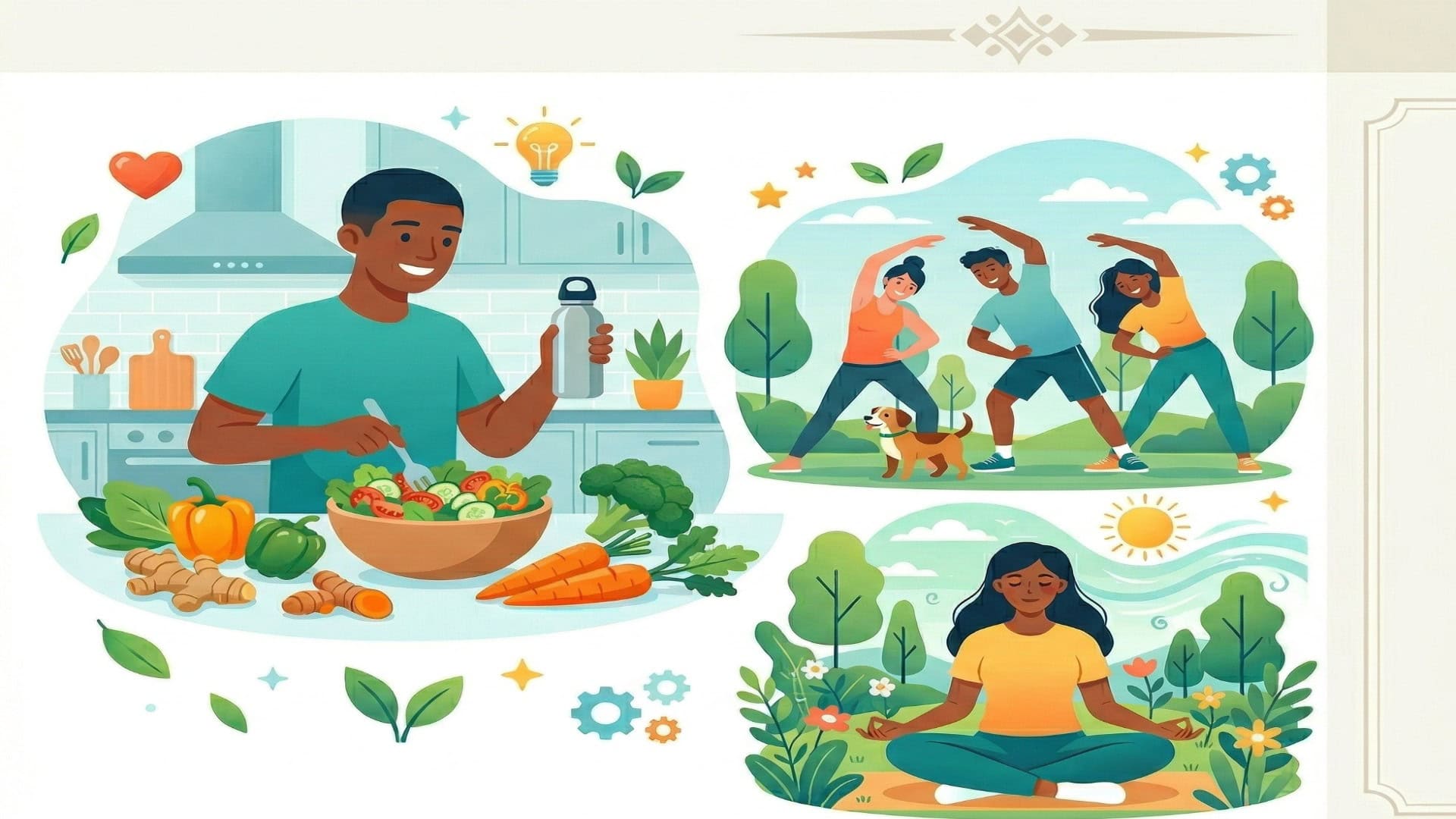
Thinking about starting a healthy lifestyle often creates fear in many people. Many think that to stay healthy, they might have to give up all their favorite foods. Or they might assume they have to sweat in the gym for hours every day.
These ideas are completely wrong. A beautiful and healthy lifestyle should never be complicated or difficult. Instead, it should be a process that easily adapts to your daily life.
We often see various strict routines on the internet or social media. Seeing these makes it seem like staying healthy is an incredibly difficult task. But truthfully, the key to wellness lies in small, everyday habits.
There is no need to completely overturn your current lifestyle. By taking just a few simple and sustainable steps, you can feel much fresher and more vibrant than before.
What Does a Healthy Lifestyle Actually Mean?
A healthy lifestyle means more than just staying free from disease. It is a wonderful combination of physical, mental, and emotional well-being.
Many people think that just losing weight or building a muscular body is a healthy life. But this is a misconception. A truly healthy life means waking up every morning with enough energy to tackle the day.
It is a life where you take care of your body. You eat nutritious food and take care of your mind.
Additionally, it is a balanced state where you can properly coordinate between work and rest. A healthy lifestyle means learning to love yourself and understanding the needs of your body.
Why Small, Sustainable Changes Work Better Than Extreme Diets
Hoping to lose weight very quickly, many people resort to extreme diets or crash diets. In these diets, essential foods are often removed from the list.
As a result, you might lose some weight temporarily. But it is not possible to maintain these strict rules for long.
After a few days or weeks, people become frustrated and return to old unhealthy habits. Because of this, the weight comes right back. Sometimes the body becomes even weaker.
On the other hand, small and sustainable changes become a part of our lives. If you add a few more vegetables to your meals every day or walk 10 minutes more, it is very easy to maintain.
These small changes bring big results over time. They do not have any harmful effects on your body and do not create mental stress.
The Core Pillars of a Healthy Lifestyle
To stay healthy, it is essential to focus on a few specific areas. We can call these the core pillars of a healthy life. These pillars are closely connected to each other.
Nutrition
Our body gets the necessary fuel to function properly from food. Without proper nutrition, the body becomes weak. Therefore, it is extremely important to have the right balance of vitamins, minerals, and proteins in your daily meals.
Physical Activity
There is no substitute for exercise to keep the body healthy and active. Physical activity keeps our heart healthy and strengthens our muscles. It keeps not only the body but also the mind cheerful.
Sleep
Sleep is essential to remove the day’s fatigue and repair the body’s cells. No healthy routine can be successful without adequate sleep. It increases brain function and strengthens the immune system.
Mental Wellness
Physical health is incomplete without mental peace. Excessive mental stress and depression have a direct negative impact on the body. Therefore, taking care of the mind and keeping oneself happy is incredibly important.
Daily Habits
Our small daily habits determine our future health. Eating at the right time, drinking plenty of water, and maintaining hygiene build the foundation of our healthy life.
1. Start with Small, Realistic Changes
The beginning of any big goal must be very small and realistic. If you want to change many things at once, you will get tired very quickly. So the start should be easy.
Why Gradual Improvement Brings Long-Term Success
Our brain cannot easily accept sudden big changes. Big changes create mental stress. But when you try to improve gradually, the brain gets used to it.
Small changes eventually become automatic habits. Then you do not have to make any separate effort to follow them. This is how long-term success is ensured.
Picking One Habit at a Time
When starting a new routine, focus on just one specific habit at a time. Suppose you want to increase the amount of water you drink. For the first week, focus only on this one task.
When you see that drinking enough water has become your habit, then add another new habit. For example, the following week you can start the habit of walking 15 minutes a day. Advancing step by step like this eliminates the chance of failure.
2. Improve Your Daily Nutrition
Changing your diet does not mean you have to stop eating all delicious foods. Rather, the main purpose is to increase the amount of healthy foods.
Eating More Whole and Natural Foods
Natural and unprocessed foods are the best for the body. Include plenty of fresh fruits, vegetables, and whole grains in your diet.
These foods contain plenty of fiber and antioxidants that boost the immune system. According to the World Health Organization (WHO), a healthy diet plays a crucial role in preventing chronic diseases.
Reducing Processed and Sugary Foods
Packaged foods, fast food, and drinks with extra sugar are extremely harmful to the body. They contain almost no nutritional value. On the contrary, they accumulate fat in the body and cause various diseases.
It might be difficult to stop eating them completely all of a sudden. So try to reduce their amount gradually. You can eat natural sweets like honey or sweet fruits as an alternative to sugar.
Keeping the Body Hydrated Throughout the Day
Drinking adequate water is essential to keep the body fresh and active. Often we cannot understand the difference between thirst and hunger. As a result, we eat food even when we are just thirsty.
Try to drink at least 8 to 10 glasses of water every day. Whenever you go out, always keep a water bottle with you. This will help you stay refreshed all day.
3. Move Your Body Every Day
You do not have to join a gym to exercise. Physical activity can be in any form. The main goal is to keep the body moving.
Simple Exercises for Beginners
If you have never exercised before, start with something very simple. Stretching at home or light yoga can be an excellent start.
There are many easy exercise tutorials for beginners available on YouTube. By watching these, you can easily exercise at home. Exercising for just 10 to 15 minutes every day will help overcome your body’s stiffness.
Walking as a Powerful Healthy Habit
Walking is the easiest and one of the most effective exercises in the world. No special equipment is required for this. Make a habit of walking for at least 30 minutes every morning or afternoon.
Regular walking keeps your heart healthy and helps burn extra calories in the body. According to data from the Centers for Disease Control and Prevention (CDC), moderate daily physical activity significantly improves health.
Building Consistency Over Intensity
There is no point in doing very hard exercise one day and sitting around for the next six days. Instead, doing simple exercises for a short time every day is much more beneficial.
When it comes to exercise, doing it regularly or maintaining consistency is more important than intensity. Choose an exercise that you can do happily every day.
4. Prioritize Adequate Sleep
One of the main conditions for a healthy life is good sleep. Unfortunately, in our modern busy lives, many of us neglect sleep.
Why Sleep is Essential for Health and Energy
During sleep, our body recovers from the day’s wear and tear. The muscles relax, and the brain processes new information.
If you do not get enough sleep, your mood becomes irritable, and your focus on work decreases. In the long run, lack of sleep increases the risk of diabetes and heart disease. According to the Sleep Foundation, adults should sleep 7 to 9 hours every day.
Creating a Healthy Sleep Routine
Try to go to bed and wake up at the same time every day. It is good to maintain this routine even on weekends. This keeps the body’s internal clock or circadian rhythm intact.
Create a comfortable environment before going to sleep. Keep the room dark and cool. If you want, you can take a bath with lukewarm water or read a book.
Reducing Late-Night Screen Time
The blue light that comes out of the screens of mobiles, laptops, or TVs disrupts sleep. This light prevents the production of the melatonin hormone in the brain.
Melatonin helps us sleep. So turn off all electronic devices at least one hour before going to bed. You can listen to some calming music instead.
5. Take Care of Your Mental Health
Even if the body is fine, if the mind is not well, no work can be done properly. Therefore, taking equal care of mental health alongside physical health is necessary.
Ways to Manage Stress Healthily
It is very normal for mental pressure or stress to come into our daily lives. But how we deal with it is the real issue.
You can do deep breathing exercises to reduce stress. Whenever you feel extra pressure, close your eyes and slowly take a deep breath and release it. Besides, spending time with loved ones or doing your favorite hobbies also keeps the mind cheerful.
Practicing Mindfulness or Relaxation
Mindfulness is holding your attention to the present moment. It keeps us away from unnecessary worries.
Set aside some time every day for meditation. Sit in a quiet place and try to calm your thoughts. This will increase your mental stability.
Avoiding Negative Overwhelm
Often we think too much about things that are out of our control. These kinds of negative thoughts only increase mental stress.
Refrain from constantly reading negative news in the newspaper or on social media. Keep some distance from people who always discourage you. Build the habit of thinking positively.
6. Build a Simple Daily Routine
A well-structured routine makes our lives much easier and more disciplined. It helps to save time and reduce stress.
Structuring Your Day for Better Habits
After waking up in the morning, create a plan for your day. Decide when you will do which task.
Specifically separate eating time, working time, and resting time. If you have a routine, you will not have to repeatedly think about what to do next. This increases focus on work.
Creating Stability Through Consistency
After creating a routine, try to follow it every day. It might be a little difficult for the first few days.
But after a few days, it will become a normal part of your life. This consistency will bring beautiful stability to your life. You will see that your tasks are being completed much easier than before.
7. Reduce Harmful Lifestyle Habits
Just adopting good habits is not enough. Relinquishing bad habits is equally important.
Decreasing Sedentary Behavior
Sitting and working for a long time is extremely harmful to health. It is one of the main causes of obesity and back pain.
If you work sitting at a desk, stand up for a few minutes every hour. Walk around a bit or stretch. Try to use the stairs instead of the elevator.
Limiting Junk Food and Sugary Drinks
You can definitely eat out or eat your favorite junk food occasionally. But you must be careful that it does not become a daily habit.
Drink coconut water or fresh fruit juice instead of cold drinks or energy drinks. Build the habit of eating healthy homemade snacks.
Cutting Down on Excessive Screen Use
Nowadays, we spend most of the day looking at screens. Even if we have to do it for work, we sit with our mobiles during our leisure time too.
Excessive use of screens tires both our eyes and brain. Fix at least a specific time in the day when you will not use any screens. During this time, talk to your family or spend time close to nature.
8. Stay Consistent Instead of Being Perfect
Many people want to do everything absolutely perfectly from the beginning. But in real life, everything is not always perfect.
Why Consistency Matters More Than Perfection
If you follow a perfect routine for one week and give everything up the next week, there will be no benefit.
Instead, if you follow a simple routine every day, it is much more effective. The pressure to be perfect often makes us frustrated. So even if mistakes happen, it is important to keep moving forward without stopping.
Recovering After Missing a Few Days
Due to work pressure, illness, or travel, a healthy routine might break sometimes. This is a very normal thing.
Do not blame yourself or give up if the routine breaks. When the situation normalizes, return to your routine again. Remember, one bad day cannot destroy your entire journey.
9. Surround Yourself with Healthy Influences
The environment around us has a massive impact on our habits. Who you mix with and where you live influences your mindset.
Creating a Supportive Environment
Organize your room and workplace in a way that encourages you to stay healthy.
Keep healthy food in the fridge or close at hand. Keep a water bottle right in front of your eyes. Keep your bedroom comfortable and clean.
Learning from Positive Role Models
Talk to those who are already living a healthy lifestyle. Try to learn about their routines and habits.
Follow people on social media who speak inspirationally about fitness and health. Their positive attitude will encourage you too.
10. Track Your Progress
Knowing how much you are improving is very important to keep your motivation up. Seeing progress increases interest in the work.
Keeping a Simple Health Diary
You can use a diary to write down your daily diet, exercise, and amount of sleep.
There is no need to write in great detail. Just note it down briefly. This will help you understand whether you are on the right track.
Monitoring Energy, Mood, and Habits
Rather than just losing weight, pay more attention to how physically strong you feel.
Notice if your mood is staying better than before. Are you able to climb stairs more easily than before? These changes are your real achievements.
Common Mistakes Made by Beginners
Many people make some common mistakes when starting a healthy life. If you know these mistakes beforehand, you can avoid them.
Trying Extreme Diets or Routines
Do not start an overly difficult diet or exercise routine just by looking at others. Your body and someone else’s body are not the same.
Do only as much as is suitable for you. A difficult routine will make you tired quickly, and you will lose interest.
Expecting Quick Results
Any good thing takes time. Your health will not change overnight.
Losing weight or building muscle is a long-term process. So do not rush. Believe in yourself and keep working patiently.
Doing Too Much at Once
As mentioned earlier, do not try to change many habits at once. This will put you under mental pressure.
Focus on one or two small changes at a time. When those become habits, start something new.
How to Stay Motivated on Your Health Journey
Motivation does not always stay the same. Sometimes you will feel like giving up everything and returning to your old life.
During these times, remember your goals. Remind yourself why you started this journey. Celebrate your small achievements. If you can follow the routine properly for a week, give yourself a small reward.
Frequently Asked Questions About Healthy Living
What is the first step to a healthy lifestyle?
The first step is to set a small and realistic goal for yourself. For example, drinking one more glass of water a day or walking for 10 minutes. Mental preparation is the biggest task.
How long does it take to see results?
This varies from person to person. But generally, if you follow healthy habits regularly for 2 to 3 weeks, you will be able to feel a change in your body’s energy. Visible changes might take a few months.
Do I need a strict diet to stay healthy?
Not at all. Strict diets are harmful in the long run. You just need to eat more nutritious food and reduce processed food. Balancing your meals is the key point.
Can small changes really make a difference?
Yes, they certainly can. Small changes combine over time to produce big results. Your small good daily habits ensure your lifelong good health.
Conclusion: Your Health is Built Through Small Habits
Living a healthy life is not a competition where you have to be first. It is a lifelong process of taking care of yourself.
You can start this journey through very simple and small steps. Nutritious food, adequate sleep, regular physical activity, and mental peace will make your life beautiful.
Final Thoughts: Focus on Progress Over Perfection
Never compare yourself with others. Your journey is entirely your own.
Try to be a little better every day. A small positive decision you make today will build the foundation for a beautiful and healthy future tomorrow. So, without further delay, start taking care of yourself today.