The Ultimate Guide to Cashew Nuts: Benefits, Nutrition, and Uses
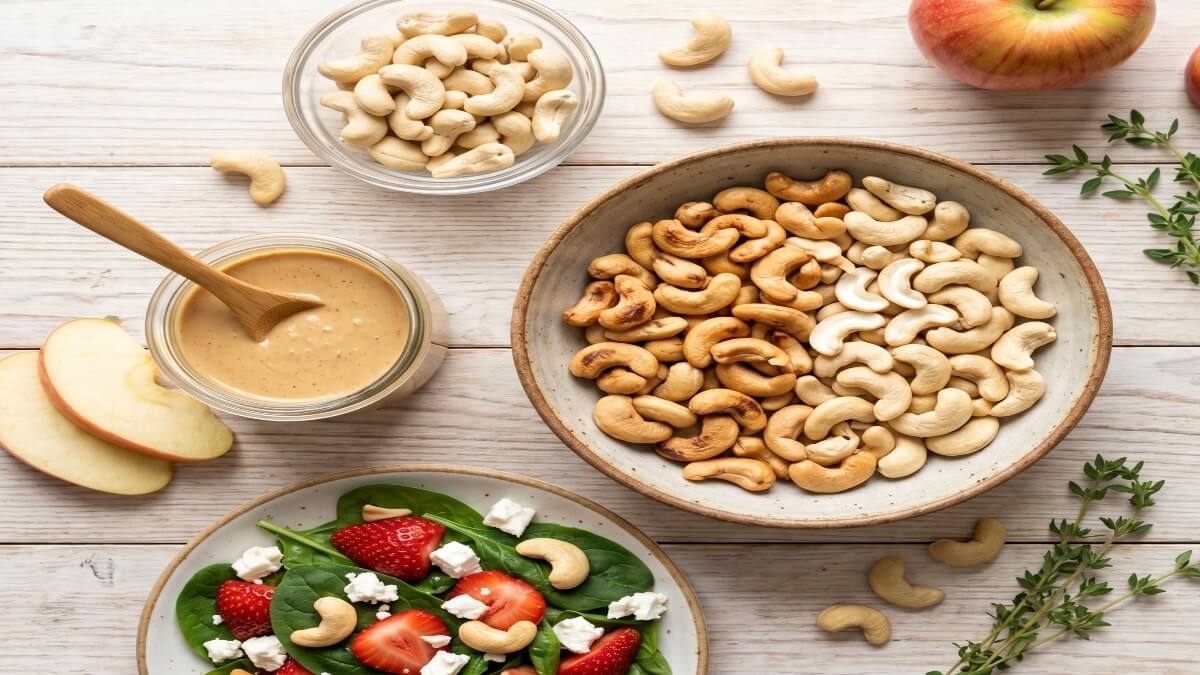
Cashew nuts are a highly popular ingredient in our daily diet. Many of us love eating these delicious nuts as snacks. Almost everyone loves the sweet and buttery taste. But do you know how beneficial they are for your health?
In this guide, we will discuss cashew nuts in detail. We will learn about their nutritional value and health benefits.We will also talk about their versatile uses in cooking. We will show you how to incorporate these nuts into your lifestyle.
What Are Cashew Nuts?
Cashew nuts are essentially seeds. They come from the fruit of the cashew tree. This tree usually grows in tropical regions. Its scientific name is Anacardium occidentale.
We call the tree’s main fruit the cashew apple. A kidney or bean-shaped seed hangs right below this apple. This seed is our familiar cashew nut. It grows a bit differently compared to other tree nuts.
History and Origin of Cashews
The native home of cashews is northeastern Brazil. Portuguese sailors first discovered this nut in the sixteenth century. Then they brought this tree to Goa, India. The Portuguese planted this tree to prevent soil erosion.
The tree quickly adapted to the Indian climate. From India, it spread to Southeast Asia and Africa. Today, Vietnam, Nigeria, India, and the Ivory Coast are among the top cashew-producing countries in the world.
Why Cashews Are One of the Most Popular Nuts in the World
Cashews are appreciated worldwide for their extraordinary taste. Their texture is very soft and creamy. For this reason, they easily blend with other foods.
They are an excellent alternative for vegetarians. People eat various dishes made with cashews instead of dairy products. Additionally, they contain plenty of essential nutrients. Altogether, they are a unique blend of taste and health.
How Cashews Are Cultivated and Processed
The method of cultivating cashews is quite complex. Farmers work hard to bring these nuts to us. Preparing them requires passing through several important steps.
The Cashew Tree and Its Fruit
Cashew trees usually grow very fast. These trees are medium in size. The tree first flowers and then bears fruit. The upper part of the fruit looks a lot like a regular apple. People call it the cashew apple. This apple is juicy and sweet. A hard shell exists at the bottom part of the apple. The actual seed hides inside this shell.
Harvesting Cashews
Farmers harvest cashews very carefully. Usually, the fully ripened fruit falls from the tree to the ground. Farmers then pick the fruits from the ground. Next, they carefully separate the seeded shell from the apple. The cashew apple spoils very quickly. Therefore, farmers often make juice from the apples.
Processing and Roasting Methods
Processing cashews is a very difficult task. The hard outer shell of the seed contains a toxic substance called anacardic acid. It can cause allergies or sores if it comes into contact with the skin.
Therefore, workers carefully burn or steam the shell. Then they break the shell to extract the nut inside. Finally, they remove the thin skin from the nut’s shell.
Nutritional Value of Cashews
Cashews are a huge storehouse of nutrition. They provide many essential elements to keep our bodies healthy. According to Healthline, they are full of micronutrients. We have discussed their nutritional value in detail below.
Calories and Macronutrients
One ounce (about 28 grams) of cashews contains around 157 calories. It provides quick energy to our body. It has about 8.5 grams of carbohydrates. This can be a good snack if you follow a low-carb diet. The calories in it help keep us active all day.
Healthy Fats and Protein
Cashews have plenty of healthy fats. Twenty-eight grams of cashews contain about 12 grams of fat. Most of this fat is monounsaturated fat. This fat is very good for our heart. Also, the same amount of cashews contains about 5 grams of plant-based protein. This helps build our muscles.
Vitamins and Essential Minerals
These nuts are rich in various vitamins and minerals. They contain large amounts of copper. Copper helps build blood cells in our body. Besides, they have magnesium, manganese, and zinc. These minerals increase our body’s immunity. They also partially fulfill the requirement for vitamin K and vitamin B6.
Antioxidants and Plant Compounds
Cashews have plenty of antioxidants. Specifically, they contain two compounds called polyphenols and carotenoids. These compounds protect our cells from harmful free radicals. This saves our body from various chronic diseases.
Dietary Fiber Content
Having fiber in food is very important. Twenty-eight grams of cashews contain about 1 gram of fiber. Fiber keeps our digestive system healthy. It helps relieve constipation. Moreover, eating fiber-rich foods keeps the stomach full for longer. Consequently, the tendency to eat repeatedly decreases.
Main Health Benefits of Cashew Nuts
We get various health benefits by eating cashews regularly. They are not only tasty but also strengthen the body from the inside. Let us learn about their main health benefits.
Supports Heart Health
Cashews keep the heart healthy. They help reduce LDL (bad) cholesterol levels in the blood. At the same time, they increase the level of good cholesterol (HDL). As a result, the risk of heart disease drops significantly. Eating them regularly also keeps blood pressure in check.
Rich in Healthy Fats
Many people get scared hearing about fat. But the fat in cashews is not harmful to the body. It mainly contains healthy fats similar to those in olive oil. This fat increases our brain function. It also helps reduce joint pain.
Helps Maintain Strong Bones
Both calcium and magnesium are essential for bone health. Cashews contain plenty of magnesium. Magnesium helps our body absorb calcium. As a result, our bones and teeth stay strong. It prevents osteoporosis and bone loss diseases.
Improves Brain Function
Our brain needs good fat to work properly. The fatty acids in cashews keep the brain cells healthy. The zinc in them helps increase memory. Your concentration will increase if you eat a few cashews every day.
May Aid in Weight Management
Although cashews are high in calories, they can help reduce weight. The reason is fiber and protein. These two elements fill the stomach quickly. You will not feel hungry for a long time if you eat a few cashews. Consequently, you will refrain from consuming extra calories.
Contributes to Overall Wellness
Cashews improve our body’s immune system. The zinc in them saves us from various infections. The presence of copper increases collagen production in the skin. As a result, your skin stays fresh and beautiful. Also, they keep our nervous system calm.
Cashews and Heart Health: What the Research Suggests
Scientists have conducted much research on cashews. Various clinical trials have shown that these nuts are highly beneficial for heart health. According to the American Heart Association, nut-based foods reduce the risk of heart disease.
Researchers have found that eating cashews regularly improves blood vessel function. They also reduce triglyceride levels in the blood. Triglycerides are a type of fat found in the blood. High levels of them increase the risk of a heart attack. You can avoid this risk by adding cashews to your daily diet.
How Cashews Support Bone and Muscle Health
Our bones are mainly made of calcium and phosphorus. But our body cannot use calcium without magnesium. Cashews are an excellent source of magnesium.
Your body gets enough magnesium when you eat cashews. This maintains your bone density. Moreover, magnesium regulates muscle contraction and relaxation. It works very well at relieving muscle fatigue after exercise.
Explaining the Antioxidants in Cashew Nuts
Antioxidants act as our body’s shield. Free radicals form in our bodies due to environmental pollution and unhealthy food. These free radicals destroy healthy cells.
The antioxidants in cashews neutralize these free radicals. Roasted cashews might have more antioxidants than raw cashews. A study showed that their antioxidant effectiveness increases during roasting. This helps prevent premature aging.
Cashews as a Source of Plant-Based Protein
Nowadays, many people look for plant-based protein instead of animal protein. Cashews are a great food for them. They can fulfill our body’s protein needs.
Protein Content and Benefits
A handful of cashews contains about 5 grams of protein. Protein repairs our body cells. Protein is also essential for forming new tissues. Although it is not a complete protein, it is highly nutritious. It partially fulfills our daily amino acid needs.
Cashews for Vegetarian and Vegan Diets
Vegans do not eat milk or cheese. They use cashews as an alternative to these foods. You can make excellent vegan cheese by blending cashews. You can also make vegan mayonnaise with them. They add both taste and nutrition to a vegan diet.
Mixing Cashews with Other Healthy Foods
You can mix cashews with other protein-rich foods. For example, eating cashews with lentils or seeds provides you with all the amino acids. You can sprinkle cashews over salads. Eating cashews mixed with oatmeal makes your breakfast healthier.
Uses of Cashew Nuts in Daily Life
Using cashew nuts is very easy. You can easily add them to your daily meals. We have highlighted some popular uses below.
As a Healthy Snack
Cashews can be the best snack at the office or during travel. You can keep a handful of cashews in your bag. Eat them instead of chips or biscuits when you feel hungry. They will give you energy for a long time.
In Curries and Savory Dishes
Cashews are very popular in Indian and Asian cooking. People especially use cashew paste to thicken the gravy of various curries. They bring a creamy and royal taste to the food. You can also add cashews to fried rice or vegetable dishes.
In Desserts and Baked Goods
The use of cashews in sweet dishes is very old. Adding cashews to cakes, cookies, or halwa multiplies their taste. You can also put cashews inside homemade chocolates.
In Smoothies and Plant-Based Milk
You can make a smoothie by blending fruits and cashews together in a blender. Cashews make smoothies very creamy. You can make cashew milk at home instead of buying milk from the market. It tastes great with tea or cereals.
Popular Recipes Using Cashew Nuts
You can easily prepare fun foods with cashews. You can try these recipes at home.
Cashew Nut Curry
Heat a little oil in a pan. Add chopped onions and tomatoes to it and fry until soft. Then add ginger-garlic paste and necessary spices. Now add one cup of cashew nuts. Cook for ten minutes with a little water. Your delicious cashew curry is ready. It tastes wonderful with roti or paratha.
Homemade Cashew Milk
Soak a cup of cashew nuts in water overnight. Drain the water in the morning. Now, put the soaked cashews and four cups of clean water in a blender. Blend the mixture until it becomes completely smooth. Then strain the mixture through a thin cloth. You can add a little vanilla extract or honey to it if you want.
Cashew Energy Balls
Take a cup of cashews and a cup of pitted dates in a blender. Add two spoons of cocoa powder to it. Blend until the mixture becomes sticky. Then make small balls with the mixture. Keep them in the fridge. Eat one ball to get energy while working.
Cashew-Based Desserts
Cashew is the best ingredient for making vegan cheesecake. Blend soaked cashews, lemon juice, coconut oil, and maple syrup together. Pour this mixture over a nut crust. Keep it in the fridge for a few hours. A healthy and delicious dessert will be ready.
Raw vs. Roasted Cashews: Which is Better?
You can find two types of cashews in the market. Many people wonder which one is better to buy.
Actually, the raw cashews we see in the market are not completely raw. Workers steam them first to remove the toxic shell. Raw cashews have slightly more nutritional value. Specifically, the vitamins and minerals remain intact.
On the other hand, the taste and aroma of roasted cashews are much higher. However, some vitamins might get destroyed during roasting. If you roast cashews at home, dry roast them in a pan without oil. This will not add extra calories. Both are healthy, though raw cashews are slightly ahead nutritionally.
Cashews vs. Almonds: Nutritional Comparison
Cashews and almonds are both very popular nuts. Both have their own benefits.
Almonds contain higher amounts of fiber and vitamin E. They are very good for weight loss. On the other hand, the amount of zinc and copper in cashews is higher than in almonds. The texture of cashews is softer than that of almonds. Cashews are more convenient for use in cooking. You can choose either based on your preference and nutritional needs. It is best if you rotate both nuts in your diet.
How to Choose High-Quality Cashew Nuts
Buying the right cashew nuts is very important. You can find cashews of many qualities in the market. Here are some ways to identify good-quality cashews.
Whole vs. Broken Cashews
Buy whole cashews if you want to serve guests. Whole cashews look beautiful. But you can buy broken cashews if you want to use them in cooking or smoothies. The price of broken cashews is usually a bit lower. However, there is no difference in nutritional value.
Unsalted vs. Salted Varieties
It is always best to buy unsalted cashews. Salted cashews contain a lot of sodium. Excess sodium increases our blood pressure. You can sprinkle a little salt or black pepper at home to enhance the taste.
Signs of Freshness
Notice the color of cashews when buying them. Fresh cashews have a light cream or ivory color. Do not buy the nuts if they have dark spots or turn yellowish. If a sour or oily smell comes from the cashews, understand that they have gone bad. Check the expiration date if buying packaged cashews.
Proper Tips for Storing Cashew Nuts
Cashews contain a lot of oil. Therefore, they spoil very quickly if not stored properly. Follow the correct methods to retain their freshness.
Room Temperature Storage
You can keep cashews at room temperature if you plan to eat them within a few days. Keep the cashews in an airtight container. Place the container in a cool and dark place away from direct sunlight. They will stay good for a few weeks this way.
Refrigerating and Freezing
Store cashews in the fridge to keep them good for a long time. They will stay good for about six months if you keep them in a regular fridge. And they will stay fresh for up to a year if you keep them in a deep freezer. Keep them at room temperature for a while after taking them out of the fridge before eating.
Preventing Odor Absorption
Cashews easily absorb surrounding odors. So, do not keep cashews near onions, garlic, or strong-smelling foods. Using a glass jar is the safest option. The smell of plastic often transfers to the nuts when they are kept in plastic containers.
Potential Side Effects and Precautions
Although cashews are beneficial, they can cause problems in some cases. We should keep these precautions in mind. WebMD has detailed information on this topic.
Tree Nut Allergies
Many people have tree nut allergies. They might experience allergy symptoms after eating cashews. This can cause skin itching, a swollen throat, or shortness of breath. Eat a small amount to test if you are eating cashews for the first time. Consult a doctor quickly if you face any problems.
Portion Control and Calorie Intake
Cashews are high in calories. Eating too many cashews can increase your weight. Therefore, eating them in moderation is essential. According to experts, eating about 15 to 20 cashews a day is enough.
Considerations Regarding Salted Cashews
Store-bought roasted cashews contain a lot of salt and unhealthy oil. Eating them can cause harm rather than benefit the heart. Patients with high blood pressure should avoid these types of cashews. Always choose plain roasted or raw cashews.
Frequently Asked Questions About Cashew Nuts
People have many questions in mind about cashews. We have provided answers to some common questions below.
Can You Eat Cashews Every Day?
Yes, you can eat cashews every day. They will help meet your daily nutritional needs. However, you have to keep an eye on the quantity. Eating a handful of cashews every day is ideal.
Are Cashews Good for Weight Loss?
They help reduce weight if eaten in moderation. Their fiber and protein keep you satisfied for a long time. As a result, you refrain from eating unhealthy foods. However, overeating can lead to weight gain.
How Many Cashews Should You Eat a Day?
According to nutritionists, eating 28 grams, about 15 to 18 cashews, daily is healthy. This will provide you with about 157 calories and essential fats. This amount may be slightly higher or lower depending on your physical needs.
Cashew Nuts in Culinary Traditions Around the World
Cashew nuts are not limited to a specific region. People all over the world use them in cooking in their own ways.
Cashews in Indian Cuisine
We see the dominance of cashews in Indian food. People use cashews in Shahi Paneer, Chicken Korma, or Biryani. Sweet dishes like Kaju Barfi or Payesh are incomplete without them. They add a rich and creamy texture to Indian dishes.
Cashews in Asian Dishes
Cashews are also widely used in Thai and Chinese cuisine. Chicken with Cashew Nuts is a highly popular Chinese dish. They usually fry cashews with vegetables and meat. This brings a nice crunch to the food.
Cashews in Modern Vegan Recipes
Cashews work like magic in modern vegan or vegetarian cooking. People make cheese, mayonnaise, milk, and creamy pasta sauces with them. Cashews bring back the taste to cooking for those who avoid dairy products.
Final Thoughts on Cashew Nuts
Cashew nuts are an incredible gift from nature. They take care of both our taste and health. We learned about the versatile qualities of cashews from this guide.
Key Takeaways
We have learned that cashews are not just a fun snack. They are highly beneficial for the heart, bones, and brain. The healthy fats and minerals in them strengthen our bodies. However, we must be careful about allergies and calories.
Why Cashews Are a Nutritious and Versatile Superfood
Calling cashews a superfood is not wrong at all. Their nutritional value is higher than that of many other foods. At the same time, you can easily use them in cooking. They fit into all types of food, from sweet to spicy.
Simple Ways to Add Cashews to Your Daily Diet and Lifestyle
Add cashews to your meals starting today. Put a few pieces of cashews in your morning cereal. Eat roasted cashews with tea in the afternoon. Use cashew paste to thicken sauces. These small changes will make your health even better. Eat cashews in moderation and stay healthy.