Long Pepper (Pippali): The Ancient Spice with Powerful Health Benefits
Welcome to our health and wellness discussion today. Nature has spread countless healing elements all around us. Beyond the familiar spices in the kitchen, many herbs work like magic for our well-being. One such remarkable and ancient spice is Pippali, also known as long pepper.
Today, we will learn everything about this special spice. From its history to how modern science is recognizing its qualities, everything will be discussed in very simple language. Let us get started.
What is Pippali?
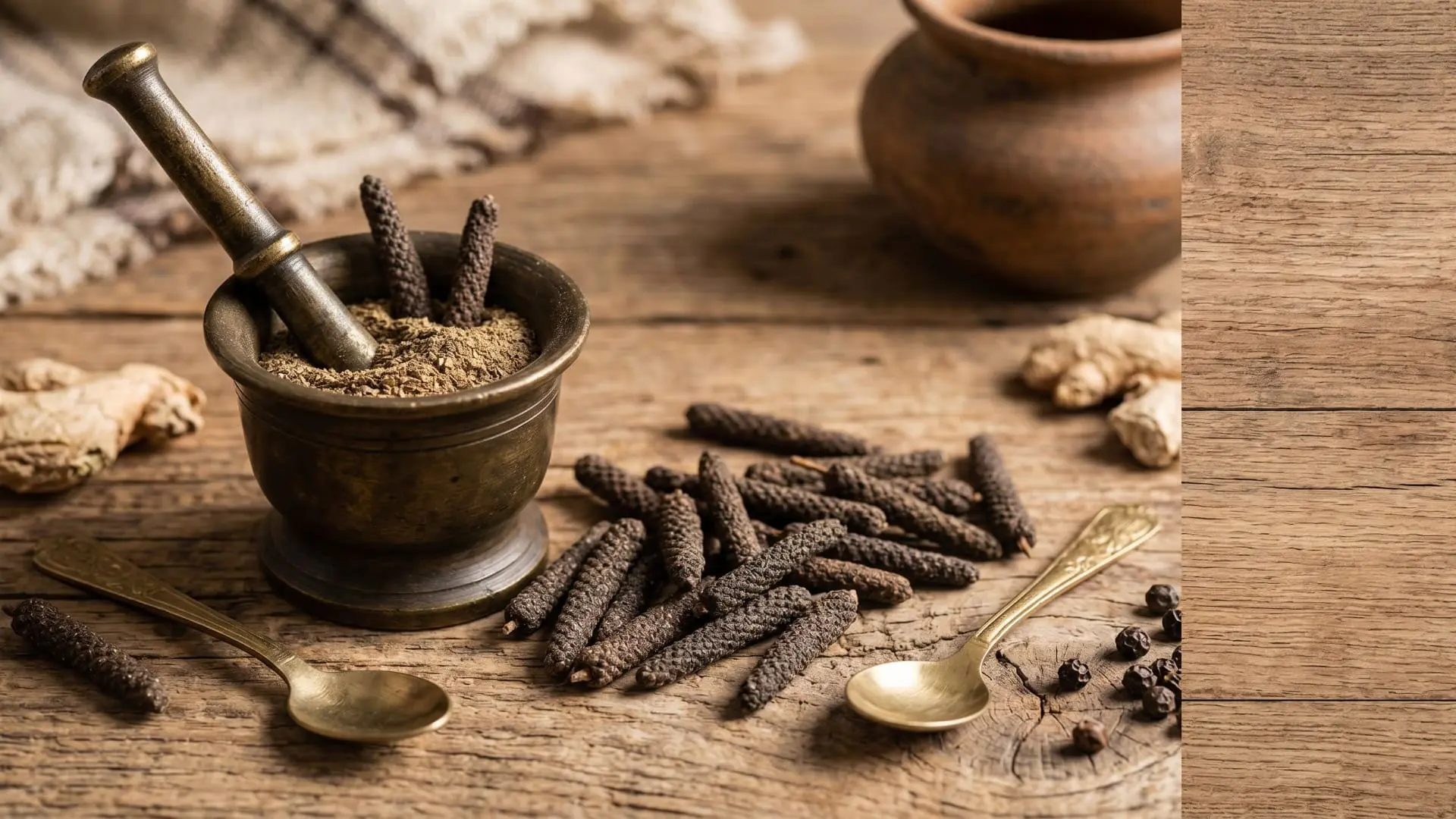
Pippali or long pepper is a very ancient and well-known spice. Its scientific name is Piper longum. Many people know it as long pepper. It is basically a member of the black pepper family. However, it does not look round like regular black pepper. Rather, it looks elongated, somewhat like a small pinecone.
The taste of Pippali is quite different from that of regular black pepper. When put in the mouth, it tastes slightly sweet at first, then becomes pungent and sharp. Since ancient times, it has been widely used in the Indian subcontinent to enhance the taste of food and as an herbal medicine.
The History and Traditional Uses of Long Pepper in Ayurveda
Long pepper holds a highly respected place in Ayurvedic scriptures. For thousands of years, Ayurvedic practitioners have used it to treat various diseases. Mentions of long pepper can be found in the ancient Ayurvedic texts ‘Charaka Samhita’ and ‘Sushruta Samhita’.
In traditional medicine, long pepper is considered a ‘Rasayana’ or rejuvenating herb. It helps balance the body’s tridosha: Vata, Pitta, and Kapha. Long pepper is unparalleled in curing Kapha and Vata-related problems. It is one of the three main ingredients of the well-known Ayurvedic ‘Trikatu’ powder. The other two are ginger and black pepper.
Botanical Profile and Origins of Long Pepper
In botanical terms, long pepper is a climbing vine belonging to the Piperaceae family. This plant grows best in warm, humid climates. Its leaves resemble betel leaves and are dark green.
The original birthplace of the long pepper plant is the northeastern region of India and the foothills of the Himalayas. However, it is currently widely cultivated in countries such as Bangladesh, Nepal, Indonesia, and Sri Lanka. The fruits of this plant remain green when unripe and turn reddish or black when ripe. After drying, they become hard, dark gray or black, elongated spices.
Nutritional Value of Long Pepper
Long pepper is not only rich in taste but also in nutritional value. It contains various vitamins and minerals necessary for the body.
Research has shown that long pepper contains a good amount of dietary fiber, which greatly supports digestion. Apart from this, it contains important minerals like calcium, phosphorus, and iron. These minerals help to strengthen our bones and eliminate anemia. The vitamin C present in long pepper plays a special role in boosting our immune system.
Key Bioactive Compounds in Long Pepper
The main reason for the magical health benefits of long pepper is the presence of several powerful bioactive compounds in it. The most important compound among them is Piperine.
This Piperine is what gives long pepper its pungent taste. It increases the absorption capacity of other nutrients in our body. Besides Piperine, long pepper contains another compound called Piperine. Scientists have found that Piplartine has strong anti-cancer and anti-inflammatory properties. These compounds combine to make long pepper a powerful herbal medicine.
Top Health Benefits of Long Pepper
This extraordinary gift of nature is beneficial for almost every part of our body. By consuming long pepper regularly in the right way, we can get rid of numerous physical problems. The most important health benefits of long pepper are discussed in detail below.
How Long Does Pepper Aid Digestion
Long pepper is highly effective in solving digestive problems. It helps increase the secretion of digestive juices and enzymes in our stomach. As a result, food is digested very quickly and well.
Many people suffer from bloating or indigestion after eating food. Long pepper works wonderfully to relieve this type of discomfort. It removes gas accumulated in the intestines and relieves constipation. The use of long pepper to keep the digestive system healthy and active is quite ancient.
Long Pepper and Respiratory Health Benefits
For those suffering from asthma, bronchitis, or a chronic cough, long pepper is a blessing. It helps liquefy and expel phlegm accumulated in the respiratory tract.
Long pepper reduces airway inflammation and helps normalize breathing. If you catch a cold or have a sore throat, eating a little long pepper powder mixed with honey works like magic. Ayurvedic doctors have long recommended its use to increase lung capacity.
Anti-Inflammatory and Antioxidant Properties of Long Pepper
The main cause of joint pain or arthritis is inflammation. Long pepper contains potent anti-inflammatory compounds that help reduce pain and swelling throughout the body.
Alongside, long pepper works as an excellent antioxidant. Every day, for various reasons, free radicals are produced in our bodies, damaging cells and leaving signs of aging. The antioxidants present in long pepper destroy these harmful free radicals. As a result, the body stays healthy from the inside, and the skin becomes beautiful.
The Role of Long Pepper in Metabolism and Weight Management
For those looking to lose weight, ihealthily long pepper can be a great aid. Long pepper increases the metabolic rate in our bodies.
When the body’s metabolism is fast, the rate of calorie burning also increases. The Piperine in long pepper accelerates the thermogenesis process in the body, which helps melt fat. Consuming long pepper in moderation regularly helps to shed excess fat and keep the body slim and fit.
Long Pepper for Boosting Immunity
There is no alternative to a strong immune system to stay healthy. Long pepper strengthens our body’s immune system from the inside.
It helps the body fight various harmful bacteria and viruses. Especially during changing seasons when the incidence of colds and fevers increases, eating long pepper helps the body recover quickly. It also helps increase the effectiveness of white blood cells in the blood.
Long Pepper vs. Black Pepper: What is the Difference?
Although long pepper and black pepper belong to the same family, there are several differences between them. They look completely different. Black pepper is round, while long pepper is elongated and resembles a small pinecone.
In terms of taste, the difference is clear. The taste of black pepper is straight, pungent, and sharp. On the other hand, the taste of long pepper is slightly sweet at first, then becomes quite sharp and pungent. In terms of herbal qualities, Ayurveda considers long pepper to be somewhat stronger and more versatile than regular black pepper.
The Use of Long Pepper in Global Cuisine
Long pepper is not just medicine; it is also a wonderful spice. In ancient Roman and Greek civilizations, long pepper was a highly valued spice. Even today, it is valued in the cuisines of many countries around the world.
Long pepper is an essential ingredient in the famous North African spice blend ‘Ras el hanout’. Besides, it is widely used in traditional Indonesian and Malaysian dishes. The use of long pepper in various meat dishes, soups, and pickles across the Indian subcontinent adds distinct depth and aroma to the food.
How to Use Long Pepper in Cooking
You can easily add long pepper to your daily cooking. It is best to buy whole long pepper, roast it lightly in a dry pan, and grind it. This keeps its aroma intact.
You can sprinkle a little long pepper powder at the end of cooking any soup, lentils, or meat curry. It will add a very nice aroma and a mildly pungent taste to the food. Also, adding a pinch of long pepper powder to tea or coffee enhances both the taste and the beverage’s health benefits.
Long Pepper in Herbal Remedies and Traditional Medicine
Various home remedies made with long pepper are very popular in traditional herbal medicine. The practice of licking long pepper powder mixed with ghee and honey for fever or cough is very old.
It is also used to maintain good liver health. In Ayurveda, the root of long pepper is also used as a medicine, called ‘Pippalimula’. It works wonderfully for curing insomnia and calming the nerves. It helps remove toxins or harmful substances from the body.
How to Consume Long Pepper Safely
Any herbal element should be consumed according to the correct rules. Long pepper is a warm spice, so it is not right to eat it in large quantities.
The safest way is to mix a small amount of long pepper powder with a spoonful of honey and eat it on an empty stomach in the morning or before bed at night. It can also be drunk mixed with warm water. Those who can digest milk can mix a little long pepper powder in a glass of warm milk; it promotes good sleep and reduces physical weakness.
Recommended Dosage and Usage Guidelines
For adults, half to one gram or a pinch of long pepper powder is sufficient per day. Eating more than this is usually not recommended.
Long pepper should not be consumed continuously for extended periods without breaks. After eating it for one to two months, it is good to take a break of at least two weeks. For children, the dose will be much lower. It is always wise to consult a specialist before taking any herb regularly.
Potential Side Effects and Precautions
Although long pepper is highly beneficial, consuming it in excess can cause some side effects. Since it warms the body, eating too much can cause a burning sensation in the stomach or acidity problems.
In many cases, consuming excessive amounts of long pepper can cause skin rashes or allergic reactions. Besides, it can cause an upset stomach or nausea. Therefore, it should always be consumed in appropriate, moderate amounts.
Who Should Avoid Long Pepper?
Pregnant women should refrain from consuming long pepper. Because its warming effect can cause complications during pregnancy. Breastfeeding mothers should also consult a doctor before eating it.
Those with stomach ulcers or other severe gastric conditions should avoid long pepper. Also, those taking blood thinners should be careful when eating long pepper, as it can reduce the medication’s effectiveness.
Ways to Store Pippali Properly
To retain the qualities and aroma of long pepper for a long time, it is very important to store it properly.
Long pepper should always be kept in a clean and airtight glass container. The container must be kept in a cool and dry place away from direct sunlight. Whole long pepper lasts longer than powdered long pepper. So, if you want to store it longer, the best method is to buy whole long pepper and grind it as needed.
Buying Guide: How to Choose High-Quality Pippali
When going to the market, it is important to always choose high-quality long pepper. There are some easy ways to identify good-quality long pepper.
First, notice its color. The color of good long pepper will be dark gray or blackish. Its shape should be intact and hard. If it breaks easily when pressed with a finger, it means it is old or not dried properly. A very beautiful and pungent aroma will come out of good long pepper. If possible, it is better to buy whole spices from a trusted shop instead of packaged ones.
Common Myths and Facts about Pippali
There are several common myths about long pepper in society. Many people think that long pepper can only be eaten in winter. This is not entirely true. By reducing the dose, it can also be eaten in summer.
Another common belief is that long pepper and black pepper can be used as alternatives in any cooking. Although they are in the same family, their taste and aroma profiles differ. So, substituting long pepper for black pepper in all dishes might not yield the authentic taste. The maximum benefits can be obtained by using the spice correctly.
Frequently Asked Questions about Pippali
-
What is Pippali used for?
Pippali is mainly used as an herbal medicine and cooking spice to improve digestion, clear colds and coughs, promote weight loss, and boost the immune system.
-
Is Pippali the same as black pepper?
No. Although they belong to the same plant family, Pippali is elongated, and its taste is initially slightly sweet, then pungent. Black pepper is round and immediately sharp.
-
Can Pippali help with digestion?
Yes, Pippali helps a lot with digestion. It increases gastric juice secretion, relieves gas and indigestion, and helps digest food more quickly.
-
What are the health benefits of Pippali?
Its main benefits include maintaining respiratory health, reducing inflammation, increasing metabolism, and strengthening immunity.
-
How is Pippali used in cooking?
Pippali can be lightly roasted, powdered, and used to enhance the aroma and taste of soups, lentils, meat curries, or pickles.
-
Does Pippali have any side effects?
Consuming Pippali in excess can cause stomach burning, acidity, or skin allergies. Consuming it in the right dosage usually causes no harm.
-
Can Pippali be consumed every day?
It can be eaten daily in moderate doses (half to one gram). However, it is good to take a break for a few days after eating it continuously for a long period.
-
Is Pippali safe during pregnancy?
No, consuming Pippali during pregnancy is not safe. Due to its warming nature, pregnant women should avoid it.
Conclusion
Nature has given us countless ingredients to stay healthy. We just need to recognize them and use them properly. Pippali is one such invaluable natural ingredient.
Final Thoughts on Pippali and Its Ancient Healing Power
For thousands of years, Pippali has held a royal position in Ayurvedic scriptures. Modern science is now also finding scientific evidence of its ancient healing power. It is not just a spice but a natural shield that keeps our bodies healthy and strong. Used properly, it can keep us from various minor physical problems in our daily lives.
Key Takeaways on Pippali’s Benefits and Uses
In short, Pippali is an excellent herb that aids digestion and supports respiratory health. Its antioxidant and anti-inflammatory properties keep the body young and fresh from the inside. Just as a small amount of long pepper powder in cooking enhances the taste of food, it also strengthens the body’s immune system. However, its use must be in moderation.
Why Pippali Deserves a Place in Modern Nutrition and Wellness
In the present era, as we shift from chemical medicines to natural ingredients, Pippali can be a trusted companion in our daily lives. Modern nutritionists are also emphasizing the inclusion of ancient spices in a balanced diet now. Pippali fully deserves a permanent and honorable place in modern wellness routines for its unique nutritional value and healing power.
Try adding this ancient spice to your wellness journey. Nature never disappoints us.