Shallots Explained: A Complete Guide to Flavor and Health
What Is a Shallot?
A shallot is an extremely popular vegetable belonging to the onion family. Scientists classify it under the species Allium cepa. This bulb shares a very close relationship with the standard onion. However, shallots are much smaller than regular onions. They act as an excellent blend of onion and garlic flavors.
The physical structure of a shallot resembles a bulb of garlic. Multiple cloves join together under a single outer skin. You will usually find the outer layer colored in copper, reddish, or gray tones. Cutting the inside reveals a beautiful light purple or white color.
Shallots hold a special and highly respected place in the culinary world. Cooks use them to add a unique and delicate aroma to food. Their taste is naturally much lighter and sweeter than ordinary onions. People who dislike the strong or pungent smell of onions can easily use shallots instead.
History and Origin of the Shallot
The history of the shallot is quite ancient and incredibly rich. Researchers believe its original cultivation took place in Central Asia. Humans have utilized this vegetable in their daily lives since ancient times. Ancient Greek and Roman civilizations held shallots in high regard and gave them special respect.
Merchants and travelers spread this ingredient to other parts of the world through their long journeys. Crusaders brought shallots from the Middle East to European soil during the eleventh century. Their popularity grew very rapidly and spread widely, especially in France. The ingredient quickly became an absolute necessity in traditional French cooking.
Ancient healers prescribed shallots to patients as medicine for various complex diseases. Everyone praised the vegetable for its high nutritional value and natural healing powers. Today, countries like India, China, France, and the United States cultivate enormous quantities of shallots commercially.
Why Shallots Are a Favorite Ingredient for Chefs
Professional chefs all over the world love keeping shallots in their busy kitchens. The main reason for this preference is the exceptionally delicate and sweet flavor. Ordinary onions often completely mask the primary taste of other ingredients. Shallots add a wonderful aroma without disrupting the dish’s authentic flavor.
This vegetable melts easily and blends perfectly when heated. Cooking sauces or gravies with shallots produces a truly magical result. Mixing raw shallots into salads never creates a harsh odor in the mouth. Preparing many traditional dishes in French gastronomy is almost impossible without using shallots.
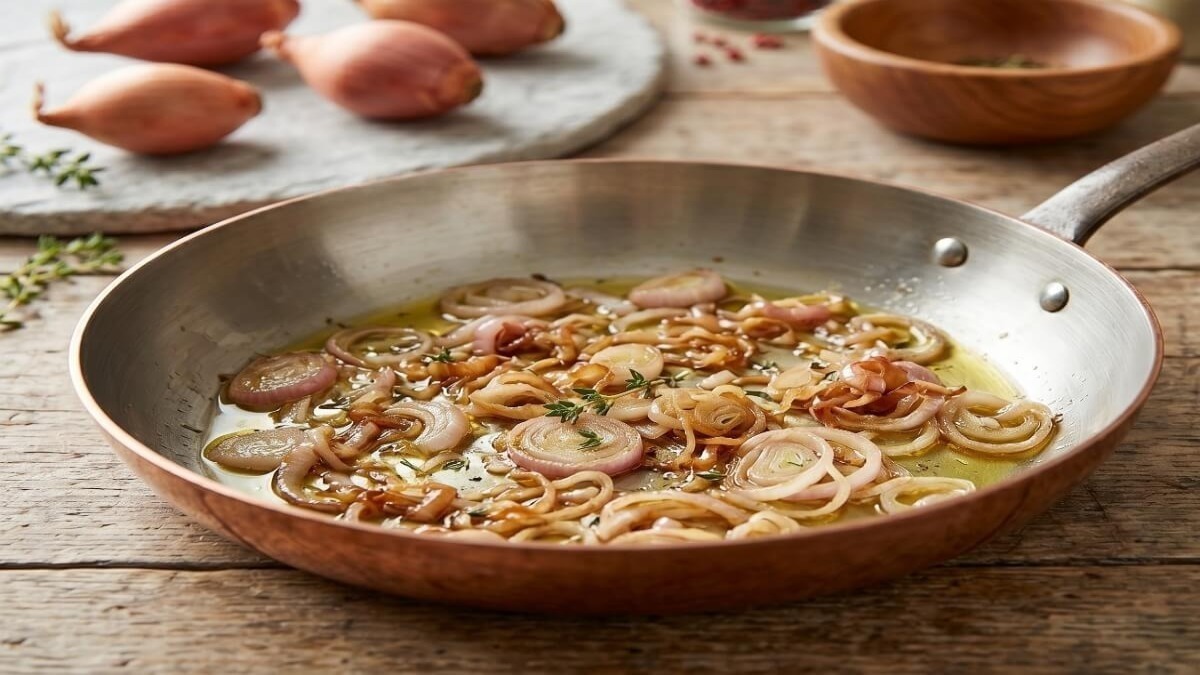
They caramelize very quickly and release a beautiful, sweet taste. Their flavor matches wonderfully with roasted meats or fresh seafood dishes. Chefs consider shallots one of the best cooking ingredients because of their versatility.
Shallot vs. Onion: What Is the Difference?
Shallots and onions belong to the same plant family, but they possess completely different characteristics. These two vegetables look different from one another, and they have massive variations in taste. Their applications in the kitchen also vary completely depending on the situation.
Appearance and Size
A shallot is typically much smaller in size than a regular onion. You will notice it has a somewhat elongated and oval shape. An ordinary onion grows underground as a single, large bulb. Alternatively, a shallot develops multiple cloves within a single skin, similar to garlic.
The outer skin of an onion is very thin and feels like paper. Shallots also have a thin skin, but their colors show significant variety. Onions can generally appear white, yellow, or dark red. The color of a shallot is mostly copper with a slight reddish tint.
Taste and Flavor Comparison
You will find a clear, major difference in taste between shallots and onions. Onions have a pungent taste and a strong smell. Eating raw onions leaves a lingering odor in the mouth for a long time. The taste of a shallot remains much sweeter and milder in nature.
You can detect a slight touch of garlic and an aroma of garlic inside a shallot. Consuming raw shallots does not create the same pungent sensation in the mouth as onions do. Cooking an onion makes it much sweeter over time. Cooking a shallot deepens its flavor and transforms it into a highly delicious ingredient.
Culinary Uses and Applications
People mostly use onions for frying or making heavy curries in everyday cooking. Culinary experts consider shallots the most suitable option for delicate and light dishes. Chefs consider shallots an ideal ingredient for making fresh salad dressings. Finding a replacement for shallots in vinaigrette sauces is truly difficult.
French cuisine uses shallots, butter, and wine to create extraordinary gourmet sauces. Bringing out this subtle flavor using ordinary onions is simply impossible. Chopping and frying onions can sometimes cause them to burn quickly and become bitter. Shallots caramelize beautifully and quickly, bringing out a rich sweetness.
Nutritional Value of Shallots
Shallots are famous worldwide not only for their excellent taste but also for their outstanding nutritional value. They are a great natural source of vitamins and essential minerals. This small vegetable works like magic to keep the human body healthy.
Calories and Macronutrients
A shallot is essentially a very healthy food with low calorie content. One hundred grams of raw shallots contain only about seventy-two calories of energy. This is highly beneficial for people who want to strictly control their body weight. The fat content is almost nonexistent, which makes the vegetable entirely diet-friendly.
The amount of carbohydrates present in them is approximately sixteen grams. Most of these carbohydrates are complex sugars, which are digested slowly in the stomach. Shallots also contain a small amount of protein, about 2.5 grams. Adding them to the daily diet provides a very light and nutritious element.
Vitamins and Essential Minerals
Shallots are completely packed with vital vitamins and trace minerals. They contain a significant amount of Vitamin C. Vitamin C significantly boosts the body’s natural immune system. You can also find notable levels of Vitamin A and Vitamin B6 in shallots.
Vitamin B6 helps keep our nervous system healthy and highly active. Among the mineral components, they contain potassium, magnesium, calcium, and iron in large quantities. Potassium plays a very important role in controlling human blood pressure. Iron plays a helpful role in eliminating severe anemia.
Antioxidants and Plant Compounds
The greatest quality of a shallot is its powerful antioxidant capacity. They contain significantly higher levels of antioxidants than regular onions. A highly potent antioxidant, quercetin, is found in them in abundance. Another crucial compound, called allicin, is found in fresh shallots.
Allicin helps reduce various types of internal inflammation within the body. These plant compounds protect the body from the damaging effects of free radicals. This protection prevents cellular damage and wards off long-term chronic diseases.
Dietary Fiber Content
There is no alternative to fiber for keeping the digestive system healthy and active. Shallots naturally contain a good amount of dietary fiber. You can easily get about three grams of fiber from one hundred grams of shallots. Fiber helps tremendously in alleviating constipation.
It maintains good stomach health and ensures a smooth digestive process. Eating fiber-rich foods regularly can relieve various uncomfortable abdominal problems. Shallots can be a wonderful, delicious way to meet the body’s fiber needs.
Main Health Benefits of Shallots
Including shallots in your regular diet provides many astonishing health benefits. This vegetable helps keep the human body healthy, fresh, and strong. Let us learn in detail about some crucial health benefits of shallots.
Rich in Antioxidants
Shallots contain huge amounts of highly powerful antioxidants. These antioxidants quickly flush harmful toxins and other poisonous substances from the body. They work to reduce damaging oxidative stress within our cellular structures. Oxidative stress can be a primary cause of many complex diseases, like cancer.
Eating shallots regularly can significantly reduce the deadly risk of developing cancer. They play an effective preventive role, especially in cases of stomach and colon cancer. Antioxidants also help keep our skin and hair looking beautiful and vibrant.
Helpful in Protecting Heart Health
Shallots work wonderfully to keep the human heart completely healthy. The allicin present in them significantly increases blood vessel dilation. As a result, blood circulation improves significantly, and blood pressure remains within normal limits. Shallots help reduce bad cholesterol levels in the blood very rapidly.
They simultaneously increase good cholesterol levels in the body. The potassium in them helps keep the heartbeat normal and steady. Consuming shallots regularly lowers the risks of heart disease and sudden strokes tremendously.
May Help Strengthen the Immune System
Vitamin C is an absolutely essential component for boosting the body’s disease-resistance capacity. The Vitamin C present in shallots makes our immune system incredibly strong. This protection defends the body from common colds, coughs, and seasonal flu. Shallots also possess natural antibacterial and antiviral properties.
They can fight vigorously against harmful germs and dangerous viruses. Eating shallots during seasonal changes proves very beneficial for overall health. This practice provides the body with a powerful internal shield.
Helpful in Boosting Digestion
Shallots play a fantastic role in improving our daily digestion. The fiber in them acts as the main food for beneficial bacteria in the gut. They act as a prebiotic to maintain intestinal health. Consequently, whatever food we eat is digested quickly and very thoroughly.
Shallots are highly effective in preventing indigestion, gas, and bloating. Eating them regularly in moderate amounts reduces the risk of developing stomach ulcers. This vegetable helps keep the digestive tract calm and comfortable.
May Help Reduce Inflammation
Long-term inflammation in the body can be the root cause of many complex and difficult diseases. Inflammation is a major and painful problem in arthritis and joint pain. The anti-inflammatory ingredients present in shallots help reduce this harmful swelling.
The quercetin in them quickly reduces allergic reactions in the body. Shallots can be very beneficial for patients with asthma or other respiratory issues. They play a helpful role in relieving any bodily swelling and severe muscle pain.
Contributes to Overall Well-being
In addition to the benefits mentioned above, shallots support overall human well-being. They help increase bone density and strengthen the skeletal structure. They play an effective role in preventing bone loss, especially for women after menopause.
Shallots help wonderfully in keeping excess blood sugar levels perfectly under control. Therefore, they are a safe and suitable food option for patients with diabetes. Their Vitamin A keeps our eyesight sharp and in very good condition. This vegetable helps keep the brain active and significantly boosts memory.
Shallots and Heart Health: What the Research Says
Scientists have conducted many scientific studies on the role of shallots in protecting the heart. These studies have repeatedly proven that vegetables in the Allium family are highly beneficial for the heart. A reliable report by Healthline states that the flavonoids present in shallots reduce the deadly risk of cardiovascular disease.
This vegetable strongly prevents harmful plaque from accumulating inside the blood vessels. The risk of a heart attack increases drastically when blood vessels become narrow due to plaque buildup. Shallots can prevent blood from clotting dangerously inside the body. They act wonderfully as a natural blood thinner to maintain normal blood circulation. Scientists therefore strongly advise keeping shallot-type vegetables in the daily diet.
Antioxidant Properties of Shallots Explained
Antioxidants are chemical components that save our cells from severe damage. A shallot is an absolute powerhouse of these vital antioxidants. It is packed with two extremely powerful antioxidants named kaempferol and quercetin. These compounds do not break down easily during cooking and continue to work efficiently.
Enzymes become highly active very quickly when you chop or cut fresh shallots. These specific enzymes create a magical compound named allicin. Allicin flushes out all kinds of polluted substances from the human body. This process prevents premature cellular aging and retains youthful vigor. It also reduces wrinkles and significantly enhances natural glow.
Shallots in Traditional Medicine and Home Remedies
Traditional folk medicine in various countries has used shallots extensively since ancient times. Ayurvedic medicine considers this vegetable a highly important and healing ingredient. A very old custom involves eating shallot juice mixed with honey as a remedy for sore throats and coughs.
This mixture helps liquefy and expel accumulated phlegm from the chest. Applying shallot juice provides quick relief when insects bite or when the skin feels burning. This vegetable heals fresh wounds effectively by acting as an excellent natural antiseptic.
People in many areas regularly apply shallot juice to the scalp to reduce excessive hair fall. This remedy strengthens weak hair roots and promotes the growth of new hair strands. Using slightly warm shallot juice was also a widespread practice for relieving severe earaches in the past.
What Does a Shallot Taste Like?
Describing the exact taste of a shallot in words is slightly difficult, but it is extremely appealing. The flavor is a wonderful, delicious combination of onion and garlic.
Sweet and Mild Flavor
The main and primary taste of a shallot is sweet and mild in nature. It is not harsh or intense at all, like a regular onion when eaten raw. Eating it does not leave any strong or uncomfortable odor inside your mouth. There is a delicate sweetness within it that increases further after cooking over heat. It adds a smooth, rich flavor to any savory dish.
Comparing Shallots with Garlic and Onions
Onions often create a strong, distinctive flavor in food preparations. Garlic has a very powerful, pungent aroma that can overpower other ingredients. Shallots maintain a wonderful middle ground right between these two extremes. They are crunchy like onions, yet wonderfully aromatic like fresh garlic. However, neither characteristic is excessive or annoying to the palate. They blend very easily and perfectly with other cooking spices.
Best Dishes with Shallots
You can understand the true taste of a shallot best in light and delicate dishes. They fit perfectly into fresh salads, light soups, or roasted meat preparations. Using shallots instead of onions in French onion soup significantly enhances the flavor. You can enjoy eating shallots mixed with butter and herbs spread over fresh bread. This ingredient transforms any ordinary meal into something extraordinary and regal.
How to Use Shallots in Cooking
Using shallots in cooking is very easy and hassle-free. You can add them to your food in various ways and multiple forms.
In Salad Dressings and Vinaigrettes
Finding a match for shallots to enhance the taste of fresh salads is truly difficult. You can make a great vinaigrette by mixing finely chopped shallots with olive oil, lemon juice, and mustard. This mixture adds a very light and refreshing taste to the green salad. The natural crunchiness of raw shallots makes the salad more attractive and fun to eat.
In Soups and Sauces
You can easily use shallots at the very beginning of making any soup or sauce. Frying a little chopped shallot in melted butter creates a great base for sauces. This technique gives the finished sauce a creamy and wonderfully sweet undertone. Using shallots in white or mushroom sauce brings out the dish’s authentic joy.
In Stir-Fries and Sautéed Dishes
You can comfortably use shallots while stir-frying fresh vegetables or meat. They cook very quickly over heat and become perfectly soft. Lightly frying them with vegetables spreads their sweet taste and aroma throughout the entire dish. Adding a little shallot while sautéing sea prawns or chicken makes the dish much tastier.
Roasted and Caramelized Shallots
Eating whole roasted shallots is a great experience for true food lovers. Roasting shallots in the oven with olive oil and a little salt makes them completely soft and sweet like jam. Caramelized shallots pair wonderfully with the inside portions of grilled steaks or burgers. You can also serve them beautifully as a side dish alongside the main course.
Popular Recipes Using Shallots
You can very easily create wonderful recipes using shallots right at home. We have provided a few popular, simple recipes right here.
Shallot Vinaigrette
Take one medium-sized shallot and chop it very finely as the primary ingredient. Take three tablespoons of extra-virgin olive oil and one tablespoon of apple cider vinegar. Keep one teaspoon of honey, along with a little salt and black pepper to taste, ready.
Mix all the ingredients together thoroughly in a small glass container. Whisk vigorously with a spoon until the oil and vinegar fully mix. Spread this delicious dressing over any fresh salad before serving. This magical dressing will completely change the taste of your salad.
Caramelized Shallots
Peel 10 to 12 whole shallots for the required ingredients. Take two tablespoons of pure butter, one tablespoon of sugar, and two tablespoons of balsamic vinegar. Keep a little salt ready to taste.
Melt the butter in a wide pan over a medium flame. Put the whole shallots in the pan and continue to fry them very carefully over low heat. Sprinkle the sugar and vinegar over the top once the shallots start becoming soft. Cook for a little while longer until the shallots become beautifully brown and fully caramelized.
Creamy Shallot Sauce
Chop two fresh shallots very finely as the main ingredient. Take one tablespoon of butter, one cup of heavy cream, and half a cup of chicken or vegetable broth. Keep one teaspoon of lemon juice aside for use at the very end.
Melt the butter in a pan and fry the chopped shallots until they become soft and translucent. Pour the broth in next and boil for a while so the flavors mix perfectly. Now add the cream and cook the sauce over low heat until it becomes thick. Mix the lemon juice right before taking it off the heat and serve with grilled chicken.
Roasted Vegetable Dish
Cut fresh carrots, potatoes, broccoli, and a few whole shallots. Take olive oil, minced garlic, rosemary leaves, and salt for the flavorful dressing.
Take all the cut vegetables and whole shallots in a large baking tray. Spread the olive oil, garlic, and other spices thoroughly over the top. Roast in the oven at two hundred degrees Celsius for twenty to thirty minutes. A healthy, delicious side dish will be ready for you to serve.
Raw vs. Cooked Shallots: Which Is Better?
Shallots possess distinct tastes and nutritional values in both raw and cooked forms. Vitamin C and antioxidants remain intact in the highest concentrations in raw shallots. Eating raw shallots in salads is the absolute best option for those who want maximum nutrition from vegetables. The crisp texture of a raw shallot enhances the food’s flavor and bite.
Cooking shallots over heat makes them very soft and sweet like jam. The human stomach can digest cooked shallots easily and very quickly. Cooking might destroy some of the highly sensitive vitamins. However, the flavor multiplies immensely and spreads a beautiful aroma. Therefore, you should use raw or cooked shallots, depending on the specific dish. Both options are entirely healthy and delicious choices.
Shallot vs. Red Onion: Key Differences
Red onions and shallots might look somewhat similar from a distance. However, there are several major differences between their characteristics and culinary uses. A red onion is generally much larger and completely round. Its color is quite a dark purple or reddish hue. A shallot is small, and its color is usually copper.
The taste of a red onion is quite strong, harsh, and pungent. People generally use it more in burgers, sandwiches, or strongly flavored salads. The taste of a shallot is much lighter, finer, and sweeter. Chefs believe it is much better suited to delicately flavored dishes. Cutting a red onion makes the eyes water profusely and burn. The amount of tearing when cutting shallots remains comparatively low.
How to Choose Fresh Shallots
Buying the right and absolutely fresh shallots from the market is crucial for good cooking. Good-quality fresh shallots will enhance the flavor of any of your recipes.
Signs of Quality
A fresh shallot will feel quite firm and solid when you touch it with your hand. Its outer skin will be completely dry and thin like paper. There will be no black spots or damp, moldy patches anywhere on the skin. The shape of the shallot will look beautiful and perfectly plump. There absolutely should not be any soft areas or signs of rot on its body.
Selecting the Best Shallots
Choosing medium-sized shallots is the absolute best decision when shopping. Very large shallots often have a strong smell similar to that of regular onions. Small shallots produce the best flavor, although cutting them with a knife can be a bit difficult. The shallots should feel heavy in your hand. You must definitely avoid buying shallots that feel light or hollow from the inside.
Common Mistakes to Avoid When Buying
Do not ever buy shallots that have green sprouts emerging from their top sections. The appearance of sprouts indicates the shallot has become very old and is losing nutritional value. Its taste might become distinctly bitter after you cook it. Avoid soft and wet shallots because they rot very quickly. You should never buy peeled or pre-cut shallots that have been left in an open environment.
Proper Tips for Storing Shallots
Storing shallots properly is essential to keep them fresh and crisp for a long time. They remain good for many days if you keep them in the right conditions.
Storing at Room Temperature
A cool, dry, and dark place is the best possible spot for storing shallots. Choose a corner of your pantry or kitchen that does not get direct sunlight. Keep them in a mesh bag or a holey bamboo basket. This storage method will allow air to circulate from all sides and keep the shallots good. They stay fresh easily for one to two months when kept like this at room temperature.
Guidelines for Refrigeration
You must always store peeled or half-cut shallots inside the refrigerator. Keep the chopped shallots in an airtight plastic container or a ziplock bag inside the fridge. They will remain good and highly usable for five to seven days if kept this way. It is best not to keep whole, unpeeled fresh shallots in the refrigerator at all. The moisture inside the fridge can quickly make the shallots soft and completely ruin them.
Extending Shelf Life
Never store shallots in the same place or basket with potatoes or other fresh fruits. Potatoes emit a specific type of ethylene gas that quickly ruins shallots. You can chop shallots finely and keep them in the deep freezer if you want to store them for a long time. Using frozen shallots in cooked dishes or soups is preferable to eating them raw.
Potential Side Effects and Precautions
Shallots are generally a perfectly safe and great food for people of all ages. However, eating them in excessive amounts or in special cases might cause some temporary problems.
Digestive Sensitivities
People who have IBS or Irritable Bowel Syndrome might face problems if they eat shallots. The fructans they contain can cause gas, bloating, and stomach pain. Eating too many raw shallots in a salad might cause severe heartburn or acidity. People who have serious stomach ulcers should eat them in extremely limited quantities.
Allergic Reactions
A very small number of people have specific allergies to vegetables in the Allium family. People with severe allergies to onions or garlic may also be allergic to shallots. Symptoms of the allergy might appear as skin rashes, itching, red eyes, or difficulty breathing. You should immediately consult a doctor if you notice any such abnormal symptoms.
Who Should Limit Shallot Consumption?
People who have excessive bleeding problems or take regular blood-thinning medication should avoid eating excessive amounts of shallots. Shallots naturally help thin the blood. Stopping the consumption of shallots for a few days before and after any surgery is completely safe. Pregnant and breastfeeding mothers should eat them in moderate amounts, as advised by a doctor.
Frequently Asked Questions About Shallots
Can You Use Shallots Instead of Onions in Cooking Recipes?
Yes, you can confidently use shallots instead of onions in almost any ordinary cooking recipe. You must always remember that the taste of a shallot is much lighter than that of an onion. Therefore, you might need to use a slightly larger quantity of shallots to get a strong flavor like onions. It is a much better and tastier alternative to onions for salads or light gourmet sauces.
Are Shallots Healthier Than Onions?
Both vegetables are completely packed with nutritional value for the human body. Comparing them on an equal-weight basis reveals that shallots contain more antioxidants, essential vitamins, and minerals than onions. The levels of flavonoids and potassium, in particular, remain much higher in shallots. Therefore, you can consider shallots slightly healthier, given their nutritional density and qualities.
Can You Eat Raw Shallots?
Absolutely. Eating raw shallots is completely safe and extremely healthy. They work great as a salad ingredient or garnish because their taste is light and sweet. Vitamin C and powerful antioxidants remain fully intact when you eat them raw. This habit directly helps boost digestion and increase the body’s overall immunity.
Shallots in Cuisines Around the World
Shallots are not limited to the cuisine of any one region or country. They have proudly made their own unique place in cooking across different parts of the world.
Shallots in French Cuisine
Famous French gastronomy is almost dysfunctional and incomplete without using shallots. The French people greatly respect this small vegetable. It is the primary ingredient in traditional French sauces such as Béarnaise and Mignonette. They fry shallots in butter over low heat to extract their maximum possible aroma. This technique clearly expresses the elegance and delicacy of fine French food.
Shallots in Southeast Asian Cuisine
People use shallots abundantly in delicious Thai, Indonesian, and Malaysian cooking. They grind shallots on a stone with garlic and green chilies while preparing pastes or spices. It is a fundamental and absolutely required ingredient in a traditional Thai curry paste. Crispy fried shallots are an extremely popular garnish in Indonesia. Cooks sprinkle them over soups, rice, and noodles specifically for the wonderful aroma.
Shallots in Modern Gourmet Dishes
Modern, innovative chefs are conducting various experiments with shallots in the kitchen. They are pickling them in vinegar and using them inside premium burgers or sandwiches. High-end fine-dining restaurants serve shallot purée or confit as a work of art. This versatility in modern cooking has made them even more popular around the globe.
Final Thoughts on Shallots
A shallot might look like a small vegetable, but its qualities and benefits are truly massive. It can make your ordinary everyday meals extremely delicious and incredibly healthy.
Key Takeaways
We have learned from this guide what a shallot actually is and how rich in nutritional value it is. It keeps our hearts healthy, strengthens our immune system, and serves as a great source of natural antioxidants. Its flavor is much finer and sweeter than that of regular onions. It is very easy to cook and pairs wonderfully with a variety of delicious foods.
Why Shallots Are a Valuable Cooking Ingredient
Having fresh shallots in your kitchen means holding a magic wand of flavor right in your hand. It can transform any ordinary meal into a special gourmet dish in an instant. Its sweet aroma and taste elevate the standard of any plain food many times over. It is truly a blessing for those people who absolutely do not like the strong smell of onions in their food.
Easy Ways to Add Shallots to Everyday Meals and Recipes
Sprinkle a few pieces of finely chopped shallots over your fresh daily salad. Use it instead of regular onions when frying eggs for breakfast. Fry shallots in light butter as a base when preparing fresh pasta or warm soup. Try eating roasted shallots for a slightly different and wonderful culinary taste. It will very easily become a regular, highly favored ingredient in your diet and your family’s.