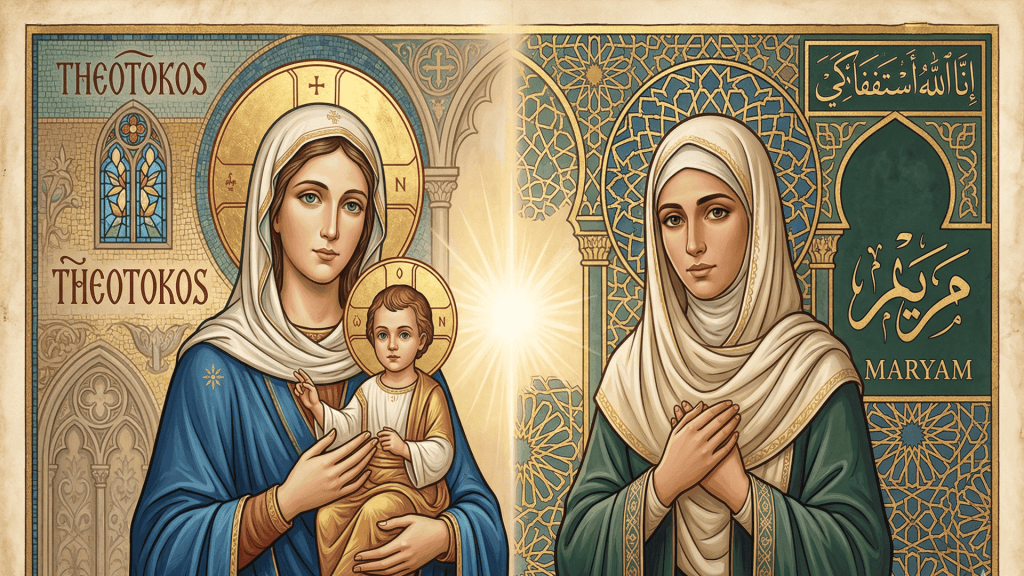
Moses and Pharaoh in Different Religions: Beliefs and Perspectives
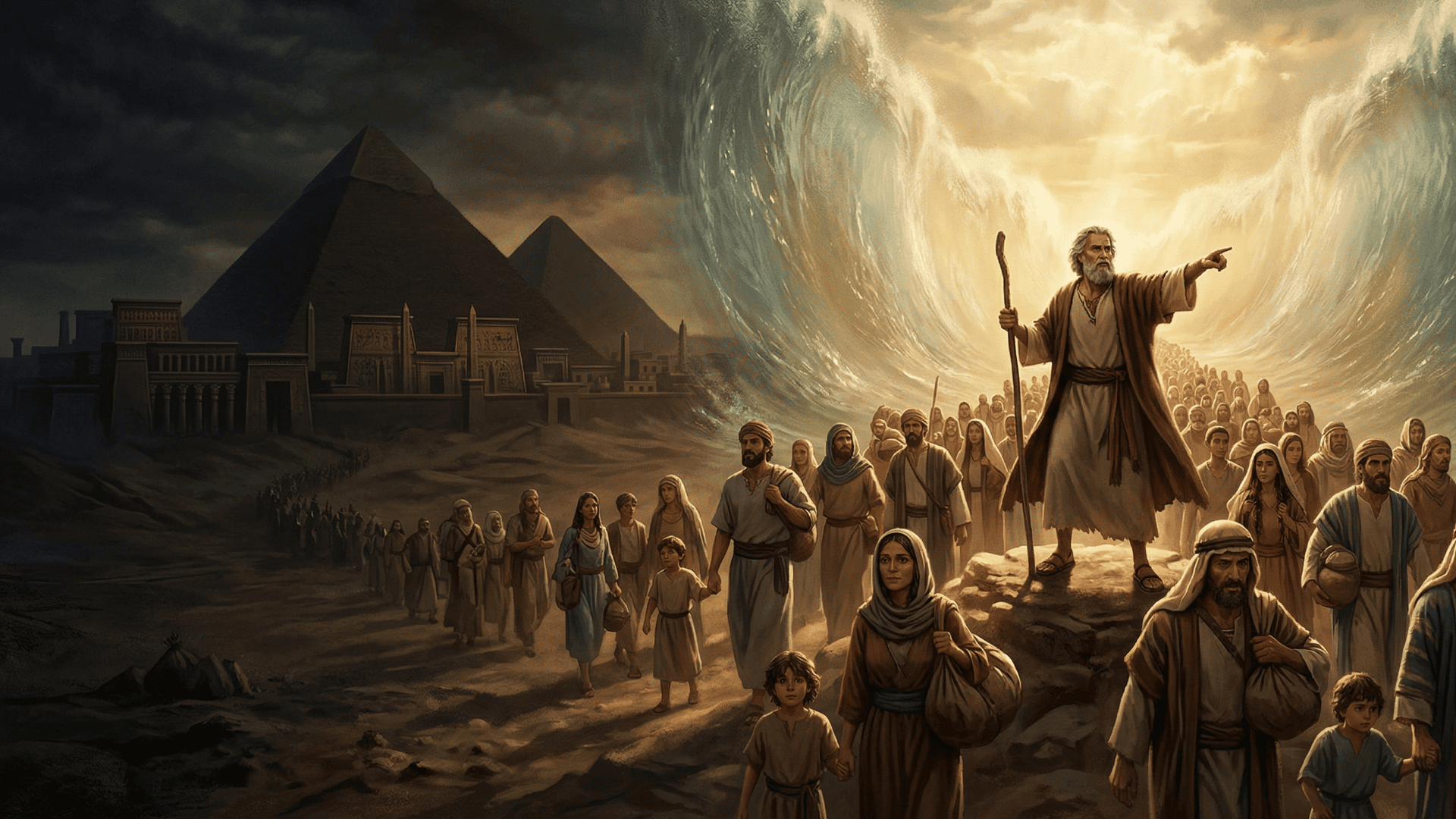
In world history and religious literature, certain stories have left a deep mark on human minds for thousands of years. Among these, the most influential and well-known is the conflict between Moses and Pharaoh. This story is not just a historical or mythical tale; it is a unique example of faith, liberation, arrogance, and the Creator’s power. Today, in this blog post, we will discuss in detail the significance of the story of Moses and Pharaoh in different religions. Let us get started.
Introduction
Looking back at history, we learn about many great individuals and tyrannical rulers whose lives offer valuable lessons. In religious texts, these stories are not merely tales but spiritual guidance for humanity.
Who were Moses and Pharaoh?
Moses is a highly important prophet and messenger in the world’s major monotheistic religions. He was born in ancient Egypt. According to religious texts, he was placed in a basket on the Nile River as a baby and later raised in Pharaoh’s palace. On the other hand, Pharaoh is not a specific person’s name but was a title for the kings of ancient Egypt. The Pharaoh mentioned in religious narratives was an extremely arrogant and cruel ruler who claimed to be a god and severely oppressed the Children of Israel (the Israelites).
Why the Story of Moses and Pharaoh is Important in Multiple Religions
This story is remembered with great importance in Judaism, Christianity, and Islam. The main reason is that this story teaches us that no matter how difficult the path of truth and justice may be, its ultimate victory is inevitable. The fate of the Pharaoh clearly shows that tyranny and arrogance lead to human downfall. This story has inspired oppressed people throughout the ages.
Understanding Religious Perspectives on Moses and Pharaoh
Each religion interprets this story through its own spiritual and theological framework. Although the core story remains the same, its message and focus can differ slightly across religions. We will discuss these perspectives step by step so you can get a comprehensive understanding.
Moses in Judaism
Moses holds the highest position in Judaism. Jewish people consider him their greatest teacher and leader.
Description of Moses in Judaism
In Jewish tradition, Moses is called “Moshe Rabbeinu,” which means “Moses our Teacher.” He was not just a prophet; he was a lawgiver, a leader, and a father figure to the Israelite nation. According to Jewish belief, God established His everlasting covenant with the Israelites through Moses.
Moses as the Greatest Prophet in Judaism
In Jewish theology, Moses is recognized as the greatest prophet of all time. According to the Hebrew Bible (the Tanakh), Moses was the only prophet who spoke directly to God face-to-face. Other prophets received divine messages through dreams or visions, but Moses’ communication with God was highly direct and clear.
The Story of the Exodus in Jewish Tradition
The event of leaving Egypt is known in Judaism as the “Exodus” or “Yetzias Mitzrayim.” This is the core foundation of Jewish identity. The liberation of the Israelites from Pharaoh’s slavery under the leadership of Moses is still celebrated by Jews today with great devotion and festivity. Their major religious festival, Passover, commemorates this event of liberation. During this time, they eat special foods and read the story of their ancestors’ slavery and freedom.
Moses Receiving the Torah at Mount Sinai
The centerpiece of Jewish belief is Moses receiving the Torah from God at Mount Sinai. The Torah is the sacred law and way of life for Jews. It is believed that God gave the Torah to Moses in both written and oral forms, which have been preserved generation after generation.
Moses in Christianity
Moses is also a highly revered figure in Christianity. He is mentioned many times in the New Testament.
Description of Moses in Christianity
Christians respect Moses as a great prophet and a servant of God. He delivered God’s law to the people. The life and works of Moses are described in great detail in the Old Testament of the Bible. To Christians, he is a deliverer who freed the Israelites from the chains of slavery.
Moses as a Prophet and Leader in the Bible
The Bible portrays Moses as an ideal leader who, despite many limitations, led a massive nation at God’s command. His patience, faith, and complete reliance on God serve as a great inspiration for Christians. The biblical Epistle to the Hebrews praises Moses’ faith.
Connection Between Moses and Jesus in Christian Teachings
In Christian theology, a deep connection is shown between Moses and Jesus Christ. Moses is often seen as a “type” or foreshadowing of Jesus. Just as Moses freed the Israelites from physical slavery, Christians believe Jesus freed humanity from the slavery of sin. Just as Moses brought the law from God, Jesus brought the message of the New Testament to fulfill that law.
Importance of the Ten Commandments in Christianity
The “Ten Commandments” received by Moses at Mount Sinai are one of the main foundations of the moral and spiritual life of Christians. Commandments like do not steal, do not murder, and honor your parents are still considered the standard of morality in Christian society today.
Moses in Islam
In Islam, Moses (Musa, peace be upon him) is a highly respected and honored prophet. His name is mentioned in the Holy Quran more often than that of any other prophet.
Description of Moses in Islam
In Islam, Moses is described as a deeply beloved servant and messenger of Allah. He is given the title “Kalimullah,” which means “the one who spoke with Allah.” He had a direct conversation with Allah on Mount Sinai (Tur), an event that bears witness to his special status in Islam.
Moses as One of the Greatest Prophets in Islam
In Islam, Moses is considered one of the “Ulul Azm” or prophets of firm resolve. This special status is given only to those prophets who faced immense hardships and tests while preaching the religion of Allah and maintained extreme patience.
The Story of Moses and Pharaoh in the Quran
The story of Moses and Pharaoh is described in great detail in various chapters of the Quran. Specifically, Surahs Al-Qasas, Taha, and Al-Araf highlight different aspects of this event. The Quran shows how Moses humbly called Pharaoh to the path of truth, and how Pharaoh rejected that call out of arrogance. This story is essentially a symbol of the eternal conflict between truth and falsehood.
Miracles of Moses Mentioned in Islamic Tradition
The Quran and Hadith mention several miracles (Mujizat) of Moses. The most famous among them is his staff, which turned into a giant snake when thrown, and his hand, which shone with a bright light when drawn out from under his arm. Additionally, his confrontation with the magicians and the parting of the Red Sea by Allah’s command are remembered with great importance in Islam.
Pharaoh in Judaism
The character of the Pharaoh in Judaism is portrayed entirely negatively, as the ultimate tyrant.
Description of Pharaoh in Jewish Tradition
In Jewish tradition, Pharaoh is the embodiment of cruelty, disobedience, and rebellion against God. He considered himself equal to a god and inflicted extreme torture on the Children of Israel. His heart was so hardened that he repeatedly denied the existence and power of God even after seeing the evidence.
Pharaoh’s Role in the Oppression of the Israelites
Pharaoh enslaved the Israelites and forced them to do the hard labor of building massive Egyptian cities. His most cruel order was the command to kill all newborn male children born in Israelite households. It was primarily due to this inhumane oppression that God sent Moses for their liberation.
The Plagues and the Exodus Story
According to the Jewish Bible, God unleashed ten terrible plagues on Egypt to teach Pharaoh a lesson and to free the Israelites. These included blood, frogs, lice, wild animals, livestock disease, boils, hail, locusts, darkness, and finally the death of the firstborn children. These plagues were essentially proof of the futility of Egyptian deities and the power of the one true God.
Pharaoh in Christianity
In Christianity as well, Pharaoh is interpreted as the result of arrogance and defiance of God’s will.
Description of Pharaoh in Christianity
From a Christian perspective, Pharaoh represents a sinful nature and worldly power that refuses to accept God’s authority. In the book of Romans in the New Testament, the Apostle Paul uses the example of Pharaoh to explain how God uses even hard-hearted rulers to accomplish His purposes.
Pharaoh as a Symbol of Arrogance and Disobedience
In Christian theology, Pharaoh is seen as the ultimate symbol of spiritual blindness and pride. Remaining stubborn in his position, even after repeatedly witnessing God’s miracles, shows how human arrogance leads one down the path of destruction.
Lessons for Christians from Pharaoh’s Story
Christians learn from this story that worldly power and wealth are temporary. No human can survive by going against God’s will. Pharaoh’s fate reminds them that humility and obedience to God are the right path.
Pharaoh in Islam
In Islam, Pharaoh’s story is presented as the most terrifying example of arrogance and disbelief (Kufr).
Description of Pharaoh in Islam
In the Quran, Pharaoh is described as an extremely arrogant, transgressive, and tyrannical ruler. He kept his subjects divided into different classes and exploited them heavily. His biggest crime was his public declaration that he himself was the greatest lord.
Pharaoh as an Example of Arrogance and Tyranny
Pharaoh’s pride was so great that he mocked Moses and instructed his minister, Haman, to build a towering structure so he could look for the God of Moses. In Islamic belief, such behavior is evidence of supreme ignorance and arrogance.
The Conflict Between Moses and Pharaoh in the Quran
The arguments between Moses and Pharaoh are beautifully illustrated in the Quran. When Moses showed him the signs of Allah, Pharaoh labeled him a magician. Even when the greatest magicians of Egypt were defeated by Moses’ miraculous staff and believed in Allah, Pharaoh threatened to cut off their hands and feet and crucify them.
Pharaoh’s Fate According to Islamic Belief
When Moses and his followers were crossing the Red Sea, Pharaoh chased them with his massive army. When the seawater parted to create a path, Pharaoh arrogantly entered that path. Then, by Allah’s command, the water came back together, and Pharaoh drowned along with his forces. According to the Quran, just moments before his death, Pharaoh declared his faith, but his repentance was not accepted at that time. However, the Quran mentions that Allah preserved his dead body as a sign for future generations.
Moses and Pharaoh in Other Religions
Beyond Judaism, Christianity, and Islam, this story also affects other religions and belief systems.
Interpretation of Moses in the Baha’i Faith
In the Baha’i Faith, Moses is considered a “Manifestation” of God. According to Baha’i belief, Moses was a great, divinely sent figure who brought divine law to advance the spiritual and social development of humanity at that time.
Moses as a Spiritual Teacher in Some Hindu and Interfaith Perspectives
Although there is no direct mention of Moses in Hinduism, in modern interfaith discussions, many Hindu scholars respect Moses as a great sage or spiritual teacher. His steadfastness on the path of truth and his struggle against injustice are seen as establishing Dharma, or righteousness.
Symbolic Interpretation of Pharaoh in Comparative Theology
Comparative theologians consider Pharaoh to be more than just a specific historical figure. According to them, Pharaoh symbolizes the inner human ego and materialism, the biggest obstacles on the path to spiritual liberation.
Comparing Religious Perspectives
There are many similarities and a few subtle differences in the narratives of Moses and the Pharaoh across the three major Abrahamic religions.
Similarities in the Story of Moses and Pharaoh
In all these religions, Moses is acknowledged as a great leader chosen by God who freed an oppressed nation. Similarly, Pharaoh is seen in all religions as a symbol of arrogance, cruelty, and disobedience to God. Miracles such as the staff turning into a snake, the plagues, and the parting of the Red Sea are described similarly across all religions.
Key Differences Between Jewish, Christian, and Islamic Accounts
The differences lie primarily in theological focus. In Judaism, the main focus of this story is the receiving of the Torah at Mount Sinai and God’s covenant with the Israelites. In Christianity, Moses is seen more as an allegory for the coming of Jesus Christ and the message of salvation. On the other hand, in Islam, this story focuses more on conveying the message of Tawhid (Monotheism) and serving as a universal warning about the inevitable fall of arrogant rulers.
Common Moral Lessons from Moses and Pharaoh
All religions agree that this story teaches humility, complete faith in God, and the importance of standing up for justice. It proves that no matter how strong tyranny is, it can never last forever.
Historical Perspective
Alongside religious beliefs, historians and archaeologists have conducted extensive research into the story of Moses and the Pharaoh. You can also look for information on trusted websites, such as History.com, to learn more about ancient history in detail.
What Historians Say About Moses and the Exodus Story
There is considerable debate among historians about the Exodus. No clear evidence of Moses or a mass departure of Israelites from Egypt has been found in the direct records of ancient Egypt. However, many scholars believe that ancient history was largely written to describe the victories of kings, so it is natural that they would not record humiliating events, such as defeats or slaves’ escapes, in their records.
The Ancient Egyptian Context Behind Pharaoh’s Story
In ancient Egypt, the Pharaoh was worshipped as the embodiment of the god Horus. The concept of “Ma’at,” or cosmic order, was prevalent in Egyptian society, and the Pharaoh was considered its protector. So when Moses challenged Pharaoh’s authority, it was not just a political rebellion; it was a strike at the heart of ancient Egypt’s religious and social structure.
Archaeological Debates Regarding Moses and Pharaoh
A major question among archaeologists is who the Pharaoh was during Moses’ time. Many scholars believe the famous Pharaoh Ramesses II was the Pharaoh during the Exodus. Others think it might have occurred during the reign of Pharaoh Merneptah, as an ancient stone slab known as the Merneptah Stele mentions the word “Israel,” indicating the presence of Israelites in the Canaan region at that time.
Moral and Spiritual Lessons
This ancient story is not just of the past; it carries a lot of guidance for our present lives as well.
Leadership Lessons from Moses
We can learn true leadership qualities from Moses’ life. He did not covet power or wealth. He was extremely humble and patient. Even in the face of hundreds of adversities and complaints from his own people, he did not deviate from his goal. The degree of tolerance and vision a leader needs is clearly evident in Moses’ character.
The Danger of Arrogance and Oppression in Pharaoh’s Story
Pharaoh’s fate reminds us that arrogance is the root cause of downfall. When excess power falls into human hands, and one begins to think of oneself as all-powerful, one’s sense of judgment diminishes. Pharaoh’s blind arrogance brought about the destruction not only of himself but of his entire army. This is a great warning for dictators of any era.
Why the Exodus Story Still Inspires People Today
The story of leaving Egypt has acted as an inspiration in anti-slavery and civil rights movements throughout the ages. Whenever people have been victims of oppression, they have found hope in the story of Moses that no matter how deep the darkness is, the light of freedom will surely come one day.
Frequently Asked Questions (FAQ)
Here are answers to some common questions about Moses and the Pharaoh.
Which religions believe in Moses?
Moses is primarily believed in and respected by the three major Abrahamic religions. These are Judaism, Christianity, and Islam. Additionally, some other religions, such as the Baha’i Faith, acknowledge him as a great figure sent by God.
Is Pharaoh mentioned in the Quran and the Bible?
Yes, Pharaoh is mentioned in great detail in both the Holy Quran and the Bible. In both texts, he is presented as a tyrannical ruler and the main opponent of Moses.
Why is Moses important in Islam, Christianity, and Judaism?
In Judaism, he is the lawgiver and a father-figure leader of the nation. In Christianity, he is important as a foreshadowing of Jesus and a servant of God. And in Islam, he is a great prophet of Allah (Ulul Azm) who struggled against an arrogant ruler to establish Monotheism.
Were Moses and Pharaoh real people?
From a religious perspective, Moses and the Pharaoh are historical figures. However, there is debate among secular historians and archaeologists regarding many details of their story because direct mentions in Egyptian records are hard to find. Still, many scholars believe there is a strong historical foundation behind this narrative.
What moral lessons can be learned from the story of Moses and Pharaoh?
The main moral lesson of this story is that the fall of arrogance and tyranny is inevitable. At the same time, it teaches us that even in moments of extreme danger, if one maintains complete trust in the Creator and remains steadfast on the path of truth, their victory is certain.
Conclusion
From our lengthy discussion, it is clear that the story of Moses and Pharaoh is one of the greatest and most educational narratives in human history.
Final Thoughts on Moses and Pharaoh in Different Religions
Although each religion evaluates this story from its own perspective, the core essence is the same for everyone. Moses is the beacon of light who showed the path of freedom to a nation, piercing through the heart of darkness. And Pharaoh is the symbol of that darkness, which is born from human greed and the lust for power.
Understanding Common Religious Narratives Among Different Religions
Understanding such common narratives is highly necessary for maintaining interfaith harmony. When we see that Jews, Christians, and Muslims hold respect for the same prophet and learn lessons from the fate of the same tyrant, it creates a bridge of unity among us. Despite our different faiths, this story helps us realize how closely intertwined the roots of our moral values are.
Why the Story of Moses and Pharaoh Remains Influential Today
Even in today’s modern world, where conflicts over power, politics, and ordinary people’s rights are constant, the story of Moses and Pharaoh is as relevant as ever. It reminds us that no matter how vast a tyrant’s power may be, it is never permanent. Human false arrogance is bound to turn to dust one day before truth, justice, and divine power.
I hope that by reading this blog post, you have gained a clear, detailed understanding of the perspectives and beliefs about Moses and the Pharaoh across different religions. Stay with us to learn more fascinating facts about history and religion.