Easy Guide to Healthy Eating Without a Strict Diet
The idea that you have to give up all your favorite foods to stay healthy is very outdated. Many people still believe that healthy eating means consuming bland food and following a maze of rigid rules. But to be completely honest, you do not need to punish yourself to live a beautiful and healthy life.
In today’s comprehensive guide, we will discuss exactly how you can eat healthy without following any strict rules or rigid diet plans. These methods will make your life easier and make your wellness journey last a lifetime. Let us get started.
What Does It Really Mean to Eat Healthy Without a Strict Diet?
Eating healthy does not mean you have to starve yourself. The true meaning of healthy eating is providing your body with the essential nutrients it needs to thrive. You need to choose foods that provide your body with energy and naturally boost your immune system.
Eating healthy without a strict diet means building a positive relationship with your food. You will eat all types of food, but you will pay attention to the portions. In this approach, no food is completely forbidden or off-limits.
The most important thing is understanding which foods are good for your body and which should be eaten in moderation. This is not a temporary project. It is a long-term lifestyle.
Why Strict Diets Often Fail in the Long Run
Strict diets might help you lose weight temporarily, but they are almost impossible to maintain in the long run. When you completely stop eating a specific food, your physical and mental craving for that food increases significantly.
As a result, people often become frustrated and end up eating a large amount of unhealthy food all at once. Moreover, consuming very few calories slows down your body’s metabolism. This makes losing weight even harder over time.
Due to physical and mental exhaustion, people eventually give up on the diet altogether. Therefore, depriving yourself can never be a permanent solution for health or weight loss.
The Psychology Behind Sustainable Healthy Eating
Our eating habits depend heavily on our mental state. To build a sustainable eating habit, you must change your perspective on food. You need to accept food as a friend rather than viewing it as an enemy.
When we eliminate negative thoughts and focus positively on nutrition, choosing healthy food becomes much easier. Eating food with guilt increases mental stress, which is very harmful to the body.
That is why it is essential to enjoy your food as you eat. If you learn to love your body and step out of the mindset of punishing yourself, your eating habits will naturally improve.
How to Build a Balanced Diet Without Any Restrictions
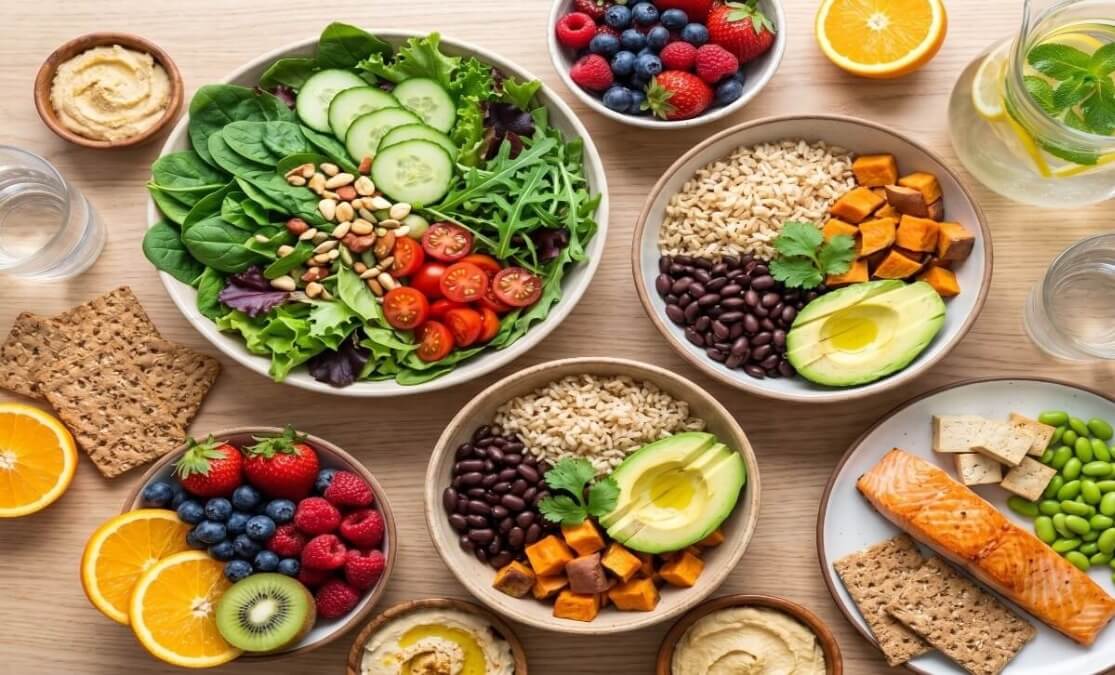
To create a balanced diet, you need to pay attention to all types of nutritional elements. Fill half of your plate with fresh vegetables and fruits. Fill the remaining half with protein and complex carbohydrates.
Maintaining variety in your meals is extremely important. Instead of eating the same foods every day, try eating a variety of colorful vegetables and fruits. This ensures your body gets a wide range of vitamins and minerals.
According to the Harvard School of Public Health, including whole grains and healthy fats is essential for creating a healthy plate. This will help you ensure proper nutrition without trapping you in a cage of specific rules.
Understanding Portion Control Without Overthinking Calories
Counting calories can be very exhausting. Instead of tracking every number, you can follow simple portion-control methods. You can easily determine food portions using the size of your hand.
For example, a palm-sized portion of protein, a fist-sized portion of carbohydrates, and two handfuls of vegetables are usually enough for one meal. This completely frees you from the hassle of counting calories.
Listen to your stomach while eating. Stop eating when your stomach feels about 80 percent full. This small habit works wonderfully to reduce the tendency to overeat.
The Importance of Whole Foods in Daily Nutrition
Whole foods refer to foods that have not been processed or have been minimally processed. Examples include fresh fruits, vegetables, nuts, seeds, and whole grains. These foods are packed with fiber and essential nutrients.
Compared with packaged or processed foods, whole foods provide the body with more sustainable energy. They take time to digest, which keeps your stomach full for longer. This naturally reduces your attraction to unhealthy snacks.
Try to keep at least 80 percent of your daily diet as whole foods. The World Health Organization (WHO) highly recommends consuming an adequate amount of whole foods daily for optimal health.
How to Choose Healthy Foods Without Giving Up Your Favorites
Giving up your favorite foods completely is not realistic. Instead, you can follow the ’80/20 rule’ for a balanced approach. This means 80 percent of your daily calories will come from nutritious foods, and the remaining 20 percent can come from your favorite treats.
By doing this, you will be able to enjoy your favorite sweets or snacks without guilt. The main goal here is to maintain a healthy balance.
If you eat something heavy or less nutritious for lunch, just choose something light and healthy for dinner. These small adjustments will keep you mentally satisfied and physically on track.
Smart Alternatives for Your Favorite Unhealthy Foods
With a few small changes, your favorite foods can become much healthier. For example, instead of deep-fried potato chips, you can eat oven-baked sweet potato chips. They are both delicious and highly nutritious.
Instead of sugar-heavy desserts, fresh fruits or dark chocolate can be fantastic alternatives. Choose brown rice or whole wheat flour instead of white rice or refined flour. These options are rich in dietary fiber.
You can drink lemon water or coconut water instead of sugary soft drinks. These smart substitutions will satisfy your taste buds and keep your body perfectly healthy.
How to Eat Mindfully and Enjoy Every Meal
Mindful eating is an excellent and transformative habit. Put away your TV or mobile phone while eating. Give your full attention to the food on your plate.
Try to genuinely feel the taste, smell, and color of the food. Eat your food slowly and chew it properly. This simple practice helps significantly improve your digestive system.
When you eat slowly, your brain receives the signal that your stomach is full at the right time. As a result, the chances of overeating decrease greatly, and you get full satisfaction from every single meal.
The Role of Protein, Carbohydrates, and Fat in a Balanced Diet
Every macronutrient in our body has a very specific job. Protein helps build and repair our muscles. Foods like eggs, fish, meat, lentils, and nuts contain plenty of high-quality protein.
Carbohydrates are the primary source of energy for our bodies. Choosing complex carbohydrates like brown rice, oats, and sweet potatoes is great for your health. They keep your blood sugar levels perfectly stable.
Fats are essential for hormone production and vitamin absorption in the body. We can get healthy fats from olive oil, avocados, and fatty sea fish. The correct mixture of these three elements creates a truly balanced diet.
How to Create a Flexible Meal Plan That Actually Works
An effective meal plan should never be too rigid. Before the week starts, you can make a rough list of what you are going to eat. This will save you from choosing unhealthy food at the very last minute.
However, there must be flexibility in this plan. If you do not feel like eating according to your plan on a certain day, do not worry about it. Just whip up a simple, healthy alternative meal instead.
Always keep some healthy snacks or fruits handy at home. This will help you eat nutritious food even during your busiest times.
Healthy Eating on a Budget: Simple and Realistic Tips
Healthy food does not always mean expensive food. Seasonal fruits and vegetables available in local markets are usually much cheaper and fresher. Choose local fruits over expensive imported ones.
Lentils, chickpeas, and eggs are very good, inexpensive sources of high-quality protein. You can easily prepare highly nutritious meals using these simple ingredients.
Buying food in larger quantities or shopping at wholesale markets can significantly reduce your expenses. With a little bit of planning, it is totally possible to eat great quality food on a tight budget.
How to Handle Food Cravings Without Guilt
Having a sudden, intense craving for unhealthy food is very normal. Do not blame yourself when this happens. Sometimes, a lack of water in the body can trigger these types of cravings. Therefore, drink a glass of water first.
If you still feel like eating it after that, eat a small portion. Eating one piece of chocolate will not ruin your overall diet.
Just make sure you are not eating because of a bad mood or mental stress. If you learn to manage your emotions, these types of cravings will decrease considerably over time.
The Importance of Drinking Enough Water for Healthy Eating Habits
There is nothing new to say about how necessary water is for our bodies. Drinking enough water every day boosts digestion and flushes toxins from the body.
We often mistake our thirst for hunger and eat food unnecessarily. So, when you feel hungry, try drinking some water first to see how you feel.
According to experts at the Mayo Clinic, an adult should drink at least eight to ten glasses of water daily. Keeping a water bottle with you at all times will help you build this essential habit.
How to Eat Out Without Breaking Healthy Habits
It is entirely possible to maintain healthy habits even when dining at a restaurant. Instead of fried or overly oily foods from the menu, choose grilled, baked, or boiled options.
Do not forget to order a salad or a side of vegetables with your meal. This will add vital nutrition to your plate and help fill your stomach.
The portion sizes of restaurant meals are usually quite large. So, you can share the meal with your companion, or simply eat half and take the rest home for later.
Common Mistakes People Make When Trying to Eat Healthy
The biggest mistake people make is skipping breakfast or lunch. Many think that starving will help them lose weight. But this actually harms the body and increases the tendency to overeat later in the day.
Another common mistake is the “all-or-nothing” mindset. If a diet does not go perfectly for one day, many people give up completely and continue eating unhealthy food for several days.
Completely removing fats or carbohydrates from your diet is also a massive mistake. The body needs all types of nutrients to stay truly healthy.
How to Maintain Consistency Without Feeling Restricted
The best way to maintain consistency is to set small, manageable goals. Instead of making many changes all at once, build one good habit step by step.
Do not pay too much attention to the needle on the weighing scale. Instead, notice how your energy levels are, whether you are sleeping well, and whether your clothes are fitting more comfortably than before.
Celebrate every small success along the way. Reward yourself for your good choices. This will keep you highly motivated and prevent you from feeling restricted.
The Role of Physical Activity in a Healthy Lifestyle
Eating good food alone is not enough; keeping the body active is equally important. Exercise boosts your natural metabolism and significantly reduces mental stress.
This does not mean you have to spend hours sweating in the gym. Simple activities like walking, cycling, or swimming for at least 30 minutes every day are incredibly beneficial.
You can also join a sports team or a dance class that you love. Choose an activity that brings you joy. Then it will easily become a natural part of your daily routine.
How to Break Free from Diet Culture Thinking
Diet culture teaches us that our bodies should look a certain, specific way. It is very important to break free from this harmful mindset entirely.
Unfollow social media accounts that promote unrealistic physical standards. Be kind to your body and be grateful for all the wonderful things it helps you do every single day.
Your true value does not depend on your physical weight. Instead of viewing wellness strictly as a physical state, embrace it as a holistic feeling of well-being.
Simple Daily Habits That Improve Your Eating Habits
Alongside your diet, other daily habits strongly impact your health. Ensure you get at least 7-8 hours of deep sleep every night. Adequate sleep helps maintain hormone balance, which naturally regulates your hunger.
You can practice meditation or yoga to reduce mental stress. Excessive stress is one of the main factors driving us to eat unhealthy comfort foods.
Try to eat your meals at specific times every day. If you follow a routine, your digestive system functions much better, and you will not feel hungry for no reason.
Frequently Asked Questions About Healthy Eating Without Strict Diets
Can I eat healthy without following a strict diet plan?
Yes, absolutely. By building a balanced and flexible eating habit, you can live a healthy life without any rigid rules. Eating in moderation and choosing whole foods is the real key here.
What is the easiest way to start healthy eating habits?
The easiest way is to add more fruits and vegetables to your daily meals and to drink plenty of water. Start your journey with these small, manageable changes.
Do I need to count calories to stay healthy?
No, counting calories is not mandatory at all. Understanding your body’s hunger signals and learning to control proper food portions is much more effective.
How can I reduce my cravings for unhealthy foods?
Eating balanced meals regularly and keeping your body hydrated naturally reduces cravings for unhealthy foods. Consuming adequate protein and fiber keeps your hunger firmly under control.
Is it okay to eat junk food occasionally?
It is completely fine. Having balance in your eating habits is essential. Enjoying your favorite treats occasionally is good for your mental health and keeps you on track in the long run.
How do I maintain consistency in healthy eating?
Set realistic goals for yourself. Instead of trying to be perfect, try to do a little bit better every single day. Do not give up just because of a small setback.
What are the best foods for a balanced diet?
Fresh vegetables, fruits, whole grains (like oats and brown rice), lean proteins (like fish, chicken, eggs, and lentils), and healthy fats (like nuts and olive oil) are the absolute best foods.
Can I lose weight without a strict diet?
Yes. By eating nutritious whole foods, controlling portion sizes, and engaging in regular physical activity, you can safely lose weight without any strict or punishing diet.
Conclusion
Final Thoughts on Building a Healthy Lifestyle Without Strict Diets
Eating healthy is not a punishment; it is a beautiful way to express love for yourself. When you free yourself from the mindset of strict diets, you will see how easy it is to actually enjoy your food. Every person’s body is different, so one specific rule does not work for everyone. Finding out what works best for your unique body is the ultimate goal. Without depriving yourself, create a beautiful and sustainable balance between nutrition and taste.
Key Takeaways for Long-Term, Sustainable Healthy Eating Habits
The biggest lesson here is that consistency is far more important than perfection. If you overeat one day or have a slightly unhealthy meal, your entire effort does not fail. Just return to your healthy routine at the very next meal. Drink plenty of water, eat mindfully, and keep your body physically active. These simple but powerful habits will not only make your life healthier but also make you a much happier and more vibrant person. Let your journey to wellness start today, simply and beautifully.