Black Cumin Seeds (Kala Jeera): A Complete Guide
Many ingredients hidden in our everyday kitchen spice racks not only enhance the taste of food but are also incredibly beneficial for our health. One such wonderful spice is black seed. For ages, it has held a special place in our culinary arts and traditional medicine.
For those of you who are health-conscious and rely on natural ingredients, black seed is an invaluable gem. The nutritional and healing power contained in these small black seeds is truly amazing.
In today’s blog post, we will discuss everything you need to know about black seed. We will learn detailed information about its history, nutritional value, and use in cooking. Let us get started.
What is Black Seed?
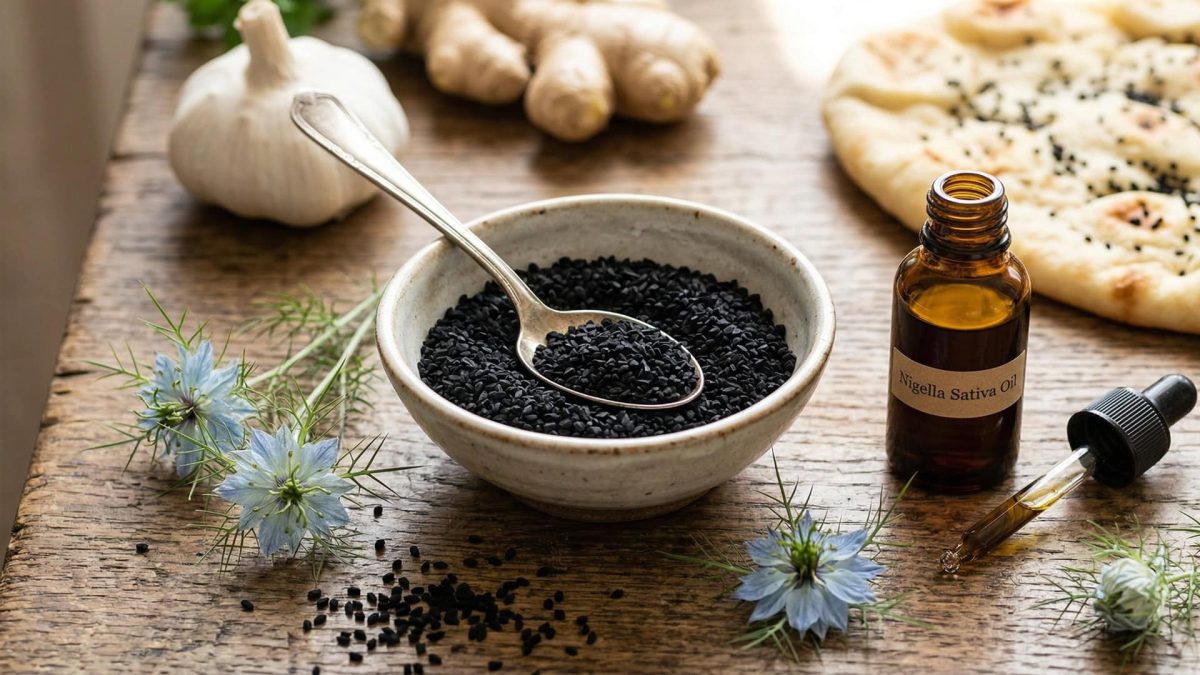
Black seed is a type of small, black, triangular seed. It is basically the seed of an annual plant called Nigella sativa. ..It is a highly popular spice in South Asian, Middle Eastern, and North African cuisines.
It is widely used to add a beautiful aroma and a slightly bitter taste to food. ..It is one of the main ingredients of the Bengali spice blend known as panch phoron.
Not just in cooking, its use in traditional herbal medicine has been ongoing since ancient times. Many call it a panacea for all diseases. Due to its medicinal properties, it has also attracted the attention of modern scientists.
Black Cumin vs. Black Seed: Understanding the Difference
Many people get a little confused between black cumin and black seed. Although these two names are often used synonymously, there can be subtle differences between them.
Usually, what is called black seed or black caraway in English is scientifically known as Nigella sativa. In our region, it is most commonly known as kalo jira.
On the other hand, there is another spice sometimes called shahi jira. Its scientific name is Bunium persicum. Shahi jira looks like regular cumin but is slightly darker. It is mainly used in Mughlai or rich dishes.
Therefore, when you think of herbal benefits or the spices of panch phoron, it is definitely Nigella sativa, or our very familiar black seed. In this guide, we will discuss Nigella sativa in detail.
History and Traditional Uses of Black Seed
The history of black seed is very ancient and rich. It has been intertwined with human civilization for thousands of years.
It was widely used in ancient Egypt. Black seed was even found inside the tomb of the ancient Egyptian Pharaoh Tutankhamun. It is believed to have been given so that the pharaohs would remain healthy in the afterlife.
It is mentioned in Ayurveda as a very powerful herb. Ayurvedic practitioners used it to cure digestive problems, shortness of breath, and body aches.
Black seed also has a special place in Islamic tradition. It is considered a highly blessed seed. It is believed to cure all diseases except death.
Botanical Profile of Black Seed
To deeply know any herbal ingredient, it is necessary to know its botanical identity. This helps us understand its origin and effectiveness.
Scientific Background
The scientific name of black seed is Nigella sativa. It is a plant in the family Ranunculaceae.
This plant usually grows up to 20 to 30 centimeters tall. Its leaves are quite fine and linear.
The flowers look very beautiful. Usually, the flowers are light blue or white. Inside these flowers, small capsule-like fruits grow that contain black seeds.
Appearance and Aroma
Black seeds are quite small. They are deep black and look somewhat triangular or curved, like a moon.
Its aroma is quite strong and unique. If you crush a seed with your fingers, you will get a kind of pungent smell.
Its taste is somewhat bitter and spicy. Many describe its taste as a mixture of onion, oregano, and black pepper.
Where Black Seed is Produced
Black seed grows best in warm and dry weather. Therefore, it is widely cultivated in certain regions of the world.
It is mainly produced in South Asia, the Middle East, North Africa, and Southern Europe. India, Bangladesh, Pakistan, Syria, Turkey, and Egypt have large areas under cultivation.
It is also widely cultivated in our country during the winter. This plant grows very well, especially in loamy soil.
Nutritional Value of Black Seed
Although black seed is small, it is a nutritional powerhouse. It contains almost all the nutrients the body needs.
Calories and Macronutrients
Black seed contains a good amount of fat, protein, and carbohydrates. One tablespoon of black seed contains about 45 calories.
It contains good-quality dietary fiber. This fiber helps keep our digestive process healthy.
In addition, it contains healthy fats. These fatty acids are absolutely necessary for our bodies, and they prevent the accumulation of bad cholesterol.
Essential Oils and Active Compounds
The most important component of black seed is its essential oil. Its real magical power is hidden inside this oil.
Its main active compound is called Thymoquinone. It is an extremely powerful antioxidant.
It also contains compounds like thymol, nigellone, and carvacrol. These compounds work together to relieve inflammation and destroy germs.
Vitamins and Minerals
Black seed contains plenty of important vitamins and minerals. It helps meet our daily nutritional needs.
It is rich in iron, calcium, potassium, and zinc. Iron eliminates anemia, and calcium strengthens bones.
It also contains Vitamin A, Vitamin C, and B-complex vitamins. These vitamins are very beneficial for our skin, hair, and overall health.
Antioxidants and Phytochemicals
The free radicals constantly produced in our bodies damage cells. The antioxidants in black seed destroy these free radicals.
It contains various types of phytochemicals that help prevent chronic diseases. Regular consumption of black seed reduces oxidative stress in the body.
Multiple studies in the National Library of Medicine have shown that the antioxidants in black seed may help reduce the risk of complex diseases such as cancer and diabetes.
Health Benefits of Black Seed
It is difficult to finish listing the health benefits of black seed. It benefits various organs of the body, from the head to the toes.
Improves Digestion
Black seed works wonderfully in solving digestive problems. It helps relieve stomach gas, bloating, and indigestion.
Chewing a little black seed after meals or drinking its tea helps digest food quickly. It relaxes the stomach muscles and increases the secretion of digestive enzymes.
For those suffering from chronic constipation, it can be an excellent natural solution.
May Help Improve Metabolism
A good metabolism is very important for a healthy body. Black seed helps increase our metabolism rate.
Improved metabolism means the body can quickly produce energy from food. It also indirectly helps with weight loss.
Consuming black seed oil or powder mixed with warm water on an empty stomach in the morning provides the body with energy throughout the day and keeps metabolism active.
Rich in Antioxidants
As mentioned earlier, black seed is a huge repository of antioxidants. It removes harmful toxins from the body.
Antioxidants keep our skin fresh and prevent signs of aging. It prevents premature cell death.
Along with the skin, its antioxidants are highly beneficial for our hair. It strengthens the hair roots and reduces hair fall.
Helps Boost Immunity
Our immune system is the body’s own doctor. Black seed plays a great role in strengthening the immune system.
Regular consumption of black seed reduces the tendency to get frequent colds, coughs, or fevers. It helps increase white blood cell production.
Especially during seasonal changes, when the incidence of bacterial and viral infections increases, it acts as a shield for the body.
May Improve Respiratory Health
Black seed has proven to be extremely beneficial for patients with asthma. It helps normalize breathing by reducing airway inflammation.
It has a bronchodilator effect. This means it can expand constricted airways.
If there is chest congestion or a severe cough, inhaling the steam of hot water mixed with black seed oil provides quick relief.
Maintains Heart Health
Black seed is unparalleled in maintaining heart health. It helps reduce the levels of bad cholesterol and triglycerides in the blood.
At the same time, it plays an effective role in controlling high blood pressure. As a result, the risk of heart attacks and strokes decreases.
According to Healthline experts, healthy fats help prevent plaque from building up in blood vessels. As a result, blood circulation remains normal.
Black Seed and Traditional Medicine
Our grandmothers have used black seed remedies for any illness since childhood. Its use as a traditional medicine is equally popular today.
In the old days, if someone got hurt, black seed was boiled in mustard oil, and the oil was massaged in. It quickly reduces muscle and joint pain.
During a headache, tying black seed in a cloth and inhaling its scent often provides quick relief. For toothaches, the tooth can be boiled in water, and the water can be used for gargling.
Black Seed for Digestion and Detox
Many people use expensive supplements to clean or detox the body from the inside. Yet this work can be easily done with black seed.
To make a detox drink, mix half a teaspoon of black seed powder, a spoonful of lemon juice, and a little honey in a glass of lukewarm water. Drinking this every morning keeps the liver healthy.
It keeps our intestinal health good. A healthy gut means a healthy body and a cheerful mind.
Methods of Using Black Seed in Cooking
Black seed not only works as a medicine but also elevates the taste and aroma of food in cooking.
In Rice and Biryani Dishes
Sometimes black seed is used to bring a different flavor to plain rice or pulao. When the rice starts to boil, sprinkling a little black seed creates a wonderful aroma.
Many people use it in powdered form as a spice in biryani or tehari. It deepens the meat’s flavor and makes it more delicious.
If you want, you can sprinkle a little roasted black seed on top just before serving, after cooking the rice.
In Curries and Lentils
In Bengali cuisine, black seed is commonly used in vegetarian curries and fish stews. Especially in any dish of potatoes or eggplants, there is no alternative to tempering.
At the end of cooking masoor dal (red lentils), tempering with black sesame seeds and dried red chilies in a little mustard oil enhances the dal’s flavor.
Adding it to any stew-type cooking makes the broth slightly thicker and gives a very beautiful rustic flavor.
In Spice Blends and Seasonings
The most famous spice blend in the Bengali kitchen is panch phoron. This panch phoron is made by combining black seed with cumin, fennel, fenugreek, and radhuni.
This mixture creates a strange, magical taste in cooking. Besides, you can grind dry-roasted black seeds in your own way and use them as a seasoning in salads or soups.
It is also an essential ingredient in making various types of pickles and chutneys. It helps keep the pickle fresh for a long time and enhances its taste.
As an Ingredient for Tempering
The practice of tempering or “tarka” in the Indian subcontinent is very old. The beautiful aroma that spreads immediately upon adding black seed to boiling oil makes any ordinary food extraordinary.
Before putting it in the oil, rub it lightly in the palm of your hand to help its essential oils release properly.
However, be careful not to fry it for too long in very hot oil. This can cause it to burn and give the food a bitter taste.
Popular Recipes Using Black Seed
It is easy to make some healthy, delicious food at home using black seed. Ideas for some popular recipes are given below.
Spiced Rice (Pulao)
You can easily make a different-tasting pulao with black seed. First, heat ghee in a pan and temper it with cinnamon, cardamom, and one teaspoon of black seed.
Now add basmati rice (washed and drained beforehand) and fry for a while. Cover with the required amount of hot water and salt.
When the water has dried up and the rice has boiled, sprinkle some fried onions (beresta) on top and serve hot black seed pulao.
Lentil Curry
You can try this recipe to make any lentil cooking special. Boil moong or masoor dal well.
In another pan, heat mustard oil and add half a teaspoon of black seed, chopped garlic, and green chilies.
When the garlic turns slightly reddish, pour in the boiled dal. Sprinkle a little chopped coriander leaves before taking it off the stove. It will taste great to eat with hot rice.
Stir-fried Vegetables
Fried potatoes or any fried vegetables with black seed make an excellent breakfast with roti or paratha.
Heat oil in a pan and temper with black seed. Now add cubed potatoes or mixed vegetables. Stir with a little turmeric and salt.
Keep covered on low heat until the vegetables are boiled. You can sprinkle a little lemon juice if you want.
Herbal Extracts and Tea
Black seed tea is very beneficial for relieving colds and coughs, as well as for relaxation. Boil one teaspoon of black seed in two cups of water for five minutes.
When the water reduces a bit, strain it into a cup. Mix half a teaspoon of ginger juice with a spoonful of honey, then drink.
It will quickly relieve your sore throat and bring back freshness to your body.
Black Seed vs. Regular Cumin: Key Differences
Many people may wonder what the difference is between regular cumin and black seed. These two are entirely different plant species.
Regular cumin is brownish or yellowish, and its seeds are elongated. Its aroma is much milder, and it is used as a base spice for any curry.
On the other hand, Nigella sativa is jet black and quite small. Its taste is quite strong and pungent. It is generally used more as a tempering or garnishing agent.
Black Seed vs. Fennel: A Comparison
Black seed has no direct relationship with fennel either. Fennel seeds are light green, and their taste is quite sweet.
Fennel is eaten after meals as a mouth freshener, and it can be used in sweet dishes.
On the other hand, the taste of black seed is somewhat bitter, and it is more suitable in salty or spicy dishes. However, these two ingredients work wonderfully together in panch phoron.
Potential Side Effects and Precautions
Excessive use of any beneficial thing can cause harm. It is necessary to take some precautions with black seed as well.
Concerns of Overconsumption
Eating black seed in excessive amounts can cause heartburn or acidity. Its nature is quite warm, so eating too much can cause discomfort.
Generally, half to one teaspoon of black seed per day is enough for an adult. It should not be consumed beyond this regularly.
Those who rely regularly on medication should consult a doctor before taking any herbal supplement in high doses.
Allergic Reactions
Although very rare, some people may have an allergy to black seed. Applying it to the skin or eating it can cause rashes, itching, or redness.
Therefore, before using black seed oil on the skin for the first time, a patch test is recommended.
In the case of eating as well, you should eat a very small amount initially to see if there is any adverse reaction.
Who Should Take Precautions
Pregnant women should refrain from eating excessive black seed. It can cause uterine contractions, which is risky during pregnancy.
Those whose blood sugar levels are very low (hypoglycemia) or who take strong medications to lower high blood pressure should consume it carefully. Because it can lower blood pressure and sugar levels.
Consumption of black seed should be stopped at least two weeks before any surgery or operation, as it can affect blood clotting.
How to Choose High-Quality Black Seed
To get the best results, it is always important to buy quality products. A few things to keep in mind when buying black seed.
Make sure the seeds are deep black and shiny. Grey or pale colored seeds may be too old or adulterated.
You can smell it a little before buying. The smell of fresh black seed will be very strong and pungent.
Always try to buy well-packaged spices from reliable stores or supermarkets. Loose spices are often mixed with dust.
Proper Storage Tips for Maximum Freshness
Proper storage is essential to maintain the quality and aroma of spices. This rule also applies to black seed.
Always store it in a clean, completely dry glass or an airtight food-grade plastic jar. If air enters, its essential oils may evaporate.
The jar must be kept away from heat, from the stove, and from direct sunlight. Excessive heat ruins the spice’s taste.
If you want, you can buy it in bulk and keep it in the refrigerator’s normal compartment. This will keep the spice fresh and free of fungus for a long time.
Frequently Asked Questions About Black Seed
People have various questions about the use and benefits of black seed. Answers to some such common questions are given below.
Can Black Seed Be Used Daily?
Yes, it is perfectly safe to use black seed in moderate amounts every day. You can safely eat half a teaspoon to one teaspoon every day. It can be eaten in cooking or as tea.
Is Black Seed Good for Digestion?
Absolutely. It stimulates the digestive system and helps reduce stomach gas or bloating. Its fiber is also great for relieving constipation.
What is the Best Way to Use Black Seed?
To get its best benefits, you can chew a pinch of black seed with lukewarm water on an empty stomach in the morning. Besides, it is highly healthy to eat it scattered over salads or as a tempering in cooking.
Final Thoughts on Black Seed
Nature has gifted us many invaluable ingredients to stay healthy. Black seed is one of those extraordinary gifts.
Key Takeaways
We have seen how this little seed has been used in our diets and medicine for thousands of years. Its nutritional value, vitamins, antioxidants, and immunity-boosting capabilities make it unique.
Why Black Seed is a Valuable Culinary and Wellness Spice
From enhancing the taste of cooking to keeping the heart healthy, boosting digestion, and caring for skin and hair, it contributes in every way. It is an excellent spice and an effective medicine.
Easy Ways to Add It to Your Daily Diet
You can easily incorporate it into your daily life. It can be eaten with rice, in dal tempering, with tea, or even sprinkled on bakery items. From today, make this magical spice a companion in your journey to wellness. Stay healthy and trust in nature.