How to Build Muscle on a Vegan Diet: The Ultimate Guide to Plant-Based Muscle Growth
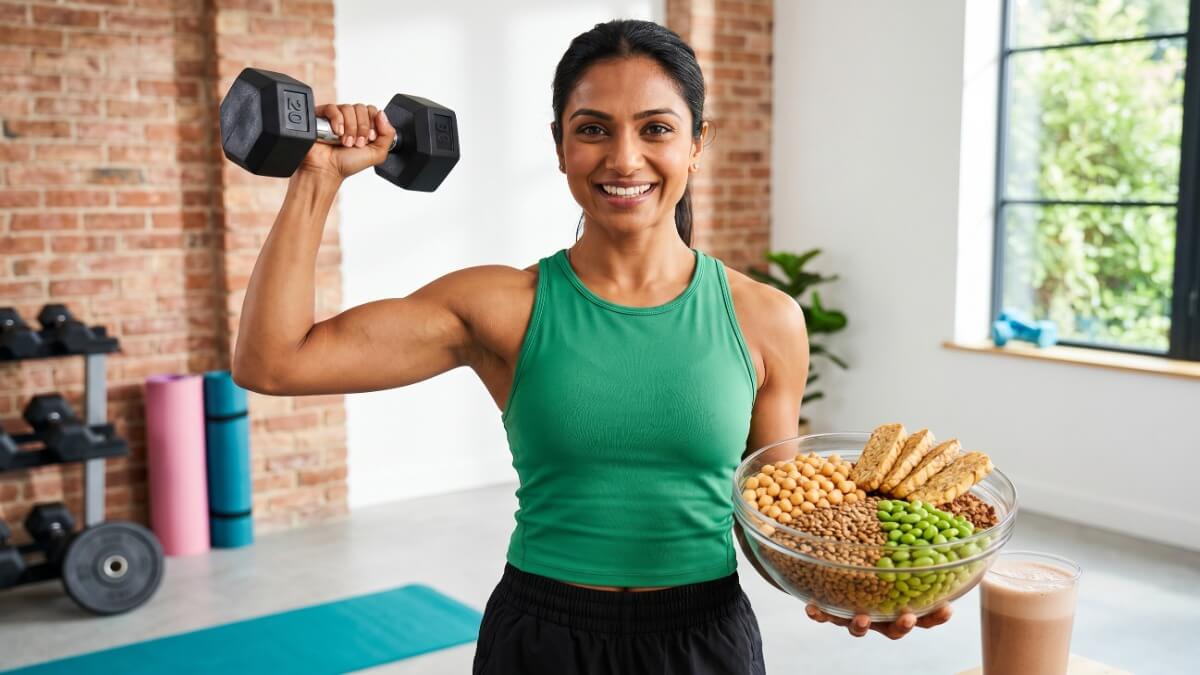
Many people have a common question: whether it is actually possible to build muscle without eating meat or dairy. The answer is an absolute yes. With the right planning and nutrition, you can achieve excellent results by following a plant-based or vegan diet.
Today, many of the world’s top athletes and bodybuilders are living a vegan lifestyle. They have proven that all you need to build muscle is the right nutrition and proper exercise.
In this guide, we will discuss in detail how you can build the muscles you want by eating only plant-based foods. Let us explore the science behind vegan fitness and its practical applications.
Is It Possible to Build Muscle on a Vegan Diet?
The main conditions for building muscle are stimulating your muscles and providing adequate nutrition for recovery. Eating meat or eggs is not mandatory in this process.
Plant-based foods contain all the amino acids required for muscle protein synthesis. If you consume the right amount of calories and protein, your body can build muscle.
By choosing the right foods, you can easily meet your daily nutritional needs. Various studies published in PubMed have shown that the rate of muscle growth remains nearly the same regardless of whether the protein source is plant- or animal-based.
The Science Behind Muscle Growth and Plant-Based Nutrition
The scientific name for muscle growth is hypertrophy. When you lift heavy weights, small microtears form in your muscle fibers.
To heal these tears, the body needs sufficient protein or amino acids. Protein is the building block of muscle.
Plant-based foods provide the nine essential amino acids. Although some plant foods are slightly lower in one or more amino acids, eating a variety of foods throughout the day easily covers this deficit.
Foods like soybeans, quinoa, and chia seeds are excellent examples of complete proteins. A combination of these plays an incredible role in building your muscles.
Benefits of Building Muscle on a Vegan Diet
A vegan diet not only helps in building muscle but also improves overall health. Plant-based foods are rich in antioxidants and phytonutrients.
These nutrients help reduce post-workout inflammation. As a result, you recover faster and are ready for the next day’s exercise.
Additionally, vegan diets are generally low in saturated fat and high in fiber. This keeps your heart healthy and helps regulate blood pressure.
Improved blood circulation ensures that adequate oxygen and nutrients reach the muscles, which is crucial for optimal muscle growth.
Debunking Common Misconceptions About Vegan Muscle Building
The biggest misconception is that vegan foods lack sufficient protein. This is completely baseless. Lentils, chickpeas, tofu, and tempeh are rich in protein.
Another misconception is that plant-based protein is of low quality. Science has proven that the right combination of amino acids can equal any animal protein.
Many people think energy levels drop on a vegan diet. However, consuming the right carbohydrates and fats ensures there is no energy shortage.
Many world-class weightlifters have broken records following a completely vegan diet. This proves that with the right knowledge, plant-based foods can be a blessing for you.
Understanding Protein Requirements for Muscle Growth
Your body needs more protein than usual to build muscle. Protein helps repair muscle tissue and create new tissue.
After a workout, the body is in an anabolic state. Consuming protein during this time accelerates muscle protein synthesis.
The protein requirement for weightlifters can be almost double that of an average person. This ensures your muscles receive adequate nutrition.
Without enough protein, you will not get the desired results, no matter how heavy you lift. Therefore, you must give protein intake the highest priority.
Essential Nutrients for Every Vegan Athlete
Vegan athletes need to pay special attention to certain nutrients. These include iron, calcium, zinc, and omega-3 fatty acids.
To absorb plant-based iron (non-heme iron), eating foods rich in vitamin C is essential. Eating spinach with lemon or tomatoes increases iron absorption.
Calcium is essential for bone health. Broccoli, almonds, and fortified plant milk are great sources of calcium.
Zinc helps in muscle repair and boosts the immune system. Pumpkin seeds and cashews contain a large amount of zinc.
How to Calculate Your Daily Calorie Needs for Muscle Growth
You must consume a calorie surplus to build muscle. This means you need to eat more calories than you burn throughout the day.
First, figure out your Basal Metabolic Rate (BMR). You can easily do this using various online calculators.
Next, calculate your Total Daily Energy Expenditure (TDEE) based on your physical activity level. Add 300-500 calories to your TDEE for muscle growth.
Gaining weight slowly is the healthiest way to build muscle. Consuming excess calories can lead to fat accumulation rather than muscle growth.
Nutritional Strategies for Vegan Muscle Building
Spending hours sweating in the gym is useless without the right nutritional strategy. Your kitchen is where the foundation of your muscle building is laid.
Best Plant-Based Protein Sources for Muscle Growth
Tofu, tempeh, and seitan can be your best friends in the kitchen. Seitan is made from wheat protein (gluten) and contains about 25 grams of protein per 100 grams.
Lentils, chickpeas, and kidney beans are great combinations of protein and carbohydrates. Soaking them before cooking increases their nutritional value and aids digestion.
Edamame, or young soybeans, is an excellent snack for muscle growth. They contain a huge amount of complete protein.
Quinoa is a grain that can be used as a substitute for rice. It is a highly nutritious ingredient packed with protein and fiber.
Why Protein Timing is Important for Muscle Building
Protein timing plays a crucial role in muscle growth. Dividing your protein intake evenly throughout the day keeps muscle protein synthesis at its peak.
Try to eat meals containing 20 to 30 grams of protein every 3 to 4 hours. This ensures a steady flow of amino acids in your blood.
Consuming protein before and after exercise is extremely important. It prevents muscle breakdown and helps in quick repair.
You can consume slow-digesting protein before bed. However, your total daily protein intake is what matters the most.
The Importance of Carbohydrates for Workout Performance
Carbohydrates are your body’s main source of energy. There is no reason to fear carbohydrates when building muscle.
Your muscles use glycogen during heavy workouts. You will not have energy for exercise if you do not eat enough carbohydrates.
Oats, sweet potatoes, brown rice, and fruits are great sources of healthy carbohydrates. They release energy slowly.
Eating carbohydrates before a workout improves performance. Eating them after a workout replenishes the muscle glycogen stores.
Healthy Fats and Their Role in Muscle Building
Fat is essential for hormone production. Healthy fats are needed to produce anabolic hormones like testosterone.
Include avocados, nuts, seeds, and olive oil in your daily diet. These are also very good for cardiovascular health.
Flaxseeds and chia seeds contain omega-3 fatty acids. This reduces body inflammation and keeps joints healthy.
At least 20 to 30 percent of your total daily calories should come from fat. This also helps keep you satisfied for a long time.
How to Create a Balanced Vegan Meal Plan
You need to divide your plate properly for an effective diet plan. Keep half of the plate for vegetables and fruits.
Keep one portion of the remaining half for protein and the other portion for complex carbohydrates. Add a small amount of healthy fat to it.
Preparing meals at the beginning of the week (meal prep) saves time and maintains consistency in healthy eating.
Add variety to your food by using different colored vegetables. This will ensure you get all the necessary vitamins and minerals.
High-Protein Vegan Foods You Should Eat Regularly
You should keep some core foods in your regular routine. Tofu scramble can be a great protein-rich breakfast.
You can eat black beans and brown rice for lunch. This combination creates a complete protein.
For dinner, you can have a curry made with tempeh or seitan. Do not forget to add plenty of green vegetables.
Nutritional yeast adds a cheesy flavor to food and is rich in protein and B vitamins. You can easily sprinkle it over salads or pasta.
Vegan Snacks That Support Muscle Growth
Eating healthy snacks between main meals is an easy way to increase calorie intake. Roasted chickpeas are a tasty and protein-rich snack.
You can eat peanut butter with apples or bananas. This is an excellent source of energy and healthy fats.
You can make protein bars or energy balls at home. They can be easily made with oats, nuts, and dates.
A smoothie made with soy milk or pea protein works great as a convenient afternoon snack.
Best Post-Workout Meals for Recovery and Energy
The first 30 to 45 minutes after a workout is called the anabolic window. During this time, the body is most ready to absorb nutrients.
A protein smoothie can be the easiest solution after a workout. You can use vegan protein powder, bananas, and soy milk.
Try to keep the ratio of carbohydrates and protein at 3:1 or 4:1. This helps to quickly restore energy and repair muscles.
Eating sweet potatoes with a small amount of tofu or edamame can also be an excellent post-workout meal.
Elevating Your Training for Muscle
Along with nutrition, the right exercise method is very important for muscle growth. Your training routine must be well-planned and science-based.
Choosing the Right Strength Training Program
You must do resistance training to build muscle. It is not possible to build muscle just by running or doing cardio.
Choose a program based on your experience and goals. A full-body workout routine is very effective for beginners.
As your experience grows, you can follow a push-pull-legs or upper-lower split routine.
The most important thing is to consistently follow a specific program for at least 8 to 12 weeks. Changing exercises frequently does not yield good results.
The Importance of Progressive Overload in Muscle Building
The most important rule of muscle growth is progressive overload. This means increasing the stress on your muscles over time.
You can do this by lifting slightly more weight than the previous week. Or you can do more reps with the same weight.
It is essential to increase the stress while maintaining the correct exercise form or technique. Lifting heavy weights with improper form risks injury.
You can use a diary or a mobile app to keep track of your workouts. This will help you continuously monitor your progress.
Compound Exercises Every Beginner Should Know
Compound movements work multiple muscle groups and joints simultaneously. They are the most effective for muscle growth.
Squats, deadlifts, bench presses, and overhead presses are the main compound exercises. These should be the foundation of your workout routine.
Doing compound exercises releases large amounts of hormones that aid in muscle growth. They also increase your overall core strength.
It is wise to learn the correct form from a trainer before starting. This will save you from many problems in the future.
How Often Should Each Muscle Group Be Trained?
Studies show that training each muscle group at least twice a week maximizes the rate of muscle growth.
Applying moderate stress twice a week is more effective than applying too much stress to a muscle just once a week.
For example, you can work your chest on Mondays and Thursdays. You can work your legs on Tuesdays and Fridays.
Give your body enough time to adapt. Overtraining can be a major hurdle to muscle growth.
Recovery Strategies for Optimal Muscle Growth
Muscles do not grow during exercise but rather during rest. Therefore, recovery is extremely important.
Take complete rest for at least one or two days a week. You can do light walking or stretching on these days.
Foam rolling or getting a massage helps reduce muscle tension. It increases blood circulation and aids in faster recovery.
Drinking plenty of water is an integral part of recovery. Dehydration hinders both muscle performance and optimal recovery.
The Role of Sleep in Building Muscle Effectively
Sleep is the most natural and powerful way to recover from muscle damage. The body releases growth hormones during deep sleep.
Try to get 7 to 9 hours of uninterrupted sleep every night. Lack of sleep can lower your testosterone levels and increase cortisol levels (the stress hormone).
Reduce screen time before bed to improve sleep quality. Make it a habit to sleep in a quiet and dark room.
Good sleep will contribute more to your muscle growth than any expensive supplement you can buy.
Supplements and Performance
Although it is possible to get all the nutrients you need from whole foods, some supplements can make your journey much easier.
Do Vegans Need Protein Supplements?
Protein supplements or powders are not mandatory, but they are very convenient. They are especially beneficial for those who do not have time to prepare meals due to work pressure.
Protein shakes work wonderfully for quick protein intake after a workout. It is easily digested and reaches the muscles quickly.
You can use supplements if there is a shortfall in meeting your daily protein goals. However, it should not be considered a substitute for whole foods.
Your overall daily diet is the key to your success. Supplements merely complement the existing diet.
Understanding Vegan Protein Powders
There are different types of vegan protein powders available in the market. A blend of pea protein and rice protein is the most popular.
This blend provides a complete protein profile comparable to whey protein. Soy protein is also an excellent and affordable alternative.
Read the label carefully when buying protein powder. Try to avoid powders with added sugar or artificial flavors.
Any good quality plant-based protein can be highly helpful in achieving your muscle-building goals.
The Benefits of Creatine for Vegan Athletes
Creatine is the most tested and effective sports supplement in the world. It helps store energy directly in the muscles.
Since creatine is naturally found only in animal foods, vegans typically have lower baseline levels of it in their bodies.
Vegan athletes benefit the most from taking creatine supplements. It boosts your strength and helps you lift heavier weights.
Taking 3 to 5 grams of creatine monohydrate daily is completely safe and highly effective for muscle growth.
Important Vitamins and Minerals for Vegan Muscle Builders
Vitamin D is essential for bone health and optimal muscle function. If you get little sun exposure, you should consider taking a vitamin D supplement.
You can use algal oil as an omega-3 supplement, which is made from algae. It is a great vegan alternative to fish oil.
It is good to have your iron and zinc levels checked regularly. If your diet is deficient, supplements can be taken upon a doctor’s advice.
It is always wise to consult a nutritionist before taking any extra supplements.
Should You Consider Taking a Vitamin B12 Supplement?
Vitamin B12 helps in nervous system health and DNA synthesis. It is not naturally found in any plant-based foods.
Taking a reliable B12 supplement is absolutely essential for all vegans. Getting enough B12 solely from fortified foods can often be difficult.
A lack of B12 can cause severe fatigue and neurological problems. This can heavily damage your workout performance over time.
Cyanocobalamin is the most common and affordable form of B12 that you can easily take.
Overcoming Challenges and Long-Term Strategies
At this stage, we will discuss common challenges and long-term strategies to make your fitness journey much smoother.
Common Mistakes That Hinder Muscle Growth on a Vegan Diet
The most common mistake is not eating enough calories. Plant-based foods fill the stomach quickly, making it seem difficult to meet daily calorie goals.
Not eating enough protein is another major mistake. Without variety in protein sources, you do not get all the essential amino acids.
Many people do not focus on exercise frequency or intensity. Doing very light exercises does not create the stimulus required for muscle growth.
Neglecting adequate rest and recovery is also a serious mistake that can completely halt your progress.
How to Track Progress and Adjust Your Nutrition Plan
Do not rely solely on the mirror or the weighing scale to measure your progress. Taking physical body measurements or measuring body fat percentage is much more effective.
Notice if your workout strength is increasing. If you can lift more weight than before, you are definitely on the right track.
Evaluate your progress every two weeks. If your weight does not increase, add another 200-300 calories to your daily diet.
Be patient and do not panic over minor day-to-day changes. Fitness is a long-term process.
Vegan Meal Prep Tips for Consistent Results
To save time preparing meals, you can boil grains and lentils in bulk and keep them safely in the fridge.
Making sauces or dressings in advance lets you quickly prepare delicious salads or bowl meals.
You can buy frozen vegetables and fruits when shopping. These are just as nutritious as fresh vegetables and incredibly easy to cook.
Make smoothie packs and store them in the freezer. Just put them in the blender in the morning to make a highly nutritious breakfast.
Success Stories of Vegan Athletes and Bodybuilders
World-renowned athletes like Nimai Delgado or Patrik Baboumian have proven that incredible strength can be achieved on a vegan diet.
The secret behind their success is sheer consistency and correct nutritional knowledge. They have proven that there is no need to consume animals to build muscle.
Following these athletes’ social media or blogs can give you many new vegan recipes and excellent workout tips.
Their stories can be a massive source of inspiration, especially during times when your motivation drops.
Building Muscle on a Budget with Plant-Based Foods
You do not have to buy expensive supplements or fancy foods to build muscle. A vegan diet can actually be very affordable.
Lentils, chickpeas, red rice, and potatoes are among the cheapest and most nutritious foods available in the world.
Buy seasonal fresh vegetables and fruits from your local market. These are much cheaper and healthier than packaged foods from the supermarket.
You can make nut or seed butter at home using a blender, which is far more cost-effective than expensive store-bought peanut butter.
Long-Term Strategies for Sustainable Muscle Growth
Fitness is not a destination; it is a permanent lifestyle. Avoid following any extreme diet or exercise routine that is hard to maintain in the long run.
Maintain a healthy relationship with food. There is absolutely no harm in eating your favorite foods occasionally.
Try to make your workout routine highly enjoyable. Eliminate boredom by adding new types of exercises or fun challenges.
Above all, listen closely to your body. Rest when you need to rest and give yourself the time to grow.
Frequently Asked Questions About Building Muscle on a Vegan Diet
People are very curious about vegan fitness. Here we provide scientific answers to some of the most common questions.
Is It Possible to Build Muscle as Fast on a Vegan Diet as on an Omnivore Diet?
Yes, absolutely possible. The rate of muscle growth depends on your exercise intensity, protein intake, and overall calorie intake, not on the type of diet you follow.
If you get the same amount of protein and calories from a plant-based diet as an omnivore, your muscle growth rates will be identical.
Science and many successful vegan bodybuilders are glaring proof of this. The real key is proper nutritional planning.
How Much Protein Do Vegans Need to Build Muscle?
For muscle growth, it is generally recommended to consume 1.6 to 2.2 grams of protein per kilogram of body weight.
Since the absorption capacity of some plant-based proteins can be slightly lower, it is good for vegans to stay on the higher end of this range.
For example, if your weight is 70 kg, your goal should be to consume 120-150 grams of protein daily.
What Are the Best Sources of Vegan Protein?
The best plant-based protein sources include tofu, tempeh, seitan, lentils, chickpeas, edamame, and quinoa.
Additionally, soy milk, peanut butter, hemp seeds, and chia seeds contain fantastic amounts of protein.
Rotating these foods throughout the day ensures you get all the essential amino acids needed for growth.
Do Vegan Athletes Need Protein Powder?
This is entirely optional. If you can meet your daily protein needs from whole foods, there is no physical need for powder.
However, for quick protein intake or post-workout recovery in a busy life, it is an excellent, highly convenient option.
A pea-and-rice protein blend is usually the ideal supplement for vegans.
Is Creatine Beneficial for Vegans?
Very beneficial. Since plant-based foods do not naturally contain creatine, vegans naturally have lower stores of it in their muscles.
Taking a creatine supplement significantly increases your base strength. It helps you lift heavier weights in the gym and build muscle faster.
It is one of the safest and most researched supplements in the world.
Can I Build Muscle Without Supplements?
Of course. The actual baseline requirements for building muscle are adequate calories, protein, and heavy resistance exercise.
Supplements merely work for your daily convenience. With the right meal plan, excellent results can be achieved without any supplements.
However, a vitamin B12 supplement is medically advised for all individuals following a vegan diet.
What Should I Eat After a Workout on a Vegan Diet?
After a workout, you should eat something containing both protein and fast-digesting carbohydrates.
A smoothie made with a banana and a scoop of vegan protein powder can be a truly great option.
Alternatively, you can mix soy milk and almond butter into a bowl of oats, which greatly helps with muscle recovery.
How Long Does It Take to See Muscle Building Results?
Building muscle is fundamentally a slow process. If you maintain regular exercise and proper nutrition, you will usually start seeing physical changes in the mirror within 8 to 12 weeks.
In the first few weeks, you will primarily notice an increase in your physical strength. Visible bodily changes simply take a little longer.
Being patient and fully trusting the process is crucial for success.
Conclusion
Final Thoughts on Building Muscle Through a Vegan Lifestyle
Building muscle on a vegan diet is by no means a mysterious or impossible task. It is simply a basic equation of science, discipline, and the right nutrition.
You can reach the peak of your physical fitness even without consuming animal foods. This is as good for your personal health as it is highly beneficial for the environment.
Choosing the right foods combined with strict discipline will ultimately lead you to success.
Key Takeaways for Plant-Based Strength and Muscle Growth
The main takeaway from this guide is to keep a close eye on your daily protein and calorie intake.
Heavy compound exercises, adequate bodily recovery, and progressive overload form the core foundations of your success.
Keep a wide variety of plant-based foods readily available in your kitchen. Learn to enjoy both the scientific and culinary aspects of meal preparation.
How Consistency in Nutrition and Training Brings Long-Term Results
The biggest secret to any fitness journey is unwavering consistency. It does not matter how perfect you were for just one week; what truly matters is how committed you stayed for an entire year.
Make these golden rules of nutrition and training a natural part of your daily routine.
Be patient, take good care of your body, and discover the true limitless potential of plant-based strength. May your vegan muscle-building journey be highly joyful and successful.