Mustard Oil: Your Complete Guide to Benefits, Uses, and Nutrition
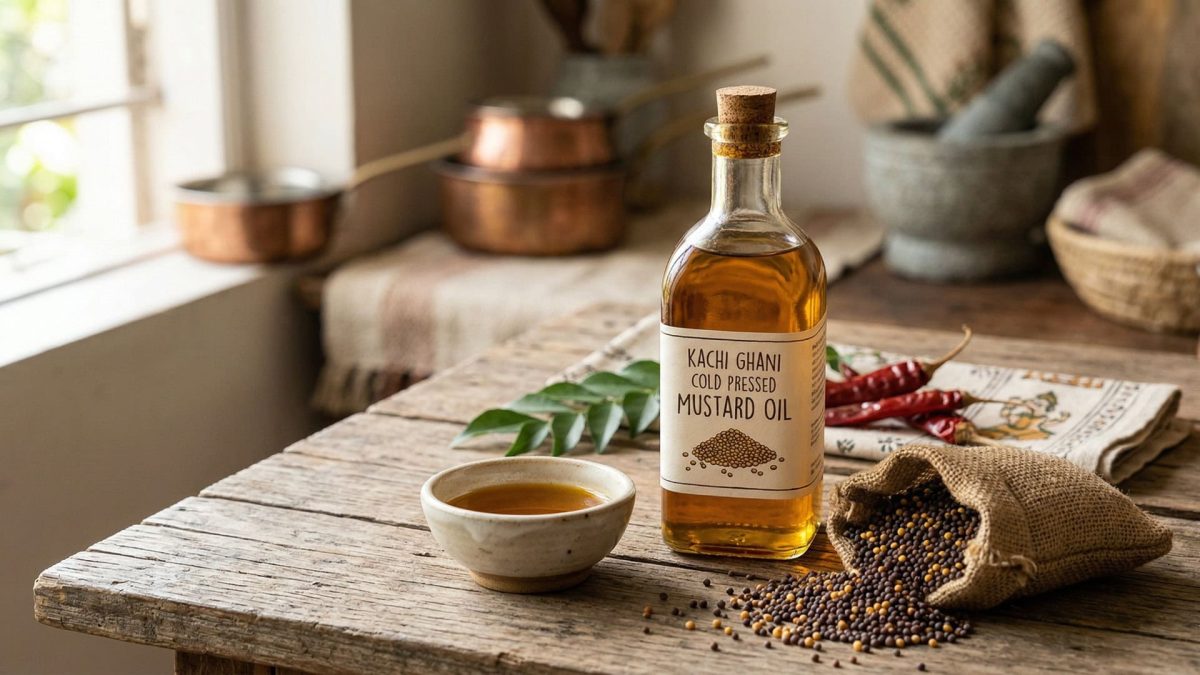
South Asian kitchens hold ingredients that do more than just make food; they carry a large part of our heritage and culture. Mustard oil is one such magical ingredient. Its pungent aroma and unique taste can make any ordinary dish extraordinary.
In today’s detailed blog, we will explore everything you need to know about mustard oil. From its nutritional value and health benefits to its cooking methods and uses in beauty care, we will discuss it all in depth. Let us discover the unknown and beneficial aspects of mustard oil together.
What is Mustard Oil?
Mustard oil is a strong-smelling, dark yellow oil extracted from mustard seeds. It is primarily used for cooking. It has a distinct pungent taste created mainly by a compound called allyl isothiocyanate.
This oil is widely appreciated not only in India but also in countries like Bangladesh, Nepal, and Pakistan. Alongside cooking, it is known as an essential ingredient in beauty care and traditional medicine.
Generally, this oil can be made from three types of mustard seeds. These are black mustard, brown mustard, and white or yellow mustard. The taste and pungency of the oil can vary slightly based on the type of seed.
History and Traditional Uses of Mustard Oil
The history of mustard oil is quite ancient. It has been used in the Indian subcontinent for thousands of years. Ancient Ayurvedic texts mention the versatile properties of mustard oil.
Since ancient times, it has been used not just as a cooking oil but also to light lamps, massage newborn babies, and serve as a home remedy for various ailments. During winter, ancient people relied on mustard oil to keep their bodies warm.
Looking at history, the Romans and Greeks were also aware of the properties of mustard seeds. However, its widespread use as an oil expanded most significantly in South Asia. The tradition of this oil has survived among us for generations.
Why Mustard Oil is Popular in South Asian Cooking
The main reason for the popularity of mustard oil in South Asian cooking is its unique taste and aroma. People in this region generally prefer spicy, flavorful food. Mustard oil multiplies the flavor of the spices in the food.
It is especially valued in Bengali cuisine. From frying fish to making mashed vegetables (bhorta), a few drops of mustard oil act like magic in everything. Its strong pungency mixes with other food ingredients to create an excellent balance.
Moreover, due to geographical reasons, mustard is cultivated abundantly in this region. Because of its availability and affordability, it has become a common kitchen ingredient for people everywhere, from villages to cities.
How Mustard Oil is Made
The process of making mustard oil involves several steps. Special precautions are taken at every stage, from seed collection to bottling.
The main steps of making mustard oil are discussed in detail below.
Selecting Mustard Seeds
The quality of the oil depends primarily on the mustard seeds. To obtain the highest-quality oil, it is essential to select flawless, mature seeds.
After harvesting the mustard from the field, farmers dry it thoroughly. Then, dust, stones, and other impurities are separated from the seeds. Only clean and plump seeds are sent to the factory or mill for oil extraction.
Cold-Pressed vs. Refined Mustard Oil
Based on the extraction method, mustard oil can be mainly divided into two types. One is cold-pressed (kachi ghani), and the other is refined.
In the cold-pressed method, oil is extracted by crushing the seeds without using any heat or chemicals. In this method, the oil’s nutritional value, taste, and natural pungency remain completely intact.
On the other hand, high heat and chemicals are used in the production of refined oil. As a result, the oil’s own scent and some nutritional components are lost. Health-conscious people generally prefer cold-pressed oil.
Traditional Extraction Methods
Since ancient times in our region, mustard oil was made using wooden presses (ghani). Mustard seeds were kept in a large wooden container, and a heavy wooden pole was rotated by a cow to crush them.
This method is extremely slow, and no extra heat is generated here. Consequently, the taste and smell of oil broken in a wooden ghani are incomparable.
Today, although the use of cow-driven presses has declined with the advent of modern technology, cold-pressed oil is still made in the same way, using machine-driven presses. This touch of traditional methods still ensures pure oil today.
Nutritional Value of Mustard Oil
Mustard oil is an edible oil rich in nutrients. It contains various types of fats, vitamins, and minerals necessary for the body.
Based on data from the US Department of Agriculture (USDA), a general idea of the nutritional value of mustard oil is given below.
Calories and Fat Content
Like any oil, mustard oil is high in calories. One tablespoon (about 14 grams) of mustard oil contains about 124 calories.
This oil is entirely fat. However, the amount of saturated or harmful fat in it is very low. It contains about 60 percent monounsaturated fat, 21 percent polyunsaturated fat, and only 12 percent saturated fat.
Monounsaturated and Polyunsaturated Fats
The primary nutritional quality of mustard oil is its high levels of monounsaturated and polyunsaturated fats. These fats are extremely beneficial for our bodies.
Monounsaturated fat helps reduce the level of bad cholesterol in the blood. Polyunsaturated fat, on the other hand, plays an important role in cell structure.
Omega-3 and Omega-6 Fatty Acids
Our bodies cannot produce Omega-3 and Omega-6 fatty acids on their own. They must be consumed through food. Mustard oil has an excellent balance of these two essential fatty acids.
These fatty acids increase brain function and help reduce inflammation in the body. Consuming these acids in the right proportions significantly reduces the risk of heart disease.
Vitamin E and Antioxidants
Vitamin E is naturally present in mustard oil.Vitamin E acts as a powerful antioxidant.
It protects our skin from harmful free radicals. Alongside this, it helps extend the oil’s shelf life, ensuring it does not spoil easily.
Main Health Benefits of Mustard Oil
Using mustard oil regularly and in moderation offers various health benefits. Some of its main benefits are discussed below.
Helps Protect Heart Health
The healthy fats in mustard oil are great for the heart. It helps keep blood triglyceride levels under control.
Consuming this oil regularly increases the level of good cholesterol (HDL) and decreases the level of bad cholesterol (LDL). As a result, the risk of heart attacks and strokes is significantly reduced.
Contains Beneficial Fatty Acids
We have already learned that mustard oil contains Omega-3 and Omega-6 fatty acids. These help keep our body’s nervous system healthy.
These beneficial fats also play a critical role in reducing joint pain and boosting the body’s immune system.
Rich in Antioxidants
Mustard oil contains a type of antioxidant called glucosinolates. Many studies suggest that this component can help prevent the growth of cancer cells in the body.
Antioxidants keep the body fresh from the inside and prevent the signs of aging from setting in.
May Help Maintain Skin Health
The use of mustard oil in beauty care is not new. Its antibacterial and antifungal properties help prevent various skin infections.
To relieve winter skin dryness, mustard oil acts as an excellent natural moisturizer. It penetrates deep into the skin, nourishes it, and keeps it soft.
May Support Healthy Hair
Mustard oil is unparalleled for hair care. The beta-carotene in it converts to vitamin A, which is helpful for hair growth.
Regularly massaging mustard oil onto the scalp increases blood circulation. It prevents hair fall and is quite effective at getting rid of dandruff.
Supports Overall Well-being
Mustard oil helps increase the body’s metabolism. It keeps the digestive system healthy and boosts digestive power.
If you have a cold or cough, massaging mustard oil on the chest and back provides great relief. It keeps the body warm and provides comfort.
Mustard Oil and Heart Health: What You Should Know
There is considerable debate about the relationship between mustard oil and heart disease. It was once thought that the erucic acid in it could be harmful to the heart.
However, according to recent research articles published by institutions such as the National Center for Biotechnology Information (NCBI), mustard oil used in the Indian subcontinent reduces the risk of heart disease when consumed in moderation.
The main reason for this is the large amount of monounsaturated fat and Omega-3 fatty acids in this oil. Therefore, using pure mustard oil for cooking in the correct manner and in moderate amounts is safe and beneficial for the heart.
Mustard Oil for Skin and Hair Care
You can easily use mustard oil to care for your skin and hair. It is in no way inferior to expensive cosmetics on the market.
To increase skin brightness, you can make a face pack by mixing a few drops of mustard oil and turmeric with gram flour. This removes dead skin cells and restores natural glow.
To make hair thicker and darker, massage slightly warm mustard oil into your scalp at least once a week. You can mix a little coconut oil or fenugreek with it if you want. This strengthens the hair roots.
Mustard Oil in Traditional Health Practices
Our grandmothers relied on mustard oil first for any physical problem. Its use in traditional health practices remains untarnished today.
Brushing teeth with a mixture of a little salt and mustard oil provides great relief for toothaches or gum problems. It destroys bacteria inside the mouth and strengthens the gums.
Massaging mustard oil into young children while they sit in the sun to strengthen their bones is a common sight in our culture. Additionally, massaging warm mustard oil mixed with garlic and black cumin quickly relieves muscle or arthritis pain.
Ways to Use Mustard Oil in Cooking
There is a specific rule for cooking with mustard oil. To remove its intense pungency and raw smell, the oil must first be heated properly.
Put the oil in a pan and wait until light smoke rises from it. This is called “smoking.” Once the oil has smoked, lower the stove heat and begin cooking.
In Curries and Gravies
Mustard oil is the best choice for making any type of meat curry or vegetable gravy. It gives the broth a dark color and a beautiful aroma.
Using mustard oil, especially in slow-cooked (kosha) meat, multiplies its taste. This mixture of oil with spices brings out the true flavor of the food.
For Frying and Sautéing
The smoke point of mustard oil is quite high. Therefore, it is a very safe oil for deep-frying.
Peyaju (onion fritters), beguni (eggplant fritters), or any pakoras become very crispy when fried using mustard oil. Mustard oil is also the Bengalis’ first choice for frying fish.
In Pickles and Preserves
There is no substitute for mustard oil in making mango, olive, or garlic pickles. It not only enhances the pickle’s taste but also acts as a natural preservative.
A layer of oil on top of the pickle protects it from air and moisture. As a result, no fungus forms, and the pickle stays good for a long time.
As a Flavor-Enhancing Oil in Traditional Recipes
The practice of using raw mustard oil just for flavor at the end of cooking is widely popular in our country. Without adding a few drops of raw mustard oil to mashed potatoes, mashed eggplant, or tomato salad, the taste feels incomplete.
Everyone also enjoys the pungent taste of this raw oil when making jhalmuri or chotpoti.
Popular Recipes Using Mustard Oil
Many traditional recipes are unimaginable without mustard oil. Some such popular dishes are highlighted below.
Bengali Fish Curry
Bengalis and fish curry without mustard oil is impossible! Ruhi or Hilsa fish is first marinated in turmeric and salt, then fried crisp in mustard oil.
Then, an excellent broth is made in that same oil using onions, green chilies, and mustard paste. This fish curry tastes like nectar with hot rice.
Fried Mustard Greens
Frying fresh winter vegetables like cauliflower, beans, or spinach in mustard oil helps preserve their nutritional value.
Warming a little oil in a pan, tempering it with black cumin, and frying the vegetables on low heat creates a healthy and delicious dish.
Homemade Pickles
During the green mango season, there is a rush to make pickles in every home. Sun-dried mango pieces are submerged in panch phoron (five-spice blend), dry chilies, and plenty of mustard oil.
This pickle is left to mature in the sun. Because of the mustard oil, this pickle can be preserved for over a year.
Traditional Dal Dishes
Adding a tempering (bagar or tadka) of mustard oil to masoor or mung dal completely changes its taste.
After the dal is boiled, mustard oil is heated in another pan, chopped garlic, dry chilies, and cumin are fried in it, and then poured over the dal. Its aroma fills the whole house.
Mustard Oil vs. Olive Oil: Key Differences
Due to health awareness, many people nowadays compare mustard oil and olive oil. Both oils have their own unique qualities.
| Feature | Mustard Oil | Olive Oil (Extra Virgin) |
| Main Source | Mustard seeds | Olive fruits |
| Smoke Point | High (About 480°F or 250°C) | Comparatively lower (About 375°F or 190°C) |
| Taste and Smell | Pungent, sharp, and nutty | Light, fruity, and mild |
| Cooking Type | Deep frying, curries, and pickles | Salad dressing, light sautéing |
| Primary Fat | Monounsaturated and polyunsaturated | Primarily monounsaturated fat |
Mustard oil is better suited to the heavy cooking of the Indian subcontinent, while olive oil is better suited to light Western cooking.
Cold-Pressed vs. Refined Mustard Oil: Which is Better?
When buying oil from the market, we often get confused about which one to buy. Considering health aspects, one should always choose cold-pressed or kachi ghani mustard oil.
In cold-pressed oil, the seeds are slowly crushed, so their natural antioxidants, vitamins, and aroma remain intact. It is a completely chemical-free process.
Conversely, refined oil is processed at high temperatures, and various chemicals may be used in its production. This significantly reduces the nutritional value of the oil. Therefore, Ghani-crushed mustard oil is the best for getting pure nutrition.
Potential Side Effects and Precautions
Although mustard oil has many benefits, precautions are necessary in some cases. Not everyone’s body accepts everything the same way.
Understanding Concerns Regarding Erucic Acid
Mustard oil contains a component called erucic acid. Animal studies have shown that high levels of erucic acid can cause fat to accumulate in the heart muscles.
For this reason, the use of mustard oil as a cooking oil is banned in the United States and some European countries. However, the mustard seeds used in our country have comparatively lower levels of it, and it has been used safely for ages.
Allergic Reactions
A very small number of people may have allergies to mustard or mustard oil. Applying it to the skin or eating it can cause problems like rashes, itching, or shortness of breath.
It is wise to do a patch test by applying a little oil behind the ear before using it on the skin.
Moderate and Safe Use
Overusing anything is harmful. This also applies to mustard oil. An adult should not consume more than a specific amount of oil per day.
You should try to maintain the nutritional value of food by keeping the amount of oil used during cooking low.
Who Should Take Precautions?
Those who already have severe heart disease or who are following a special diet should consult a doctor before using mustard oil.
Pregnant women should also avoid excessively pungent raw oils. It is essential to choose pure oil when using it on children’s skin.
How to Choose High-Quality Mustard Oil
A lot of adulterated oil is available in the market now. It is essential to be able to identify high-quality, pure mustard oil.
First, read the label to ensure it is made using the “cold-pressed” or “kachi ghani” process. Pure oil will be dark and clear.
Second, as soon as you open the bottle, a strong, pungent smell will hit your nose. If the smell feels very light or unusual, it might be adulterated. Using oil from a trusted brand or oil broken directly from a ghani is the safest.
Proper Storage Tips for Freshness and Taste
Properly storing the oil after buying it is extremely important. If not stored correctly, the oil’s nutritional value and taste can be ruined.
Best Storage Conditions
Mustard oil must always be stored in a cool, dark place. The oil bottle should not be kept in a place where it is exposed to direct sunlight.
It is best to keep the oil in glass bottles or food-grade plastic bottles. Do not keep the oil bottle very close to the stove, as excessive heat ruins the oil’s qualities.
Preventing Oxidation
When exposed to air, the oil begins to oxidize, causing it to spoil or become rancid quickly.
Therefore, the bottle cap must be closed very tightly after each use. Pouring oil from a large bottle into a smaller bottle for daily use reduces the risk of oxidation.
Shelf Life and Quality Indicators
The general shelf life of pure cold-pressed mustard oil is between six and twelve months.
If you notice the oil has become cloudy, sediment has gathered at the bottom, or an unusual smell is coming from it, it is best not to use that oil.
Frequently Asked Questions About Mustard Oil
Is mustard oil healthy for cooking?
Yes, mustard oil in moderate amounts is extremely healthy for cooking. The healthy fats and antioxidants in it are beneficial for the body.
Can mustard oil be used every day?
Absolutely. Using the right amount of mustard oil in daily cooking is safe. However, mixing or rotating its use with other oils is even better.
What is the smoke point of mustard oil?
The smoke point of mustard oil is about 480°F (250°C), which is quite high. For this reason, it is an ideal oil for deep frying.
Mustard Oil Around the World
Mustard oil is no longer limited to just a specific region. Due to its unique taste and health benefits, it is gaining global recognition.
Use in Indian Cuisine
Cooking in North and East India is almost impossible without mustard oil. From Punjab’s famous ‘Sarson ka Saag’ to Bengal’s fish curry, its reign is everywhere.
It creates a signature flavor profile for Indian food.
Use in Bangladeshi Cuisine
In Bangladesh, mustard oil is the name of an emotion. Whether it is Panta-Ilish on Pohela Boishakh or various mashed dishes on a winter morning, a Bengali’s culinary satisfaction is incomplete without pure mustard oil.
It is the main cooking medium in almost every household in rural Bengal.
Growing Popularity in Kitchens Worldwide
Many international chefs currently use mustard oil in their cooking. They are creating fusion food with its intense flavor profile.
Its demand is increasing day by day in various Asian restaurants in Europe and America.
Final Thoughts on Mustard Oil
Mustard oil is an inseparable part of our diet and culture. Its heritage and nutritional value set it apart from other ordinary oils.
Key Takeaways
We learned that mustard oil not only makes food delicious but also keeps the heart healthy, cares for the skin and hair, and boosts the body’s immune system. By choosing pure cold-pressed oil and storing it properly, we can get its maximum benefits.
Why Mustard Oil Remains a Popular Traditional Cooking Oil
Being tested and proven for centuries is why mustard oil remains the king of our kitchens. Its pungent smell reminds us of our roots.
Modern scientific research is now also supporting this ancient belief of our grandmothers.
Smart Ways to Include Mustard Oil in a Balanced Diet
Finally, for a healthy lifestyle, we should maintain a balance of different types of oils in our diet.
You can easily maintain a balanced and nutritious diet by using olive oil in your morning salad, mustard oil in your lunch fish curry, and sunflower or rice bran oil in other cooking. The moderate use of mustard oil will make your life healthier and more flavorful.