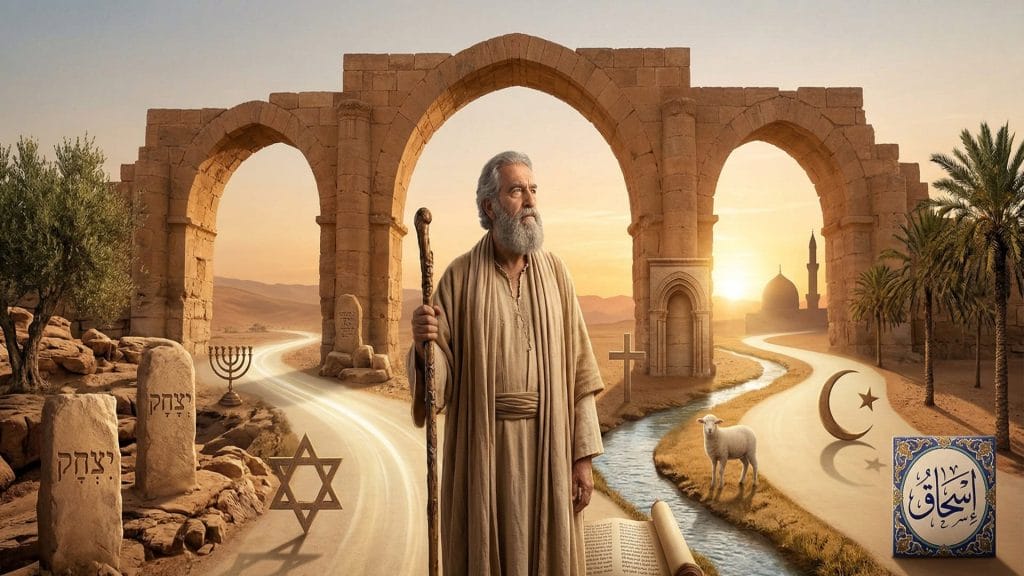
David in Different Religions: Beliefs and Perspectives Explained
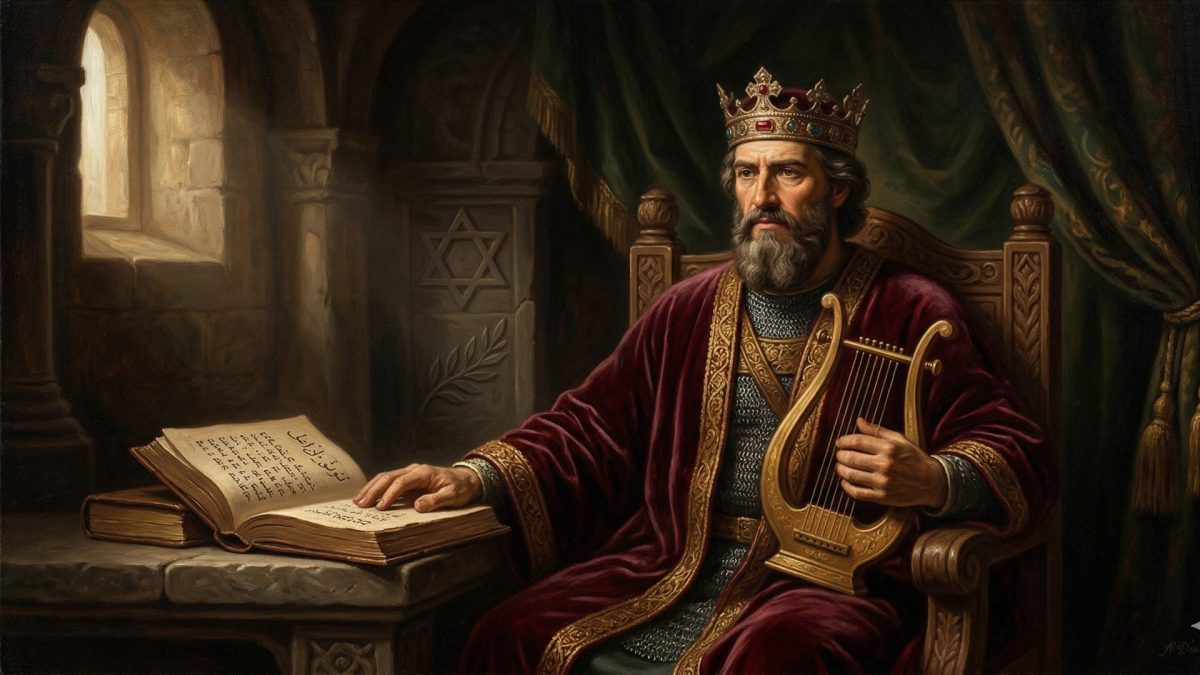
If you turn the pages of history, you will find very few figures who are equally revered by the followers of multiple world religions. King David, also known as Prophet Dawud, is one of the most extraordinary figures. His life story is a wonderful blend of courage, devotion, human vulnerability, and divine forgiveness. If you are interested in religious history or spirituality, learning about David’s life can be a fascinating experience. Let us dive into the details about this great historical figure.
Who is King David?
King David, or Dawud, was the second king of ancient Israel. According to religious scriptures, he was a shepherd who later emerged as a great ruler chosen by God. One of his most famous achievements is defeating the giant warrior Goliath. He was also a skilled musician and poet. Many of the poems and songs he composed are still used in various religious worship services today. Historical and religious texts depict him as a brave warrior, a righteous ruler, and a soul deeply devoted to God.
Why David is an Important Figure in Multiple Religions
David is not confined to a specific territory or a single community. He plays a central role in the world’s three major monotheistic religions: Judaism, Christianity, and Islam. In these faiths, he is seen as a chosen servant of God who made significant contributions to both the spiritual and worldly realms. Each religion emphasizes different aspects of his life. Some view him as a great king, while others honor him as a prophet sent by God. Because of this multifaceted identity, he remains a source of inspiration for billions of people today.
Understanding Religious Perspectives on David
To understand how different religions view David, we must look at the core beliefs of those faiths. While each scripture describes common events from his life, the underlying messages and lessons can differ. In this blog post, we will discuss how Judaism, Christianity, and Islam evaluate David and what we can learn from his life story in modern times.
David in Judaism
In Judaism, King David holds an incredibly high position. He is considered one of the greatest leaders of the Jewish nation and the ideal king. His reign is viewed as a golden age in Israel’s history.
How Judaism Describes David
The Tanakh, or Hebrew Bible, presents David as a deeply human character. He was not just a mighty king but also possessed emotions, flaws, and regrets like any ordinary person. His unwavering faith in God and his sincere repentance after making mistakes have established him as an ideal follower in Jewish tradition. Jews believe that David was a man very close to God.
King David as the Second King of Israel
Following King Saul, David ascended the throne of Israel. He united all the tribes of Israel to form a powerful nation. He conquered Jerusalem and made it the capital of his kingdom. Since then, Jerusalem has been known as the holiest city for the Jewish people. Thanks to David’s military prowess and political acumen, Israel became a secure and prosperous country during his reign.
The Davidic Covenant and Its Significance
The “Davidic Covenant” is a crucial concept in Judaism. God made a covenant with David that his descendants would sit on the throne of Israel forever. The concept of the Messiah, or savior, in Judaism is built upon this very covenant. Jews believe that the future Messiah will descend from the lineage of King David and establish peace and justice on earth.
David as the Author of Psalms in Jewish Tradition
David was not only a king but also a magnificent poet. Most chapters of the “Book of Psalms” in the Hebrew Bible are attributed to him. These psalms are an integral part of Jewish prayer. Whether expressing sorrow, joy, despair, or gratitude to God, Jewish people still recite these songs written by David today.
David in Christianity
In Christianity, King David is immensely important because Christians believe his life is directly connected to that of Jesus Christ. The New Testament mentions David as an ancestor of Jesus.
How Christianity Describes David
Christians view David as a man after God’s own heart. The Bible states that God chose David for the integrity of his heart. In the Christian faith, David is honored as a prophet, a king, and a perfect example of God’s grace. His life proves that no matter how much a person errs, it is possible to receive God’s forgiveness through sincere repentance.
David as an Ancestor of Jesus
At the very beginning of the New Testament, the Gospels of Matthew and Luke provide the genealogy of Jesus, clearly showing that Jesus is a descendant of King David. This genealogy proves that the covenant God made with David found its ultimate fulfillment through Jesus. Jesus is frequently addressed as the “Son of David,” which strengthens his claim as the Messiah.
Lessons from David’s Life in the Bible
Christians draw many moral and spiritual lessons from David’s life. His battle with Goliath teaches that any obstacle can be overcome with faith in God. On the other hand, the incident with Bathsheba and his subsequent deep remorse serve as a reminder that the consequences of sin are severe, yet God’s mercy is infinite. The ups and downs of his life serve as a great inspiration for Christian believers.
David and Psalms in Christian Worship
Like the Jewish tradition, Christians also use the Psalms extensively in their worship. From Sunday church prayers to personal meditation, the influence of David’s songs is everywhere. These psalms act as an excellent medium for conveying the deepest emotions of the human soul to God.
David in Islam
In Islam, David is remembered with great respect and honor as Prophet Dawud (Peace Be Upon Him). In Islam, he is not just a king but a prophet sent by Allah, to whom a divine scripture was revealed.
How Islam Describes David (Dawud)
According to Islamic belief, Prophet Dawud was an incredibly righteous, wise, and God-fearing man. Allah blessed him with special knowledge and wisdom. Since Islam considers prophets to be sinless, it directly rejects the descriptions of David’s moral failings found in the Bible. Islam presents him as an ideal judge and ruler.
Prophet Dawud in the Quran
Prophet Dawud is mentioned in several chapters of the Holy Quran. The Quran states that Allah granted him the miraculous power to turn iron into gold. He could craft body armor with his bare hands. Furthermore, the slaying of Jalut (Goliath) is beautifully narrated in the Quran, demonstrating Dawud’s immense bravery and his reliance on Allah.
The Psalms (Zabur) in Islamic Belief
Among the four major divine books in Islam, the Zabur is one of them. Muslims believe that Allah revealed the Zabur to Prophet Dawud. The Zabur is essentially a collection of hymns praising Allah and offering prayers. The Quran states that when Dawud recited the Zabur, the mountains and birds would join in his melodious voice to proclaim the glory of Allah.
David’s Role as a Righteous King and Prophet
In Islam, the reign of Prophet Dawud is viewed as an example of an ideal Islamic state. He was exceptionally just, and his wisdom in resolving disputes among people was unparalleled. He earned his living through manual labor and would stay awake at night to worship Allah. His way of life remains a great source of learning for Muslims.
David in Other Traditions
Beyond the three major monotheistic religions, David’s influence can be seen in other spiritual and cultural traditions.
David in the Baha’i Faith
In the Baha’i Faith, David is acknowledged as a holy messenger of God. Baha’is believe that David is among the continuous manifestations of God that have appeared on earth throughout different times. His Psalms and prayers are highly respected in the Baha’i Faith and are seen as tools for spiritual purification.
Historical and Symbolic Views of David
Outside religious boundaries, David is also evaluated as a historical and symbolic figure. His character occupies a massive space in literature, art, and music. Michelangelo’s famous sculpture “David” is an immortal symbol of his physical and mental strength. The story of David and Goliath is universally used as a metaphor for the victory of a weak but confident individual against an overwhelming power.
David in Interfaith and Cultural Contexts
David acts as an important connecting bridge in interfaith dialogues. Since Jews, Christians, and Muslims all respect him, the lessons from his life help foster mutual understanding and harmony among people of different faiths. The songs he composed have crossed cultural boundaries to find a place in people’s hearts.
Comparing Religious Perspectives on David
While there are many similarities in how David is portrayed across religions, there are also crucial differences that reflect the unique beliefs and theology of each faith.
Similarities Among Jewish, Christian, and Islamic Traditions
All three religions acknowledge David as God’s chosen leader. His battle with Goliath and his deep connection to Jerusalem are described as of great importance across these faiths. Additionally, his musical talent and association with divine revelation (the Psalms or Zabur) are common elements in Jewish, Christian, and Islamic traditions.
Key Differences in the Portrayal of David
The biggest difference lies in the evaluation of David’s character and status. While Judaism and Christianity view him as a great king, the Bible explicitly mentions his human weaknesses and sins. On the other hand, Islam views him as a prophet, and according to Islamic theology, prophets are free from all major sins. Therefore, Islam presents David as a completely flawless and pure character.
Why David is a Unifying Spiritual Figure
Despite these differences, David remains a unifying spiritual figure because his core message is universal. He taught how to rely on God during extreme dangers and how to open one’s heart to divine love. These teachings are equally applicable to people of any religion.
David’s Life and Legacy
The eventful chapters of David’s life have created some of the most educational stories in human history.
David and Goliath: The Famous Story
The most well-known event in David’s life is his battle with the Philistine giant Goliath. When the entire Israelite army was terrified of Goliath, young David stood before him with only a sling and a few stones. Through his profound faith in God, he defeated the giant. This story has taught people throughout the ages that inner faith and self-confidence are far more powerful than external physical strength.
David’s Reign and Leadership
David’s leadership as a king was unparalleled. He did not merely strengthen his kingdom militarily; he also organized it administratively and spiritually. He established unity among various factions, a mark of a visionary leader. The state system he built, centered on Jerusalem, has been considered an ideal model for thousands of years.
Moral Complexities in David’s Life
The biblical accounts reveal certain moral complexities in David’s life. Specifically, his relationship with Bathsheba and sending her husband Uriah to his death highlight a dark side of his character. However, religious scholars believe these events are included in the Bible to demonstrate that no human on earth is above making mistakes. The important takeaway is that David realized his errors and deeply sought God’s forgiveness.
Historical Perspective
Alongside religious beliefs, much historical and archaeological research has been conducted on David. Many wonder whether he truly existed in history or is simply a mythological figure.
Was King David a Historical Figure?
For a long time, some critics claimed that King David was purely a fictional character. However, modern archaeological discoveries have proven that David actually existed and established a royal dynasty. Most historians now agree that a powerful leader named David ruled the region in ancient times.
Archaeological Evidence and Debates
In 1993, an inscription known as the Tel Dan Stele was discovered at Tel Dan. This inscription, written in Aramaic, mentions the “House of David.” This was a groundbreaking discovery providing the first tangible proof of King David’s historical existence. Although there is still some debate among historians regarding the sheer size of his kingdom, his actual existence is no longer heavily doubted.
David in Ancient Near Eastern History
The rise of David was a significant turning point in ancient Near Eastern history. During his time, the Pharaohs of Egypt and the empires of Mesopotamia had grown somewhat weak. Taking advantage of this situation, David successfully established a strong, independent state in the Levant. His political achievements deeply influenced the subsequent history of that area.
Moral and Spiritual Lessons
David’s life is not just a story from the past; it is a treasure trove of moral and spiritual lessons for the modern era.
Faith, Courage, and Leadership in David’s Story
David teaches us that courage does not mean the absence of fear, but rather doing the right thing in the face of fear. The bravery he displayed before Goliath inspires us to overcome the daily obstacles in our lives. His leadership teaches us how to unite everyone and move forward toward a common goal.
Repentance and Forgiveness in David’s Life
For those who follow the biblical accounts, the story of David’s repentance is incredibly powerful. When the prophet Nathan confronted him about his crime, David did not make excuses; he immediately admitted his guilt. This teaches us that acknowledging one’s mistakes is not a weakness, but a sign of spiritual strength.
Why David Remains an Ideal of Human Strength and Weakness
David was simultaneously a courageous warrior, a wise ruler, and an emotional human being. We are drawn to both the light and the shadows of his life. He reminds us that God does not look for perfect humans, but rather for people whose hearts are honest and who constantly strive to become better.
Frequently Asked Questions (FAQ)
Which religions recognize King David?
Primarily, Judaism, Christianity, and Islam recognize King David as a highly important and holy figure. He is also honored in other religious traditions, such as the Baha’i Faith.
Is David mentioned in the Quran?
Yes, Prophet Dawud is mentioned by name 16 times in the Holy Quran. The Quran describes him as a prophet, a righteous ruler, and the recipient of the Zabur (Psalms).
What are the differences between David in the Bible and the Quran?
The main difference lies in character portrayal. The Bible mentions David’s greatness alongside some of his severe sins and weaknesses. The Quran, however, presents him as a sinless prophet with divine qualities, possessing a completely pure character.
Why is David important in Judaism, Christianity, and Islam?
In Judaism, he is the ideal king and the ancestor of the Messiah. ..In Christianity, he is the genealogical ancestor of Jesus and a symbol of God’s grace. In Islam, he is a prophet of Allah who received the Zabur. His spiritual and historical role is profoundly significant in all these faiths.
What can we learn from King David’s story?
We learn that with unwavering faith and courage, it is possible to conquer any major obstacle. At the same time, we learn that as humans we may make mistakes, but through sincere repentance and self-correction, we can find our way back to the right path.
Conclusion
Although King David, or Prophet Dawud, lived thousands of years ago, his impact remains clearly visible in our society today.
Final Thoughts on David Across Religions
David is a personality who is hard to confine within a single frame. He is simultaneously a king, a prophet, a poet, and a warrior. Even though each religion interprets him differently, the core essence of his faith and devotion remains unchanged.
Understanding a Shared Heritage Through King David
In today’s divided world, David can be a great symbol of unity. When Jews, Christians, and Muslims discuss the life of David, they are essentially talking about a shared source. Discussing his life can be an excellent way to foster interfaith harmony and mutual respect.
Why David Continues to Inspire Faith and Leadership Today
The verses of his Psalms or Zabur still bring comfort to grieving hearts. The story of a young boy slaying a giant continues to give courage to the weak. He was a wonderful combination of leadership qualities and spiritual depth. And it is for this reason that King David remains an endless source of inspiration for faith, courage, and leadership for people across generations, now and in the future.