
Cow Milk: Nutrition, Benefits, and Uses Explained
What is Cow Milk?
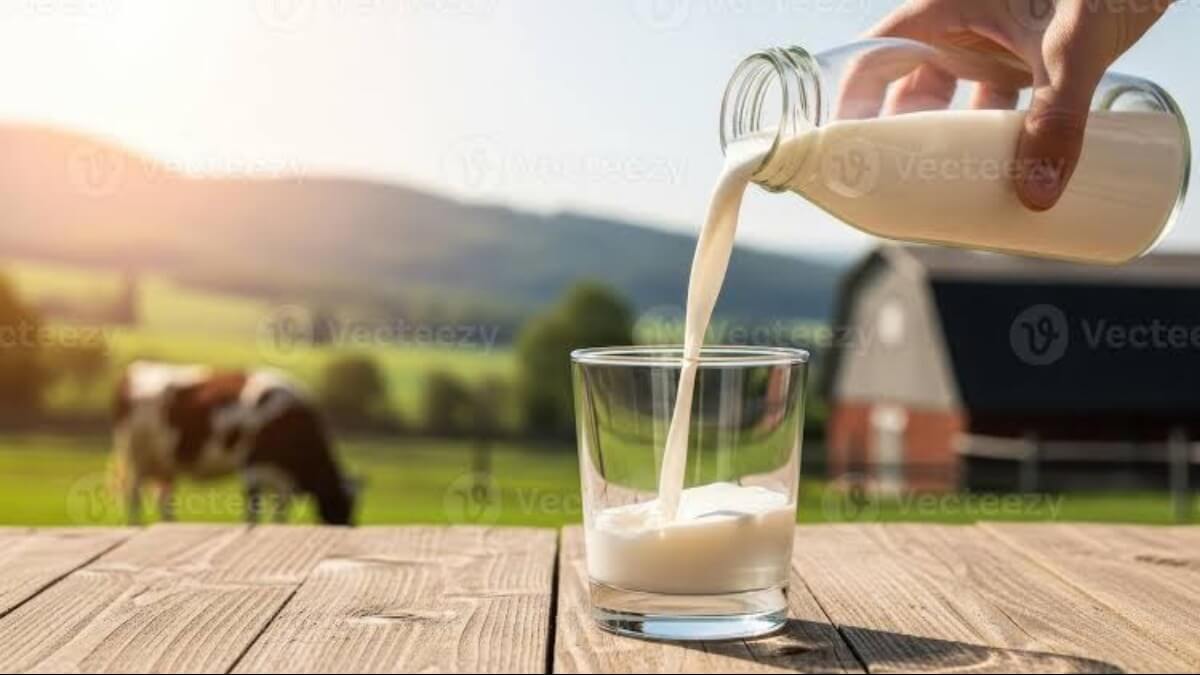
Cow milk is a highly nutritious liquid that a cow produces to nourish her calf. However, for ages, humans have adopted this liquid as an essential part of their own diet. It is not just a simple beverage; rather, it is a natural storehouse of numerous nutrients necessary for good health.
This white-colored drink contains an excellent balance of protein, fat, carbohydrates, vitamins, and minerals. It is a popular and easily accessible food ingredient in almost all parts of the world. The human body can very easily absorb the nutrients present in cow milk.
History and Importance of Cow Milk in the Human Diet
Looking at the history of human civilization, it is evident that cow milk has been intimately connected to our dietary habits for thousands of years. During the Agricultural Revolution, when humans began raising animals, cows’ milk gained recognition as a reliable food source.
Since ancient times, the practice of drinking milk to increase physical strength and maintain good health has been prevalent in our society. According to historians, cow milk was first widely consumed in the Middle East and parts of Europe. After that, it gradually spread worldwide.
To address nutritional deficiencies and during times of famine or food crises, milk has served as a life-saving resource. Even today, the Food and Agriculture Organization (FAO) of the United Nations places special importance on cow’s milk in the nutritional programs of many countries worldwide.
How Cow Milk is Produced and Processed
Cow milk goes through several important steps before reaching our glasses. These processes ensure that we are drinking safe and healthy milk.
Milking and Collection Process
Milking is done very carefully on the farms. Modern farms use advanced technological machines instead of humans. This maintains cleanliness and ensures the cow does not suffer any discomfort.
Right after milking, the milk is cooled very quickly. This is because bacteria can multiply very fast in milk at normal temperatures. After that, this cold milk is transported to processing plants in specialized tankers.
Pasteurization and Homogenization
Upon reaching the factory, the milk is pasteurized. This is a scientific method where the milk is heated to a specific temperature and then quickly cooled. As a result of this process, harmful bacteria are destroyed.
Next comes the homogenization process. In raw milk, fat separates and floats to the top. Through homogenization, the fat particles in the milk are broken down into very small pieces, so the fat mixes evenly throughout the milk.
Different Fat Contents
During processing, the fat content of the milk can be controlled. Before marketing according to consumer demand, the milk fat is separated.
Someone might prefer high-fat milk, while another might look for low-fat milk for health reasons. Therefore, in the factory, milk fat is reduced or increased using machines, and the milk is divided into various categories.
Nutritional Value of Cow Milk
Cow milk is often called a complete food. Its nutritional value is so rich that it benefits people of all ages.
Calories and Macronutrients
One cup (about 240 ml) of full-fat or whole milk contains about 149 calories. It has a great balance of carbohydrates, protein, and fat. The carbohydrates in milk primarily consist of the natural sugar lactose, which provides energy to the body.
Milk fat contains fatty acids that are beneficial for the body. Those who want to manage their weight can choose low-calorie, low-fat milk.
Protein Quantity and Quality
Cow milk is one of the best sources of high-quality protein. One cup of milk contains about 8 grams of protein. This protein contains all the essential amino acids necessary for the human body.
Milk protein is mainly divided into two parts: casein and whey protein. Casein digests slowly, providing sustained energy. On the other hand, whey protein reaches the muscles very quickly and provides nourishment.
Vitamins Found in Cow Milk
Milk contains many types of vitamins required by the body. It is an excellent source of vitamin B12, which keeps the nervous system healthy and helps in producing blood cells.
Besides, milk contains a huge amount of riboflavin (vitamin B2). Often, vitamin A and vitamin D are artificially added to milk, a process called fortification. Vitamin D helps our body absorb calcium.
Essential Minerals Including Calcium and Potassium
When thinking of calcium, the name cow milk comes to mind first. From one cup of milk, we can get about 28 percent of our daily calcium requirement.
Besides calcium, milk contains potassium, phosphorus, and magnesium. Potassium helps regulate blood pressure, and phosphorus helps protect cells.
Main Health Benefits of Cow Milk
By regularly drinking cow’s milk, we can gain wonderful physical and mental benefits. Some of the main benefits are discussed below.
Helps Maintain Bone and Tooth Health
Calcium, phosphorus, and vitamin D present in milk make bones strong. Regularly drinking milk during childhood and adolescence helps build strong bone structure. It strengthens tooth enamel and helps prevent tooth decay.
Provides High-Quality Protein
Protein is essential for repairing our body cells and creating new ones. The protein present in cow milk is of extremely high quality. It is readily absorbed by the body and helps meet daily protein requirements.
Helps Maintain Muscle Mass
As age increases, human muscles start to weaken. Milk protein prevents muscle loss. Especially for those who exercise regularly, milk is very effective in relieving muscle fatigue after a workout.
Supports Growth and Development
Cow milk is very important for the physical and mental development of children. Its nutrients directly contribute to brain development, height growth, and immune function.
Contributes to Overall Nutritional Intake
Many times we do not get enough nutrition from our all-day meals. A glass of milk can help address many of our daily nutritional needs. It is an easy and delicious way to consume many vitamins and minerals at once.
Cow Milk and Bone Health: The Calcium Connection
The relationship between bone health and cow milk is very deep. 99 percent of our body’s calcium is stored in bones and teeth. When we do not get enough calcium from food, the body starts taking calcium from the bones, causing the bones to become weak.
Regularly drinking cow milk can prevent this problem. Osteoporosis is a common condition, especially in elderly women, in which bones become brittle. According to the National Osteoporosis Foundation, adequate intake of calcium and vitamin D reduces the risk of this disease. Cow milk is an excellent source of both these elements.
Cow Milk for Children, Adults, and the Elderly
Cow milk helps us in different ways at every stage of life. Cow’s milk is not recommended for children under 1 year of age because their digestive systems are not yet ready to digest it. However, after the age of one, cow milk becomes one of the main foods for the child.
For adults, milk provides energy and increases work efficiency. It helps relieve work fatigue. For the elderly, milk helps prevent bone loss and provides easily digestible protein, which helps keep their bodies healthy.
Cow Milk and Athletic Performance
For athletes or those who go to the gym regularly, cow’s milk is a magical drink. During exercise, a lot of water and minerals are lost from the body through sweat. Milk can wonderfully rehydrate or refresh the body.
The carbohydrates in milk bring back lost energy, and protein repairs damaged muscles. Chocolate milk is considered a more effective recovery drink than many sports drinks.
Different Types of Cow Milk
Everyone’s physical needs and preferences are different. Therefore, different types of milk are available in the market. Let’s find out where the main differences lie among them.
Whole Milk
The amount of fat naturally present in whole milk is fully retained. It generally contains 3.25 percent fat. It is quite thick and delicious. For children and those looking to gain weight, whole milk is the best option.
Low-Fat Milk
Some fat is removed from this type of milk. Its fat content is usually 1 or 2 percent. For those who are conscious of calories but still want to enjoy the real taste of milk, low-fat milk is excellent.
Skim Milk
The fat content in skim milk is close to zero. For those who follow a strict diet or are at risk of heart disease, doctors often advise drinking skim milk. It has far fewer calories, but protein and calcium are fully maintained.
Organic Cow Milk
Organic milk is collected from cows that are fed grass naturally and are not given any artificial hormones or antibiotics. Many believe that organic milk is healthier and safer than regular milk.
Cow Milk vs. Plant-Based Milk Alternatives
In recent times, the popularity of plant-based milk has increased significantly. Many people now drink soy milk, almond milk, or oat milk. However, there are some fundamental differences between these and cow milk.
Nutritional Differences
Most plant-based milks do not have the amount of protein and calcium that is naturally present in cow milk. Although calcium is artificially added to many plant milks, in terms of protein, others lag behind, except for soy milk. All essential amino acids are naturally present in cow milk.
Taste and Texture Comparison
Cow milk has its own sweet taste and creamy texture, which is very dear to many. On the other hand, the taste of plant-based milk depends on its ingredients. The taste of almond milk is a bit nutty, while oat milk is somewhat sweet. Just as cow milk mixes well with tea or coffee, not all plant milks can do the same.
Which Alternative is Right for You?
If you are allergic to milk or a vegetarian, plant-based milk is a good alternative for you. But if you do not have any health restrictions and want complete nutrition at an affordable price, cow’s milk is the best choice.
Common Uses of Cow Milk
Cow milk is used in various tasks in our daily lives. Many delicious foods cannot even be imagined without it.
Beverages
A glass of warm milk at the breakfast table in the morning or slightly warm milk before going to sleep is a daily habit for many. Besides drinking it directly, it is also essential in making tea, coffee, or hot chocolate.
Cooking and Baking
Milk is used to make many types of curries and soups, thick and tasty. There is absolutely no alternative to milk in baking. In making cakes, cookies, pastries, or bread, milk softens the flour and brings great taste to the food.
Dairy Products Made from Cow Milk
We make numerous delicious dairy foods using cow milk. Cheese, butter, ghee, yogurt, and ice cream are all made from this milk. In Bengali culture, the use of cow’s milk in making sweets such as roshogolla and payesh is undeniable.
Smoothies and Protein Shakes
Health-conscious people make smoothies every morning by mixing milk with fruits. Mixing milk with protein powder before or after going to the gym to make a protein shake is a very common practice.
Potential Drawbacks of Cow Milk
Despite numerous benefits, cow milk can cause problems for some people.
Lactose Intolerance
Lactose is a natural sugar found in milk. Many people lack an enzyme called lactase, which helps digest this sugar. This is called lactose intolerance. If this problem exists, drinking milk can cause bloating, gas, or diarrhea.
Milk Allergy
Lactose intolerance and milk allergy are two completely different things. If there is a milk allergy, the body’s immune system considers milk protein harmful and attacks it. This can result in skin rashes, itching, or shortness of breath. This is usually seen more in children.
Calorie and Fat Considerations
Drinking excessive amounts of whole milk can add extra calories to the body. Those who are trying to lose weight should drink milk in moderate amounts or choose skim milk.
How to Choose the Best Cow Milk
Various brands of milk are available in the market. To choose the best milk, you have to read the label on the packet carefully. Note whether the milk is pasteurized. Try to choose fortified milk, which has extra vitamin D and A.
If you buy raw milk from a local farm, you must boil it very well after bringing it home. This will destroy harmful germs.
Proper Storage and Shelf Life of Cow Milk
Milk can spoil very easily, so its proper storage is extremely important. When buying packaged milk, definitely check the expiration date. Once the packet is opened, the milk should always be stored in the refrigerator.
Milk should not be kept in the door section of the refrigerator because the temperature there fluctuates. Keep the milk inside the refrigerator where it is coldest. If the milk smells sour or coagulates, it has spoiled.
Frequently Asked Questions About Cow Milk
Is it healthy to drink cow milk every day?
Yes, for most people, drinking cow milk in moderate amounts every day is a healthy habit. It provides the necessary nutrition, calcium, and vitamins to the body.
How much cow milk should you drink daily?
According to health experts, an adult should drink 1 to 2 glasses (250 to 500 ml) of milk daily. However, this may change depending on a person’s physical needs and diet.
What is the difference between whole milk and skim milk?
The main difference is in the amount of fat. Whole milk contains about 3.25 percent fat, while skim milk has almost no fat. Skim milk has fewer calories, but the amount of protein and calcium remains the same as whole milk.
Final Thoughts on Cow Milk Nutrition and Benefits
Cow milk is not just a drink; it is an extraordinary gift of nature. When drunk properly and in moderate amounts, it works like magic to protect our health.
Key Takeaways
We have seen that cow milk provides high-quality protein, bone-strengthening calcium, and necessary vitamins. It is beneficial for everyone, from children to older adults. However, if there is lactose intolerance, alternative measures must be taken.
Choosing the Right Type of Milk
Choose milk according to your physical condition. You can drink whole milk to gain weight, and skim or low-fat milk to keep your weight under control.
Incorporating Cow Milk into a Balanced Diet
Including cow’s milk or other dairy foods in a balanced daily diet to stay healthy is a smart thing to do. It will keep you refreshed, give you energy, and help keep you away from long-term illnesses.
Always consult a nutritionist before making any major changes to be more certain about your health and dietary habits.