The Complete Guide to Matcha Tea: Benefits & Recipes
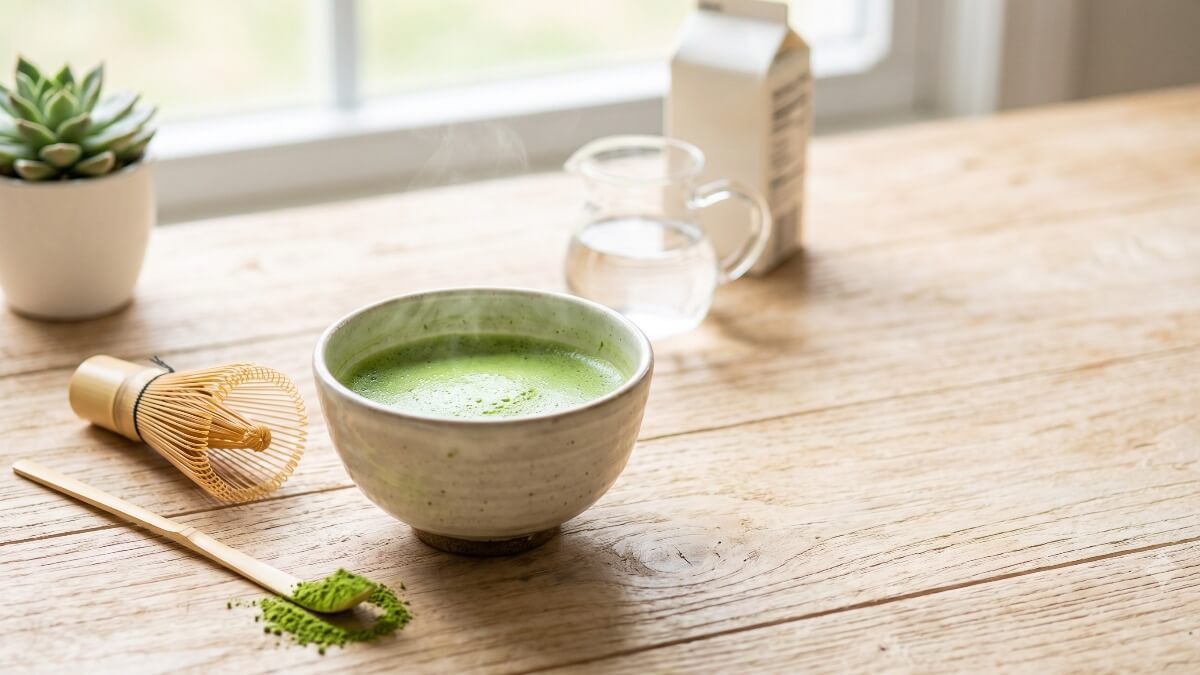
Today, matcha tea is a highly familiar name among health-conscious individuals everywhere. Because of its vibrant green color and incredible health benefits, it has gained tremendous popularity worldwide.
If you are looking for a healthier alternative to coffee or want to add something new and exciting to your daily routine, matcha can be an excellent choice. It offers a unique flavor profile alongside a vast array of physical and mental benefits.
In this comprehensive guide, we will explore everything you need to know about matcha tea. From its ancient historical origins to its modern health benefits, and from its nutritional profile to how you can easily prepare it at home, we will discuss it all right here.
What is Matcha Tea?
Matcha is a unique type of green tea. It is carefully produced from the leaves of Camellia sinensis, the same plant used to make all other traditional caffeinated teas.
Unlike regular tea, it is not steeped in hot water and then strained. Instead, the entire tea leaf is ground into an incredibly fine, bright green powder and mixed directly into the water.
Because you consume the entire leaf, matcha tea contains significantly more nutritional value than regular steeped tea. It is widely known for its unique, earthy flavor and the deeply refreshing feeling it provides with every sip.
The History and Origins of Matcha
The history of matcha is ancient and steeped in rich tradition. Although it is globally recognized as an integral part of Japanese culture, its true origins actually trace back to ancient China.
During the Tang Dynasty in China, around the eighth century, the practice of steaming tea leaves, forming them into bricks, and later grinding them into a powder to drink became quite popular. Later, during the twelfth century, traveling Buddhist monks brought this unique preparation method over to Japan.
After arriving in Japan, Zen Buddhist monks began drinking matcha to help maintain their focus and stay awake during long hours of deep meditation. Slowly but surely, it evolved into the central element of the famous traditional Japanese tea ceremony.
How Matcha is Different from Regular Green Tea
Many people mistakenly believe that matcha and regular green tea are exactly the same thing. However, there are several major differences between the two beverages.
To make regular green tea, you soak dried tea leaves in hot water, then discard the leaves and drink only the infused water. You are only getting a fraction of the nutrients the leaf has to offer.
On the other hand, to make matcha, the whole leaf is ground into a fine powder using stone mills. This entire powder is then mixed with water and consumed. As a result, all the rich nutrients of the green tea leaf enter your body directly.
Additionally, there are significant differences in cultivation methods between the two, which make matcha even more special and nutrient-dense.
How Matcha is Made
The process of making matcha is quite complex and highly time-consuming. Farmers must put in a lot of hard work and dedication to produce a perfect cup of matcha. The main steps are discussed in detail below.
Cultivating the Tea Leaves in the Shade
The first and most crucial step in making matcha is cultivating it in the shade. About twenty to thirty days before the harvest, the tea plants are carefully covered with special shading materials to block out direct sunlight.
Keeping them away from the bright sun causes a massive increase in leaf chlorophyll levels. This is what gives the leaves their iconic dark green color and significantly boosts amino acid production.
This incredible increase in amino acid content is precisely why the taste of high-quality matcha is so sweet, vegetal, and rich in umami.
Harvesting and Processing Techniques
After the shading period is complete, only the youngest and softest leaves are carefully picked by hand. This selective harvesting ensures that only the highest-quality leaves reach the next stage.
Immediately after collection, the leaves are quickly steamed. This rapid steaming process completely stops the fermentation and oxidation process of the leaves.
As a result, the leaves’ bright green color and fresh antioxidants are perfectly preserved. After steaming, the leaves are gently air-dried to prepare them for the next phase.
Grinding the Leaves into a Fine Powder
Once the leaves are completely dry, the stems and veins are carefully removed, leaving only the purest part of the leaf. This specific de-veined leaf is known as tencha.
The tencha is then ground incredibly slowly into a fine powder using traditional granite stone mills. Special care is taken to ensure that no excess heat is generated during this grinding process.
Excess heat can easily destroy the tea’s delicate nutritional value and subtle flavor. This resulting ultra-fine powder is the matcha that we all know and love.
The Nutritional Profile of Matcha Tea
Matcha is a true nutritional powerhouse. Since you are eating the entire leaf, it contains vastly more nutrients than standard brewed tea.
Vitamins and Minerals in Matcha
Matcha contains an abundance of essential vitamins and minerals. You can easily find Vitamin A, Vitamin C, Vitamin E, and Vitamin K packed within this vibrant green powder.
Furthermore, it is a fantastic natural source of essential dietary minerals such as potassium, calcium, and iron. These vital elements work together to help boost your body’s immune system and keep you functioning at your best.
Antioxidants and Catechins
Matcha is absolutely loaded with antioxidants. In particular, it contains a highly potent class of antioxidants known as catechins, the most potent of which is epigallocatechin gallate (EGCG).
EGCG protects our body’s cells from harmful free radicals that cause cellular damage. It plays a highly important role in preventing chronic diseases and stopping premature cellular aging.
Caffeine and L-Theanine Content
Matcha contains slightly less caffeine than a cup of coffee but significantly more than a cup of regular green tea. However, the biggest attraction of matcha is its unique amino acid, L-theanine.
L-theanine slows down the absorption of caffeine into the bloodstream. As a result, you do not experience the sudden energy spike and subsequent crash that often comes with drinking coffee. It provides the body with a soothing, calm, and long-lasting supply of energy.
Top Health Benefits of Matcha Tea
The health benefits of matcha tea have been scientifically proven time and time again. Some of its primary benefits are discussed in great detail below. To learn more, you can explore the extensive research articles available on reputable health websites such as Healthline.
Packed with Powerful Antioxidants
As mentioned earlier, matcha is one of the best sources of antioxidants in the world. Antioxidants eliminate harmful toxins from our bodies and promote cellular repair.
This helps reduce the risk of chronic and dangerous diseases like diabetes and heart complications. Drinking matcha regularly keeps the body deeply healthy from the inside out.
Helps Improve Focus and Mental Clarity
The L-theanine present in matcha creates alpha waves in the brain. These unique brain waves help to significantly reduce mental stress and keep the mind entirely calm.
At the exact same time, the caffeine keeps the body alert and awake. The combination of these two elements multiplies human focus and working capacity manifold, providing a state of relaxed alertness.
Can Naturally Boost Energy Levels
Drinking coffee often causes restlessness or jitteriness. But when you drink matcha, you do not face this uncomfortable problem.
Matcha provides you with a slow, steady, and stable source of energy. This gentle energy lasts for hours on end, helping keep you active and productive throughout the day.
Supports Heart Health
Drinking matcha regularly can be incredibly beneficial for your heart. Various scientific studies have shown that green tea and matcha help reduce LDL (bad) cholesterol levels in your bloodstream.
Additionally, it is very helpful in keeping your blood pressure under control. As a result, the overall risk of heart attacks and strokes is significantly reduced.
May Aid in Weight Management
Matcha can be a fantastic addition to any weight loss diet. It naturally helps to increase your metabolism and boost your basal metabolic rate.
Drinking matcha before physical exercise greatly accelerates fat burning. This makes your workouts much more effective.
Helps Combat Oxidative Stress
Due to modern daily lifestyles, environmental pollution, and unhealthy diets, oxidative stress accumulates in our bodies. This dangerous stress damages our healthy cells.
The powerful antioxidants found in matcha help reduce this oxidative stress, keeping the body profoundly healthy, vibrant, and youthful.
Matcha Tea and Weight Loss: What the Research Says
A significant body of scientific research has examined the specific role of matcha in weight loss. According to medical experts at WebMD, the EGCG found in matcha directly stimulates the body’s fat breakdown process.
Studies have clearly shown that consuming matcha extract during moderate exercise can increase the body’s fat-burning capacity by up to 17%.
However, it is very important to remember that simply drinking matcha alone will not magically cause weight loss. It is absolutely essential to pair it with a proper, balanced diet and regular physical exercise.
Matcha Tea for Brain Health and Focus
Matcha works wonderfully to maintain and protect brain function over time. The natural tendency for memory to decline with age can be slowed by consuming matcha.
It naturally improves the brain’s memory retention capacity and greatly enhances reaction times. For those who do a lot of mentally stressful work, matcha can act as an incredible, all-natural brain booster.
Matcha Tea for Skin Health and Beauty
The amazing benefits of matcha are not limited to the body; it is also highly beneficial for your skin’s health. Its natural anti-inflammatory properties help reduce skin redness and combat stubborn acne.
Applying a topical matcha face mask can efficiently control excess oil production on your face. Furthermore, its rich antioxidant content eliminates fine lines and wrinkles, leaving the skin looking exceptionally bright and fresh.
Traditional Methods for Preparing Matcha Tea
Following the rich tradition of the Japanese tea ceremony, preparing matcha is treated almost like an art form. If you follow the correct methods, you can easily enjoy its authentic, earthy taste right at home.
Essential Tools and Ingredients for Brewing
You need a few special tools to prepare traditional matcha correctly. The first is a ‘Chawan’, which is a beautifully crafted, medium-sized ceramic bowl.
The second is a ‘Chasen’, a specially carved bamboo whisk used to aerate the tea. Finally, the third tool is a ‘Chashaku’, a delicate, slender bamboo spoon used to measure the powder.
Choosing the Right Water Temperature
You should absolutely never use boiling water to prepare matcha. Boiling water will instantly burn the delicate tea leaves, bringing out a very harsh, bitter taste.
After bringing your water to a boil, let it sit and cool down for a few minutes. The ideal temperature for brewing matcha is around 80 degrees Celsius (or roughly 176 degrees Fahrenheit).
Whisking Matcha for a Smooth Texture
Take one or two scoops of matcha powder (about half a teaspoon) with your Chashaku and place it into the bowl. Then, pour a small amount of your temperature-controlled hot water over the powder.
Now, using the bamboo whisk (Chasen), start whisking rapidly in a zigzag motion, mimicking the shape of the English letters ‘W’ or ‘M’. Keep whisking briskly until a beautiful, thick layer of foam forms on the top of the tea.
Once that lovely green foam forms, you will know your traditional matcha tea is ready to drink.
Easy Matcha Tea Recipes to Try at Home
If you want, you can easily use matcha to make a wide variety of delicious drinks and foods right in your own kitchen. Some fantastic, easy-to-follow recipes are provided below.
Traditional Matcha Tea
Take half a teaspoon of high-quality matcha powder in your favorite bowl. Add about 60 milliliters of hot water (remember, not boiling) to the powder.
Mix it very thoroughly with your bamboo whisk or a small electric frother until a thick foam forms on the surface. This is the purest, most traditional, and healthiest method of consumption.
Matcha Latte
Making a delicious, cafe-style matcha latte is incredibly simple. In a mug, take one full teaspoon of matcha powder and mix it with a splash of hot water to create a smooth, clump-free paste.
Next, add your favorite steamed or heated milk to the mug (cow’s milk, oat milk, or almond milk all work wonderfully). For a touch of natural sweetness, you can add a little bit of honey or pure maple syrup.
Iced Matcha Tea
On a hot summer day, a glass of iced matcha is incredibly refreshing and cooling. Fill a tall glass to the top with fresh ice cubes.
In a separate, smaller container, thoroughly mix your matcha powder with a little warm water and a touch of honey. Now, pour this vibrant green mixture directly over the ice glass and fill the rest of the way with cold water or cold milk.
Matcha Smoothie
You can easily use matcha to make a highly nutritious smoothie for your morning breakfast. In a high-powered blender, add one ripe banana, a handful of fresh spinach, half a cup of milk, and one teaspoon of premium matcha powder.
Blend everything together until it is completely smooth, and you will have created a wonderfully nutritious and filling matcha smoothie to start your day.
Matcha Dessert Recipes
Matcha powder can be used to create a variety of cakes, cookies, and even homemade ice cream.
Simply mix one tablespoon of culinary-grade matcha powder into your standard vanilla cake batter or cookie dough. This will instantly add a beautiful, natural green color and a fantastic earthy flavor to your baked goods.
Culinary Grade vs. Ceremonial Grade Matcha
There are primarily two main grades of matcha widely available in the market today. One is called ceremonial grade, and the other is called culinary grade.
Ceremonial grade is the absolute highest quality of matcha available. It is made exclusively from the youngest, most tender leaves at the top of the plant. Its color is a vibrant, shocking green, and the taste is incredibly smooth, sweet, and devoid of bitterness. It is meant to be used solely for drinking as traditional tea.
On the other hand, culinary-grade matcha is made from slightly more mature leaves found further down the stem. Its taste can be a bit stronger and more robust, and the color might be a slightly lighter or duller green. It is generally used for cooking, baking, or making heavy smoothies, and it is usually somewhat cheaper than the ceremonial grade.
How to Choose High-Quality Matcha Powder
There are a few very simple ways to identify good-quality matcha. First and foremost, you must pay close attention to the color. High-quality matcha will always have an extremely bright, vibrant, and fresh green color. You should actively avoid any matcha that looks dark, brownish, or yellowish.
Secondly, the smell should be deeply appealing. It should smell incredibly fresh, grassy, and slightly sweet.
Thirdly, the powder’s texture should be extremely fine and silky. It should feel exactly like talcum powder when rubbed between your fingers. Always try to buy matcha from trustworthy brands that specifically source their products directly from Japan.
Common Mistakes to Avoid When Making Matcha Tea
Many people make a few common mistakes when preparing matcha for the first time, which can completely ruin its authentic flavor.
The biggest and most frequent mistake is using rapidly boiling water. This directly causes a highly bitter, unpleasant taste to develop in the tea. Another very common mistake is pouring the matcha powder directly into the bowl without sifting it first. If you sift it through a fine mesh strainer, the powder will not form annoying clumps.
Additionally, if you do not whisk the mixture vigorously enough, the authentic creamy texture and signature foam of the matcha will simply not form.
Best Food Pairings with Matcha Tea
Traditionally, sweet Japanese confections are served alongside a warm bowl of matcha tea. These sweet treats create a fantastic balance with the tea’s slightly bitter, deep umami flavor.
You can easily enjoy it with traditional mochi, lightly sweetened biscuits, rich dark chocolate, or any assortment of dry fruits. Highly spicy or extremely heavy foods can easily overpower and destroy the delicate, authentic taste of the matcha.
Potential Side Effects of Matcha Tea
Matcha tea is generally considered safe for almost everyone to consume. However, drinking an excessive amount can certainly lead to a few minor problems.
Because it contains caffeine, drinking too much can easily lead to unpleasant issues like insomnia, mild headaches, or heart palpitations.
Furthermore, drinking very strong matcha on a completely empty stomach can cause gastric discomfort or an upset stomach for some people. Therefore, drinking it in moderation is always the smartest and safest approach.
How Much Matcha Tea Can You Drink Daily?
According to various health experts and nutritionists, drinking one to two cups of matcha tea every single day is completely safe and highly healthy for the average adult.
This moderate amount of matcha will successfully provide you with all the necessary antioxidants and daily energy you need. Still, it will not cause any of the negative effects associated with overconsuming caffeine.
Pregnant women and individuals who are highly sensitive to caffeine should definitely consult their doctor or primary care physician before heavily consuming matcha.
The Best Ways to Store Matcha Tea Properly
Matcha powder is highly delicate and can spoil very quickly when exposed to bright light and fresh air. Therefore, storing it correctly is absolutely essential for maintaining its quality.
You should always keep your matcha carefully sealed inside a completely airtight container. It is best to store this in an airtight container in the refrigerator to keep it fresh.
However, before using it, you should always let the container come to room temperature to prevent condensation. You must never place your matcha directly in the sunlight or anywhere near a hot stove.
Frequently Asked Questions About Matcha Tea
People naturally have a wide variety of questions regarding matcha. Here are detailed answers to some of the most commonly asked questions.
Does Matcha Have More Caffeine Than Coffee?
No, generally speaking, one cup of prepared matcha contains a lower amount of caffeine compared to one standard cup of brewed coffee. However, the unique caffeine present in matcha works much more gradually in the body. Therefore, you do not experience a sudden energy crash like you do with coffee, but rather a prolonged, deeply refreshing feeling.
Is Matcha Better Than Green Tea?
Both beverages are incredibly healthy, but matcha’s nutritional density is much higher. Since you are physically eating the entire ground leaf when drinking matcha, you receive nearly ten times the amount of antioxidants and raw nutrients compared to drinking a standard cup of steeped green tea.
Can You Drink Matcha Tea Every Day?
Yes, you can confidently and safely drink matcha tea every single day. Consuming one to two cups daily is highly beneficial for your overall physical health, immune system support, and lasting mental peace.
Final Thoughts on Matcha Tea Benefits, Recipes, and Uses
Matcha tea is not just a simple, tasty beverage; it is an incredible source of profound wellness and lifelong good health. Its massive antioxidant profile, natural energy-boosting capabilities, and deeply calming qualities completely set it apart from all other drinks available today.
Important Tips for Beginners
If you have never experienced drinking matcha before, you should definitely start with a very small amount. The strong, earthy flavor might feel a little bit unfamiliar during your first few tries. You can easily start incorporating it into your daily diet by trying out a sweet matcha latte or a refreshing blended smoothie first.
Why the Popularity of Matcha Keeps Growing
People today are far more health-conscious than ever before. They are actively searching for completely natural, side-effect-free superfoods to improve their lives. Matcha perfectly fulfills all of these modern demands, which is exactly why it has become so incredibly popular among fitness lovers and wellness enthusiasts all over the globe.
Simple Ways to Add Matcha to Your Daily Routine
Try drinking a warm, soothing cup of matcha instead of your usual morning cup of coffee. Alternatively, you can easily make a quick iced matcha to banish fatigue during your busy afternoon work breaks. If prepared the right way, it will not only keep your body incredibly healthy but also rapidly become a deeply calming, cherished part of your everyday life.
Go ahead and pick up some high-quality matcha today, and proudly start enjoying the magical, life-changing benefits of this wonderful green superfood!