Bubble Tea Guide: Flavors, Toppings & Easy Recipes
A brightly lit, high-resolution photograph of a classic brown sugar boba milk tea in a tall, clear glass on a rustic wooden table. Dry tapioca pearls are scattered around the base next to a wide, reusable bamboo straw, set against a soft, blurred background of a cozy, modern kitchen.
When talking about the most popular beverages across the globe today, bubble tea is always at the top of the list. It is not just a standard drink. It is a truly wonderful culinary experience.
Its sweet taste, delightfully chewy toppings, and visually pleasing colors have made it a favorite for people of all ages.
If you are already a massive fan of this beverage or you are thinking about making it at home for the very first time, you are in the exact right place. We will discuss everything you need to know about bubble tea in this comprehensive article.
This guide is written in simple language with short paragraphs to help you learn everything about the world of bubble tea. Let us get started.
What is Bubble Tea?
Bubble tea is a refreshing beverage primarily made with tea, milk, sweetened syrup, ice, and chewy tapioca pearls. It is also widely known as boba tea, pearl milk tea, or tapioca tea.
Many people assume the name “bubble tea” comes from the round pearls resting at the bottom of the drink. The actual origin of the name is quite different. When the tea and milk are vigorously shaken in a cocktail shaker, a thick layer of foamy bubbles forms on top. These foamy bubbles are what originally gave bubble tea its famous name.
This beverage is highly versatile. You can choose your preferred tea base, sweetness level, and ice amount to create a flavor profile tailored to your taste.
The Origin and History of Bubble Tea (Boba Tea)
Bubble tea originated in Taiwan. It is widely believed to have been invented in Taichung in the 1980s. According to historical accounts, a tea shop named Chun Shui Tang is recognized as the pioneer of bubble tea.
During a staff meeting, the shop’s product development manager poured some sweet tapioca pudding into her iced tea. The resulting drink was so delicious that they immediately decided to add it to their menu.
It quickly became a massive hit among the youth in Taiwan. By the late 1990s, it had spread to other Asian countries and eventually reached North America and Europe. Today, it is a true global phenomenon.
Why Bubble Tea Became a Global Trend
There are several key reasons behind the massive success of bubble tea. First, it offers endless customization. A customer can specify exactly how they want their drink prepared.
Second, the impact of social media cannot be ignored. The colorful drinks, beautiful contrasting layers, and the visual of drinking through a giant straw look incredibly aesthetic on platforms like Instagram and TikTok. People simply love taking pictures of the beverage before they drink it.
Furthermore, the continuous introduction of innovative flavors has kept it highly relevant. Alongside traditional teas, the addition of fruit juices, matcha, and cheese foam has successfully captured the attention of a highly diverse audience.
The Basic Ingredients of Bubble Tea
Creating the perfect bubble tea requires a few fundamental ingredients. We have detailed each of them below.
The Tea Base (Black, Green, or Oolong Tea)
The tea base is the absolute heart of any bubble tea. Black tea is the most classic and popular choice. Its robust flavor creates a wonderful balance with the rich milk and sweeteners.
Green tea is heavily used, especially with jasmine infusions. It adds a light and floral aroma to the beverage. This makes it particularly suitable for fruit-flavored bubble teas.
Oolong tea falls right in the middle of black and green tea. It provides a slightly roasted flavor profile that blends remarkably well with milk to create an extraordinary taste.
Milk and Creamer
Milk or creamer gives bubble tea its famous rich texture. Traditional bubble tea shops frequently use non-dairy creamer powders. This thickens the drink and significantly enhances its overall flavor.
However, fresh cow’s milk is widely used today. For those who are lactose intolerant or vegan, there are excellent alternatives like oat milk, soy milk, or almond milk. Oat milk pairs exceptionally well with brown sugar boba.
Sweeteners (Sugar, Syrup, Honey)
Bubble tea feels incomplete without a touch of sweetness. Liquid sugar syrup, or simple syrup, is typically used because it dissolves easily into cold beverages.
Brown sugar syrup is currently the biggest trend in the boba world. It provides a deep, rich, caramel-like flavor. Additionally, honey is a very popular sweetener for green teas because it offers a very natural, floral sweetness.
Tapioca Pearls (Boba)
Tapioca pearls are small starch balls extracted from the roots of the cassava plant. They are naturally white and completely flavorless. However, boiling them with brown sugar or caramel gives them their signature black color and sweet taste.
The biggest attraction of these pearls is their unique texture. They are not entirely soft, yet they are not hard either. In Taiwan, this perfect chewy texture is famously referred to as “QQ”.
Popular Bubble Tea Flavors
There is absolutely no shortage of flavors in the bubble tea universe. We have highlighted some of the most highly requested flavors below.
Classic Milk Tea
This is the exact flavor that started everything. It is a simple mixture of black tea, milk, ice, and sweet syrup. ..It is always paired with classic tapioca pearls. It is highly straightforward but incredibly delicious. This is the best choice for anyone trying bubble tea for the first time.
Taro Bubble Tea
Taro is a type of sweet root vegetable. Bubble tea made from taro has a beautiful light purple color. The flavor profile is somewhat similar to vanilla and toasted nuts. It is usually blended into a thick smoothie or mixed directly with milk. Its creamy taste fascinates almost everyone.
Matcha Bubble Tea
Matcha is a finely ground Japanese green tea powder. Its vibrant green color and slightly earthy, bitter taste create a brilliant balance with milk and sugar. Matcha bubble tea is an excellent alternative for people who do not enjoy overly sweet drinks. It is also rich in antioxidants.
Brown Sugar Milk Tea
Brown sugar milk tea has taken the world by storm over the last few years. The thick brown sugar syrup is smeared around the inside of the glass before milk and boba are poured in, creating a look similar to tiger stripes. This version usually uses only fresh milk instead of a brewed tea base. The taste is remarkably close to rich liquid caramel.
Fruit Flavored Bubble Tea
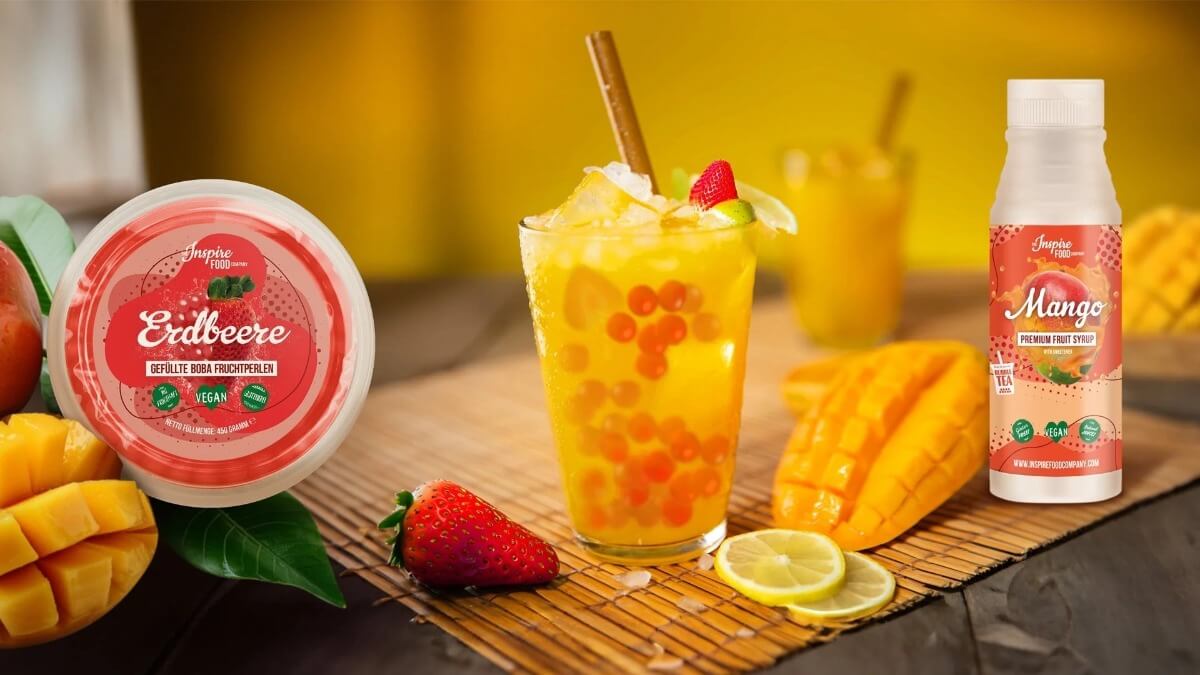
Fruit bubble tea is fantastic for a refreshing kick on a hot summer day. Instead of milk, it utilizes fruit syrups or fresh fruit juices mixed with green tea. Mango, strawberry, lychee, passion fruit, and peach are among the most popular fruit varieties.
Bubble Tea Toppings You Can Try
Besides standard boba, there are plenty of other delicious toppings you can add to your drink.
Tapioca Pearls (Boba)
As mentioned earlier, this is the ultimate classic topping. Its sweet and chewy nature makes any beverage highly enjoyable. It pairs perfectly with all types of milk tea.
Jelly Cubes (Coconut, Grass, Coffee Jelly)
Jelly cubes add a completely different textural dimension to the drink. Coconut jelly pairs wonderfully with fruit teas. Grass jelly is a traditional Asian dessert that complements black milk tea beautifully. Coffee jelly is a fantastic option for caffeine lovers.
Popping Boba
Popping boba is very different from traditional tapioca pearls. These are tiny spheres filled with real fruit juice. When you bite into them, they pop in your mouth and release a burst of sweet juice. This marvel of molecular gastronomy tastes best with iced fruit teas.
Pudding and Custard
Egg pudding or custard adds a soft and creamy bottom layer to your bubble tea. It does not require heavy chewing like pearls do. Instead, it literally melts in your mouth. It is highly popular with taro or classic milk teas.
Aloe Vera and Chia Seeds
Aloe vera cubes or chia seeds are superb for those seeking a healthier alternative. -Aloe vera adds a refreshing crunch to the beverage. Chia seeds are rich in Omega-3 and help thicken the drink naturally.
How to Make Bubble Tea at Home (Step-by-Step Guide)
Buying from a shop is always fun, but making bubble tea at home is quite easy and highly cost-effective. The step-by-step process is provided below.
Preparing the Tea Base
First, boil your preferred loose-leaf tea or tea bags in hot water. For black tea, you need to brew a very strong liquid. Once brewed, let it cool down to room temperature. Pouring hot tea directly over ice will melt the ice rapidly and water down your drink. It is a great idea to brew the tea in advance and refrigerate it.
Cooking Tapioca Pearls Properly
Bring a generous amount of water to a rolling boil in a saucepan. Once the water is bubbling aggressively, pour in your dry tapioca pearls. Stir them gently until they float to the top. Then, lower the heat, cover the pan, and let them cook for 15 to 20 minutes. Turn off the stove and let the pearls sit in the hot water for another 15 minutes. Drain the water and immediately soak the cooked pearls in brown sugar syrup.
Mixing the Milk, Sweetener, and Tea
Take a large glass or a cocktail shaker and add your chilled tea, your preferred milk or creamer, and your sweet syrup. You can use simple sugar syrup or honey if you prefer. Mix all the ingredients thoroughly. If you have a shaker, add a few ice cubes and shake vigorously to create that beautiful foam on top.
Assembling Your Bubble Tea
Take a clean serving glass. Place your pre-cooked boba and a little bit of syrup at the bottom of the glass. Fill the glass generously with ice cubes. Finally, pour your tea-and-milk mixture over the ice. Serve immediately with a wide boba straw.
Easy Homemade Bubble Tea Recipe
For your absolute convenience, here is a very simple recipe for a classic brown sugar milk tea.
Ingredients:
-
2 tablespoons of loose black tea leaves (or 3 tea bags)
-
1 cup of hot water
-
Half a cup of fresh milk or oat milk
-
3 tablespoons of cooked tapioca pearls
-
2 tablespoons of brown sugar syrup
-
Ice cubes as needed
Instructions:
-
Steep the tea leaves in hot water for 5 minutes. Strain the tea and let it cool completely.
-
Place the cooked tapioca pearls at the bottom of a tall glass.
-
Smear the brown sugar syrup around the inner walls of the glass.
-
Fill the glass with plenty of ice.
-
Pour the chilled black tea and milk directly into the glass.
-
Stir well with a wide straw and enjoy your delicious homemade bubble tea.
Hot vs. Cold Bubble Tea: What is the Difference?
Most people automatically picture an ice-cold beverage when they hear the words bubble tea. It provides amazing refreshment on hot days. In cold bubble tea, the pearls remain slightly firm and highly chewy.
However, hot bubble tea is incredibly popular during the winter or in colder climates. The aroma of the tea is much stronger in a hot beverage. Additionally, the tapioca pearls become much softer and stickier in hot liquids. Anyone who prefers a softer texture will thoroughly enjoy hot milk tea.
Is Bubble Tea Healthy? Nutrition and Considerations
While bubble tea is undeniably delicious, it is not considered a healthy daily beverage. A standard bubble tea contains high amounts of sugar and calories. According to major nutritional platforms, a medium-sized boba tea can pack anywhere between 300 and 500 calories.
Tapioca pearls are primarily made of carbohydrates and contain almost zero protein or fiber. You can easily make it a bit healthier, though. Choose zero-sugar or low-sugar alternatives. Use skimmed or plant-based milk instead of full-cream milk. Substituting boba with aloe vera or chia seeds will also significantly reduce the calorie count.
Tips for Making the Perfect Bubble Tea at Home
A few small but critical tips can elevate your homemade bubble tea to a professional level.
Always use premium quality tea leaves. The quality of the tea determines the final drink’s flavor profile. Secondly, always cook your tapioca pearls fresh. Stale or refrigerated pearls will turn rock hard. Finally, use a cocktail shaker when mixing the beverage. It blends the tea, milk, and syrup flawlessly, producing the highly desired signature bubbles.
Common Mistakes to Avoid When Making Bubble Tea
Many people make a few common mistakes when preparing bubble tea for the first time.
The biggest mistake is dropping raw boba into cold or lukewarm water instead of boiling water. This causes the boba to dissolve into a mushy paste. You must add boba only when the water is boiling vigorously.
Another frequent mistake is brewing a very weak tea base. Since you will be adding plenty of milk and ice to the drink, the tea liquor must be much stronger than usual. Otherwise, you will not be able to taste the tea in your beverage at all.
Different Variations of Bubble Tea Around the World
You will find many variations of bubble tea worldwide, each heavily influenced by local culinary tastes.
Authentic Boba Tea from Taiwan
The classic Taiwanese recipe places a strong emphasis on a strong tea flavor. Non-dairy creamer and local black teas are used most frequently there. The sweetness level is also measured with extreme precision to avoid overpowering the tea.
Thai Milk Tea
Thai milk tea is highly recognizable by its bright orange color. It features a blend of star anise, cardamom, and other crushed spices. Instead of regular milk, it almost always uses sweetened condensed milk, making it exceptionally sweet and rich. It is a fantastic combination when paired with boba pearls.
Vegan Bubble Tea Alternatives
Bubble tea is readily available to those who avoid animal products. Vegan bubble tea is hugely popular in Western countries and is currently growing fast in Asia. It easily swaps cow’s milk for soy, almond, or oat milk, and often uses agave syrup as a perfect substitute for honey.
How to Store Bubble Tea and Tapioca Pearls
Failing to understand proper storage methods can ruin the taste of your bubble tea entirely. Raw or uncooked tapioca pearls must always be stored in an airtight container in a cool, dry place. They should never be placed in the refrigerator because excess moisture will ruin them.
Cooked boba pearls should be kept soaked in syrup at room temperature and consumed within four to six hours. If you put cooked boba in the fridge, the starch inside retrogrades, making it completely hard and inedible. If you have leftover tea, you can store the tea-and-milk mixture in the fridge, but it is best to throw away the leftover pearls.
Frequently Asked Questions About Bubble Tea
Why do boba pearls get hard?
Boba pearls are formulated from cassava starch. They are incredibly soft immediately after cooking. If the temperature drops or they are placed in a refrigerator, the internal structure hardens through a process called starch retrogradation. It is always best to eat boba while it is fresh.
Can I make bubble tea without milk?
Absolutely! Bubble tea made without milk is typically called fruit tea or clear tea. Mixing green or black tea with fruit syrups and boba creates a highly refreshing beverage. This is the absolute best option for anyone who cannot consume dairy.
How long does bubble tea stay fresh?
It is best to drink bubble tea immediately after it is prepared. You can store the beverage without ice in the fridge for up to 24 hours. Just remember that the boba pearls inside will begin to harden within just a few hours. It is much smarter to add a fresh batch of boba right before you drink it.
Final Thoughts on the Bubble Tea Trend and Homemade Recipes
Bubble tea is not just a passing trend. It represents a highly creative revolution in the global beverage industry. Its infinite flavors, fun textures, and deep customization options have made it beloved by people of all ages. Aside from buying it at local cafes, making bubble tea at home exactly the way you like it can become a fantastic personal hobby.
Hopefully, this guide has given you a very clear and accurate understanding of bubble tea. By following every step, from selecting your tea base to boiling your boba, you can prepare professional-grade bubble tea right in your own kitchen. Gather your favorite ingredients today and enjoy a delicious glass of homemade boba tea. This fun beverage will definitely make your day a lot more colorful!