Rose Water: A Complete Guide to Skincare, Health, and Uses
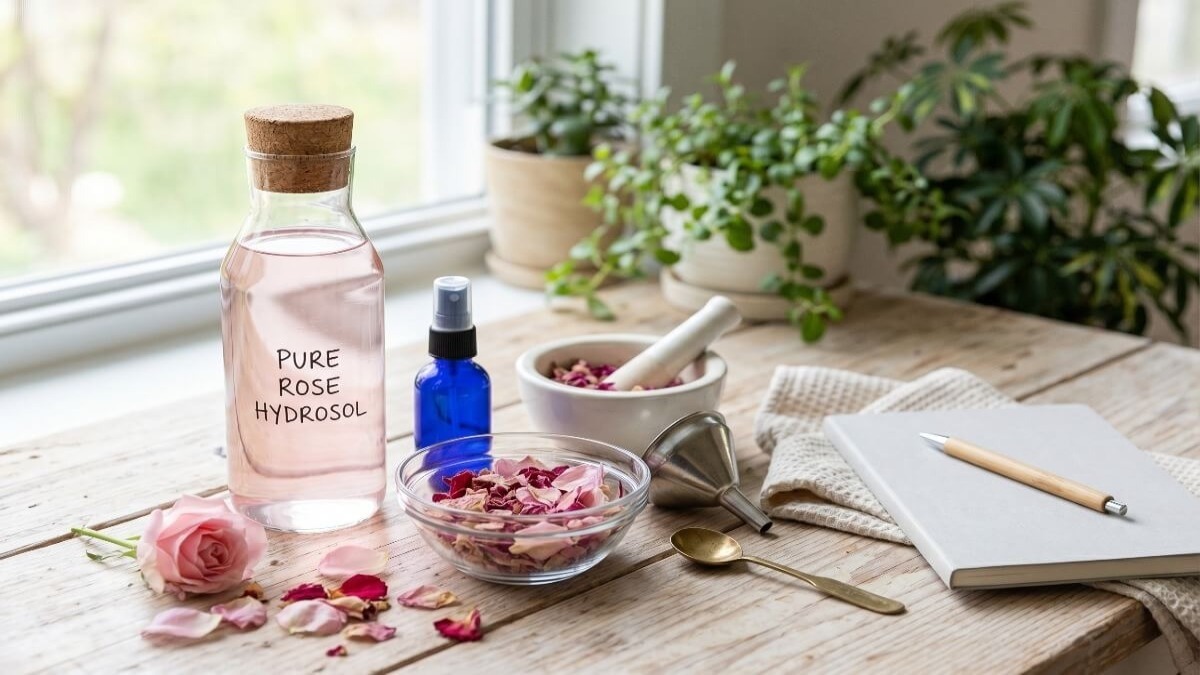
Roses are one of nature’s best gifts. Beyond their beauty, they hold a special place in the world of health and skincare. The “rose water” created from these flowers has been used globally for centuries. It is a natural ingredient that deserves a spot in everyone’s daily beauty routine.
If you are looking for a natural, safe, and effective solution for your skin and hair care, rose water can be your best friend. In this complete guide, we will explore what rose water is, its history, its benefits for your health and skin, and a simple method for making it at home. Let us dive into the details.
What is Rose Water?
Rose water is a fragrant liquid made from rose petals and water. In scientific terms, its primary source is the “Rosa damascena,” or Damask rose. The fragrance and oil quality of this specific rose are considered the absolute best.
Essentially, rose water is found as a byproduct when extracting essential oils from rose petals. It is a natural hydrosol. This means it contains the rose’s watery extract along with a small amount of natural rose oil.
Rose water looks just like regular, clear water. However, its aroma can refresh you in an instant. From ancient times to modern cosmetics, rose water has firmly held its ground.
History and Traditional Uses of Rose Water
The use of rose water is not a recent trend. It has been used for beauty and medicinal purposes for thousands of years. According to historians, the practice of making rose water first began in the Middle East. It was considered extremely valuable in ancient Persia (modern-day Iran).
The renowned physician Ibn Sina (Avicenna) is credited with discovering the steam distillation method for separating pure rose water and oil from rose petals. From there, it spread across the world. It is said that Cleopatra, the ancient queen of Egypt, regularly bathed in a mixture of rose water and milk to maintain her beauty.
Its history in the Indian subcontinent is also quite rich. During the Mughal era, queens of the royal family used rose water in their daily skincare and bathwater. Beyond beauty, it was widely used to entertain guests and add fragrance to traditional cuisines.
Why Rose Water is Popular for Skincare and Wellness
Today, there are thousands of chemical cosmetics available in the market. Amid all this, rose water has not lost any of its popularity. The biggest reason is that it is entirely natural and safe for all skin types.
People with highly sensitive skin often struggle to use commercial cosmetics. Rose water is a blessing for them. It does not cause any discomfort or irritation. Instead, it soothes the skin from within.
Additionally, it is easily available and quite affordable. In our busy daily lives, a few drops of rose water are enough to quickly refresh the skin. Its versatility has made it equally popular among men and women.
How Rose Water is Made
The process of making rose water is quite fascinating. It can be made in various ways, both commercially and at home. Below, we discuss the preparation methods.
Steam Distillation Method
The purest and highest quality rose water is made using the steam distillation method. In this process, fresh rose petals and water are boiled together in a large vat. The steam created from the boiling water is collected in another container through a tube.
When this steam cools down and turns back into a liquid, a layer of natural rose oil floats on top, and pure rose water remains at the bottom. This watery part is what we use as a cosmetic. It is long-lasting, and its fragrance is completely natural.
Rose Water vs. Rose Essential Oil
Many people confuse rose water with rose essential oil. Essential oil is the most concentrated extract of rose petals. It is highly potent and cannot be used directly on the skin. To use it, you must mix it with a carrier oil.
On the other hand, rose water is a hydrosol. It contains a high amount of water and a very minimal amount of essential oil. Therefore, it is completely safe to apply directly to the skin.
Natural vs. Commercial Rose Water
You can find many types of rose water in the market. However, not all rose water is the same. Natural rose water is made solely from rose petals and water. It contains no artificial colors or fragrances.
Commercial rose water often contains artificial scents, alcohol, and pink food coloring. These can be harmful to the skin. Therefore, you should always check the ingredient list before purchasing.
Nutritional and Chemical Components of Rose Water
Rose water is not just scented water. It hides various essential elements for the skin. Scientific research shows that rose water contains several nutrients beneficial for skin and health. Various studies from the National Library of Medicine (NIH) highlight its chemical composition.
Natural Antioxidants
Rose water contains powerful antioxidants. Vitamin C and Vitamin E are among the most prominent. Antioxidants protect our skin from free radical damage.
They help repair the damage caused by environmental pollution and the sun’s ultraviolet rays. As a result, the skin cells remain healthy.
Bioactive Compounds
Rose water contains several bioactive compounds, such as flavonoids, tannins, and terpenes. These compounds possess anti-inflammatory and antibacterial properties.
They help prevent any skin infections. At the same time, they play a crucial role in skin cell regeneration.
Hydrating Properties
Rose water is an excellent natural humectant. This means it draws moisture from the environment and helps lock it inside the skin.
It works wonders for people with extremely dry skin. Regular use leaves the skin soft, supple, and glowing.
Main Benefits of Rose Water for Skin
The benefits of rose water for skincare are endless. Let us find out why it is so beneficial for the skin.
Hydrates and Refreshes the Skin
The first condition for healthy skin is maintaining adequate hydration. Rose water quickly penetrates deep into the skin and restores lost moisture.
Spraying it on sunburnt skin during the summer provides instant relief. It is also unmatched at softening rough skin in winter.
Helps Reduce Irritation and Redness
Rose water contains strong anti-inflammatory properties. Those suffering from skin conditions like eczema or rosacea can find relief by using it.
It works like magic to reduce redness, itching, and any burning sensation. Applying rose water after shaving or waxing quickly soothes the skin.
May Reduce Acne and Blemishes
Many people suffer from acne problems. The antibacterial properties of rose water help destroy the bacteria responsible for acne.
Using rose water regularly helps regulate excess oil (sebum) production. This reduces the chances of new breakouts. It is also effective in lightening dark acne scars.
Supports Anti-Aging Skincare
As we age, wrinkles begin to appear on the skin. The antioxidants in rose water help boost the skin’s collagen production.
It maintains the skin’s elasticity. As a result, wrinkles and fine lines are less visible, making the skin look youthful and fresh.
Balances Skin pH
Our skin has a natural acidic layer, with a pH usually between 4.5 and 5.5. Using alkaline soaps or face washes disrupts this balance.
Rose water helps restore this natural pH level. This keeps the skin protected from various bacterial attacks.
Rose Water in Hair Care
Rose water is equally beneficial for the hair. Here is how it works for healthy hair.
Benefits of Hydrating the Scalp
When the scalp becomes dry, hair fall issues increase. Rose water provides necessary moisture to the scalp.
Massaging a little rose water into the scalp after a shower helps eliminate dryness. It helps strengthen the hair roots.
Helps Reduce Dandruff
Dandruff occurs due to inflammation and fungal infections on the scalp. The antifungal and anti-inflammatory properties of rose water help eliminate dandruff.
Using rose water directly on the scalp or mixing it with conditioner after shampooing significantly reduces dandruff problems.
Adds Natural Shine and Softness
Rose water has a magical effect on rough and lifeless hair. It smooths the hair cuticles.
Regular use makes the hair silky, soft, and shiny. Additionally, it adds a beautiful natural fragrance to your hair.
Health Benefits of Rose Water
Beyond beauty treatments, rose water has several health benefits. Reliable health websites, such as Healthline, also mention these properties.
May Help Reduce Stress and Anxiety
The scent of rose water has a positive effect on our nervous system. Its aroma helps reduce stress, anxiety, and depression.
Spraying a little rose water on your pillow before bed or adding a few drops to your bathwater can help ensure a good night’s sleep. It is widely used in aromatherapy.
Aids Digestion in Traditional Medicine
Edible rose water helps improve digestion. In many Middle Eastern and South Asian countries, it is used to enhance the flavor and aroma of food.
It is effective in reducing bloating and stomach discomfort. Traditional Ayurvedic medicine often recommended drinking rose water to cure digestive issues.
Mild Anti-Inflammatory Properties
Rose water can provide relief for a sore throat or a dry cough. Its anti-inflammatory properties reduce throat discomfort.
Gargling with pure edible rose water can help clear throat infections. However, you must use chemical-free, food-grade rose water for this purpose.
How to Use Rose Water in Daily Life
You can easily incorporate rose water into your daily routine. Here are some common uses.
As a Facial Toner
Rose water is most commonly used as a facial toner. After cleansing your face, pour a few drops onto a cotton ball and gently dab it all over your face.
It pulls out deep-seated dirt and helps minimize the appearance of pores. It is suitable for all skin types.
In Face Masks and Skincare
Use rose water instead of regular water to make any face mask or pack. You can mix it with fuller’s earth, sandalwood powder, or gram flour.
You can also use it as a night cream by mixing it with aloe vera gel before going to bed. It deeply nourishes the skin.
In Hair Care
It can be used as a hair rinse. After shampooing, mix two tablespoons of rose water in a mug of water and use it as a final rinse.
Alternatively, you can mix a little rose water directly into your shampoo or conditioner bottle. It will help detangle your hair.
As a Natural Perfume or Mist
When your skin feels tired in the summer heat, it works wonderfully as a facial mist. Fill a spray bottle with rose water and keep it in the fridge.
Spray it on your face after coming back indoors or during breaks. You will feel refreshed instantly. It can also be used as a natural body mist instead of artificial perfumes.
Making Rose Water at Home: How to DIY
If you do not trust store-bought products, you can easily make pure rose water at home. It is incredibly simple and cost-effective.
Necessary Ingredients and Equipment
-
Fresh and clean rose petals (must be free from chemicals and pesticides).
-
Distilled water or filtered pure water.
-
Ice cubes.
-
A large pot with a lid.
-
A small heatproof bowl to place inside the pot.
Step-by-Step Preparation Process
Storage Tips for Retaining Freshness
Once the prepared rose water has cooled, pour it into a clean glass bottle or a spray bottle. Store the bottle in the refrigerator to maintain its freshness.
Using an amber or dark-colored glass bottle is best because it protects the water from sunlight. This homemade rose water usually stays fresh for 2 to 3 weeks.
Rose Water in Beauty Products and Cosmetics
Rose water is highly valued in the modern cosmetics industry. Top brands use it in their cleansers, moisturizers, serums, and makeup setting sprays.
Since it helps lock in moisture, it is a key ingredient in anti-aging creams. It is also found in lip balms and body lotions. It is highly popular in the cosmetic world as a natural makeup remover.
Rose Water vs. Other Natural Toners
Alongside rose water, witch hazel, green tea, and aloe vera are often mentioned as natural toners. However, there are some differences.
Witch hazel works great for controlling excess oil, but it can be a bit harsh for sensitive skin. Green tea is packed with antioxidants, which are beneficial for acne.
On the other hand, rose water is the mildest and gentlest. It is safe for all skin types. It tones the skin without drying it out, which sets it apart from other natural toners.
Potential Side Effects and Precautions
Rose water is generally a very safe natural ingredient. However, you should take a few precautions before using anything new.
Skin Sensitivity or Allergic Reactions
In rare cases, someone might be allergic to rose pollen or extracts. This can lead to itching, redness, or rashes on the skin.
People with highly sensitive skin need to be aware of this. Especially those who have pollen allergies should use it with caution.
Patch Testing Before Use
Doing a patch test before using any new skincare product is essential. This applies to rose water as well.
Apply a little rose water to your wrist or the skin behind your ear and wait 24 hours. If no itching or redness appears, you can use it without worry.
Choosing Pure and Chemical-Free Products
Be cautious when buying from the market. Cheap rose waters often contain alcohol, artificial fragrances, and harmful preservatives.
Instead of benefiting the skin, these can cause severe damage. Alcohol dries out the skin excessively. Therefore, always read the ingredient list and choose only 100% pure and natural products.
How to Choose High-Quality Rose Water
There are a few simple ways to identify good-quality rose water. First, read the ingredients on the bottle. It should only say “rose extract” or “Rosa damascena distillate.”
Second, pay attention to the color. Pure rose water is completely clear and looks like regular water. It is not pink. If you see a pink color, you will know artificial dyes have been added.
Third, check the scent. The fragrance of pure rose water will be soft and natural. If you notice a very strong or chemical smell, avoid buying it.
Proper Storage and Shelf Life of Rose Water
Proper storage is crucial to keep rose water effective. It should be kept away from direct sunlight and extreme heat.
Storing it in the refrigerator extends its shelf life and provides an extra cooling sensation when applied to the skin. Store-bought pure rose water usually lasts 6 to 12 months. However, if there is any change in smell or color, it is best not to use it.
Frequently Asked Questions About Rose Water
Can rose water be used every day?
Yes, absolutely. Rose water is an extremely mild ingredient. It is completely safe to use daily in your morning and night skincare routine. Daily use keeps the skin fresh and glowing.
Is rose water good for all skin types?
Yes, it is suitable for all skin types. It provides moisture to dry skin, controls excess sebum in oily skin, and calms sensitive skin. So, anyone can use it.
Can rose water help clear acne?
Rose water has antibacterial and anti-inflammatory properties. It helps reduce acne-related redness and swelling. While it is not a direct acne medication, it plays a supporting role in preventing breakouts by maintaining skin cleanliness.
Final Thoughts on the Benefits and Uses of Rose Water
The benefits of rose water for skin and hair are truly boundless. This incredible gift from nature can make your beauty routine easier and more effective.
Key Takeaways
Rose water is not just a cosmetic; it is a natural source of peace for both the skin and the mind. Packed with antioxidants, anti-inflammatory properties, and hydrating benefits, this ingredient helps address various skin issues.
Why Rose Water is a Timeless Beauty Ingredient
For thousands of years, it has been celebrated for its quality and effectiveness. Modern science has also acknowledged its health benefits. In an era filled with artificial cosmetics, it remains a safe and reliable alternative.
Simple Ways to Add Rose Water to Your Daily Routine
Add rose water to your skincare routine starting today. Use it as a toner after washing your face in the morning. Spray it before going outside or applying it to sun-exposed skin.
Let your skin become more beautiful, fresh, and vibrant with the touch of nature. With regular, proper use, rose water can add a whole new dimension to your beauty routine.