10 Common Nutrition Misconceptions You Should Stop Believing
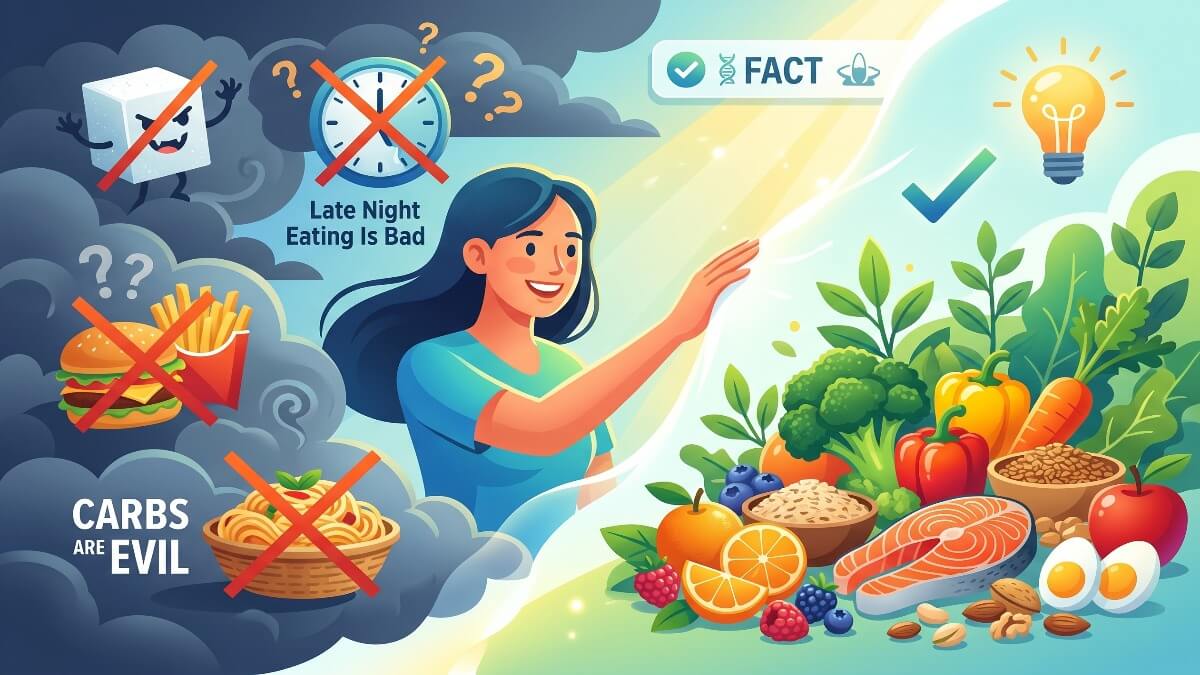
We live in an era of information overload. You can find endless advice about health and fitness online. Every day brings a new diet plan or a fresh fitness tip. However, a large portion of this information lacks scientific backing.
People naturally want quick results. Many marketers exploit this desire by spreading misleading information through flashy advertisements. As a result, people become confused every day and sometimes harm their own health.
There are no shortcuts to a truly healthy lifestyle. We need to acquire accurate and science-based knowledge to achieve long-term wellness.
How Misinformation Spreads in Diet and Health Advice
Social media is the largest platform for spreading misinformation today. Many influencers share nutrition advice without any formal education in the subject. Millions of followers blindly believe this advice.
Commercial companies often twist research results to sell their products. They use sensational headlines to grab the attention of the general public. This practice hides the actual truth of nutritional science.
Our friends and family members also give incorrect advice without realizing it. Many traditional beliefs passed down through generations negatively affect our eating habits.
The Importance of Evidence-Based Nutrition
We should never rely on guesswork when it comes to our health. We must always base our decisions on science and research. Evidence-based nutrition helps us understand our bodies correctly.
Expert dietitians and nutritionists help us choose foods based on our physical needs. Reliable organizations like the World Health Organization (WHO) regularly publish guidelines for healthy eating. Following these guidelines can protect us from many complex diseases.
Proper nutritional knowledge does more than just control our weight. It also boosts our immune system and keeps our minds healthy.
1. Carbohydrates Make You Gain Weight
Many people think that eating rice, bread, or potatoes will make them gain weight rapidly. They completely remove carbohydrates from their diets out of fear. This is one of the biggest misconceptions in nutritional science.
Carbohydrates serve as the primary energy source for our bodies. Eliminating them makes the body tired and disrupts daily activities. The real issue is not the carbohydrates themselves. The problem lies in choosing the wrong types of carbohydrates.
The Truth About Carbohydrates and Energy
Our brains and muscles need glucose to function correctly. Carbohydrates break down to create this glucose. When you exercise or do physical work, this glucose provides the energy you need.
Not all carbohydrates are equal. Refined carbohydrates like white sugar, white flour, and packaged foods harm the body. On the other hand, complex carbohydrates found in brown rice, oats, sweet potatoes, and vegetables provide long-lasting energy. They also keep your stomach full for longer.
Why Excess Calories Cause Weight Gain, Not Just Carbs
Consuming more calories than you need is the primary cause of weight gain. Your weight will increase even if you stop eating carbohydrates and only eat large amounts of protein and fat. The body stores unused calories as fat.
Carbohydrates hold a specific and important place in a balanced diet. You do not need to fear weight gain if you eat the right amount of carbohydrates within your daily calorie needs.
2. Fat Is Always Bad for You
For decades, experts blamed dietary fat for heart disease and weight gain. This belief led to a massive increase in demand for fat-free or low-fat products. Nutrition scientists have now proven that not all fats harm the body.
In fact, manufacturers often add large amounts of sugar to low-fat products to improve their taste. This extra sugar damages our health much more than fat does.
Understanding Healthy vs. Unhealthy Fats
Trans fats and excessive saturated fats harm our hearts. Fried foods, processed foods, and bakery items contain high amounts of these harmful fats. They increase the levels of bad cholesterol in the blood.
Unsaturated fats or healthy fats are extremely beneficial for our bodies. Nuts, seeds, avocados, olive oil, and marine fish contain plenty of healthy fats. According to Harvard Health, these fats help keep our cardiovascular system healthy.
Why Your Body Needs Dietary Fat
Vitamins A, D, E, and K are fat-soluble vitamins. This means our bodies cannot absorb these essential vitamins without dietary fat. You may suffer from malnutrition if your diet lacks healthy fats.
A large portion of our brain consists of fat. Therefore, healthy fats are essential for proper brain function and memory retention. Fat also plays a crucial role in hormone production.
3. Eating Late at Night Causes Weight Gain
A popular myth suggests that any food eaten after eight o’clock in the evening directly turns into belly fat. Many people go to bed hungry because they fear this outcome. This disrupts their sleep and creates a tendency to overeat the next morning.
Our bodies do not digest calories based on the clock. The digestion process works according to its own rules regardless of the time of day you eat.
What Actually Influences Body Fat
Whether you gain or lose weight depends entirely on your total daily calorie intake. You will gain weight if you eat more calories than your body needs throughout the day. The result remains the same whether you eat those calories in the morning or at night.
People often eat extra snacks or unhealthy foods while watching television at night. These extra calories cause weight gain. The late hour itself is not the main factor.
Total Calories vs. Timing of Meals
What you eat and how much you eat matter far more than when you eat. Eating a moderate meal at night is harmless if you follow a nutritious, calorie-controlled diet throughout the day.
However, eating a very heavy meal right before sleeping can cause digestive issues or gastric pain. It is wise to finish dinner at least two hours before sleeping to ensure a comfortable night of rest.
4. Detox Diets: Cleanse Your Body
You can find countless detox teas, juices, and supplements on the market. The sellers claim these products will flush toxins from your body. This concept is entirely a commercial marketing trick.
Medical science uses the word “detox” primarily for treating drug or alcohol addiction. Your body does not become toxic from everyday normal foods to the point where it needs special juices.
How Your Liver and Kidneys Detoxify Naturally
Our bodies possess a highly powerful natural detoxification system. The liver, kidneys, lungs, and skin constantly remove waste products from our system. The liver breaks down harmful chemicals. The kidneys then expel them through urine.
Your natural organs will work as the best detoxifiers if you drink enough water and eat a balanced diet. You do not need to spend thousands of dollars buying special detox drinks.
Why “Detox” Products Are Often Unnecessary
Most detox products contain laxatives. These substances cause temporary water weight loss. People often mistake this for fat loss.
Following these diets for a long time can cause severe nutritional deficiencies. Furthermore, the lost weight quickly returns as soon as you stop the detox diet. These methods are neither sustainable nor healthy.
5. All Calories Are Created Equal
Creating a calorie deficit is necessary for weight loss. Based on this rule, many people believe the source of the calories does not matter. They think 100 calories of an apple and 100 calories of candy will have the exact same effect on the body.
While the unit of energy measurement is the same, their effects on the body differ completely. Each food provokes a different response regarding digestion, blood sugar levels, and fullness.
Why Food Quality Matters Beyond Calories
A candy or sweet treat contains only calories without any nutritional value. Nutritionists call these “empty calories.” Eating them causes blood sugar levels to spike rapidly. You will feel hungry again shortly after eating them.
An apple contains fiber, vitamins, and antioxidants alongside its calories. Fiber slows the digestion process. As a result, your blood sugar rises gradually, and your stomach stays full longer.
Nutrient Density and Satiety Explained
Nutrient density refers to how much nutrition a food provides compared to its calorie count. Vegetables, fruits, and lean proteins are nutrient-dense foods. They keep our bodies healthy and boost our immune systems.
Our brains quickly receive signals of fullness when we eat foods rich in protein and fiber. This helps us stop eating excessively. You should focus on the nutritional quality of your food rather than just counting calories.
6. You Need Supplements for a Healthy Diet
Taking vitamin and mineral supplements has become a massive trend recently. Many people believe it is impossible to get enough nutrition from daily meals. They take various multivitamins without consulting a doctor.
The reality is that a balanced diet provides enough nutrition for a healthy person. Taking artificial supplements without a specific reason is simply a waste of money.
When Supplements Are Actually Necessary
Supplements are not for everyone. You should only take them under a doctor’s advice if a blood test reveals a specific vitamin deficiency. For example, pregnant women often need folic acid or iron supplements.
People who follow specific diets, like a vegan diet, might need supplements to fulfill vitamin B12 shortages. Older adults often receive prescriptions for calcium and vitamin D to support bone health.
Getting Most Nutrients from Whole Foods
Nature provides all our essential nutrients through food. The body can easily absorb the nutrients found in whole foods. Vegetables, fruits, lentils, fish, and meat can easily meet our daily nutritional demands.
Supplements can never replace natural foods. Natural foods contain phytonutrients and dietary fiber that you cannot find in any tablet. You should focus on making your food plate colorful and diverse.
7. Eating Small, Frequent Meals Boosts Metabolism
Many fitness enthusiasts recommend eating six small meals a day rather than three full meals. They argue this increases your metabolic rate and burns weight faster. This idea has circulated in the fitness world for many years.
Recent scientific studies tell a different story. Your meal frequency does not significantly impact your overall metabolism.
What Research Says About Meal Frequency
The energy your body spends to digest food is called the Thermic Effect of Food (TEF). If you consume 2000 calories a day, the total energy spent on digestion remains roughly the same whether you eat it in three meals or six meals.
Research shows that eating frequently actually causes weight gain for many people. They unintentionally increase their total calorie intake by trying to eat multiple times a day.
Finding What Works for Your Lifestyle
Everyone’s body works differently. Stick to three main meals if you enjoy them and feel healthy doing so. There is no scientific obligation to change your routine just to eat more frequently.
On the other hand, eating smaller portions multiple times can benefit people with digestion issues or those who cannot eat large amounts at once. The main point is to schedule your meals based on your lifestyle and comfort.
8. Protein Is Only Important for Bodybuilders
People often picture muscular bodybuilders when they hear about protein powder or high-protein foods. The general public thinks protein is only necessary for those who lift heavy weights at the gym. This is a complete misconception.
Protein serves as the building block of our bodies. It is essential for the health of every cell in the body, from head to toe.
Why Protein Is Essential for Everyone
Our bodies need protein to create enzymes, hormones, and antibodies. Protein directly strengthens the immune system and helps heal wounds. You absolutely need protein to survive, whether you exercise or not.
Our muscles begin to weaken as we age. Not consuming enough protein can lead to physical weakness and bone issues in old age.
Muscle Maintenance, Hormones, and Satiety
Protein works like magic for people who want to lose weight. Protein takes a long time to digest. This prevents hunger for extended periods. It increases our satiety hormones and reduces our hunger hormones.
Eating enough protein helps you avoid losing muscle mass while losing fat. Eggs, chicken, fish, lentils, soybeans, and milk are excellent sources of protein.
9. A Gluten-Free Diet Is Healthier for Everyone
Gluten is a type of protein found in grains like wheat, barley, and rye. Recently, gluten-free eating has become a massive health trend. Many people believe avoiding gluten will keep their bodies healthy and help them lose weight.
Supermarkets now feature separate sections for gluten-free products. However, these foods are not healthier for everyone. They are also often quite expensive.
Who Actually Needs a Gluten-Free Diet
A gluten-free diet primarily serves as a medical treatment for patients with an autoimmune condition called Celiac Disease. Consuming gluten severely damages the small intestines of these patients.
People with non-celiac gluten sensitivity also suffer from stomach pain, gas, or diarrhea when they eat gluten. Only individuals suffering from these specific issues need to avoid gluten.
Gluten Misconceptions and Health Trends
Eliminating gluten is not healthy for people who can digest it without problems. Whole grains like wheat, bread, and oats contain plenty of fiber, iron, and B vitamins. Many people deprive themselves of these essential nutrients when they try to cut out gluten.
Manufacturers often add extra sugar and unhealthy fats to gluten-free packaged foods to maintain their taste. Try to understand your body’s actual needs instead of blindly following trends.
10. Natural Sugar Is Always Healthy
Everyone knows that white sugar harms the body. People are turning to honey, maple syrup, jaggery, or agave nectar as alternatives. Many believe they can eat unlimited amounts of these sweet, natural ingredients.
While natural sugars contain some extra minerals or antioxidants, the body still processes them as sugar.
Comparing Natural vs. Added Sugars
The fructose naturally present in whole fruits benefits your health. This is because we consume plenty of fiber, vitamins, and water along with the fruit. The fiber ensures the fruit sugar enters the bloodstream very slowly.
However, when you add honey or jaggery to your food, it acts as an “added sugar.” These substances spike your blood glucose levels rapidly, just like white sugar does.
How Sugar Affects Your Body Overall
Consuming excessive amounts of any type of sugar causes it to be stored as fat in the liver. This increases the risk of fatty liver disease, type 2 diabetes, and heart disease.
Using natural sweeteners is slightly better than using white sugar. However, you must strictly limit the quantity. Avoid adding excessive honey or jaggery to your tea, coffee, or desserts. Reducing your overall addiction to sweetness is the most effective solution.
How to Build a Healthy Relationship with Food
Choosing the right foods is not enough to stay healthy. Our mental attitude toward food is also incredibly important. Dieting will not feel like mental pressure if you build a healthy relationship with food.
Do not divide foods strictly into good or bad categories. You can eat almost any food in moderation. Learn to enjoy your meals without feeling guilty.
Focus on Whole, Minimally Processed Foods
Whole foods should make up the majority of your diet. Fill your plate with fresh fruits, vegetables, brown rice, lentils, fish, and eggs. Try to eat these foods in the exact form they appear in nature.
Avoid processed foods as much as possible. They contain extra sodium, preservatives, and harmful chemicals that disrupt your body’s normal functions.
Practice Balanced Eating Instead of Restriction
Strict diets and starvation do not work in the long run. People eventually lose patience and end up binge-eating unhealthy foods. Maintain a balance instead of constantly restricting yourself.
You can follow the 80/20 rule. This means 80 percent of your diet consists of nutritious foods. The remaining 20 percent can include any of your favorite treats. This keeps your mind satisfied and your body healthy.
Avoid Extreme Diet Trends
Extreme diets like Keto, Paleo, or liquid diets might help you lose weight quickly. However, continuing them for a lifetime is impossible. The weight returns exactly as before once you stop them.
Choose an eating pattern that you can maintain for the rest of your life. Simple foods that match your culture, budget, and preferences are the most effective.
Common Nutritional Mistakes to Avoid
We often make common nutritional mistakes because misinformation on the internet easily influences us. These mistakes prevent us from reaching our desired goals. Let us discuss some of these errors below.
Correcting minor mistakes will make your fitness journey much easier. Awareness and accurate knowledge can save you from these traps.
Relying on Fad Diets
Any diet that claims you will lose ten kilograms in one month is definitely a fad diet. These diets destroy your body’s metabolism. Always avoid unscientific methods for rapid weight loss.
Ignoring Portion Sizes
Eating too much will cause weight gain regardless of how healthy the food is. Many people eat healthy items like nuts or olive oil without calculating the amount. You need to keep a strict eye on portion sizes alongside nutritional value.
Cutting Out Entire Food Groups Unnecessarily
Do not remove an entire food group, like carbohydrates or fats, from your list without a medical reason. Our bodies need every macronutrient to function. A balanced diet remains the ultimate key to wellness.
Frequently Asked Questions About Common Nutrition Myths
-
Are low-carbohydrate diets always good for you?
No, they are not suitable for everyone. Low-carb diets show quick results initially by reducing water weight. However, our bodies need complex carbohydrates for long-term energy and hormone balance.
-
Is dietary fat harmful for weight loss?
Absolutely not. Eating healthy fats like avocados, nuts, or marine fish helps you feel full for longer. Eating healthy fats in moderation can support your weight-loss journey.
-
Do I need to take supplements every day?
You do not need supplements if you eat a balanced and diverse diet every day. You should only take supplements upon a doctor’s advice and if you have a specific nutritional deficiency.
-
What is the most important rule of nutrition?
The most important rule is to avoid processed foods and consume natural, whole foods. Maintaining a calorie balance and listening to your body’s signals are equally important.
Conclusion: Simple, Balanced Eating Beats Diet Myths Every Time
The world of nutritional science changes constantly. Feeling confused among the countless pieces of information scattered across the internet is very normal. However, the core secret to wellness lies in very simple, easy rules.
Verify the science behind any new diet trend before jumping into it. Remember that carbohydrates are not your enemy. Fats do not make you fat. Detox diets possess no magical powers. Your body’s wellness depends entirely on long-term healthy habits.
Prioritize natural and whole foods. Drink enough water. Engage in regular physical activity. Ensure you get enough sleep. This simple and balanced lifestyle is enough to defeat any popular diet myth. Take care of your body and enjoy a healthy life by utilizing science-based nutritional knowledge.