Oolong Tea Explained: Taste, Types, and Health Benefits
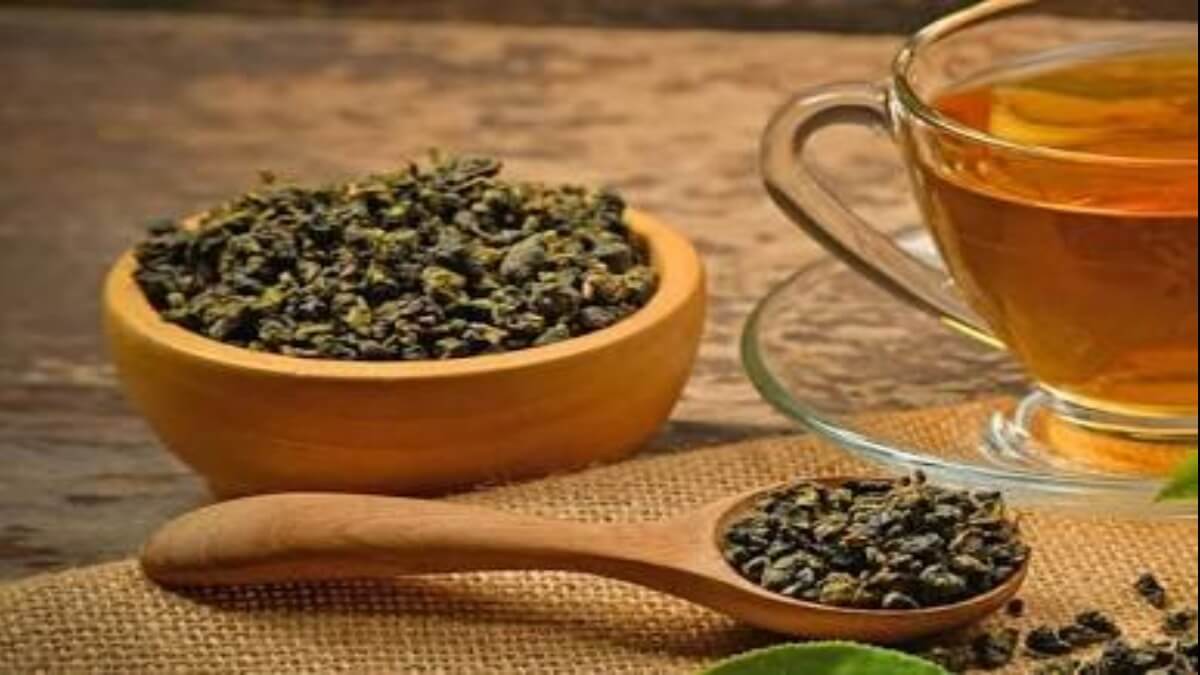
In the world of tea lovers, one name constantly stands out for its unique flavor and remarkable health benefits. Yes, we are talking about oolong tea. If you are looking for a perfect balance between the bold taste of black tea and the light, fresh taste of green tea, oolong tea could be your ideal beverage.
In today’s comprehensive guide, we will discuss everything about oolong tea. You will learn how it is made, what it tastes like, and how beneficial it is for your health. Let us dive into the wonderful world of this exceptional drink.
What is Oolong Tea?
Oolong tea is a traditional Chinese tea made from the leaves of the Camellia sinensis plant. The black and green tea we regularly drink also comes from the same plant. The difference is hidden entirely in their processing methods.
Green tea is completely unoxidized. On the other hand, black tea is fully oxidized. Oolong tea sits right in the middle of these two because it is a partially oxidized tea. Its degree of oxidation typically ranges from 8 percent to 85 percent.
It is this variation in oxidation that creates such a rich diversity in the taste and color of oolong tea. On the one hand, it can be fresh and fragrant like green tea; on the other, it can be dark and robust like black tea. It is truly a fascinating drink for tea enthusiasts.
History and Origin of Oolong Tea
The history of oolong tea is ancient and rich. Its origin lies mainly in the Fujian province of China. This province has been famous for centuries for its exquisite teas.
According to historians, oolong tea first emerged during the Ming Dynasty. In Chinese, the word “Wulong” means “Black Dragon”. There are several folk tales surrounding its naming. One popular story says that a tea farmer left tea leaves out to dry. Suddenly, he saw a black dragon near the leaves and fled in fear. Returning a few days later, he found the leaves had withered and partially oxidized in the sun. He brewed tea with those leaves and found the taste magnificent. This is how oolong tea was born.
Later, this tea crossed China’s borders and reached Taiwan. Today, Taiwan is known as one of the best producers of oolong tea in the world. The quality of their tea is highly praised globally.
How Oolong Tea is Made
Making oolong tea is a highly complex and time-consuming process. It is not just a task, it is an art form. Every step is performed with extreme care. The core steps are discussed below:
Harvesting Tea Leaves
The process begins with the careful harvesting of tea leaves. Usually, the best quality tea leaves are picked in spring or autumn. During picking, care is taken to ensure that there are three to four leaves along with the bud. These leaves need to be slightly mature so that the specific flavor profile of oolong tea can develop properly.
Oxidation and Processing Techniques
After picking, the leaves are spread out under the sun. This is called withering, which reduces the moisture inside the leaves to some extent. Then the leaves are placed in bamboo baskets and gently shaken. As a result, the edges of the leaves become slightly bruised, and oxidation begins upon contact with air.
The tea master carefully monitors this step. He decides exactly how much the tea will be oxidized, and this decision determines the final taste of the tea.
Roasting and Finishing Methods
When the leaves reach the desired level of oxidation, they are roasted or fired at high temperatures. This heat immediately stops the oxidation process. This is known as the “Kill-Green” phase.
Next, the leaves are rolled or twisted into specific shapes. Some oolong teas look like long ribbons, while others are rolled into small balls. Finally, the leaves are roasted or baked over a fire to dry completely, which deepens their flavor.
What Does Oolong Tea Taste Like?
The taste of oolong tea cannot be contained within a single word. Because its oxidation level varies widely, its taste profile is incredibly versatile. It can be sweet and floral at times, or rich and nutty at others.
Floral and Light Oolong Tea Varieties
Oolong teas that are less oxidized, usually 10 to 30 percent, taste very close to green tea. They are light, fresh, and highly aromatic. When drinking them, you can experience sweet flavors and aromas reminiscent of orchids, honey, or light fruits. Their color is usually a pale golden or yellowish-green.
Rich and Roasted Oolong Flavors
Oolong teas that are more oxidized, usually 50 to 85 percent, and roasted for a longer time, have a profound taste. Their flavor is closer to black tea. They feature notes of almonds, caramel, dark chocolate, or a pleasant smokiness like roasted wood. The color of this tea can be dark amber or reddish-brown.
Factors That Influence the Taste of Oolong Tea
The taste of oolong tea does not depend solely on processing. Where the tea plant is grown, which is known as the terroir, the type of soil, the weather, and even the time of harvesting play a huge role in the final flavor. Tea leaves grown in high-altitude mountain regions generally yield the finest taste.
Different Types of Oolong Tea
Many types of oolong tea are available worldwide. However, a few varieties are exceptionally famous for their unique taste and quality. Let us get to know some of these famous oolong teas:
Tie Guan Yin (Iron Goddess of Mercy)
This is perhaps the most famous oolong tea in the world. Coming from the Anxi region of China, this tea is known for its excellent orchid fragrance and sweet taste. It is usually lightly oxidized and comes in the form of tightly rolled small balls. Its taste is incredibly smooth and refreshing.
Da Hong Pao (Big Red Robe)
Da Hong Pao is an extremely expensive and rare oolong tea. It grows in the Wuyi Mountains of China and is referred to as a cliff tea. It is heavily roasted, and its taste is incredibly rich and earthy, with a wonderful smoky flavor.
Dong Ding Oolong
One of Taiwan’s finest teas, it is named after the local Dong Ding Mountain. It is medium-oxidized and roasted with great care. Its flavor offers a beautiful balance of light floral sweetness and roasted nuts.
Oriental Beauty Oolong
The story of this tea is very interesting. During its growth, a type of small insect called a leafhopper is allowed to bite the tea leaves. As a result of the insect bites, the leaf produces a special chemical compound. This creates an extraordinary, natural sweetness reminiscent of honey and ripe fruit. It is a highly prized tea from Taiwan.
Milk Oolong Tea
The defining characteristic of Milk Oolong, or Jin Xuan, tea is its creamy, buttery taste. Many people think milk is added to it, but that is not the case. Grown at high altitudes, the leaves of this specific tea plant naturally possess a sweet, milky flavor and aroma. It is very popular among new tea drinkers.
Nutritional Value of Oolong Tea
Oolong tea is not just famous for its taste; it is also packed with nutritional value. A daily cup of oolong tea can supply many essential elements to your body.
Antioxidants and Polyphenols
Oolong tea contains a large amount of polyphenols, which are powerful antioxidants. It offers a combination of both green tea’s catechins and black tea’s theaflavins. These help destroy harmful free radicals in the body.
Caffeine Content in Oolong Tea
Like all teas, oolong tea naturally contains caffeine. A cup of oolong tea typically contains 30 to 50 milligrams of caffeine. This is much less than coffee, but slightly higher than green tea. Therefore, it helps keep you alert and refreshed for a long time without causing sudden jitters.
Vitamins and Minerals
In addition to antioxidants, this tea contains several important vitamins and minerals. Notable among them are manganese, potassium, magnesium, calcium, and vitamins C and E. It also contains fluoride, which is beneficial for your teeth.
Key Health Benefits of Oolong Tea
Drinking oolong tea regularly provides many proven health benefits. It helps keep the body healthy in various ways. Here are its main benefits:
Packed with Antioxidants
Our bodies constantly experience cellular damage known as oxidative stress. The antioxidants in oolong tea work wonderfully to prevent this cellular damage. It can also indirectly help reduce the risk of complex conditions. Various studies on reputable health websites, such as Healthline, have highlighted this information.
Supports Heart Health
Regular consumption of oolong tea is highly beneficial for the heart. It helps reduce LDL (bad) cholesterol levels in the blood. It also plays a positive role in managing blood pressure. For those with a family history of heart issues, this can be an excellent beverage choice.
May Help with Weight Management
Oolong tea has a great reputation as a weight loss aid. It boosts the body’s metabolic rate, allowing the body to burn fat more efficiently. Combining a healthy diet and regular exercise with oolong tea makes the weight loss journey much easier.
Helps Boost Mental Alertness
Oolong tea works like magic to relieve fatigue during work. The caffeine and an amino acid called L-theanine present in it work together to improve brain function. It increases focus, keeps the mind calm, and reduces stress.
Supports Healthy Digestion
A cup of warm oolong tea after a heavy meal significantly aids digestion. It helps maintain the stomach’s alkaline balance and assists in the secretion of digestive juices. People who frequently suffer from indigestion or gastric issues can find relief by drinking it.
May Help Maintain Healthy Skin
Oolong tea can help reduce various skin problems, such as eczema and acne breakouts. Its anti-allergic properties reduce skin redness and irritation. Regular consumption can make the skin look bright and refreshed from within.
Oolong Tea vs. Green Tea: Key Differences
Many people fail to understand the difference between oolong tea and green tea. The biggest difference is the oxidation process. Green tea is unoxidized because the leaves are dried with heat immediately after picking to keep them green.
In contrast, oolong tea is partially oxidized. In terms of taste, green tea is much more grassy and light. The flavor of oolong tea is far more expansive and complex. Regarding caffeine, oolong tea contains slightly more caffeine than green tea.
Oolong Tea vs. Black Tea: Which is Better?
Black tea is completely oxidized. As a result, black tea is much bolder, darker in color, and stronger in flavor. It also contains the highest amount of caffeine among the three traditional tea types.
Which one is better depends entirely on your personal preference. If you want a strong beverage right after waking up, black tea is a good option. But if you want a tea during the day that is neither too strong nor too light, oolong tea can be your best choice.
How to Brew Oolong Tea Perfectly
Buying high-quality tea is only the first step; you must also know how to brew it correctly. If it is not prepared properly, you will miss out on its true taste and aroma.
Selecting the Right Water Temperature
The most critical part of making tea is the water temperature. Never use boiling, bubbling water for oolong tea. Boiling water can scorch the delicate tea leaves, making the taste bitter. The ideal temperature is between 185 degrees Fahrenheit and 205 degrees Fahrenheit. Let the water cool for a couple of minutes after boiling before pouring it over the tea.
Ideal Steeping Time
How long you steep the tea depends on the type of oolong. Generally, letting the tea leaves sit in a pot or cup for 1 to 5 minutes is ideal. Lightly oxidized teas require less time, while darker, roasted ones need a bit more. You can adjust the time based on your personal preference.
Resteeping Oolong Tea Leaves
A wonderful aspect of oolong tea is that its leaves can be reused multiple times. Many high-quality tea leaves can be steeped 3 to 5 times. Interestingly, a new layer of flavor emerges after each steep. As the leaves unfold, they release their deep, hidden notes.
Best Oolong Tea Recipes and Serving Ideas
Oolong tea can be enjoyed in many ways, not just as a traditional hot beverage. Here are some popular recipes to try:
Traditional Hot Oolong Tea
This is the most common method. Take one teaspoon of oolong tea in a teapot and pour hot water over it. Wait for 2 to 3 minutes, then strain the tea leaves. Drink it without any sugar or milk to enjoy the authentic taste profile.
Iced Oolong Tea
On a hot day, a glass of cold iced oolong tea can provide immense refreshment. First, brew a strong batch of tea, then let it cool completely. Take a glass filled with plenty of ice and pour the tea over it. You can mix in a little lemon juice and honey to enhance the flavor.
Oolong Tea Latte
If you prefer something creamy, this recipe is for you. Mix a strong batch of oolong tea with your choice of warm milk, such as cow’s, soy, or oat milk. You can sprinkle a bit of cinnamon powder on top. It pairs beautifully with afternoon snacks.
Oolong Tea Mocktail
This is a fantastic drink to serve at parties or gatherings. Mix cold oolong tea with peach or mango juice. Add some fresh mint leaves and a splash of sparkling water. It looks beautiful and tastes absolutely delicious.
How to Choose High-Quality Oolong Tea
There are many types of oolong tea available in the market, making it a bit difficult to choose the best one. Good quality tea leaves look whole and are neatly rolled. Broken leaves or dust indicate lower quality.
Check the aroma of the tea. Good tea always has a fresh and natural fragrance. If possible, try to buy tea from trusted specialty sellers or directly from tea estates. Look at the tea packaging to see if its origin and oxidation level are clearly mentioned.
Common Mistakes to Avoid When Making Oolong Tea
Small mistakes during brewing can ruin the entire flavor. First, avoid pouring boiling water directly onto the tea leaves. Second, do not steep the tea for too long, as this will make it extremely bitter.
Many people do not clean their teapots properly. If the smell of previous tea clings to the pot, it ruins the flavor of the new tea. Always use clean utensils. Also, do not throw away the leaves after just one use if they are suitable for multiple steepings.
Potential Side Effects of Oolong Tea
Although it is highly beneficial for health, excessive consumption can cause some issues. Since it contains caffeine, drinking too much can lead to headaches, sleep problems, or heart palpitations.
If you have caffeine sensitivity, it is best to avoid drinking it at night. Additionally, tea can interfere with the absorption of iron from food. Therefore, if you have an iron deficiency, it is best to avoid drinking tea immediately after a heavy meal.
How Much Oolong Tea is Safe to Drink Daily?
Moderation is key to everything, and this applies to oolong tea as well. Experts believe that drinking 2 to 3 cups of oolong tea daily is completely safe for healthy adults.
This amount satisfies your body’s antioxidant needs while keeping your caffeine intake within a safe limit. However, pregnant or lactating women should consult a doctor regarding their caffeine consumption limits.
How to Store Oolong Tea for Maximum Freshness
If not stored correctly, oolong tea loses its aroma and flavor very quickly. The main enemies of tea are light, air, moisture, and strong odors.
Always store tea in an airtight container. Tin containers or double-lid canisters work best. If using glass jars, ensure they are kept in a dark cupboard. Never store tea in the refrigerator or very close to a spice rack, as tea readily absorbs the aroma of surrounding spices.
Frequently Asked Questions About Oolong Tea
Does oolong tea contain caffeine?
Yes, oolong tea naturally contains caffeine. However, the amount is less than that of black tea and slightly more than that of green tea. Typically, a cup contains 30 to 50 milligrams of caffeine.
Can oolong tea help with weight loss?
Yes, it accelerates metabolism and helps burn fat. When combined with a balanced diet and regular exercise, drinking this tea consistently yields great results in the weight loss process.
What is the best time to drink oolong tea?
The best time to drink it is after breakfast or an hour or two after lunch. Drinking it on an empty stomach can cause acidity for some people. To avoid sleep issues, it is best to avoid drinking it late at night.
Final Words on Oolong Tea
Oolong tea is not just a beverage; it is a century-old tradition and a wonderful path to wellness. Its versatile taste and extraordinary nutritional value have earned it a special place among tea lovers worldwide.
Key Benefits at a Glance
It is packed with antioxidants that protect your cells. It aids weight management by boosting metabolism, keeps the heart healthy, and brings mental tranquility. A regular cup of oolong tea can be an excellent investment for your overall well-being.
Finding the Right Oolong Tea for Your Taste
Since there is a wide variety of oolong teas, finding the best one for you might require a bit of experimentation. If you prefer a light, floral flavor, you can try Tie Guan Yin. If you prefer a bold, rich taste, Da Hong Pao will be an excellent choice. Taste different varieties to find your personal favorite.
Why Oolong Tea Deserves a Place in Your Daily Routine
In our busy lives, we rarely find time to take care of our health. Making a cup of oolong tea at a specific time each day can serve as a relaxing routine. It will not only keep your body healthy but also refresh your mind. Add this wonderful tea to your list today and enjoy its magical taste and benefits.