
Amla: A Complete Guide to Health, Hair, and Immunity
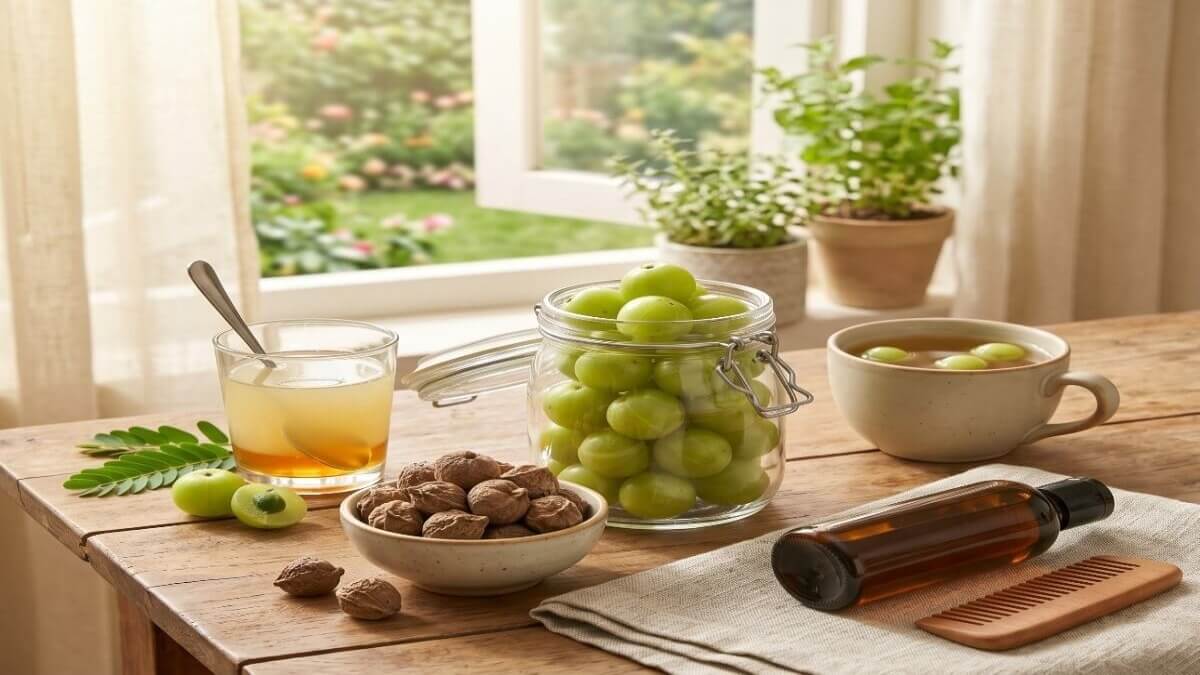
Nature has gifted us many wonderful ingredients to keep us healthy. Among them, amla or Indian gooseberry stands out as one of the most powerful and effective. This small green fruit has been helping people maintain good health for generations.
If you want to boost your immunity naturally or achieve healthy and shiny hair, amla can be your best friend. In today’s guide, we will explore the many benefits of this remarkable fruit in detail.
We will discuss how amla can become an integral part of your daily life. This article will help you get the maximum benefits of amla in simple, accessible, and highly effective ways.
What is Amla?
Amla is a small, round, and bright green fruit. Its scientific name is Phyllanthus emblica. It is primarily found in Asia and has a unique flavor profile.
At first bite, it might taste sour and slightly astringent. However, if you drink water immediately after eating, you will notice a surprisingly sweet aftertaste. This unique flavor transition makes it highly recognizable.
Packed with nutrients, this fruit is often labeled as a superfood. It is not just the fruit itself that is valuable. The leaves and seeds of the amla tree are also widely used in various natural remedies.
History and Traditional Uses of Amla
The use of amla did not start yesterday. It has been highly revered as a crucial herb in Ayurvedic medicine for thousands of years. Ancient sages considered it the key to longevity and vibrant health.
In traditional Indian medicine, amla was used as an antidote for various ailments. It is especially famous for curing digestive issues and flushing toxins from the body.
People in ancient times believed that eating amla every day prevented the signs of aging. As a result of this belief, it remains one of the primary ingredients in natural wellness practices today.
Why Amla is Called Indian Gooseberry
The English name for amla is Indian gooseberry. This is because it resembles gooseberries found in Europe and the Americas.
Both fruits are small and round with light vertical lines running down their skin. However, botanically speaking, they belong to completely different plant families. Compared to the European gooseberry, amla contains a significantly higher concentration of nutrients.
Because it grows abundantly in the Indian subcontinent, it came to be known in the Western world as the Indian gooseberry. This name has helped increase its global recognition.
Nutritional Value of Amla
Amla is much more than a simple fruit. It is a massive powerhouse of nutrition. It is very low in calories and fat, making it an excellent food choice for those looking to manage their weight.
According to data from the U.S. Department of Agriculture (USDA), amla is a fantastic source of dietary fiber and water. Let us look at its main nutritional components in detail.
Vitamin C Content
Amla is one of the best natural sources of vitamin C on the planet. A single medium-sized amla contains several times more vitamin C than an orange.
The most interesting fact is that the vitamin C in amla is highly stable. Even if you dry it in the sun or cook it, it retains a vast majority of its vitamin C content.
This high dose of vitamin C works like magic to keep our bodies healthy. It protects us from minor ailments like the common cold to major viral infections.
Antioxidants and Phytochemicals
Besides vitamin C, amla is loaded with antioxidants. Tannins and flavonoids are among the most prominent ones found in this fruit.
Antioxidants help destroy harmful free radicals in our bodies. These free radicals are exactly what damage our cells and cause various chronic diseases.
Eating amla regularly reduces oxidative stress inside the body. As a result, the risk of developing long-term illnesses is significantly lowered.
Essential Vitamins and Minerals
Along with vitamin C, amla contains vitamins A and E, as well as B-complex vitamins. These are essential for maintaining good eyesight and keeping the nervous system healthy.
In terms of minerals, it provides iron, calcium, and phosphorus. Iron helps prevent anemia, while calcium keeps your bones and teeth strong.
It also contains potassium, which plays a crucial role in regulating blood pressure. All these elements combined make it a complete nutritional package.
Top Health Benefits of Amla
Amla is beneficial for almost every organ in our body. Listing all its health benefits is difficult. However, its primary advantages are discussed below.
Boosts Immunity
Having a strong immune system is non-negotiable if you want to protect your body from the countless germs around us. The massive amount of vitamin C in amla helps produce white blood cells.
These white blood cells act as our body’s security guards. They actively destroy viruses and bacteria that enter from the outside.
Consuming amla regularly reduces your tendency to catch frequent fevers, colds, or coughs. It truly strengthens you from the inside out.
Improves Digestion
Amla is a fantastic natural remedy for any stomach-related issue. The dietary fiber in it works wonders to relieve constipation.
It helps in the secretion of gastric juices in the stomach. As a result, food is digested much more easily and quickly.
People who regularly suffer from gastric or indigestion problems can see excellent results by eating amla daily. It keeps the gut healthy and increases nutrient absorption.
Promotes Heart Health
Amla is highly effective at keeping the heart healthy. It helps lower bad cholesterol levels in the blood while increasing good cholesterol.
The antioxidants in amla prevent fat from accumulating in the blood vessels. Consequently, the risk of heart attacks or strokes drops significantly.
Furthermore, its potassium content helps maintain normal blood pressure. Therefore, keeping amla in the diet is highly recommended for heart patients.
Helps Manage Blood Sugar Levels
Amla is considered a blessing for patients with diabetes. It contains a mineral called chromium, which enhances insulin’s effectiveness.
When insulin works correctly, blood sugar levels remain under control. Research shows that drinking amla juice regularly helps stabilize blood glucose levels.
Articles published by the National Institutes of Health (NIH) state that natural ingredients such as amla help boost metabolism. This prevents sudden spikes in blood glucose.
Supports Healthy Aging
As we age, various changes occur in our bodies and skin. The antioxidants in amla slow down this natural aging process.
It prevents cellular degradation and aids in the creation of new cells. As a result, the physical signs of aging are delayed.
If you consume amla regularly, you will not only look younger but also feel much more energetic and physically active.
Amla for Immunity: How It Helps Protect Your Health
Immunity is not built in a day. It requires consistent, proper nutrition. Amla is exceptionally helpful in this exact process.
It stimulates the body’s immune-boosting cells. Whenever a harmful pathogen enters the system, these cells quickly jump into action to destroy it.
Additionally, amla flushes out harmful toxins from the body. With a clean bloodstream, every organ can function optimally, making it difficult for diseases to take root.
Amla and Its Powerful Antioxidant Properties
We frequently hear the term “antioxidant,” but many of us do not know what it actually does. Our bodies constantly produce harmful molecules called free radicals.
These free radicals attack healthy cells and can be the root cause of fatal diseases like cancer. The powerful antioxidants in amla neutralize these free radicals.
As a result, your cells stay protected, and internal inflammation decreases. Consuming antioxidant-rich amla is absolutely vital for long-term health.
Benefits of Amla for Hair
Beautiful, healthy hair is something everyone desires. Amla has been used for hair care since ancient times. Even in today’s era of chemical cosmetics, its popularity has not faded one bit.
Amla plays a magical role in solving almost all types of hair problems. Let us find out exactly how it benefits your hair.
May Promote Hair Growth
Hair fall has become a very common problem today. Amla stimulates hair follicles and encourages new hair growth.
The phytonutrients, vitamins, and minerals it contains increase blood circulation in the scalp. With adequate blood flow, the hair roots receive proper nourishment.
Regular use of amla reduces hair fall and helps make your hair thicker and longer.
Helps Strengthen Hair Roots
To prevent hair breakage and split ends, your hair roots must be strong. The vitamin C in amla aids in the production of collagen.
This collagen protein forms the core structure of the hair and makes it strong. Additionally, the iron in amla helps ensure an adequate oxygen supply to the hair roots.
As a result, hair becomes strong from the inside and smooth on the outside. There is no substitute for amla when it comes to robust hair.
Maintains Scalp Health
You cannot expect beautiful hair if your scalp is unhealthy. Amla works brilliantly to eliminate dandruff, itchiness, and fungal infections on the scalp.
It contains natural antibacterial and antifungal properties. It removes dead cells from the scalp, keeping it completely clean.
It also helps maintain the scalp’s pH balance. As a result, your scalp stays fresh and dandruff-free.
May Reduce Premature Greying
Hair turning grey before its time is a source of anxiety for many. To retain the natural color of your hair, melanin is required.
Amla helps produce melanin in the scalp. As a result, hair is protected against premature greying.
For those whose hair has started turning white at a young age due to genetics or excessive stress, amla is an excellent natural solution.
How to Use Amla for Hair Care
To get the full benefits of amla, you must know how to use it correctly. It can be utilized in several different ways for hair care. Below are a few popular and effective methods.
Using Amla Oil
Amla oil is the most recognized product for hair care. You can buy good-quality amla oil from the market.
However, you can easily make pure amla oil at home by boiling dried amla in coconut oil or olive oil. Massage this slightly warmed oil thoroughly into your scalp at least twice a week.
After massaging, leave it on overnight and shampoo it off in the morning. This will increase blood circulation in the scalp and provide essential nutrients to your hair.
Amla Hair Mask
To make your hair soft and shiny, try an amla hair mask. It is very easy to make, and the results are visible almost instantly.
Mix two tablespoons of amla powder with enough plain yogurt to create a thick paste. Apply this paste evenly from the roots to the tips of your hair.
Wash it off after 30 to 40 minutes using normal water and a mild shampoo. This mask removes dryness and makes your hair silky.
Amla Powder for Hair Use
Amla powder is an extremely versatile ingredient for hair care. You can mix it with henna paste before applying it.
Additionally, boiling amla powder, reetha, and shikakai together in water creates an excellent natural shampoo. It keeps your hair completely free from the damaging effects of chemicals.
Many people simply mix amla powder with water to make a paste and apply it directly to their hair. Regular use of this strengthens the hair roots.
Benefits of Amla for the Skin
Amla is not just beneficial for your health and hair; it is equally wonderful for your skin. For clear, glowing, and spotless skin, it can be a magical ingredient.
Instead of expensive cosmetics, try using this natural ingredient for your skincare routine. It solves various skin problems from the inside out.
Helps Maintain a Healthy Skin Appearance
Amla purifies the blood, which directly benefits the skin. When your blood is clean, the chances of getting acne or rashes decrease dramatically.
The vitamin C in amla brings a natural glow to your skin. Regular consumption makes the skin look bright and lively from within.
It also helps retain skin moisture, keeping it soft and supple. Therefore, amla should definitely be a part of your daily beauty regimen.
Helps Fight Oxidative Stress
Sun exposure, pollution, and mental stress create oxidative stress in the skin. This leads to wrinkles and causes the skin to age prematurely.
The high levels of antioxidants in amla fight directly against this oxidative stress. It helps repair damaged skin cells.
Consequently, the rate at which skin sags or develops wrinkles is reduced. It helps you look youthful for much longer.
May Improve Skin Texture
Amla is highly beneficial for those who have acne scars or dark spots. It boosts collagen production in the skin.
Collagen strengthens the skin’s structure and helps generate new skin layers. Applying amla juice to the skin or consuming it regularly can help reduce enlarged pores.
As a result, your skin becomes much smoother and tighter. It acts as a natural bleach to lighten various skin blemishes.
Different Forms of Amla
Amla is a versatile fruit that you can consume in various forms. It is equally beneficial regardless of how you choose to take it, depending on your convenience and taste. Below are the common forms found in nature or the market.
Fresh Amla Fruit
The easiest and most nutritious way to consume amla is by eating the fresh fruit. Fresh amla is abundantly available in local markets during the winter season.
Chewing one or two raw amlas every morning provides the highest nutritional value. If you find it too difficult to eat raw, you can toss it with a little bit of salt.
This is highly effective at improving digestion and reducing appetite loss.
Amla Juice
Many people dislike chewing raw amla. For them, amla juice is a fantastic alternative.
You can easily make the juice by chopping fresh amla and blending it with a little water. Bottled amla juice is also readily available in the market.
However, homemade juice is much healthier than packaged versions. Drinking it on an empty stomach in the morning is highly beneficial.
Amla Powder
The best way to store amla year-round is by making amla powder. This is made by drying fresh amla in the sun and grinding it.
If stored in an airtight container, this powder stays good for a long time. You can mix it with water to drink or use it in various face packs and hair masks.
For people who travel frequently, keeping amla powder handy is the most convenient option.
Amla Supplements
In today’s busy world, many people do not have the time to find fresh fruit or make juice. Various brands offer amla supplements specifically for them.
These are usually available in tablet or capsule form. Health websites such as Healthline indicate that taking supplements at the correct dosage is safe.
However, you should always consult a doctor before starting any new supplement. Taking them in excessive amounts can have adverse effects.
Amla Oil
We have already discussed amla oil in detail. It is primarily designed for external use.
Besides hair care, many people use this oil for full-body massages. It helps reduce muscle pain and relaxes the body.
Always choose 100% natural, chemical-free amla oil to achieve the best possible results.
How to Add Amla to Your Daily Diet
After learning about all these benefits, you might be wondering how to include amla in your daily diet. It is actually very simple. Here are a few fun and healthy ways to do it.
Drinking Amla Juice
Starting the day with a healthy beverage is a great habit. Mix two tablespoons of fresh amla juice into a glass of warm water.
To enhance the flavor, you can add a spoonful of pure honey and a little lemon juice. Drinking this on an empty stomach in the morning keeps your energy levels up all day.
It also boosts your body’s metabolism and aids in weight loss.
Adding Amla Powder to Smoothies
If you love having smoothies or fruit juices in the morning, you can easily add amla powder to them. Just mix half a teaspoon of amla powder into your favorite smoothie.
It blends exceptionally well with banana, apple, or spinach smoothies. This simple addition multiplies the nutritional value of your drink.
This is also an excellent trick for getting children to consume amla, as the fruit’s sweetness completely masks its astringent taste.
Using Amla in Traditional Recipes
In the Indian subcontinent, there is a long tradition of making delicious foods using amla. Amla pickle and murabba (sweet preserve) are among the most popular.
However, keep in mind that pickles made with excessive sugar or oil can do more harm than good. Try them healthily in a healthy way, using minimal sugar and oil.
Additionally, adding a little chopped fresh amla to lentils or curries enhances both the taste and nutrition of the meal.
Amla vs. Other Superfoods: How Do They Compare?
Nowadays, the market is flooded with imported superfoods such as acai berries, goji berries, and blueberries. Many people assume these must be more beneficial than amla.
However, research has shown that when it comes to antioxidant and vitamin C content, amla easily outshines these exotic fruits. Moreover, since amla is locally grown in this region, it is much cheaper and highly accessible.
Instead of spending extra money on expensive foreign fruits, relying on this local superfood is a much smarter choice.
Potential Side Effects and Precautions of Amla
Everything has both good and bad sides. Even though amla is highly beneficial, it should be used with caution in certain situations. Consuming it in excess can lead to some side effects.
Recommended Guidelines for Consumption
Eating one or two fresh amlas a day is perfectly sufficient for a healthy individual. If you are drinking the juice, 20 to 30 milliliters per day is safe.
When used in powder form, it is best not to exceed 1 teaspoon per day. Eating too much can cause an upset stomach, diarrhea, or acidity issues.
Always start with a small amount and closely observe how your body responds.
Potential Interactions with Medications
If you are taking regular medication for a specific medical condition, it is crucial to be careful before consuming amla. Amla can slow down the blood-clotting process.
Therefore, people taking blood thinners should not eat amla without first consulting their doctor. Also, since it lowers blood sugar, eating it alongside diabetes medication carries the risk of your sugar levels dropping too low.
You should completely stop eating amla at least two weeks before undergoing any surgery.
Who Should Exercise Caution?
There is not enough research confirming whether amla is entirely safe for pregnant women and nursing mothers. They must consult a doctor before consuming it.
Individuals suffering from hypoglycemia, or those who experience sudden drops in blood sugar, should avoid amla.
Additionally, anyone with an allergy to amla or similar fruits must avoid eating or using it on their skin.
How to Properly Select and Store Amla
To get the right nutrition, selecting high-quality amla is essential. When buying from the market, always choose amlas that are bright green and free from blemishes.
Avoid buying fruits that feel too soft or have dark black spots on their skin. A good amla will feel slightly firm when you hold it.
Fresh amla stays good for one to two weeks if kept in the regular compartment of the refrigerator. If you want to store them for a longer period, you can dry them in the sun or keep them in the deep freezer.
Frequently Asked Questions About Amla
People often have various questions regarding the use of amla. Below are answers to some common questions to help clear up your doubts.
Can You Eat Amla Every Day?
Yes, a healthy person can eat amla every day. Consuming amla daily in moderation boosts the body’s immune system and improves overall health. However, you should avoid eating it in excessive amounts.
Is Amla Good for Hair Growth?
Absolutely. Amla increases blood circulation to the hair roots and supplies essential nutrients. This reduces hair fall and helps new hair grow. It is one of the absolute best natural ingredients for overall hair health.
What is the Best Time to Eat Amla?
The best time to eat amla is in the morning on an empty stomach. During this time, our body is in the best state to absorb nutrients. However, if mornings are inconvenient, it can be eaten before a meal at any time. It is best to avoid eating it right before going to sleep.
Final Thoughts on Amla for Health, Hair, and Immunity
We have reached the very end of our discussion. By now, you have surely realized that this small fruit is an absolute powerhouse of nutrition.
Just this one ingredient can bring about a massive change in keeping you healthy, beautiful, and vibrant. Let us briefly look at the main points of today’s discussion one more time.
Key Takeaways
Amla is one of the greatest natural sources of vitamin C and powerful antioxidants. It significantly boosts immunity, improves digestion, and protects heart health.
In hair care, it handles everything from stopping hair fall to eliminating dandruff. Furthermore, it is unparalleled in achieving glowing, youthful skin.
Why Amla Remains a Popular Natural Remedy
The primary reason for amla’s enduring popularity over thousands of years is its proven effectiveness. Modern science supports the ancient claims of Ayurvedic medicine.
It has no severe, harmful side effects. It is widely available and affordable for everyone. These reasons have established amla as a trusted natural remedy generation after generation.
Easy Ways to Incorporate Amla into Your Lifestyle
You do not need to follow a strict or difficult routine to stay healthy. A small habit like eating a raw amla or drinking a glass of amla juice every morning is enough.
For hair care, massaging amla oil into your hair once a week can completely transform its health. Start making these tiny changes from today.
Let this extraordinary gift from nature make your life healthier and more beautiful. Stay well and take care of yourself naturally.