Cranberry Juice: Benefits, Nutrition, and Easy Homemade Recipe
In today’s health-conscious world, the demand for natural and nutritious beverages is constantly growing. Cranberry juice tops this list as a popular drink. It does more than just quench your thirst; it provides numerous incredible benefits for your body.
In this blog post, we will discuss cranberry juice in detail. We will explore its nutritional value and various health benefits. You will also learn how to make fresh, healthy cranberry juice right in your own kitchen.
Let us dive deeper into the wonderful world of this vibrant red beverage.
What is Cranberry Juice?
Cranberry juice is a liquid beverage extracted from fresh cranberries. The cranberry is a small, round, and dark red fruit native to North America.
The natural taste of this fruit is quite sour and slightly bitter. Because of this intense flavor, eating raw cranberries can be difficult for many people.
To overcome the challenge of eating them raw, cranberries are usually processed and consumed as juice. Most cranberry juices on the market are mixed with other fruit juices or sugar to balance the tartness.
However, pure and 100 percent natural cranberry juice is the most beneficial for your health. Over the years, it has gained immense popularity worldwide as a refreshing and healthy drink.
History and Traditional Uses of Cranberry Juice
The history of the cranberry is ancient and fascinating. Native Americans were the first to discover the versatile uses of this fruit.
They used it not only as food but also as a natural medicine and a dye for clothing. Indigenous people believed that cranberries possessed magical healing properties.
When Europeans first arrived in America, they learned how to use this fruit from the Native tribes. Sailors used to carry large quantities of cranberries during long voyages to prevent scurvy, a disease caused by severe vitamin C deficiency.
Later, cranberries began to be cultivated commercially, gaining worldwide fame as juices, jams, and sauces.
How Cranberry Juice is Made
The process of making cranberry juice involves several steps. While commercial and home methods differ slightly, the main goal is to extract the fruit’s natural essence.
Below is a discussion on the different types of cranberry juice preparation.
Fresh Cranberry Juice
To make fresh juice, high-quality cranberries are selected first. The fruits are then washed and cleaned thoroughly.
Sometimes, the berries are briefly boiled in warm water to soften them. After that, the juice is extracted using a cold press or a standard blender. This process keeps the fruit’s natural nutrients completely intact.
Store-Bought vs. Homemade Cranberry Juice
Store-bought juices typically contain preservatives to extend shelf life. Additionally, heavy amounts of artificial sugars and flavors are often mixed in to enhance the taste.
On the other hand, homemade juice is entirely natural. You have complete control over the ingredients. Since homemade juice contains no harmful chemicals, it is a much healthier choice.
Sweetened vs. Unsweetened Options
You will generally find two types of cranberry juice in the market. One is the sweetened variety, often labeled as cranberry juice cocktail. The other is a completely unsweetened or 100 percent pure cranberry juice.
While sweetened juices taste delicious, they contain a high amount of calories. For those who are health-conscious or dealing with diabetes, choosing the unsweetened option is the smartest decision.
Nutritional Value of Cranberry Juice
Cranberry juice is often called a nutritional powerhouse. It is loaded with essential vitamins and minerals. Let us look at the nutrients found in one cup of cranberry juice.
Calories and Natural Sugars
One cup (about 240 ml) of pure, unsweetened cranberry juice contains approximately 116 calories. It naturally contains around 30 grams of carbohydrates, including sugars.
Although the fruit’s natural sugar content is not excessively high, commercial brands often add extra sugar. Therefore, reading the label before buying is extremely important.
Vitamin C and Antioxidants
Cranberry juice is a fantastic source of Vitamin C. A single cup provides about 26 percent of an adult’s daily requirement of this vital nutrient.
It also contains Vitamin E and Vitamin K. Most importantly, cranberry juice is packed with antioxidants, which protect the body’s cells from damage.
Main Plant Compounds in Cranberries
Cranberries contain several powerful plant compounds, also known as phytochemicals. The most notable among them is proanthocyanidins (PACs).
This specific compound prevents bacteria from binding to the cells in your body. Furthermore, the fruit contains beneficial compounds such as quercetin, peonidin, and ursolic acid. These compounds work wonderfully to reduce inflammation.
Top Health Benefits of Cranberry Juice
Regularly drinking cranberry juice offers numerous benefits for your body. Below are some of its top health benefits.
Supports Urinary Tract Health
Cranberry juice is most famous for its ability to prevent Urinary Tract Infections (UTIs). The proanthocyanidins (PACs) present in the juice prevent E. coli bacteria from sticking to the walls of the urinary tract.
As a result, the bacteria are easily flushed from the body in urine. According to a WebMD report, regularly drinking pure cranberry juice can significantly reduce the risk of recurrent UTIs.
Rich in Antioxidants for Overall Wellness
Our bodies constantly produce free radicals as a byproduct of metabolism. These free radicals damage cells and accelerate the aging process.
The powerful antioxidants in cranberry juice destroy these harmful free radicals. Consequently, your body remains healthy and vibrant for a long time.
May Support Heart Health
Cranberry juice is highly beneficial for the heart. It helps increase levels of good cholesterol (HDL) in the blood while also helping reduce bad cholesterol (LDL).
According to the American Heart Association, an antioxidant-rich diet can help keep blood pressure under control and reduce the risk of heart disease.
Helps Boost Immunity
Vitamin C strengthens our immune system. The high amount of Vitamin C found in cranberry juice boosts the effectiveness of white blood cells.
By drinking this juice regularly, you can easily avoid common infections like colds, coughs, and seasonal fevers.
Aids in Digestion
Cranberry juice helps improve our gut health. It maintains the balance of beneficial bacteria in the stomach.
Research from Healthline indicates that cranberry juice can inhibit the growth of a harmful bacterium called H. pylori in the stomach. This effectively reduces the risk of developing stomach ulcers.
Cranberry Juice and Urinary Tract Health: What the Science Says
Scientists have been researching the relationship between cranberry juice and urinary tract infections for a long time. Studies have shown that cranberry juice is effective in preventing UTIs, but it is not a cure once an infection occurs.
In other words, if you already have an active infection, cranberry juice will not heal it. You will need to take antibiotics as prescribed by a doctor.
However, for those prone to frequent UTIs, cranberry juice is an excellent preventive measure. Doctors often recommend drinking one glass of pure cranberry juice daily.
Is Cranberry Juice Good for Daily Consumption?
Drinking cranberry juice daily is definitely good for you, but only in moderation. It keeps your body hydrated and provides essential nutrients.
However, keep in mind that too much of anything can be harmful. One to two cups of pure cranberry juice per day is perfectly sufficient for a healthy adult.
Individuals with diabetes must strictly consume unsweetened juice. Building a daily consumption habit will provide you with long-term health benefits.
Fresh Cranberry Juice vs. Packaged Juice
There is a vast difference between the packaged juices found in stores and the fresh juice you make at home. Knowing these differences is crucial for making the right choice.
Nutritional Differences
Packaged juices are boiled at high temperatures during processing. This high heat destroys many of the fruit’s natural nutrients and vitamins.
In contrast, fresh juice retains 100 percent of the fruit’s nutritional value. You get the maximum health benefits from fresh, unprocessed juice.
Sugar Content and Additives
Packaged juices usually contain heavy amounts of corn syrup or artificial sugars. Artificial colors and chemical preservatives are also added to the mix.
Fresh juice contains none of these additives. If needed, you can use natural sweeteners like honey to flavor your fresh juice.
Taste and Quality Comparison
The taste of fresh cranberry juice is authentic, tart, and highly refreshing. Its overall quality is also top-tier.
On the other hand, packaged juice is often overly sweet, and the taste can feel artificial. Therefore, when it comes to both health and flavor, fresh juice always wins.
How to Make Cranberry Juice at Home (Step-by-Step)
Instead of buying unhealthy juice from the store, making it at home is a much better option. It is incredibly easy to prepare. Let us look at the step-by-step process to make cranberry juice in your kitchen.
Choosing Fresh or Frozen Cranberries
First, buy high-quality cranberries from the market. You can choose either fresh or frozen cranberries based on availability.
Make sure the fruits are dark red and not overly mushy or rotten. Place the berries in a bowl and wash them thoroughly.
Cooking and Extracting the Juice
Place the washed cranberries in a large saucepan. Add enough water to equal the amount of fruit, or slightly more.
Place the saucepan on the stove over medium heat. As the water starts to boil, you will notice the berries begin to pop.
Once all the berries have popped and softened, turn off the stove. This process usually takes about 10 to 15 minutes.
Sweetening and Flavoring Naturally
Allow the mixture to cool down slightly. Since cranberries are very tart, you might need to add a little sweetness.
Instead of sugar, you can use natural honey, maple syrup, or stevia. You can also mix in a pinch of cinnamon powder or a splash of lemon juice to enhance the flavor.
Straining and Storing Properly
Now, place a fine mesh strainer or a clean cotton cloth over a large bowl. Pour the boiled cranberry mixture into the strainer.
Use a spoon to press down on the fruit and extract all the juice. The liquid that collects in the bowl is your pure, homemade cranberry juice.
Pour the juice into a clean glass bottle and refrigerate it. Enjoy it once it is nicely chilled.
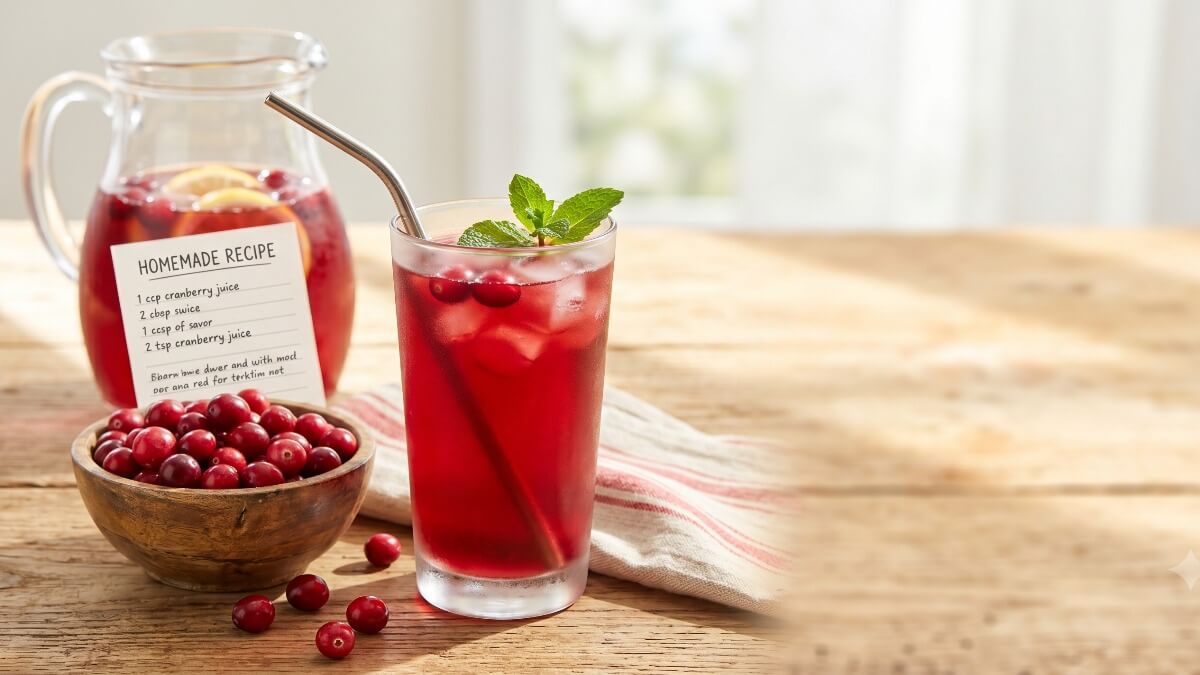
Easy Homemade Cranberry Juice Recipe
For your convenience, here is a simple and quick recipe.
Ingredients:
-
2 cups fresh or frozen cranberries
-
2 to 3 cups of clean drinking water
-
2 tablespoons honey or maple syrup (adjust to taste)
-
1 teaspoon lemon juice (optional)
Instructions:
-
First, wash and clean the cranberries thoroughly.
-
In a saucepan, mix the cranberries with the water and bring to a boil.
-
Once the fruits have popped and softened, remove the pan from the heat.
-
After the mixture cools slightly, you can pulse it lightly in a blender.
-
Now, use a strainer to separate the juice from the pulp.
-
Stir the honey and lemon juice into the extracted liquid.
-
Serve in a glass over crushed ice for a deliciously healthy cranberry drink.
Different Variations of Cranberry Juice You Can Try
If drinking plain cranberry juice feels boring, you can mix it with other fruit juices. This boosts both the flavor profile and the nutritional value.
Cranberry-Apple Juice
The tartness of cranberries pairs perfectly with the sweetness of apple juice. Mix half a glass of cranberry juice with half a glass of apple juice.
This is a highly popular drink for children. Because of the natural sweetness of the apples, you do not need to add any extra sugar.
Cranberry-Orange Juice
A mix of cranberry and orange juice will give you a refreshing feeling at breakfast. Oranges are rich in Vitamin C, which perfectly complements the nutrients in cranberries.
Mix both juices in equal proportions, sprinkle a little bit of black salt, and enjoy.
Sparkling Cranberry Drink
To keep yourself refreshed on a hot summer day, you can prepare this fizzy beverage. Pour cranberry juice into a glass and mix it with some club soda or carbonated water.
Add a few mint leaves and a slice of lemon. This makes for an excellent mocktail to serve at any party or gathering.
Potential Side Effects of Cranberry Juice
Like any food or drink, cranberry juice can have side effects. Consuming it in excessive amounts can lead to a few problems.
Concerns About Sugar Content
Store-bought cranberry juice is loaded with sugar. Regularly drinking heavily sweetened juice increases the risk of weight gain and type 2 diabetes.
Always check the nutrition label and try to choose unsweetened options.
Acidic Effects on Teeth
Cranberries are naturally acidic fruits. Drinking this juice in excess can erode your tooth enamel over time.
According to advice from the American Dental Association (ADA), you should rinse your mouth with plain water after consuming acidic beverages. Drinking through a straw also reduces direct contact with your teeth.
Interactions with Certain Medications
People who take blood-thinning medications, such as Warfarin, need to be cautious about drinking cranberry juice.
The Mayo Clinic warns that cranberries can amplify the effects of these medications. This creates a higher risk of excessive bleeding. Therefore, individuals on regular medication should definitely consult their doctor before adding this juice to their diet.
How to Store Cranberry Juice Properly
If homemade cranberry juice is not stored correctly, it can spoil very quickly.
After making the juice, always keep it in an airtight glass bottle. When stored in the refrigerator, this juice will stay fresh for 3 to 5 days.
You can also pour the juice into an ice cube tray and freeze it. Later, you can drop these cranberry ice cubes into any beverage for a flavor boost. This is a brilliant and modern method for preserving the juice.
Frequently Asked Questions About Cranberry Juice
How much cranberry juice should you drink daily?
Generally, one to two cups (240 to 480 ml) of pure cranberry juice per day is safe and healthy for an average adult. However, if you have specific underlying health conditions, it is best to consult your doctor.
Is cranberry juice better than whole cranberries?
Both have their own unique benefits. Whole cranberries contain a high amount of dietary fiber, which is excellent for digestion. On the other hand, the nutrients from juice are absorbed very quickly into the body, and it helps keep you hydrated.
Can cranberry juice help prevent Urinary Tract Infections (UTIs)?
Yes, pure cranberry juice is highly effective at preventing UTIs. It stops harmful bacteria from clinging to the walls of the urinary tract. Keep in mind that it does not act as a direct medicinal cure for an existing infection.
Final Thoughts on the Benefits and Nutrition of Cranberry Juice
Cranberry juice is a remarkable beverage gifted to us by nature. Its impressive health benefits and nutritional profile set it apart from other fruit juices.
Key Takeaways
We have learned that cranberry juice is an excellent source of antioxidants and Vitamin C. It maintains urinary tract health, strengthens the immune system, and helps keep the heart healthy.
We can easily make this healthy drink right at home. By doing so, we can avoid artificial sweeteners and chemical preservatives.
Best Ways to Include Cranberry Juice in Your Diet
A glass of cranberry juice with your morning breakfast can give your day a fantastic start. You can also use it as a base for making smoothies.
Additionally, cranberry extract can be used as a dressing for oats or salads. It will add a completely new dimension of flavor to your daily meals.
Choosing Healthy Cranberry Juice Options
Always remember that the shiny, packaged juices found in stores might not be the real deal. Always choose juices that are 100 percent pure and sugar-free.
The best approach is to buy fresh fruits and make the juice at home. To keep yourself and your family healthy, start building the habit of drinking pure cranberry juice today. Stay healthy, and stay well!