
Onions Explained: A Complete Guide to Health and Cooking
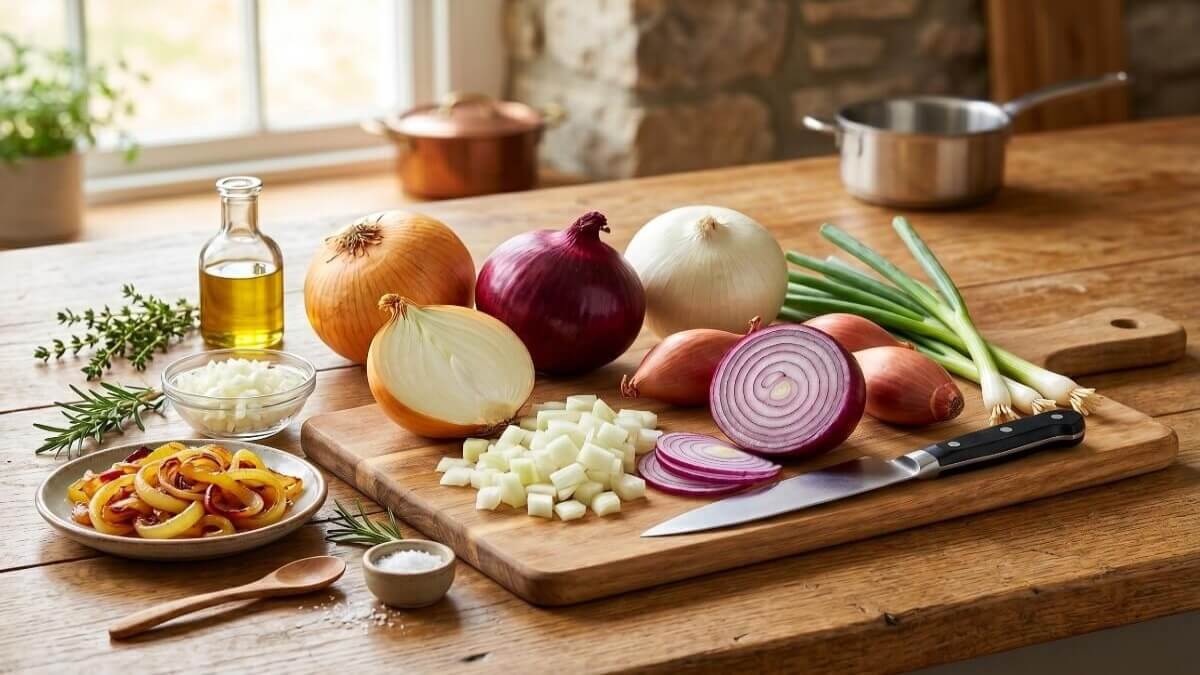
Think about your daily cooking. Is there a single day you went to the kitchen and did not use an onion? Probably not. Onions have become such an integral part of our daily lives that we often forget about their extraordinary qualities.
A simple onion not only enhances the flavor of food but is also a magical ingredient for our health. Hidden inside this common vegetable are incredible nutritional properties and healing powers.
In this blog, we will dive into the world of onions. We will learn what an onion actually is and why it has been so popular globally for ages. From health-conscious individuals to food lovers, everyone will find this guide highly beneficial.
We will discuss the nutritional value, health benefits, and various cooking techniques of onions in detail. After reading this informative, easy-to-understand guide, your perspective on onions will change completely.
What is an Onion?
An onion is a plant belonging to the Allium family. Its scientific name is Allium cepa. Other popular vegetables, such as garlic, shallots, and leeks, also belong to this family.
It is primarily a bulbous vegetable. The onion grows underground, and its leaves stay above the soil. The part of the onion we eat is basically its nutritious bulb. This bulb is layered and has a thin, paper-like covering on the outside.
Onions come in various sizes, shapes, and colors. They are known worldwide for their pungent taste and smell. The reason for this strong odor is the high amount of sulfur compounds present in them.
While raw onions have a pungent taste, they become sweet and savory after cooking. Since onions can be cultivated in various climates, they are readily available in almost every country in the world.
The History of Onions and Their Global Importance
The history of onions is ancient and fascinating. Humans have been cultivating onions for thousands of years. The ancient Egyptians considered the onion a symbol of eternal life. They used to place onions inside the tombs of their pharaohs.
The Egyptians believed that the onion’s round shape and inner layers represented eternity. Not just in Egypt, but onions were also highly valued in ancient Greece and Rome. Before the Olympic Games, Greek athletes would eat large amounts of onions to boost their strength.
In the Middle Ages, the value of onions was so high that people used them to pay their rent. They were even given as wedding gifts. Over time, onions spread from Asia to Europe and later to the Americas.
In the modern world, the onion is not just a spice; it is a vital part of global trade. There is a huge market for onions as an agricultural product. Onions are deeply intertwined with the cultures of every continent.
Why Onions Are Essential for Kitchens Worldwide
If you ask the world’s best chefs what their main cooking secret is, many will mention onions. In French cuisine, the mixture of carrots, celery, and onions is called Mirepoix. It is the core foundation of any of their dishes.
In Latin American and Spanish cuisines, onions are used to make Sofrito. On the other hand, in our South Asian cooking, a curry is unimaginable without onions. Our cooking begins by frying or sautéing onions.
Onions add a beautiful aroma and depth to food. During cooking, the onion’s natural sugars caramelize. This creates a wonderful, sweet, and umami flavor in the food that cannot be achieved with any other vegetable.
Additionally, onions work well to remove strong, fishy, or raw odors from meat or fish. Its juicy texture helps to thicken curry broths or gravies. Therefore, the onion is an essential ingredient in any kitchen worldwide.
Types of Onions
When we go to the market, we see onions of various colors and sizes. Each onion has its own taste and distinct culinary use. Let us learn about some of the main types of onions.
Red Onions
Red onions are dark red or purple. Their outer skin is quite thin, and the inner flesh is a mix of white and red. Red onions taste best when eaten raw.
Their taste is quite pungent and slightly spicy. Red onions are the best choice for adding to salads, burgers, or sandwiches. When raw, their beautiful color greatly enhances the food’s appeal.
Yellow Onions
Yellow onions are the most popular and widely used onions for cooking. Their outer covering is usually golden or brown. The taste of yellow onions is somewhat milder than that of red onions.
After cooking, it provides a very nice, sweet flavor. It is ideal for cooking soups, stews, or any curry. Even when cooked for a long time, yellow onions melt into an excellent gravy.
White Onions
The outer skin and inner part of white onions are completely white. Their taste is slightly sharper and cleaner than that of other onions. White onions are most commonly used in Mexican cuisine.
Especially for making salsa, guacamole, or tacos, white onions are incomparable. They can be easily chopped into small pieces and bring a fresh, crunchy texture to the food.
Sweet Onions
Sweet onions look similar to yellow onions, but their shape is slightly flatter. Their biggest feature is that they contain very little sulfur. Therefore, while cutting them, tears hardly fall from the eyes.
As the name suggests, their taste is quite sweet. This onion is usually used more for frying or making onion rings. For those who do not like extra pungency, sweet onions are a great alternative.
Green Onions (Scallions)
Green onions or scallions are harvested from the field before they fully mature. Their bulbs remain very small, and their long green leaves are used for cooking.
Their taste is very mild and fresh. In Asian cooking, especially Chinese and Thai cuisine, green onions are widely used. They are widely used as a garnish or decoration on top of soups or noodles.
The Nutritional Value of Onions
Onions are not only unique in taste but also full of nutritional value. They are a food that is very low in calories but high in vitamins and minerals. Let us find out what nutrients are hidden inside an onion.
Calories and Macronutrients
The calorie content in onions is very low. A medium-sized onion contains only 44 calories. So, it is a very beneficial food for those who want to control their weight.
About 89 percent of an onion is water. The amount of fat in it is almost zero. Moreover, onions contain a good amount of high-quality carbohydrates and dietary fiber, which are necessary for our health.
Vitamins and Minerals
Onions are an excellent source of Vitamin C. Vitamin C helps to boost our immune system and maintain the skin’s glow. Additionally, they contain plenty of Vitamin B6 and folate.
Among minerals, potassium is present in significant amounts in onions. Potassium plays an important role in regulating blood pressure and maintaining normal muscle function.
Antioxidants and Sulfur Compounds
The greatest nutritional benefit of onions is their antioxidants. Onions contain a powerful antioxidant called Quercetin. Quercetin protects our body from harmful free radicals.
Besides, onions contain a high amount of allicin and other sulfur compounds. These sulfur compounds are what give onions their special smell and pungent taste. At the same time, they help cure various diseases.
Health Benefits of Onions
Eating onions in moderate amounts every day can bring wonderful positive changes to our bodies. Let us learn in detail about some of the amazing health benefits of onions.
According to reliable health websites such as Healthline, the antioxidants in onions are highly beneficial to the human body.
Helps Protect Heart Health
Onions work wonderfully to keep our hearts healthy. The antioxidants and compounds present in them reduce inflammation in the body. Furthermore, they help lower harmful triglyceride and cholesterol levels.
Onions contain plenty of quercetin. Quercetin is very helpful in reducing high blood pressure. Eating onions regularly reduces the risk of blood clots. As a result, the risk of heart attacks and strokes is greatly reduced.
Can Help Control Blood Sugar Levels
Onions can be a beneficial food for diabetic patients. Various studies have shown that certain specific compounds in onions help control blood sugar levels. The chromium in onions enhances insulin effectiveness.
In particular, the quercetin and sulfur compounds found in red onions bind with muscle and fat cells to help absorb sugar from the blood. Therefore, including onions in the daily diet is a wise move for controlling diabetes.
Packed with Antioxidants
Antioxidants are elements that reduce oxidative stress in our cells. The onion is a vast treasure trove of antioxidants. It contains more than 25 different types of flavonoid antioxidants.
Red onions, in particular, contain a special antioxidant called anthocyanin, which gives them their beautiful red color. These antioxidants can protect our bodies from deadly diseases like cancer.
Helps Boost Digestion
Onions contain a lot of fiber. Additionally, onions contain a specific type of prebiotic. Prebiotics are a type of fiber that serves as the main food for the beneficial bacteria in our stomach.
Eating onions increases the number of these good bacteria in our gut. They produce short-chain fatty acids that help maintain good gut health. As a result, our digestive power increases, and constipation is eliminated.
Can Boost the Immune System
To keep our bodies healthy, the immune system needs to be strong. The Vitamin C present in onions plays an important role in keeping our immune system active and strong.
Moreover, onions have antibacterial properties. They can inhibit the growth of various harmful bacteria, such as E. coli and Staphylococcus. Therefore, eating onions during a cold or cough provides quick relief.
Anti-inflammatory Properties
Chronic inflammation in the body can cause various diseases. Onions contain powerful anti-inflammatory components. Its quercetin component prevents inflammation-causing enzymes from working in the body.
Those who suffer from joint pain or arthritis can benefit from eating onions regularly. Onion juice naturally helps to reduce any swelling in the body.
Onions in Cooking: Their Importance in Every Cuisine
The onion can be called the magician of cooking. You can boil it, fry it, roast it, or even eat it raw. In every method, the onion creates a different taste and aroma.
From Italian pasta to Indian biryani, from Mexican tacos to Middle Eastern kebabs, onions have a proud presence everywhere. It blends perfectly with other spices and elevates the food’s flavor.
The most interesting aspect of using onions in cooking is their caramelization process. Frying onions on low heat for a long time brings out their natural sugars. It then turns brown and creates an extraordinary sweetness that enhances the flavor of burgers or sandwiches.
Raw Onions vs. Cooked Onions: Which is Healthier?
A question arises in many minds: which onion is more beneficial to eat (raw or cooked)? The answer is that both methods offer different benefits. Raw onions contain the highest amount of Vitamin C and sulfur compounds.
Due to the heat during cooking, some Vitamin C is destroyed. Therefore, eating raw onions provides greater immunity and antioxidant benefits. However, digesting raw onions can be somewhat difficult for many.
On the other hand, cooked onions are much easier to digest. The effectiveness of the antioxidant quercetin in onions does not decrease much with cooking. So, you can eat onions in either raw or cooked form, depending on your digestion and preference.
Uses of Onions in Daily Cooking
There is no end to the ways you can use onions in everyday cooking. A few simple yet delicious uses are discussed below.
In Curries and Soups
The foundation of curries in South Asian cuisine is the onion. Mashed or chopped onions are added to fish, meat, or vegetable curries. This makes the curry broth thick and delicious.
The use of onions is essential in making soups. Adding onions to chicken soup or vegetable soup not only increases its nutritional value but also creates a wonderful aroma. French onion soup is a world-famous dish.
In Salads and Sandwiches
Raw red or white onions can completely change the taste of a salad. A salad made by mixing chopped onions with cucumbers, tomatoes, and lemon juice pairs well with any heavy meal.
In a sandwich or burger, raw or lightly fried onion rings add a great crunch. It helps balance the extra fatty taste of fast food.
In Stir-fries and Sauces
In any Chinese vegetable or stir-fry dish, onions are cut into large pieces. This gives a sweet, crispy onion flavor along with the vegetables, which is very delicious to eat.
When making tomato sauce or pasta sauce, frying garlic and chopped onions in olive oil enhances the sauce’s flavor. This gives the sauce a smooth, creamy texture.
Pickled Onions and Spices
Small onions can be pickled with vinegar and other spices. These pickled onions taste very good when eaten with rice or bread. It is also possible to store them for a long time.
Onions are dried and powdered to make onion powder or onion spice. Those who do not like seeing onions directly in cooking can still enjoy their taste and smell by using this powder.
Onion Juice and Home Remedies
Since ancient times, onion juice has been used in various home remedies. For cold or cough problems, mixing a spoonful of onion juice with honey helps relieve throat scratchiness and clear phlegm from the chest.
If an insect bites, rubbing a raw onion on the bite reduces the burning sensation and pain. Due to the antibacterial properties of onions, they also work well to prevent minor skin infections.
For earaches, in ancient methods, a drop of warm onion juice was put inside the ear. Although doctors nowadays forbid putting anything directly into the ear, the use of onions was very popular in ancient medicine.
Benefits of Onions for Skin and Hair
The use of onions in skin and hair care has become quite popular these days. Onion juice contains a lot of sulfur, which helps in the growth of keratin protein in the hair. It strengthens the hair roots and is extremely helpful in stopping hair fall.
Those with dandruff will greatly benefit from massaging onion juice into their scalp once or twice a week. It increases blood circulation in the scalp, thereby helping new hair to grow.
Onions work very well for treating acne on the skin. The antibacterial properties of onions destroy acne bacteria. Applying onion juice mixed with a little turmeric to the skin increases skin brightness and removes spots.
Potential Side Effects of Onions
Although onions have many benefits, eating them in excess can cause some side effects. Not everyone’s body can tolerate onions in the same way.
Digestive Sensitivity
Onions contain a high amount of a carbohydrate called fructan. Those who suffer from Irritable Bowel Syndrome or IBS may experience stomach gas or bloating after eating onions.
This type of carbohydrate is called FODMAPs. For those with highly sensitive intestines, eating raw onions can cause heartburn or acidity issues.
Bad Breath and Body Odor
The most common side effect of eating raw onions is bad breath. The sulfur compounds in onions enter the bloodstream during digestion and later exit the body through breath and sweat.
As a result, a pungent smell can come from the mouth and body sweat. To avoid this problem, one can brush their teeth well or chew mint leaves after eating onions.
Who Should Limit Eating Onions
Those with severe allergies should avoid onions, although allergic reactions to onions are very rare.
Also, those who are taking blood-thinning medications should consult a doctor before consuming excessive amounts of onions. This is because onions naturally help to thin the blood.
Ways to Store Onions Properly
To keep onions fresh for a long time, it is very important to store them correctly. Onions should always be kept in a cool, dry, and dark place. Light and moisture can cause onions to sprout.
Using mesh bags or perforated baskets is the best way to store onions. This allows air to circulate and reduces the risk of the onions rotting.
Onions and potatoes should never be stored together. Potatoes release moisture and gases that can cause onions to rot very quickly. Cut onions stay fresh for a few days if kept in an airtight container in the refrigerator.
Tips for Choosing Fresh and High-Quality Onions
Keeping a few things in mind while buying onions from the market will help you choose the best quality ones. First, hold the onion to see if it is firm. Avoid buying soft or squishy onions.
The outer skin of the onion should be completely dry and paper-thin. Do not buy them if there are any spots, cracks, or moldy patches on the skin. If green sprouts have emerged from the top of the onion, it means the onion has become old.
Furthermore, if any bad or damp smell comes from the onion, it should be avoided. The smell of a good, fresh onion will be light and fresh.
Frequently Asked Questions About Onions
Is eating onions every day healthy?
Yes, eating onions in moderation every day is extremely beneficial for health. It helps fulfill your body’s need for essential vitamins, minerals, and antioxidants. However, if you have digestive issues, you should be cautious about the quantity.
Are the benefits of raw onions greater than those of cooked onions?
In terms of nutritional value, raw onions contain more Vitamin C and certain sulfur compounds. But cooked onions are easier to digest and also contain plenty of antioxidants. So, both are beneficial for you. You can choose either method according to your taste.
Can onions help boost the immune system?
Absolutely. The Vitamin C, antioxidants, and antibacterial elements present in onions greatly help to strengthen our immune system. Eating onions regularly can keep common colds and coughs away.
Final Words on Onions and Their Role in a Healthy Diet
From our entire discussion, it is clear that the onion is not just an ordinary kitchen ingredient; it is an extraordinary gift from nature. Hidden in each of its layers are various elements that keep our body healthy.
From a nutritional perspective, the onion is a superfood that should be an integral part of our daily lives. Considering taste, nutrition, and availability, there is no substitute for the onion.
Key Takeaways
From this guide, we learned that onions keep our heart healthy and regulate blood sugar levels. They improve our digestion and strengthen the immune system.
Moreover, onions are unparalleled in enhancing skin radiance and caring for hair. However, those with certain physical conditions should exercise caution when consuming onions.
Why Every Kitchen Should Have a Place for Onions
It is difficult to imagine a complete kitchen without onions. It can turn any simple dish into an extraordinary flavor experience. The onion is both a flavor enhancer and a source of nutrition.
It is inexpensive, available year-round, and can be stored for a long time. Therefore, any health-conscious person needs to have a permanent place for onions in their kitchen.
Easy Ways to Add More Onions to Your Meals
If you want to add more onions to your daily meals, you can make a few small changes. Sprinkle a handful of chopped onions over your morning fried egg or omelet.
Add red onions to a fresh salad with your lunch. Use onion rings inside your afternoon sandwich. This way, you can easily enjoy both the taste and nutrition of onions every day. We hope this guide will assist you in using onions properly in your daily life.