Mint: Benefits, Uses, and Nutrition Guide
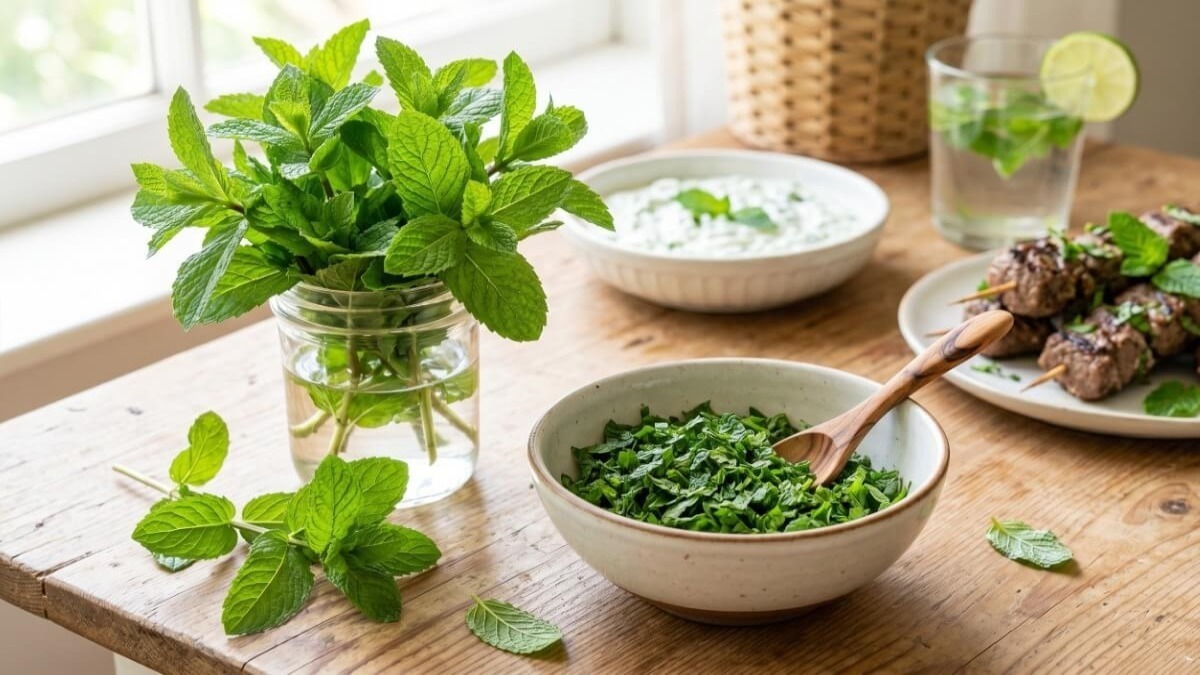
Mint leaves are incredible for adding flavor to your daily meals and maintaining good health. Its use is unparalleled, from the kitchen to cosmetics and the pharmaceutical industry. Just a few mint leaves can instantly make your boring food appealing.
Many of us only use mint in chutneys or salads. Beyond this, this herb has numerous health benefits. Let us learn all the wonderful facts about mint in detail.
What is Mint?
Mint is an aromatic herb belonging to the Lamiaceae family. It is known globally simply as mint. Its scientific name is Mentha.
The plant usually does not grow very large and thrives in damp soil. Its leaves contain a special compound called menthol. Menthol gives a cooling sensation and great aroma when you chew or rub the leaves.
People have used it as medicine since ancient times and to enhance food flavor. Today, mint is an essential ingredient in making everything from toothpaste and chewing gum to various cosmetics.
History and Origin of Mint
People have known about the qualities of mint for thousands of years. Evidence of its use is found in the ancient Egyptian civilization. Various murals inside the pyramids mention mint leaves.
Greeks and Romans used to mix mint leaves in their bathwater. They believed it refreshed the body and relieved fatigue. In ancient Greece, people even used this leaf to clean tables while entertaining guests.
Gradually, it spread from Europe to Asia and other parts of the world. In India, Ayurvedic medicine has used mint to solve digestive problems for a very long time.
Why Mint is One of the Most Popular Herbs in the World
Mint has gained immense global popularity due to its availability and versatile use. You can easily grow this plant in a pot on your balcony or roof. It does not require much care.
It is effective in everything from enhancing food flavor to settling stomach upsets. Its presence is evident in traditional dishes from countries around the world. It is valued everywhere, whether in Middle Eastern salads or the biryani of the Indian subcontinent.
In addition, its fresh scent can instantly cheer up the human mind. Mint oil is in high demand in aromatherapy to reduce stress. It is appreciated worldwide for these qualities.
Types of Mint
There are numerous varieties of mint worldwide. Their taste and smell vary based on soil type and weather. We discuss some of the most popular varieties below.
Peppermint
Peppermint is probably the most well-known variety of mint. It contains a high amount of menthol. As a result, its taste is quite strong and pungent.
This variety is used the most in the pharmaceutical industry. Manufacturers especially use it to make headache balms and muscle-pain-relief ointments. The strong flavor in chewing gum and mint candies comes mainly from peppermint.
Spearmint
The taste of spearmint is quite light and sweet compared to peppermint. It contains less menthol. Those who do not like very strong flavors prefer it.
People mostly use this variety for daily cooking and making tea. Chefs like to use spearmint to add a light freshness to various desserts and other sweet foods.
Apple Mint
As the name suggests, this variety has a slight apple-like aroma. Its leaves are somewhat round and hairy.
Apple mint pairs well with fruit salads and various cold drinks. It is an excellent choice for adding freshness to baby food.
Chocolate Mint
Chocolate mint is a special hybrid variety of peppermint. Its aroma is exactly like a mixture of chocolate and mint.
This variety is highly valued in the bakery industry. It adds a different dimension to making cakes, brownies, or ice cream. Planting it in a home garden fills the whole environment with a sweet aroma.
Other Popular Varieties of Mint
Besides the above, there are several varieties, such as water mint, wild mint, and Corsican mint. Water mint grows well in wet and damp environments. Wild mint usually grows naturally in wild environments.
Nutritional Value of Mint
This tiny leaf hides wonderful nutrients. You can eat it safely without worrying about calories. According to the United States Department of Agriculture (USDA), mint contains plenty of beneficial minerals.
Calories and Macronutrients
The amount of calories in mint leaves is absolutely negligible. Two tablespoons of fresh mint leaves contain only 2 calories.
It has almost no fat. It contains a small amount of protein and carbohydrates. ..It is an ideal ingredient for those on a weight loss diet.
Vitamins and Essential Minerals
Vitamin A is crucial for maintaining good eye health. Mint leaves are rich in vitamin A.
It also contains iron, manganese, and folate. Iron plays an important role in eliminating anemia. Manganese helps increase brain function.
Antioxidants and Plant Compounds
Mint contains powerful antioxidants like rosmarinic acid and flavonoids. These protect the body’s cells from the harmful effects of free radicals.
Eating antioxidant-rich foods regularly greatly reduces the risk of chronic diseases. According to Medical News Today, the antioxidants in mint also help reduce inflammation.
Dietary Fiber Content
Although we usually eat very small amounts of mint leaves, they contain some fiber. Fiber helps keep our digestive tract healthy.
You can get a good amount of fiber by eating plenty of fresh leaves in salads. It contributes somewhat to preventing constipation.
Main Health Benefits of Mint
Mint is used not only for its fragrance but also for its health benefits. Let us learn its main health benefits.
Helps Improve Digestion
Mint works like magic for bloating or indigestion. It relaxes the stomach muscles. This makes the digestion process faster and smoother.
Drinking a cup of mint tea after a heavy meal relieves discomfort. Grandmothers have advised drinking the juice of this leaf for any stomach upset for ages.
Can Help Freshen Breath Naturally
Having bad breath creates quite an embarrassing situation. The antibacterial properties of mint leaves destroy harmful bacteria inside the mouth.
Chewing a few fresh leaves instantly freshens breath. Menthol is a main ingredient in common mouthwashes on the market.
Packed with Antioxidants
There is no substitute for antioxidants to boost the body’s immune system. The antioxidants in mint leaves help flush out toxins from the body.
It increases skin brightness and prevents signs of aging. Drinking mint-infused water regularly keeps the skin fresh from the inside.
Helps Maintain Respiratory Health
Mint provides great relief for colds or stuffy noses. Its strong aroma helps clear the airways.
Taking steam with a few drops of mint oil or fresh leaves in hot water quickly opens the nose. Its light aroma can also be beneficial for patients with asthma.
Can Help Increase Mental Alertness
The scent of mint can refresh you when you feel tired from work pressure. It stimulates the brain nerves and increases focus.
Research shows that the smell of peppermint helps improve memory and alertness. Drinking mint tea at the study table or office speeds up work.
Contributes to Overall Wellness
Mint keeps the body cool naturally. Its juice eliminates dehydration in the body during summer.
It is also very helpful in reducing menstrual pain for women. Keeping mint in your regular diet ensures overall wellness.
Mint and Digestion: Why It Is So Popular
The popularity of mint in solving digestive problems is globally recognized. It works wonderfully in relieving a complex stomach condition called Irritable Bowel Syndrome (IBS).
A WebMD research report states that peppermint oil capsules can significantly reduce stomach pain in patients with IBS. Its menthol component prevents intestinal muscle spasms.
Those who often suffer from gas or acidity problems can add mint to their regular diet. It helps digest fatty foods by increasing bile secretion.
Mint for Oral Health and Fresh Breath
People have used mint since ancient times to protect teeth and gums. It maintains the pH level inside the mouth.
Its antimicrobial properties are highly effective in preventing tooth decay. You can easily boil mint leaves at home to make a natural mouthwash. This is much safer than chemical mouthwashes.
The Role of Mint in Traditional Medicine and Herbal Remedies
Ayurvedic and Unani medicine consider mint an important herb. Ancient physicians used mint extract to relieve nausea.
Applying a paste of mint leaves provides quick relief for a burning sensation from an insect bite. The practice of massaging mint juice on the forehead for headaches still exists in rural areas.
What Does Mint Taste Like?
It is essential to have an idea about its taste before using it in cooking. It adds a completely different dimension to food.
Taste and Aroma
The taste of mint is basically fresh and cool. It creates a cooling sensation on the tongue. Its aroma is quite intense and soothing.
Difference Between Peppermint and Spearmint
Peppermint tastes very strong and spicy. On the other hand, spearmint tastes sweet and much more refined. People generally use spearmint more in cooking so that the flavors of other ingredients are not masked.
Best Culinary Uses of Mint
Adding mint to the marinade removes the fishy smell. Its use in various drinks, soups, and salad dressings is unparalleled. If you do not add mint leaves to biryani, its true aroma remains incomplete.
How to Use Mint in Daily Life
Incorporating mint into your daily routine is very easy. You can use it in some very simple ways.
In Tea and Herbal Beverages
You can try drinking mint tea instead of a regular cup of tea in the morning. Drop a few leaves in boiling water and cover them for a while. Then mix a little honey and drink it.
In Salads and Chutneys
Sprinkle chopped mint leaves on a salad of cucumber, tomato, and onion. You can make an excellent chutney by blending mint and coriander leaves with green chilies and garlic.
In Desserts and Baked Goods
You can add a little mint extract to a chocolate cake or brownie mixture. Garnishing ice cream with fresh leaves upon serving looks very beautiful.
In Smoothies and Refreshing Drinks
Blend a few mint leaves with watermelon or lemon juice. There can be no more soothing drink than this on a hot day.
Popular Recipes Using Mint
You can easily prepare delicious dishes with mint at home. A few popular recipes are given below.
Mint Tea
Boil 5-6 fresh mint leaves in two cups of water for 5 minutes. Remove from the stove and strain. Mix a little lemon juice and honey and serve hot.
Mint Chutney
Blend one cup of mint leaves, half a cup of coriander leaves, 3-4 green chilies, two cloves of garlic, and a little salt together. Finally, mix in a few drops of lemon juice. This chutney tastes great with samosas or kebabs.
Mint Lemonade
Take a few ice cubes, lemon juice, sugar, and some crushed mint leaves in a glass. Now pour cold water and stir well. Your refreshing mint lemonade is ready.
Yogurt and Mint Dip
Beat the sour yogurt well. Mix finely chopped mint leaves, roasted cumin powder, and a little black salt into it. You can serve this as a raita with pulao or biryani.
Fresh Mint vs Dried Mint: Key Differences
The use of fresh and dried mint varies according to the type of cooking. Fresh leaves have a very strong aroma. It is better to use fresh leaves in salads or drinks.
On the other hand, the taste of dried leaves is a bit more concentrated. Using dried mint in long-cooked soups or curries yields good results. You can store dried leaves for a long time.
Mint vs Basil: Comparison of Taste and Use
Many people confuse mint and basil leaves. Although both are healthy herbs, their taste and uses are completely different. Basil tastes somewhat sweet and pungent like cloves.
People use basil mainly in making tea and medicine. On the other hand, the cool taste of mint is better suited to making drinks and chutneys. Italian cuisine uses more basil, while Indian cuisine values mint more.
How to Grow Mint at Home
The joy of using fresh leaves from your own plant is completely different from buying them from the market. It is very easy to grow.
Choosing the Right Variety
Choose the variety that best suits your needs. Planting spearmint is best for cooking. You can collect a small sapling from a nursery.
Planting and Care Tips
Mint plants grow very fast and spread around. Therefore, you should plant it in a separate pot. The plant prefers at least 3-4 hours of sunlight every day. You must always keep the soil slightly moist.
Harvesting Mint Leaves
When the plant’s branches grow a little, pluck the top leaves. This will make the plant bushier. You get the best aroma if you collect the leaves before the flowers appear.
Potential Side Effects and Precautions
Mint is generally safe for everyone. However, caution is required when using it in some cases.
Digestive Sensitivities
Those who have Gastroesophageal Reflux Disease (GERD) or heartburn problems should avoid mint. According to Healthline, mint relaxes the muscle between the stomach and the esophagus. As a result, stomach acid can increase, worsening heartburn.
Allergic Reactions
Although very rare, some people may have an allergy to mint. You must stop using it immediately if itching or redness appears after eating it or applying it to the skin.
Who Should Be Careful Using Mint?
Pregnant and breastfeeding mothers should consult a doctor before drinking excessive mint tea. It is absolutely wrong to apply mint oil directly to the faces of young children. It can cause them breathing difficulties.
How to Choose Fresh Mint Leaves
Always buy fresh and dark green leaves when you go to the market. Do not buy leaves if they have any black spots or yellowish tints. You can rub the leaves slightly and smell them before buying. Leaves with a strong and fresh smell are the best.
Proper Tips for Storing Mint
Mint spoils very quickly if you do not store it properly. You can follow the methods below to maintain freshness.
Refrigeration Method
Wash the mint leaves lightly and dry them with a kitchen towel. Now wrap them in a damp paper towel and put them in a plastic ziplock bag in the normal chamber of the fridge. The leaves will stay fresh for up to a week this way.
Freezing Mint for Long-Term Use
You can use an ice tray for long-term storage. Put a few leaves in each slot of the tray, then fill the tray with water. Then keep it in the deep freezer to make ice. You can use this mint ice directly during cooking.
Preserving Taste and Freshness
You can dry the leaves and keep them in a glass jar. To dry them, spread the leaves on a tray and leave them in shady air for a few days. Drying in the sun can destroy the leaves’ color and smell.
Frequently Asked Questions About Mint
Can You Eat Mint Every Day?
Yes, eating mint in moderation every day is completely safe. A small amount of mint with salad, tea, or curry is beneficial for your health.
Is Mint Good for Digestion?
Absolutely. Mint increases the flow of digestive juices that help digestion. It is highly effective in reducing indigestion and bloating.
What is the Best Way to Store Fresh Mint?
Wrapping it in a slightly damp paper towel and keeping it in an airtight container in the fridge is the best way to store fresh mint.
Mint in Different Cuisines Around the World
Transcending geographical boundaries, mint has become an integral part of the food of various cultures.
Mint in Mediterranean Cuisine
Mint is widely used in Greek and Lebanese cuisine. They use plenty of fresh mint along with parsley to make their famous salad “Tabbouleh”. It brings a wonderful freshness to the food.
Mint in South Asian Cuisine
Mint is a must with biryani or kebabs in India, Bangladesh, and Pakistan. Also, heavy meals in this region seem incomplete without raita or mint chutney.
Mint in Middle Eastern Recipes
Morocco’s famous mint tea is appreciated worldwide. They make this tea with green tea, fresh mint, and lots of sugar. They also use this leaf to marinate lamb.
Final Words on Mint
Mint is not just a simple leaf. It is an extraordinary gift given by nature. Its use in daily life helps us stay healthy and fresh.
Key Takeaways
We learned that mint improves digestion and supports oral health. Its antioxidants boost our immune system. You can use it for a long time if you store it properly.
Why Mint is an Essential Herb for Health and Taste
This herb can bring an incredible taste without adding any extra calories to the food. Using natural mint instead of artificial flavors is a hundred times better for health. It works simultaneously as a spice and a medicine.
Easy Ways to Add More Mint to Your Daily Diet and Lifestyle
You can sprinkle a few leaves on everything from your morning drink to your afternoon salad. Plant a mint plant in a pot on your balcony. The smell of fresh leaves plucked by your own hands every day will keep both your mind and body cheerful.