
How to Fix Your Sleep Schedule in 7 Days: A Complete Guide for Better Sleep and Energy
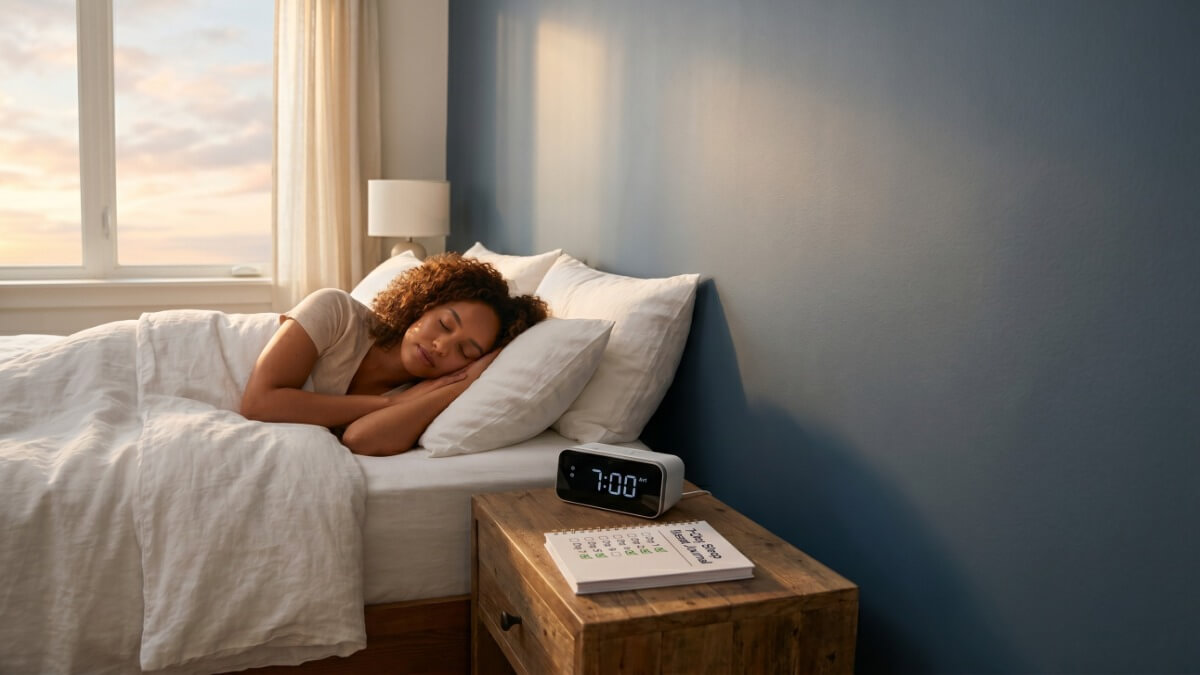
In the hustle of modern life, many of us struggle with a messed-up sleep schedule. Work pressure, social media, and various other factors keep us awake at night. As a result, we feel exhausted the next morning and are unable to focus on our tasks.
But you can easily solve this problem. Following a specific routine will keep both your body and mind refreshed. In this guide, we will discuss step by step how you can fix your sleep routine in just 7 days.
We created this guide combining scientific methods and practical steps. Let us get started and find out how to build a beautiful and healthy sleep habit.
Why a Healthy Sleep Routine is Important for Your Physical and Mental Health
Adequate sleep is absolutely necessary for our bodies. Sleep not only removes fatigue but also repairs various organs in our body.
When we sleep, our brains process the day’s information and store memories. A good night’s sleep helps boost our immune system. According to the Sleep Foundation, regular quality sleep greatly reduces the risk of heart disease, diabetes, and obesity.
Sleep is equally crucial for mental health. Lack of adequate rest leads to irritability and increased stress. Problems like depression and anxiety are often linked to a lack of sleep. Therefore, going to bed at a specific time every day is vital for maintaining mental peace.
Common Signs That Your Sleep Routine Is Messed Up
There are several ways to tell if your sleep routine is off track. The most common sign is feeling tired right after waking up. If you feel you need more rest even after 8 hours of sleep, it means your sleep quality is poor.
Excessive daytime sleepiness is another major sign. Yawning repeatedly or struggling to keep your eyes open while working or studying indicates irregular sleep.
Additionally, tossing and turning in bed for hours is a familiar problem. Struggling to fall asleep proves your body clock is not working properly. Waking up repeatedly during the night and waking up before your alarm goes off are also clear indicators.
What Causes an Irregular Sleep Routine?
Many factors can mess up our sleep schedule. A major reason is irregular working hours. For those who work shifts, their natural body clock often gets confused.
Excessive screen time is another big culprit. The blue light from mobile phones or laptops before bed blocks the production of the melatonin hormone in our brains. This hormone is what helps us fall asleep.
Furthermore, mental stress and anxiety prevent our brains from calming down. Drinking too much tea or coffee and having irregular eating habits also negatively impact our sleep. Sometimes, environmental factors like excessive noise or bright lights can disrupt our rest.
Understanding Your Body’s Natural Circadian Rhythm
Every one of us has a natural internal clock known as the circadian rhythm. It controls our 24-hour life cycle.
This rhythm operates primarily based on light and darkness. When morning sunlight hits our eyes, our brain realizes it is time to wake up. The body then produces cortisol, a hormone that gives us energy. According to the National Institutes of Health, this natural clock also regulates our body temperature and digestive process.
Conversely, when it gets dark, the brain starts producing melatonin. This signals our body to sleep. When we go against this natural rhythm by staying awake at night and sleeping during the day, our sleep routine completely breaks down.
Can You Really Change Your Sleep Schedule in Just 7 Days?
Yes, it is possible to make a massive change to your sleep schedule in just 7 days. However, this requires your willingness and consistency.
You might face some difficulty for the first few days. Your body will want to return to its old habits. But if you strictly follow the rules in this guide, you will notice a difference within 3 to 4 days.
During this seven-day process, we will help your body get used to a new rhythm. Keep in mind that this will not work like magic. It is a scientific process in which you give your body’s hormones the opportunity to function properly.
Day-by-Day Sleep Reset Plan
Day 1: Assess Your Current Sleep Habits and Set a Goal
Your main task on the first day is to observe yourself. Keep a diary and write down when you usually go to bed and when you wake up.
Identify the problems with your current routine. Then, set a realistic goal. Decide exactly what time you want to go to bed and what time you want to wake up every day.
When setting your goal, make sure you allow yourself at least 7-8 hours of sleep. Create this schedule in alignment with your daily work routine.
Day 2: Establish a Strict Bedtime and Wake-Up Time
Today is the day to put your new schedule into action. Go to bed and wake up exactly at the times you set yesterday.
Set a specific alarm for waking up in the morning. Try to wake up at the same time every day, including weekends. This will help reset your body’s internal clock.
Even if you cannot fall asleep at night, force yourself to get out of bed at the specified time in the morning. Do not take naps during the day under any circumstances. This ensures you will naturally feel sleepy at night.
Day 3: Optimize Your Sleep Environment for Better Rest
Make sure your bedroom is perfectly suited for sleep. Try to keep the room dark, quiet, and relatively cool.
Use heavy curtains or an eye mask if needed to prevent outside light from entering the room. You can use earplugs to reduce noise.
Ensure your mattress and pillows are comfortable. Use the bedroom strictly for sleep and relaxation. Avoid working or watching TV in bed.
Day 4: Reduce Screen Time and Evening Light Exposure
Today’s task is to control your use of technology. Turn off all electronic devices at least one hour before going to bed.
The blue light from mobiles, laptops, or TVs blocks melatonin production in your brain. This delays the onset of sleep.
Instead, you can read a book or listen to soft music at night. Dim the lights in your room. Using dim or warm light is a great idea. This will gradually prepare your body for sleep.
Day 5: Improve Your Diet and Limit Sleep Disruptors
Your food and drinks have a massive impact on your sleep. Avoid drinking tea, coffee, or energy drinks after the afternoon.
Avoid heavy or highly spicy foods at night. They take time to digest and can cause stomach discomfort, which can disrupt your sleep.
Try to finish your dinner at least two to three hours before going to bed. If you feel very hungry before sleeping, you can eat something light, like a glass of warm milk or a banana.
Day 6: Use Physical Activity for Better Sleep
Regular exercise is highly effective in promoting deep, restful sleep. Try to do at least 30 minutes of physical activity during the day.
Cardio exercises like walking, jogging, swimming, or cycling are very beneficial for sleep. They tire the body out, which helps you fall asleep faster at night.
However, remember not to do heavy workouts right before bed. This can overstimulate your body. The best time to exercise is in the morning or the afternoon.
Day 7: Reinforce Your New Routine and Plan for Long-Term Success
Congratulations! You have successfully completed the 7-day routine. Today, you will feel positive changes in your body and mind.
Now your task is to maintain this habit. Make the rules you learned over the past six days a part of your daily life.
Sometimes your routine might fluctuate slightly, but do not get frustrated. Try to get back to your specific schedule as quickly as possible.
Best Morning Habits to Strengthen Your Sleep Schedule
How your morning starts largely dictates how you will sleep at night. Try to soak in some sunlight right after waking up.
The sweet morning sun signals your body that the day has started. It halts melatonin production and helps you feel refreshed.
Drink a glass of water when you wake up. This hydrates your body and activates your metabolism. Light stretching or yoga in the morning can also be a wonderful start to your day.
Evening Routines That Help You Fall Asleep Faster
A relaxing evening routine will help you detach from the day’s busyness. Do something that calms your mind before going to bed.
Taking a warm bath can be an excellent method. It relaxes your body’s muscles and slightly lowers your core temperature, creating the perfect environment for sleep.
You can also write in a journal. Jotting down the day’s thoughts or tomorrow’s tasks greatly reduces mental stress. Additionally, meditation or deep-breathing exercises will help you fall asleep more quickly.
Food and Drinks That Can Affect Sleep Quality
Certain foods help us sleep better. For example, cherries or cherry juice are excellent natural sources of melatonin.
Almonds and walnuts contain a high amount of magnesium, which helps relax muscles. Chamomile tea calms the nerves and aids sleep.
On the other hand, excessively fatty or sugary foods ruin sleep quality. You should also avoid drinking too much water or fluids at night, as this might wake you up repeatedly for bathroom trips.
How Caffeine, Sugar, and Alcohol Affect Sleep
Caffeine is a stimulant that keeps our nervous system alert. It can remain active in the body for several hours. So, consuming caffeine in the afternoon or evening makes it hard to fall asleep at night.
Highly sugary foods cause your blood sugar levels to spike quickly and then drop suddenly. This fluctuation can disrupt your sleep cycle and wake you up in the middle of the night.
Many people think alcohol helps them fall asleep faster. But in reality, it destroys the sleep stages. Consuming alcohol prevents deep sleep, and you wake up feeling extremely exhausted the next morning.
The Role of Exercise in Maintaining Healthy Sleep Patterns
There is a strong positive connection between exercise and sleep. Regular physical activity increases our body’s sleep drive.
Exercising raises body temperature, which gradually returns to normal after the workout. This drop in temperature signals to our brain that it’s time to sleep.
Moreover, exercise is fantastic for reducing stress and anxiety. But remember, consistency is the most important factor here. Try to exercise at least five days a week.
How to Handle Weekend Sleep Disruptions
Many people go to bed late and sleep in on weekends. This is called Social Jetlag.
This habit can ruin the routine you worked so hard to build throughout the week. Waking up on Monday morning then becomes a massive challenge.
Try to stick to your specific routine as much as possible, even on weekends. If you really want to, you can sleep in for a maximum of one extra hour. Anything more than that will confuse your body’s natural clock again.
Common Mistakes to Avoid When Resetting Your Sleep Schedule
We often make a few mistakes when fixing our sleep routine. The biggest mistake is taking long naps during the day. If you feel extremely tired, you can take a short 20 to 30-minute power nap, but nothing more.
Another mistake is trying to force yourself to sleep. If you cannot fall asleep, do not lie in bed feeling frustrated.
Constantly checking the clock is also a major error. As time passes, your anxiety increases, which pushes sleep further away. Keep the clock out of your sight.
What to Do If You Can’t Fall Asleep at Night
If 20 minutes have passed after going to bed and you still cannot sleep, get out of bed.
Go to another room and do a relaxing activity under dim light. You can read a book or listen to calming music.
Do not return to bed until your eyes feel heavy and you are genuinely sleepy. You must train your brain to see the bed only as a place to sleep, not as a place to stay awake.
How Stress and Anxiety Can Disrupt Sleep
Stress is a daily companion in our modern lives. When we are stressed, our bodies release cortisol and adrenaline hormones.
These hormones keep our bodies alert and awake, which is completely counterproductive for sleeping. When your head is crowded with various thoughts, your brain cannot calm down.
That is why it is absolutely necessary to calm your mind before bed. Mindfulness, meditation, or relaxation techniques work wonderfully to reduce this mental stress.
When to Seek Professional Help for Chronic Sleep Issues
If you continue to suffer from sleep problems for over a month despite following all the rules in this guide, you should consult a doctor.
For certain physical conditions like Sleep Apnea, Restless Legs Syndrome, or Chronic Insomnia, simple routine changes might not work. According to experts at the Mayo Clinic, getting an accurate diagnosis and treatment is essential in such cases.
Your doctor might recommend Cognitive Behavioral Therapy for Insomnia (CBT-I) or prescribe medications as needed.
Tips for Maintaining a Consistent Sleep Schedule Year-Round
Building a good sleep routine is hard, but maintaining it is even harder. Consistency is the key to success.
As seasons change, the amount of daylight varies. Days are shorter in winter and longer in summer. You might need to make slight adjustments to your routine to match these natural changes.
However, ensure that your core bedtime and wake-up time remain the same. If your routine is disrupted by travel or illness, try to return to your old schedule as quickly as possible after you recover.
Frequently Asked Questions About Fixing Sleep Schedules
How long does it take to fix a sleep schedule?
It depends on the individual. However, the body generally takes 3 to 7 days to get used to a new sleep routine. If your schedule is severely messed up, it might take up to two weeks to fix.
Can I reset my sleep schedule in one week?
Yes, absolutely. If you are determined and strictly follow the steps outlined in this guide, you can achieve significant positive change in your sleep routine within a week.
What is the fastest way to fall asleep at night?
To fall asleep quickly, keep your bedroom dark and cool. Turn off all electronic screens before bed and practice deep breathing exercises to calm your mind.
Should I stay awake all day to reset my sleep schedule?
No, this is a very harmful method. Staying awake all day will make your body overly exhausted and increase the risk of getting sick. Instead, fix your routine by gradually shifting your bedtime by 15 to 20 minutes each day, either earlier or later.
How much sleep do adults need every night?
Most adults need 7 to 9 hours of uninterrupted sleep every night to function healthily.
Does exercise help improve sleep quality?
Yes, regular exercise helps increase the duration of our deep sleep. However, you should avoid heavy exercise right before bedtime.
What should I avoid before sleeping?
Avoid looking at mobile phones, laptops, or TVs at least an hour before bed. Also, refrain from consuming tea, coffee, alcohol, and heavy meals.
Why do I wake up tired even after sleeping?
This could be because your sleep quality is poor. Conditions like sleep apnea, snoring, or waking up repeatedly can cause this. Consult a doctor if this happens regularly.
Conclusion
Final Thoughts on Resetting Your Sleep Schedule in 7 Days
Fixing your sleep routine is not an impossible task. It simply requires your willingness and a bit of discipline. While the first few days might seem a bit difficult, your body will get used to this new and healthy rhythm over time.
Key Takeaways for Better Sleep, Health, and Productivity
Adequate and quality sleep impacts every aspect of our lives. It boosts our productivity at work, keeps relationships beautiful, and helps keep the body disease-free. Therefore, sleep should never be neglected.
How Consistency Can Help You Maintain Healthy Sleep Habits for Life
A healthy sleep routine is not a one-day job; it is a lifestyle. If you go to bed and wake up at the same time every day, it will become a habit. This consistency will help you stay physically and mentally healthy and vibrant for the rest of your life. Start your new routine today and enjoy the positive changes in your life.