Garam Masala Explained: A Complete Guide to Flavor and Health
If you look closely at your kitchen shelf, a particular spice jar is bound to catch your eye. Its aroma and flavor can turn any ordinary meal into an extraordinary culinary experience. Yes, we are talking about garam masala.
It is not just a simple spice. It is a wonderful blend of thousands of years of tradition and health benefits. From the Indian subcontinent to kitchens all around the world, it is highly appreciated today.
In this comprehensive guide, we will explore everything you need to know about garam masala. From its nutritional value to the proper rules of cooking with it, everything is covered right here. Let us step into the world of this aromatic spice.
What is Garam Masala?
Garam masala is a beautiful blend of several spices. In Hindi and Sanskrit, the word “garam” means warm, and “masala” means a spice blend.
Hearing the name might make you think it is very hot or spicy. However, that is not the truth. It creates a gentle warmth in the body that aids digestion.
The exact mixture can vary greatly from region to region. But its main purpose is always to add deep flavor and a wonderful aroma to food. It elevates the taste of any dish to a whole new level.
The History and Origin of Garam Masala in Indian Cooking
The history of garam masala is quite ancient. Its roots are hidden deep within the ancient Indian science of Ayurveda.
During those times, spices were not used merely to enhance flavor. This specific blend was created to keep the body healthy and to regulate body temperature. It was considered essential for keeping the body warm, especially in colder regions.
Its use became even more popular during the Mughal era. This spice blend was the top choice for royal chefs when preparing aromatic dishes for the court. Gradually, it made its way into the kitchens of everyday people.
Why Garam Masala is an Important Spice Blend in Cooking
Adding this spice to any dish completely transforms its flavor profile. It brings together the different ingredients of a meal to create a perfectly balanced taste.
Every single spice in this blend has its own unique characteristics. Some provide a sweet taste, some add a bit of heat, and others release a fragrant aroma. Together, they create a perfect harmony.
If you ever feel that your cooked curry is missing a little something, a pinch of garam masala might be the magical solution you need. It is equally effective in both vegetarian and non-vegetarian dishes.
What Spices are in Garam Masala?
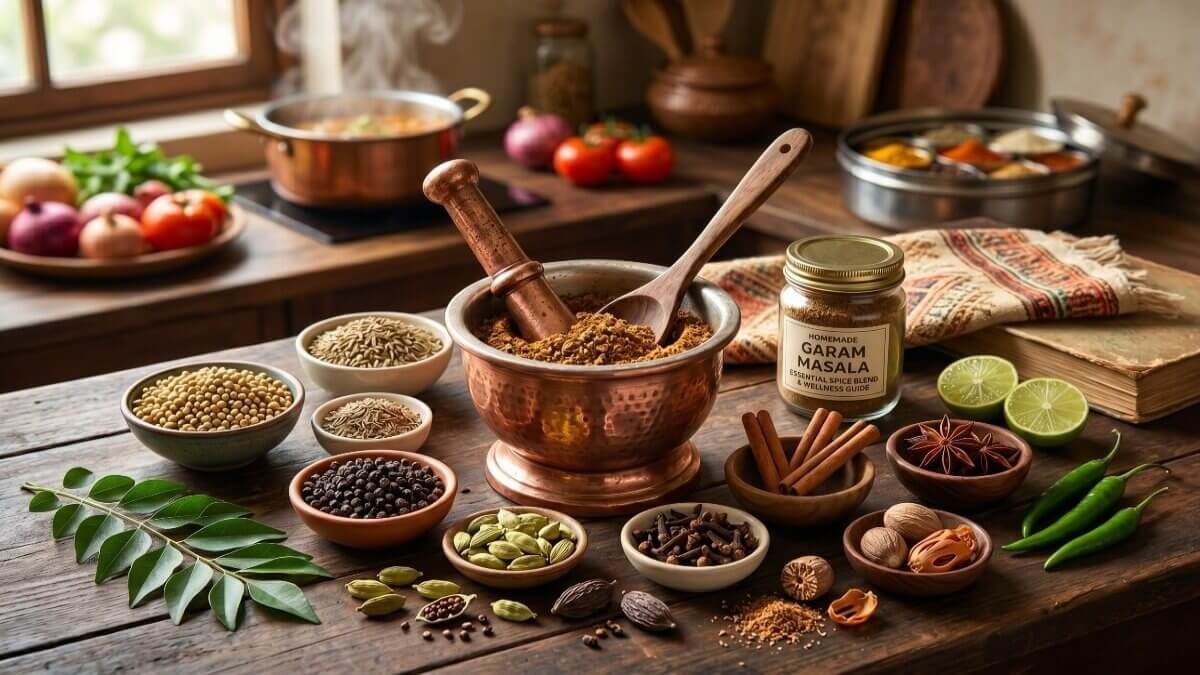
Creating an ideal garam masala requires several important ingredients. Each component brings its own unique qualities and flavor. Below is a detailed discussion of the primary ingredients.
Cinnamon
Cinnamon is one of the main ingredients in this blend. It adds a mildly sweet and warm flavor to your food.
Its aroma makes any curry instantly more appealing. Various studies have also shown that cinnamon helps control blood sugar levels.
Cloves
The flavor of cloves is quite intense and pungent. It adds a powerful and bold dimension to the spice mixture.
Even a very small amount of clove can change the scent of the entire blend. The antibacterial properties of cloves are also highly effective for protecting your health.
Cardamom
Cardamom is often called the queen of spices. In garam masala, both green and black cardamom are generally used.
Green cardamom brings a fresh, slightly sweet aroma to food. On the other hand, black cardamom provides a smoky and much deeper flavor.
Cumin
Cumin provides a natural, earthy flavor. It gives the taste of the entire mixture a beautiful and solid foundation.
The aroma of cumin increases appetite and greatly helps with digestion. It is an absolutely essential part of any spice blend.
Coriander Seeds
Coriander seeds add a fresh, slightly citrusy flavor. It brings a wonderful balance by slightly mellowing the intensity of the other spices.
Because of this, the spice blend does not become overly harsh or pungent. Coriander seeds also possess natural cooling properties.
Black Pepper
The slight heat you taste in garam masala actually comes from black pepper. Black pepper enhances the true flavor of the food.
It also increases the body’s ability to absorb nutrients. Specifically, it helps the health benefits of the other spices reach your body effectively.
Nutritional Value of Garam Masala
Many people think spices are only meant for flavor. However, the nutritional value of garam masala will definitely surprise you.
Calories and Macronutrients
This spice is extremely low in calories. A single teaspoon of the blend contains a negligible amount of calories.
The amount of fat or carbohydrates in it is almost non-existent. It does, however, contain a good amount of dietary fiber, which is great for digestion.
Antioxidants and Plant Compounds
Garam masala is rich in antioxidants. Every single ingredient in it contains polyphenols and flavonoids.
These antioxidants fight against harmful free radicals in the body. According to research from the National Library of Medicine on high-quality antioxidants, spices protect our cells from significant damage.
Essential Oils from Spices
The main reason for the spice’s aroma is its natural internal oils, or essential oils. These oils do not just provide fragrance; they are also beneficial for your health.
Eugenol from cloves or cinnamaldehyde from cinnamon are part of these oils. They act almost like natural medicines within our bodies.
Health Benefits of Garam Masala
Alongside taste, it brings about various improvements to our health. Let us learn about its wonderful health benefits.
Helps Boost Digestion
It is widely known for speeding up the digestive process. It increases gastric juice secretion.
As a result, food is digested quickly and easily. It works wonderfully to eliminate problems like indigestion or gas.
Rich in Antioxidants
As mentioned earlier, it is a powerhouse of antioxidants. Cloves and cinnamon are especially rich in antioxidant compounds.
These can protect our bodies from aging and various chronic diseases. Regular consumption keeps the body healthy from the inside out.
May Help Improve Metabolism
The ingredients in garam masala slightly raise our body temperature. This is known as a thermogenic effect.
As a result of this effect, the body’s metabolism increases. An improved metabolism can also be very helpful for weight management.
Helps Boost Immunity
Many of its ingredients possess natural antimicrobial and antiviral properties. Cloves and black pepper actively fight against harmful bacteria.
Its use can be very comforting during a cold or cough. It actively strengthens our immune system.
May Help Reduce Inflammation
Chronic inflammation in the body can be the root cause of various diseases. The ingredients in garam masala help reduce inflammation in the body.
It can be especially helpful in reducing joint pain or swelling. According to the health website Healthline, cinnamon and cloves are effective at reducing inflammation.
Enhances Overall Wellness
Altogether, it ensures the overall wellness of our body. It takes care of everything from digestion to immune defense.
Its aroma also helps to reduce our mental stress. The scent of cooking with it calms the mind and makes you feel joyful.
Garam Masala and Digestion: Why It Works Well After Meals
Since ancient times, there has been a tradition of serving spiced drinks or foods after a heavy meal in the Indian subcontinent. The main reason for this is to aid digestion.
The warm ingredients of garam masala activate the stomach. It helps relieve abdominal discomfort after eating heavy, fatty foods.
Cumin and cardamom relax the stomach muscles. As a result, issues like bloating or gas do not occur easily.
Use of Garam Masala in Traditional Ayurvedic Medicine
In Ayurvedic medicine, the human body is divided into three doshas. These are Vata, Pitta, and Kapha. Garam masala is used to maintain the balance of these doshas.
According to Ayurveda, it helps increase “Agni” or digestive fire in the body. It plays a special role in keeping the body warm from the inside during winter.
However, those who have excess Pitta or excess heat in their bodies are advised to consume it in moderation. When used in the right amounts, it works just like medicine.
How to Use Garam Masala in Cooking
It cannot be used at just any stage of cooking. Knowing the correct application rules is essential to achieving the perfect flavor.
In Curries and Gravies
It is essential for making the gravy of any curry. It creates a thick, flavorful base in the broth.
A little spice can be added while sautéing onions and tomatoes. This spreads a beautiful aroma throughout the entire gravy.
In Rice Dishes and Biryani
Using this spice when making biryani, pulao, or fried rice significantly enhances the flavor.
Both whole spices and powdered spices blend with the rice to create a wonderful fragrance. It gives rice dishes a truly royal touch.
In Soups and Lentils (Dal)
Even in ordinary dal or soup, a pinch of garam masala works like magic. It makes the simple taste of lentils much deeper and more interesting.
Sprinkling a little spice on a hot bowl of soup on a winter evening soothes both the body and the mind.
As a Finishing Spice for Flavor
The most important rule of using it is to add it right at the very end of cooking. Unlike other spices, it does not need to be simmered for long.
It should be sprinkled just a few minutes before the cooking is done, and then the pot should be covered with a lid. This traps the volatile oils and the spice’s aroma inside the food.
Popular Recipes Using Garam Masala
South Asian cooking is almost impossible without it. Below are some popular dishes where its use is absolutely essential.
Chicken Curry
It is hard to even imagine chicken curry without this spice. ..It removes the raw smell of the meat and brings a wonderful aroma.
It is used from marinating the meat through to the final stage of cooking. …It gives the chicken curry an authentic restaurant-like flavor.
Vegetable Curry
Bringing great flavor to vegetarian dishes can sometimes be difficult. But it is possible to make any vegetable curry delicious with this blend.
Whether it is potato and cauliflower or mixed vegetables, a little spice completely transforms the taste. It makes vegetables much more appetizing.
Dal (Lentil Soup)
It can bring variety even to everyday lentils. It is especially used during the tempering (tadka) of the dal.
Its aroma, mixed with onions, garlic, and dried chilies, makes the dal extraordinary. It makes a simple rice-and-lentil meal feel very special.
Biryani and Pulao
The real secret of biryani is the correct use of spices. Garam masala is the most important ingredient here.
It is used from marinating the meat to layering it with the rice. This is what creates that familiar and tempting aroma.
Garam Masala vs. Curry Powder: What is the Difference?
Many people make the mistake of thinking these two spices are exactly the same. But there is quite a big difference between them.
Curry powder is primarily a British invention. They created this blend to make Indian flavors easily accessible. Curry powder contains a lot of turmeric, which is responsible for its bright yellow color.
On the other hand, garam masala contains almost no turmeric. It is much more aromatic and is usually used at the end of cooking. Curry powder is used at the beginning of cooking as a flavor base.
Homemade Garam Masala vs. Store-Bought: Which is Better?
While it is convenient to use packaged spices bought from the store, it has some disadvantages. Factory-made spices are ground long ago, so their aroma is greatly diminished.
Store-bought spices often contain more of the cheaper ingredients. As a result, you do not get the true pungency and flavor of the authentic spice.
Homemade spice, on the other hand, is completely pure. You can adjust the amount of ingredients according to your own preference. The aroma and taste of homemade spices are often better than those of store-bought ones.
How to Make Garam Masala at Home (A Simple Guide)
You can easily make this blend in your own kitchen. Below are the simple steps to follow.
Roasting the Spices
First, you need to lightly roast the whole spices in a dry pan over medium heat. You cannot roast them too much, as the spices might burn and become bitter.
When a beautiful aroma starts coming out of the spices, take them off the heat. This process activates the natural oils inside the spices.
Grinding and Blending
Wait for the roasted spices to cool down completely. If you grind them while they are hot, the spices might clump together.
Next, grind the spices finely in a clean and dry grinder. You can also grind them using a traditional mortar and pestle if you prefer.
Storing Fresh Garam Masala
If the powdered spice comes into contact with air, its aroma is ruined. Therefore, keeping it in the right container is very important.
Store it in an airtight glass container. It must be kept away from direct sunlight or the heat of the stove.
Potential Side Effects and Precautions
Excessive use of anything can be harmful. It is necessary to follow some precautions regarding this spice as well.
Consuming Too Much Spice
Using excessive amounts of it in food can cause a burning sensation in the stomach. Its warming effect might cause heartburn.
A very small amount is enough to enhance the food’s flavor. Excessive use also ruins the meal’s original taste.
Acid Sensitivity or Digestive Issues
Those who have stomach ulcers or problems with severe acidity should be careful. Spicy food can make their problems much worse.
Patients with acid reflux or gastric issues should consume it in moderation. It is always best to consult a doctor if needed.
Who Should Be Careful
Pregnant women should avoid excessive amounts of garam masala. It is also best to give it in very small quantities in children’s food.
Those with allergies should be sure about the ingredients in the spice. If there is a problem with any specific ingredient, you can make the blend by excluding it.
How to Store Garam Masala Properly
The key to retaining the spice’s aroma is proper storage. Using glass containers instead of plastic ones is the best approach.
Make sure the lid of the container is sealed tightly. Do not keep the spice in damp places or near the stove.
If kept in a cool and dark place, the spice stays good for several months. However, it is best if you make the spice in small batches and use it while it is fresh.
How to Choose High-Quality Garam Masala
If you must buy from the market, keep a few things in mind. Read the list of ingredients on the packet very carefully.
The color of a good spice is somewhat dark brown, and its aroma is very intense. Very cheap spices are more likely to contain adulterated ingredients.
If possible, buy spices from a known and trusted brand. Buying whole spices and grinding them yourself is always the smartest choice.
Frequently Asked Questions About Garam Masala
Here are answers to some common questions many people have.
Can You Use Garam Masala Every Day?
Yes, you can use it in your daily cooking. However, the amount must be very small. Using too much can cause digestion problems, so moderate use is always the best.
Is Garam Masala Spicy?
No, it is not directly spicy or hot. Because it contains black pepper, it has a slightly pungent taste. Its main job is to add aroma, warmth, and deep flavor to the food, not to make the food overly spicy.
When Should You Add Garam Masala in Cooking?
To get the best results, it should be added right at the final stage of cooking. Sprinkle it a few minutes before taking the curry off the stove and covering the pot. This preserves the authentic aroma of the spice.
Final Thoughts on Garam Masala
It is an inseparable part of our culinary heritage. South Asian cooking is incomplete without its use.
Key Takeaways
We learned that it not only enhances the taste of food but is also highly beneficial for our health. Its antioxidant and digestion-aiding properties have made it a truly magical spice.
With the right ingredients, correct measurements, and proper storage, you can get the most out of it.
Why Garam Masala is Essential in Indian Cooking
The diversity and depth found in the cooking of the Indian subcontinent are largely due to this aromatic blend. It creates a beautiful connection between various regional cuisines. It has been serving as the core secret of cooking for generations.
An Easy Way to Add More Flavor to Your Meals
Try buying whole spices from the market today and making your own blend at home. Sprinkle a pinch of fresh spice on your daily cooked dal or curry.
You will be able to understand the difference yourself. Food is not just for filling the stomach; it is an experience. And there is no substitute for this spice to make that experience sweet. Stay healthy and enjoy the pure pleasure of delicious food.