
Indian Bay Leaf (Tej Patta): Benefits, Uses, and Nutrition Guide
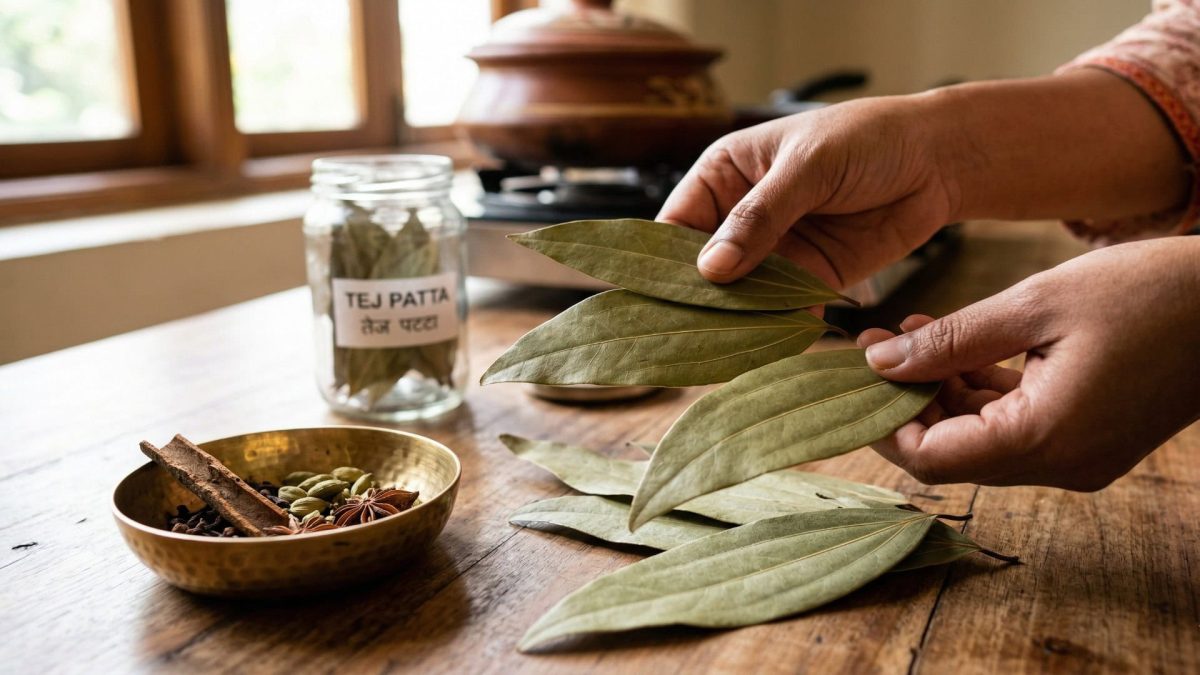
What is Tejpatta?
Tejpatta is one of the most familiar and essential spices in our kitchens. It is primarily an aromatic leaf used to add wonderful fragrance and flavor to a wide range of dishes around the world. Its value is especially high in South Asian cooking.
The presence of a bay leaf in biryani, pulao, or any meat curry enhances the dish’s flavor. Its mildly sweet and warm aroma can make any ordinary dish extraordinary. This leaf is widely known not only for its culinary uses but also for its medicinal properties.
This leaf is usually dried before being used in cooking. Dried leaves retain more fragrance and can be stored for a long time. Tejpatta not only enhances the taste of food but is also beneficial to our health in many ways.
History and Origin of Bay Leaves
The use of bay leaves is not a modern trend. It has been used in culinary arts and medicine for thousands of years. Bay leaves were highly respected in ancient Greece and Rome. Victorious heroes and poets were crowned with wreaths made of bay leaves there.
However, the Indian bay leaf we typically use originated in the foothills of the Himalayas. It has been cultivated in the mountainous regions of India, Nepal, and Bhutan since ancient times. In our subcontinent, it is highly regarded not just as a spice but as an important component of Ayurvedic medicine.
This spice spread to other parts of the world along ancient trade routes. Spice merchants brought it from Asia to Europe and the Middle East. Over time, it has become an integral part of the cuisine in various countries.
Indian Bay Leaf vs. Standard Bay Leaf: Understanding the Difference
What we call Tejpatta may be known as “bay leaf” or standard bay leaf in other parts of the world. There are several fundamental differences between the Indian bay leaf and the standard bay leaf. Many people mistakenly think these two leaves are the same.
The standard bay leaf comes from the Laurus nobilis tree, which primarily grows in the Mediterranean region. Its taste is slightly bitter, and its aroma is somewhat like pine or oregano. On the other hand, the Indian bay leaf comes from a tree named Cinnamomum tamala.
The Indian bay leaf has a beautiful mixed aroma of cinnamon and cloves. It is slightly larger in size and has three distinct veins running lengthwise along its surface. The culinary uses and flavors of these two leaves are completely different.
Botanical Profile of the Indian Bay Leaf
Scientific Classification
The scientific name of the Indian bay leaf is Cinnamomum tamala. It belongs to the family Lauraceae. This same family includes many other aromatic trees, such as cinnamon and camphor.
From a botanical perspective, it is a medium-sized evergreen tree. Its leaves are primarily harvested for use as a spice. Every part of this tree contains a type of natural volatile oil or essential oil.
Appearance and Aroma
The Indian bay leaf is quite attractive. These leaves can generally be 12 to 20 centimeters long. The leaves are dark olive green and look quite shiny.
The biggest characteristic of this leaf is the three parallel veins on its surface, which extend from the base to the tip of the leaf. Its aroma is a blend of cinnamon, cloves, and a hint of cardamom. After drying, this fragrance becomes even more intense and captivating.
Regions Where Bay Leaves Are Cultivated
The Indian bay leaf grows best primarily in tropical and subtropical regions. The southern slopes of the Himalayas are considered the most suitable place for its cultivation. These trees grow wonderfully at altitudes of 1000 to 2000 meters above sea level.
It is extensively cultivated in the northeastern part of India, especially in Assam, Meghalaya, and Sikkim. Besides this, high-quality bay leaves are produced in the mountainous regions of neighboring countries such as Nepal and Bhutan. It is also currently being cultivated in some areas of Sylhet and the Chittagong Hill Tracts in Bangladesh.
Nutritional Value of Indian Bay Leaves
Calories and Macronutrients
Bay leaves are primarily used in small amounts to enhance the flavor of food, so we do not consume many calories from them. They do contain a good presence of carbohydrates, fiber, and protein. There are about 313 calories in 100 grams of bay leaves, though we only use a few grams at a time.
The amount of dietary fiber is quite significant in its macronutrient profile. This fiber works wonderfully to keep our digestive system healthy. The amount of fat is absolutely negligible, making it a very healthy spice.
Vitamins and Essential Minerals
The bay leaf is an excellent natural source of vitamins and mineral components. It contains plenty of vitamins A and C. Vitamin A helps keep our eyesight healthy, and vitamin C boosts our immune system.
It is not lagging behind in terms of mineral components either. Bay leaves contain essential minerals like calcium, iron, potassium, magnesium, and manganese. Iron helps prevent anemia, and potassium plays an important role in controlling blood pressure.
Antioxidants and Plant Compounds
The strongest aspect of bay leaves is their antioxidant content. They contain flavonoids, tannins, and various phytochemicals. These plant compounds help destroy harmful free radicals in our bodies.
If you regularly use bay leaves in your food, these antioxidants protect the body’s cells from damage. It is also helpful in keeping aging-related issues at bay. You can check health websites like Medical News Today to learn more details.
Essential Oils and Aromatic Components
The main reason for the wonderful aroma of bay leaves is the essential oil they contain. The main components of this oil include Eugenol, Linalool, and Cineole. These components have powerful medicinal properties.
Eugenol is known for its anti-inflammatory properties. Linalool helps reduce stress and calm the mind. Bay leaf extracts are also used in aromatherapy for their aromatic properties.
Top Health Benefits of Indian Bay Leaves
Supports Digestive Health
The bay leaf is a blessing for our digestive system. It has an excellent effect on the gastrointestinal system and speeds up digestion. It is highly effective at relieving problems such as indigestion and bloating after heavy meals.
The enzymes in bay leaves help break down complex proteins, allowing food to be digested faster. Regular use in cooking can also help reduce issues like Irritable Bowel Syndrome (IBS).
Rich in Antioxidants
As mentioned earlier, bay leaves are a powerhouse of antioxidants. These antioxidants protect our bodies from oxidative stress. The risk of chronic diseases like cancer decreases significantly due to the reduction of oxidative stress.
It also helps keep our skin and hair healthy. The antioxidants in bay leaves help the liver flush pollutants and toxins from the body.
May Help Protect Heart Health
Bay leaves play an important role in keeping the heart healthy. The Rutin and Caffeic acid present in it strengthen the heart’s walls and help keep cholesterol levels in check. It helps lower bad cholesterol (LDL) and increase good cholesterol (HDL).
People with a family history of heart disease can benefit by using bay leaves in their daily cooking. Various studies on Healthline have also mentioned the positive impact of spices on heart health.
Promotes Respiratory Wellness
Bay leaves are an ancient home remedy for colds, coughs, and respiratory problems. Their antibacterial properties help eliminate respiratory infections. Inhaling steam from water boiled with bay leaves, or using its essential oil, helps clear a blocked nose.
Drinking bay leaf tea can be quite comforting when there is chest congestion. It keeps the lungs clear and makes the breathing process easier.
Can Help Maintain Normal Blood Sugar Levels
Bay leaves can be an effective natural ingredient for diabetic patients. Studies have shown that regular consumption of bay leaves makes it easier to maintain blood glucose levels within target ranges. It helps improve insulin effectiveness in the body.
Moderate use of bay leaves in food is highly beneficial for those with type 2 diabetes. However, those taking diabetes medication should consult a doctor while using it.
Contributes to Overall Well-being
Beyond the benefits above, bay leaves play an important role in our overall wellness. They help reduce mental stress and anxiety. Their aroma calms the nerves and helps you get a good night’s sleep.
The anti-inflammatory properties of bay leaves may also help reduce arthritis or joint pain. Overall, it works wonderfully to keep both the body and mind refreshed.
Bay Leaves and Digestive Health: Traditional Uses
For a long time, our grandmothers have relied on bay leaves to cure digestive disorders. Traditionally, bay leaves are used in heavy, oily, and spicy foods to help them digest more easily. This is one of the main reasons for adding bay leaves to biryani or mutton dishes.
There has been a custom of drinking water boiled with bay leaves or tea since ancient times to relieve stomach pain or gas. It reduces bloating and keeps bowel movements normal. It also naturally helps expel waste from the body.
Indian Bay Leaf in Ayurveda and Traditional Medicine
In Ayurvedic texts, the Indian bay leaf is considered a highly valuable herb. It is known as ‘Tejpatra’ in Ayurveda. It is used to maintain the balance of Kapha and Vata doshas in the body.
Traditional healers recommend using a paste or decoction of bay leaves to cure fever, colds, and toothaches. Its warm nature generates heat in the body, which helps prevent various winter diseases. Ayurveda also mentions its use in treating urinary tract infections.
Antioxidant Properties of Bay Leaves Explained
Antioxidants are molecules that neutralize harmful elements called free radicals in the body. An antioxidant called polyphenol, present in bay leaves, does this job very efficiently. This process prevents the premature death of our cells.
When we eat food cooked with bay leaves, these antioxidants mix into our bloodstream. They strengthen the body’s immune system from the inside. Regular consumption of these antioxidants keeps the skin fresh and prevents early signs of aging.
What Does the Indian Bay Leaf Taste Like?
Taste and Aroma
The taste of the Indian bay leaf is, in a word, unique and extraordinary. It has a sweet, warm profile reminiscent of cinnamon. Along with that, the pungent aroma of cloves adds to its profile, making it even more complex.
It is not bitter like the standard bay leaf. As soon as you smell it, you will feel a fresh, earthy, and woody scent. It is precisely because of this sweet and warm aroma that it is so popular in spicy dishes.
How It Enhances Savory Dishes
The Indian bay leaf adds an extraordinary depth to savory dishes. When it is tempered in hot oil or ghee, its internal essential oils come out. This oil mixes with the entire dish and creates a wonderful base flavor.
It enhances the flavor of the food when combined with spices like cardamom, cloves, and cinnamon. Even ordinary lentils or vegetable curries become special in their presence.
Why It is Essential in Many Spice Blends
The bay leaf is an essential ingredient in many traditional spice blends of Indian cooking. Bay leaves are used absolutely, especially when making garam masala. It balances the taste of the other strong spices in the mixture.
Bay leaf powder creates a beautiful aromatic layer in biryani masala, chaat masala, or meat spices. Any authentic Indian spice blend remains incomplete without it.
How to Use Indian Bay Leaves in Cooking
In Biryani and Pulao
The use of bay leaves begins in the very first step of cooking biryani and pulao. Whole bay leaves are added as a temper in hot oil while cooking the rice and meat. It spreads a royal aroma throughout the food.
Many people also drop a few bay leaves into the boiling water while boiling the rice. This infuses a wonderful scent into every grain of rice. These leaves can easily be removed at the time of serving.
In Curries and Gravies
Bay leaves are a main ingredient in preparing any chicken, mutton, or beef curry. You should add bay leaves to the oil while frying the onions. This allows its real taste and smell to mix well with the gravy.
It can also be used in vegetarian dishes with thick gravies, such as fish kalia or paneer. It makes the curry broth tastier and more aromatic.
In Soups and Stews
Although European bay leaves are generally used more in soups and stews, you can use Indian bay leaves if you want. You must remember that its taste is quite strong. Therefore, it is better to use it in small quantities.
A small bay leaf brings wonderful warmth to hot chicken soup or mutton stew on a winter evening. It also increases the soup’s nutritional value.
In Spice Blends Like Garam Masala
Bay leaves are a great ingredient when making homemade garam masala. Bay leaves need to be lightly roasted and ground along with whole cumin, coriander, cardamom, and cinnamon. This mixture instantly changes the taste of any curry.
It is good to discard the hard veins of the bay leaf while grinding. This makes the spice powder very fine and convenient to use.
Popular Recipes Using Bay Leaves
Vegetable Pulao
Vegetable pulao is a very popular and easy recipe. Heat ghee or oil in a pot, then temper it with one bay leaf, two cardamoms, and a piece of cinnamon. Then add your favorite vegetables and basmati rice with an adequate amount of water.
This simple pulao will become extraordinary with the aroma of bay leaves. You can serve it with raita or any lentil dish.
Chicken Biryani
The real secret of chicken biryani lies in the correct use of spices. Use bay leaves while marinating the meat and in the water used to boil the rice. You can also spread a few leaves while layering.
When you open the lid after cooking, the combined aroma of bay leaves and other spices will increase your appetite. It makes the biryani taste authentic.
Dal Tadka
Dal tadka, or tempered lentils, is a common dish in the Indian subcontinent. After the lentils are boiled, prepare a temper in oil with garlic, dried chilies, cumin, and a bay leaf. Pour this hot temper over the lentils.
This small addition of a bay leaf makes ordinary red or yellow lentils taste like a restaurant dish. It goes perfectly well with roti or rice.
In Rich Curry Gravies
Bay leaves are essential to making any rich curry or bhuna meat. Add two bay leaves to the oil while sautéing the spices. It mixes with the tomato and onion paste to give the gravy a great texture and smell.
By cooking slowly, the bay leaf extracts infuse the curry. You can remove the leaves before serving if you wish.
Indian Bay Leaf vs. Common Bay Leaf: Key Differences
Appearance Comparison
The Indian bay leaf (Cinnamomum tamala) is quite long, with a dark olive green color. Its biggest feature is that it has three distinct veins running lengthwise along the leaf. The leaf is quite thin and flexible.
On the other hand, the common bay leaf (Laurus nobilis) is relatively smaller and oval-shaped. Its color is a slightly lighter shade of green, and it has only one main vein running through the middle of the leaf.
Differences in Taste and Aroma
There is a significant difference between these two leaves in taste. The Indian bay leaf has a sweet, warm, and spicy aroma like cinnamon and cloves. It adds a rich, savory flavor to the food.
The common bay leaf has a slightly bitter, fresh smell like pine and mint. It adds a very subtle flavor to the food without overpowering other spices.
Culinary Uses
The Indian bay leaf is mainly used in the cuisines of the Indian subcontinent, such as biryani, strong-spiced curries, and pulao. It is most suitable for foods cooked at high heat.
The common bay leaf is more commonly used in Western and Mediterranean cooking. It is widely used in pasta sauces, French soups, stews, and roasted meats. Substituting one for the other can completely change the food’s original taste.
Whole Bay Leaves vs. Ground Bay Leaves
Whether to use whole or ground bay leaves in cooking depends on what you are making. Usually, whole bay leaves are used in curries, soups, or pulao. It slowly spreads the aroma throughout the food and can be easily removed at the end of cooking.
Ground bay leaf, however, is great for aromatic spice blends or marinades. It blends into the entire dish and provides a very intense flavor. You must pay attention to the quantity when using ground bay leaves, because even a tiny amount can release a strong fragrance.
How to Choose High-Quality Indian Bay Leaves
There are many types of bay leaves available in the market, so choosing the right one is important. The first way to recognize high-quality Indian bay leaves is by their color and smell. The leaves should be dark green and free of blemishes.
If a beautiful cinnamon-like smell comes out when you rub the leaves lightly in your hand, you will know the leaves are fresh. It is better not to buy leaves that have become too yellow or brown, as their aroma is mostly lost. Ensure that the leaves are not broken or eaten by insects.
Potential Side Effects and Precautions
Eating the Whole Leaf
Using bay leaves in food is completely safe, but you should not chew or swallow the whole leaf. Bay leaves remain quite hard even after cooking and do not digest easily. It can get stuck in the throat or esophagus and cause serious danger.
This is why it is advised to remove whole leaves from the food plate before serving or eating. It is used solely for taste and smell.
Allergic Reactions
Though very rare, some people may be allergic to bay leaves. People who are allergic to other plants in the Lauraceae family (like cinnamon) should be especially careful. If you experience skin rashes, itching, or shortness of breath after touching or eating bay leaves, you must stop using them.
It is essential to quickly consult a doctor if any new allergic symptoms appear.
Who Should Exercise Caution?
Pregnant and breastfeeding mothers should be cautious about consuming bay leaves. While eating it in small amounts as a spice is safe, a doctor must be consulted before using it for medicinal purposes or in large quantities.
Diabetic patients who regularly take insulin or medication also need to be careful. Bay leaves can lower blood sugar levels significantly. The medicinal use of bay leaves should be stopped at least two weeks before any surgery.
Proper Tips for Storing Bay Leaves
Best Containers for Storage
Choosing the right container is very important for keeping bay leaves fresh for a long time. Glass jars or airtight plastic containers are the best for storing bay leaves. The container must be clean and completely dry.
Bay leaves should not be kept in open packets where air or moisture can enter. This causes the leaves to lose their aroma quickly and increases the risk of mold.
Preserving Taste and Aroma
The main condition for preserving the taste and aroma of bay leaves is to keep them out of direct sunlight and heat. Avoid placing the bay leaf container near the stove or by the window. A cool, dark, and dry cabinet is the ideal place for it.
Never take bay leaves out of the container with wet hands. A slight amount of moisture can ruin all the leaves in the jar.
Shelf Life and Freshness Tips
If stored correctly, dried bay leaves can remain good for one to two years. However, to get the best aroma, they should be used within six months. If the leaves fade or the scent diminishes, you must understand that it is time to replace them.
Sometimes bay leaves can also be kept in the refrigerator, but they must be wrapped in an airtight bag so that their smell does not mix with other foods.
Frequently Asked Questions About Bay Leaves
Can bay leaves be used every day?
Yes, using bay leaves in small amounts every day as a cooking spice is completely safe and healthy. It adds nutrition and antioxidants to your daily diet. However, moderation should be maintained before consuming large amounts daily, as in tea.
Are bay leaves good for digestion?
Absolutely. Bay leaves are highly beneficial for digestion. Their enzymes help break down food and relieve gastric problems and bloating. It is highly effective in digesting heavy meals quickly.
Do you have to remove bay leaves before serving food?
Yes, this is a good habit. A bay leaf releases its full flavor and aroma into the food during cooking. The leaf itself remains quite hard, and there is a fear of it getting stuck in the throat, so removing it before serving is the safest approach.
Indian Bay Leaves in Global Cuisines
Uses in Indian Cuisine
The use of bay leaves in Indian culinary arts cannot be fully described. From Mughlai dishes to simple vegetarian curries, it has a proud presence everywhere. It is one of the main pillars of the Indian spice world.
It is widely used in fish, meat, and lentils, especially in North Indian and Bengali cooking. ..It balances the food’s taste and creates a royal fragrance.
Uses in Nepalese Cuisine
The Indian bay leaf also has a massive influence on Nepalese cuisine. Since Nepal is one of its main producing countries, the use of this leaf in local cuisine is natural. It is an essential ingredient in Nepalese Dal Bhat or meat curries.
They also use it in various herbal teas and mountain foods. Its warm aroma helps keep the body warm in the cold mountain weather.
Applications in Modern Culinary Arts
Nowadays, modern chefs have also started using Indian bay leaves in fusion foods. Its unique cinnamon-and-clove-mixed flavor profile adds a new dimension to modern desserts and cocktails.
Its creative use in various baked items and marinades is becoming popular day by day. This proves how versatile this traditional spice can be.
Final Thoughts on Indian Bay Leaves
Key Takeaways
The bay leaf is not just an ordinary spice; it is a wonderful source of nutrition, antioxidants, and medicinal properties. It increases our digestive power, keeps the heart healthy, and adds great taste to food. Recognizing the right bay leaf and knowing how to use it correctly is extremely important for our well-being.
Why Bay Leaf is an Essential Aromatic Spice
Its wonderful and complex aroma cannot be fully replicated by any other spice. It alone can turn the taste of a dish from ordinary to extraordinary. It is essential in everyone’s kitchen precisely because of such an excellent combination of health benefits and taste.
Easy Ways to Add Indian Bay Leaves to Your Cooking Routine
You can easily add bay leaves to your daily cooking. Use one leaf while tempering rice or lentils. Or, you can try drinking bay leaf tea mixed with a little honey as a healthy beverage. This will bring a healthy and aromatic change to your daily routine.