Turmeric: Benefits, Uses, and Nutrition Guide
Turmeric is a very familiar ingredient in all our kitchens. We can hardly imagine our daily cooking without it. But this bright yellow spice does not just enhance the taste and color of food. It also acts as a magical ingredient for our health.
In today’s detailed guide, we will learn why turmeric is called a superfood. We will discuss its nutritional value, health benefits, and the most effective ways to use it in our daily lives. Every topic will be presented to you in simple and fluent language using short paragraphs.
What is Turmeric?
Turmeric is a flowering plant belonging to the ginger family (Zingiberaceae). Its scientific name is Curcuma longa. The root or rhizome of this plant is primarily used as a spice.
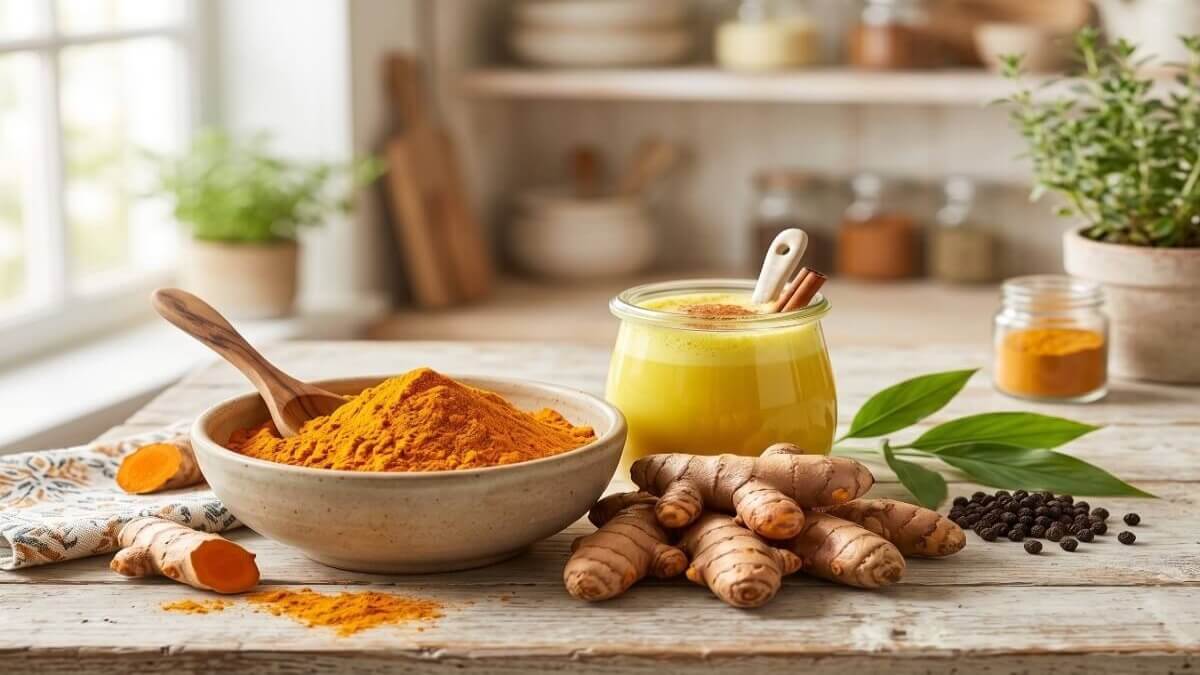
In its raw state, it looks very much like ginger. However, the inside is bright orange or yellow. By drying and grinding this root, we get the familiar turmeric powder. For thousands of years, it has been a widely used ingredient across Asia.
Today, turmeric is appreciated all over the world for its unique flavor and medicinal properties. From cooking spices to modern medical research, turmeric has a strong presence across many fields.
History and Origin of Turmeric
The history of turmeric use is quite ancient and rich. It is believed that its first use began in the Indian subcontinent about 4,000 years ago. At that time, it was mainly used as a cooking spice and an important component of religious rituals.
Evidence of the extensive use of turmeric is also found in the Vedic period. Ancient Ayurvedic scriptures have recognized turmeric as a highly important herb.
Over time, turmeric slowly spread from India and Southeast Asia to China, East Africa, and Jamaica. Currently, it is a well-known name worldwide.
Why Turmeric is Known as the “Golden Spice”
Turmeric is often called the “Golden Spice”. The first reason for this is its eye-catching bright golden-yellow color. This color creates a wonderful appeal in food.
However, it earned this title not just for its color but also due to its immense medicinal properties. In ancient times, turmeric held great value in trade. It was so effective in treating various diseases that people considered it as valuable as gold.
Turmeric holds a special place in our culture as well. The traditional “Gaye Holud” (turmeric ceremony) at weddings proves its purity and beauty-enhancing qualities.
Nutritional Value of Turmeric
Turmeric is not only unique in taste but also rich in various nutrients. One tablespoon (about 7 grams) of turmeric powder contains many important nutrients. Let us see what the nutritional facts of turmeric are.
Calories and Macronutrients
One tablespoon of turmeric powder contains about 29 calories. It includes about 6 grams of carbohydrates.
It contains about 1 gram of protein and less than 1 gram of fat. Additionally, it has about 2 grams of healthy dietary fiber. This fiber helps in the digestive process.
Vitamins and Essential Minerals
Turmeric contains a large amount of important minerals and vitamins. It is an excellent source of manganese, which is essential for our bone formation and metabolism.
Furthermore, it contains Iron, potassium, and vitamin C. Iron helps transport oxygen in the blood, and potassium helps keep the heart healthy.
Curcumin: The Main Active Compound in Turmeric
The most important and magical component of turmeric is named curcumin. It is basically a bioactive compound that gives turmeric its bright color.
Curcumin plays the main role behind almost all the health benefits of turmeric. We will discuss this in more detail later.
Antioxidants and Plant-Based Nutrients
Turmeric is a powerhouse of antioxidants and various phytonutrients, or plant-based nutrients. These elements protect our body from various harmful effects.
They prevent cellular damage and work wonderfully to keep our bodies healthy and fresh from the inside out.
Top Health Benefits of Turmeric
It is difficult to list all the health benefits of turmeric. However, based on modern science and research, its most important benefits are discussed below.
Powerful Anti-Inflammatory Properties
Inflammation is a normal protective mechanism of our body. But when this inflammation becomes chronic, it can cause various serious diseases.
The curcumin in turmeric is a highly potent anti-inflammatory agent. Various studies by the National Center for Biotechnology Information (NCBI) have shown that curcumin can block inflammatory molecules. It helps reduce any swelling or pain in the body.
Packed with Antioxidants
Harmful molecules called free radicals are constantly produced in our bodies. These free radicals damage cells and accelerate aging.
The antioxidants present in turmeric neutralize these free radicals. Not only that, but curcumin also boosts the activity of our body’s own antioxidant enzymes.
Supports Joint and Bone Health
As people age, many suffer from joint pain or arthritis. Turmeric is a blessing, especially for patients with rheumatoid arthritis and osteoarthritis.
Since turmeric is a potent anti-inflammatory, it works well to reduce joint pain and swelling. Many people benefit from using turmeric as an alternative to painkiller medications.
May Improve Heart Health
Heart disease is currently a leading cause of death worldwide. Turmeric can help protect heart health in various ways.
It improves endothelial function, the inner lining of blood vessels. The endothelium helps regulate blood pressure and prevent blood clotting. As a result, the risk of heart attacks is significantly reduced.
Helps Boost Brain Function and Memory
A hormone called Brain-Derived Neurotrophic Factor (BDNF) plays a role in the process of creating new neurons in the brain. Curcumin helps increase BDNF levels in the brain.
As a result, brain function increases, and memory becomes sharper. It can also play an important role in preventing mental health issues like Alzheimer’s and depression.
Can Help Strengthen the Immune System
Regular consumption of turmeric strengthens our body’s immune system. Its antimicrobial, antiviral, and antifungal properties protect us from various infections.
Especially during seasonal changes, turmeric is a very effective natural remedy for preventing colds, coughs, and fevers.
Curcumin Explained: The Science Behind Turmeric’s Benefits
When discussing turmeric, we must talk about curcumin. The amount of curcumin in turmeric is only about 3 percent. Even though the amount is small, it is extremely powerful.
However, a major problem is that our body cannot easily absorb curcumin. Most of the curcumin passes out of the body before it can enter the bloodstream. In science, this is called low bioavailability.
There is a wonderful natural solution to this problem. Black pepper contains an element called piperine. If you mix a little piperine or black pepper powder with curcumin, the absorption rate of curcumin increases by up to 2000 percent. In addition, curcumin is fat-soluble. So, if you eat turmeric with healthy fats like olive oil, ghee, or coconut oil, you get its full benefits.
Turmeric and Inflammation: What the Research Says
Scientists believe that chronic inflammation is the main cause of heart disease, cancer, metabolic syndrome, Alzheimer’s, and various degenerative diseases.
According to reliable health websites such as Healthline, curcumin’s anti-inflammatory power is so strong that it can sometimes match that of allopathic anti-inflammatory drugs. And its biggest advantage is that it has no harmful side effects like drugs. It works at the molecular level in the body to control genes that cause inflammation.
Turmeric for Immunity and Overall Wellness
Turmeric is also considered an adaptogen. Adaptogens are natural substances that help the body cope with mental and physical stress.
Using moderate amounts of turmeric in regular meals keeps the body calm from the inside. It improves metabolism, boosts digestion, and ensures overall wellness. It is unparalleled in keeping the body fresh and active.
How to Use Turmeric in Daily Life
It is very easy to make turmeric a part of daily life to get its benefits. Let us see how we can use turmeric every day in very simple ways.
In Curries and Savory Dishes
This is the most common way to use turmeric. Using turmeric powder in cooking fish, meat, lentils, and vegetables enhances both the taste and nutritional value of the food.
Using a little black pepper powder and healthy oil or ghee during cooking ensures its nutrients are fully absorbed. Also, a little turmeric powder can be sprinkled over roasted vegetables or soup.
Turmeric Tea and Herbal Drinks
A warm cup of turmeric tea in the morning can keep you fresh all day. It is also very easy to make.
Boil a few pieces of raw turmeric or half a teaspoon of turmeric powder in boiling water for 5 to 10 minutes. You can mix a little ginger, lemon juice, and honey with it. It works wonderfully to boost immunity.
Golden Milk Recipe
Golden milk, or turmeric milk, is a healthy and popular drink. To make it, mix half a teaspoon of turmeric powder, a pinch of black pepper powder, a little cinnamon, and ginger paste in a glass of warm milk.
You can use a little honey for sweetness. Drinking a glass of golden milk before bed helps you sleep well and relieve physical fatigue.
Smoothies and Health Tonics
If you love drinking smoothies, you can add a little turmeric to them. A piece of raw turmeric or a pinch of turmeric powder goes wonderfully with mango, pineapple, or banana smoothies.
This will not only give your smoothie a beautiful color but also multiply its nutritional value.
Raw Turmeric vs. Turmeric Powder: Key Differences
Both raw turmeric and turmeric powder have their own advantages. Raw turmeric is picked directly from the soil, cleaned, and used. It contains plenty of natural essential oils and moisture. Its taste is quite fresh and slightly pungent.
On the other hand, raw turmeric is boiled, dried, and ground to make spices. Turmeric powder is primarily used for convenience in cooking and long-term storage. However, some of its volatile oils may be lost during processing. Although raw turmeric is slightly more nutritious, turmeric powder is much more convenient for everyday use.
Turmeric Supplements vs. Whole Turmeric Root
Many people now take supplements or capsules to quickly get the benefits of turmeric. Supplements typically contain high doses of curcumin extract, which regular turmeric does not contain.
For those who need higher doses of curcumin due to a specific disease, taking supplements on a doctor’s advice can be beneficial. However, for general wellness, eating whole turmeric or natural turmeric powder is the safest and healthiest option. Natural turmeric contains many other beneficial elements besides curcumin that are not found in supplements.
Turmeric in Traditional Medicine and Ayurveda
In Ayurveda, turmeric is considered a tridoshic herb that helps maintain the balance of the three doshas (Vata, Pitta, and Kapha) in the body.
Since ancient times, Ayurvedic doctors have used turmeric to purify the blood, treat skin conditions, and improve digestion. The practice of using turmeric paste as a quick poultice on cuts or wounds is still seen in many cultures today. The reason is turmeric’s natural antiseptic properties.
Turmeric for Skin and Beauty
The use of turmeric in beauty care is nothing new. It works wonderfully to brighten and make the skin flawless from the inside.
Homemade Turmeric Face Mask
A turmeric face mask can be made very easily at home. Mix one tablespoon of gram flour, half a teaspoon of turmeric powder, a little yogurt, and a few drops of honey together to make a paste.
Apply this pack to your face and wash it off with cold water after 15 to 20 minutes. It removes dead skin cells and restores natural radiance.
Benefits for Skin Beauty
The antibacterial elements in turmeric help remove acne and rashes. It controls the skin’s excess oil production.
Moreover, the antioxidants in turmeric are also highly effective in reducing signs of premature aging, wrinkles, and dark circles under the eyes.
Precautions for Applying Turmeric Topically
Some precautions should be taken when applying raw turmeric or powdered turmeric directly to the skin. Turmeric can leave a temporary yellow stain on the skin, so it is necessary to wash the face thoroughly with soap after use.
For those with very sensitive skin, it can cause allergies. So it is better to do a patch test by applying a little behind the ear or on the skin of the hand before applying it all over the face.
Potential Side Effects and Precautions
Turmeric is generally safe, but excessive use of any food can be harmful.
Digestive Discomfort from Overconsumption
Using moderate amounts of turmeric as a spice in food does not cause any problems. But taking excessive turmeric or high-dose supplements can cause stomach pain, nausea, diarrhea, or digestive issues.
Potential Interactions with Medications
Those who regularly take blood thinners need to be careful with turmeric consumption. Turmeric naturally prevents blood clotting. According to WebMD, it can also interact with diabetes or blood sugar-lowering medications.
Who Should Exercise Caution When Using Turmeric?
Those with gallstones or gallbladder problems should avoid turmeric. Pregnant women should refrain from eating excessive turmeric, as it can cause uterine contractions. Also, taking turmeric supplements should be stopped at least two weeks before any major surgery.
How to Choose High-Quality Turmeric
There are many types of turmeric available on the market, some of which may be adulterated. Some dishonest traders may mix in harmful lead chromate to add color.
So, when buying turmeric, choose a trusted, reliable brand. If possible, try to buy organic turmeric. Good quality turmeric will have a fresh aroma and a naturally bright color. The safest option is to buy dry, whole turmeric from the market and grind it yourself.
Proper Storage Tips to Maintain Freshness and Potency
Proper storage is essential to maintain the quality of turmeric. Turmeric powder should always be kept in an airtight glass jar.
Keep the jar in a cool, dark place, away from direct sunlight and heat from the stove. Excessive heat and light can destroy its curcumin. Raw turmeric stays fresh for a long time if cleaned, dried, wrapped in a paper bag, and kept in the refrigerator.
Frequently Asked Questions About Turmeric
People have various questions about turmeric. Below are the answers to some such common questions.
Can You Eat Turmeric Every Day?
Yes, you can easily eat turmeric every day. Eating moderate amounts of raw or powdered turmeric as a spice in food or with tea is completely safe and healthy. Eating half to one teaspoon of turmeric every day is beneficial for the body.
What is the Best Way to Absorb Curcumin?
As we learned earlier, the body cannot absorb curcumin well on its own. The best way is to eat turmeric mixed with a little black pepper powder and healthy fats (like olive oil, coconut oil, or ghee). This allows curcumin to mix easily into the bloodstream.
Is Turmeric Good for Joint Health?
Absolutely. Turmeric contains powerful anti-inflammatory elements that play a magical role in reducing arthritis and joint pain. It removes joint swelling and stiffness to help make movement easier.
Final Thoughts on Turmeric
Turmeric is not just a spice; it is a unique creation of nature that works tirelessly to keep us healthy. Let’s take a quick look at the main points of the discussion.
Key Takeaways
Turmeric is a powerful antioxidant and anti-inflammatory ingredient. Its main active compound, curcumin, plays an important role in protecting our heart, brain, joints, and skin. If taken in the right way and right amount, it can prevent many serious diseases.
Why Turmeric Remains One of the World’s Most Valuable Spices
Turmeric has retained its value to this day for its outstanding contribution to ancient medicine, alongside enhancing the taste of cooking for thousands of years. Modern science today is also recognizing its ancient properties. Such an excellent combination of taste, color, and health is rarely seen in any other ingredient.
Simple Ways to Add More Turmeric to Your Daily Routine
Very simple changes are enough to stay healthy. Ensure turmeric is used in everyday cooking. Build the habit of adding a little turmeric to your morning tea or night milk. These small habits can bring major positive changes to your health in the long run.
Make turmeric a part of your daily life and enjoy a healthy, beautiful, and disease-free life.