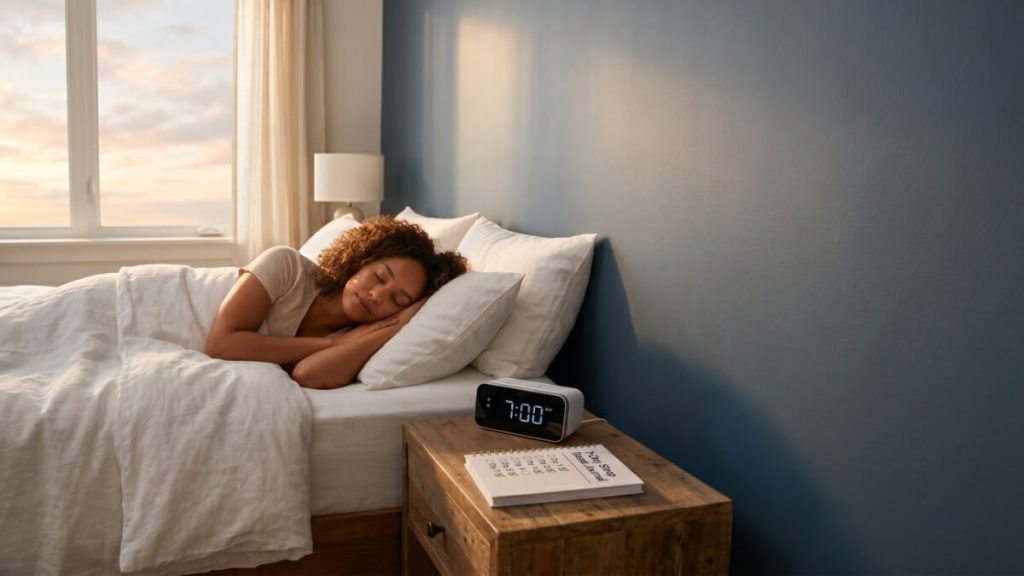
The Ultimate Guide to a Minimalist Lifestyle: Live More With Less
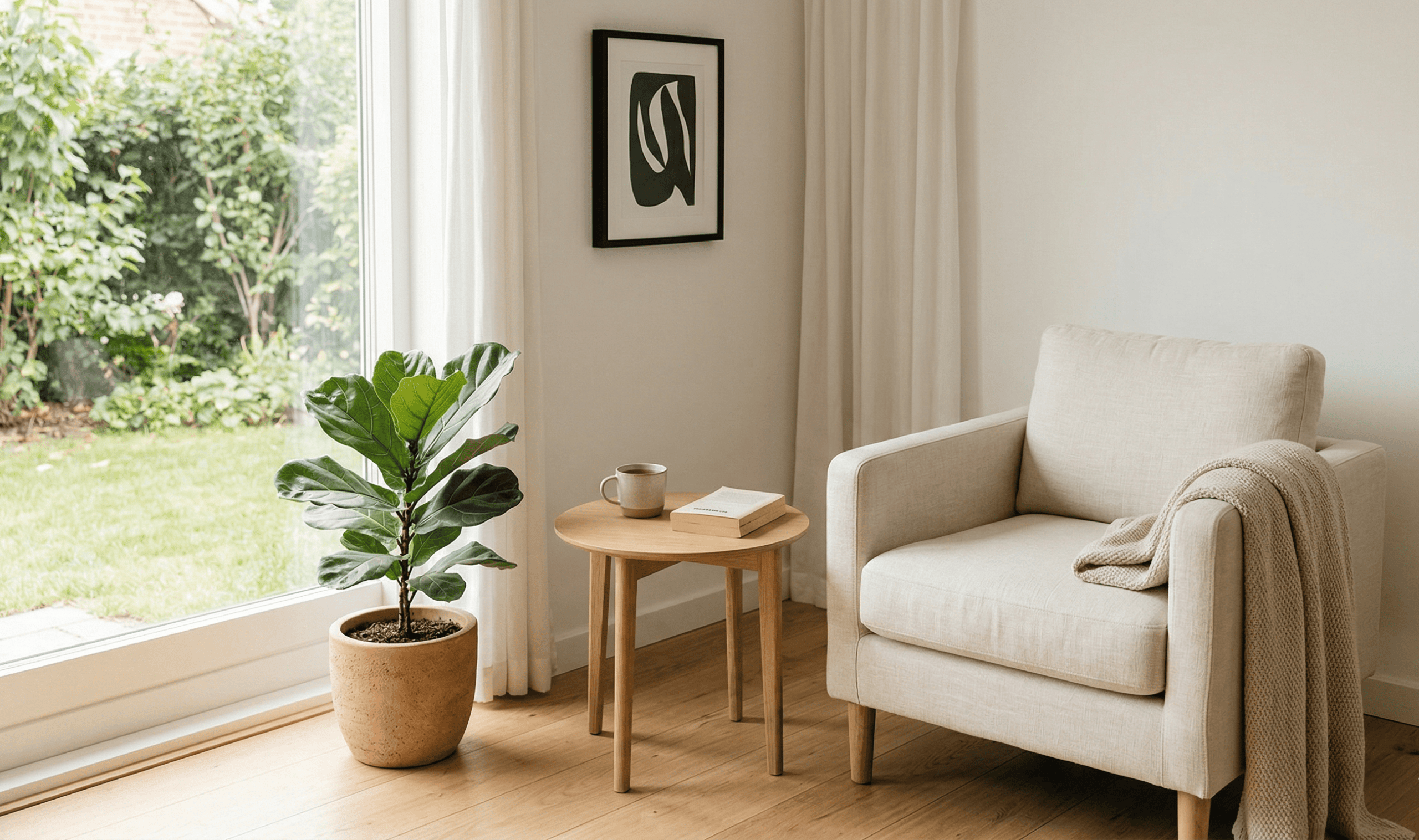
Many people misunderstand the concept of a minimalist lifestyle. They often picture an empty room, stark white walls, and a closet with only three shirts. However, the true reality is quite different.
Minimalism is a highly conscious way of living. The core idea is to make room in your life only for the things that are truly important and meaningful to you. Saying goodbye to items that add no value to your life is the very first condition of minimalism.
This concept is not limited to physical possessions. It applies equally to your time, your relationships, and your mental energy. Minimalism is about trimming away the unnecessary to create a beautiful, breathable space for what truly matters.
When you start living with fewer things, you actually begin to experience life more fully. You free up a massive amount of time and energy for your hobbies, your family, and your personal growth.
Why Minimalism Is Becoming a Modern Lifestyle Trend
In today’s modern world, we are constantly bombarded with advertisements and promotional offers. Our surroundings are always encouraging us to buy something new. As a result, our lives quickly fill up with unnecessary clutter.
Excessive shopping and piles of belongings create a deep sense of mental fatigue. People are now turning to minimalism to escape this exhausting cycle. It acts as a peaceful refuge from the constant noise of consumerism.
According to The Minimalists, minimalism is a tool to rid yourself of life’s excess in favor of focusing on what is important so you can find happiness, fulfillment, and freedom. People are finally realizing that true happiness does not come from accumulating more stuff.
Instead, a simple and organized life provides genuine mental peace. This powerful realization is exactly why minimalism has become such an incredibly popular trend in modern society.
Core Principles of Minimalism
The primary principle of minimalism is intentionality. Everything you allow into your home, your daily routine, or your mind must serve a specific purpose. Anything that lacks a clear purpose should not take up space in your life.
The second principle is prioritizing quality over quantity. Buying one durable, high-quality item instead of ten cheap ones is a massive part of the minimalist philosophy. This approach provides long-term satisfaction and reliability.
The third principle is focusing on the present moment rather than worrying about the past or the future. We often hoard items thinking we might need them someday, even though that day rarely comes. Breaking free from this “just in case” habit is a master key to minimalist living.
Benefits of Living a Minimalist Life
Reducing Stress and Mental Clutter
The more physical clutter we have around us, the more distracted our brains become. A messy environment directly increases our daily stress levels.
Research from the American Psychological Association has shown that physical clutter negatively impacts our mental health. Reducing your belongings keeps your surroundings clean, which in turn naturally calms your mind.
When your bedroom or workspace is tidy, you automatically feel much lighter. With less mental clutter, focusing on important life decisions becomes significantly easier.
Saving Money and Increasing Financial Freedom
Minimalism is incredibly beneficial for your wallet. When you stop buying unnecessary items, you instantly start saving a substantial amount of money.
You can use these savings to pay off lingering debts or invest in your future. This is a remarkably powerful step toward achieving true financial freedom.
Instead of spending your hard-earned money on physical objects, you can allocate those funds toward things that bring you genuine joy. This shift will make your financial foundation much stronger.
Increasing Focus and Productivity
Fewer items mean fewer distractions. When your desk only holds the absolute essentials, your ability to concentrate on the task at hand skyrockets.
A cluttered space shatters our focus and severely slows down our workflow. Minimalism helps us construct a clean, distraction-free environment tailored for deep work.
As a result, you can accomplish much more in less time. There is simply no easier way to boost your daily productivity.
Creating More Time for What Matters
Maintaining physical possessions takes up an enormous amount of time. We waste countless hours cleaning, organizing, and looking for lost items in our homes.
Adopting a minimalist lifestyle drastically reduces these tedious chores. Consequently, you gain hours of free time to spend with your family, hang out with friends, or pursue your passions.
The hours you previously wasted wandering through shopping malls or scrolling through online stores can now be used to learn new skills or relax.
Step 1: Define Your Personal Version of Minimalism
Understanding What “Enough” Means to You
Every single person has different needs. Therefore, the definition of minimalism looks different for everyone. You are the only one who can decide exactly how much is “enough” for your specific lifestyle.
If you are a passionate reader, you might own a large collection of books. That absolutely does not mean you are not a minimalist. The main point is that you are keeping the items you truly love and use.
Ask yourself which things you could easily live without. The honest answer to this question will help you define your personal threshold for “enough.”
Defining Lifestyle Priorities
Identify the top three to five most important areas of your life. These might include your family, your career, your physical health, or traveling the world.
Once you establish these core priorities, evaluate everything else in your life against them. Try to eliminate the things, habits, or commitments that do not align with your main goals.
This level of clarity will help you make much better decisions moving forward. Every action you take will be perfectly aligned with your broader life objectives.
Step 2: Start Decluttering Your Physical World
The Room-by-Room Decluttering Method
Trying to declutter an entire house in one weekend will easily lead to burnout. Instead, break this massive task into small, manageable chunks. Pick just one small section of a single room to start with.
You could begin with a single kitchen cabinet or just the top of your living room coffee table. The mental satisfaction you get from cleaning one tiny area will motivate you to tackle the rest of the house.
You can also use the famous category method popularized by Marie Kondo. Sorting by category makes it incredibly easy to see exactly how many duplicate items you actually own.
What to Keep, Donate, or Throw Away
When you sit down to declutter, bring three large boxes or trash bags with you. Use the first box for items you definitely want to keep.
Use the second box for items that are still in great condition but are no longer useful to you. You can easily donate these to a local charity or sell them online.
Use the third box for items that are broken, expired, or completely unusable. Throw these away or recycle them immediately. This three-box system makes the entire decluttering process fast and highly efficient.
Avoiding Emotional Attachment to Things
We frequently hoard old items because they are tied to specific memories or deep emotions. However, you must remember that your memories live inside your mind, not inside physical objects.
If a gift or a souvenir serves no practical purpose in your present life, simply take a nice photograph of it. Once you have the photo, you can safely donate the actual physical item.
This method allows you to honor your past emotions while keeping your current living space totally clutter-free. Make room for your present life instead of holding onto the past.
Step 3: Simplify Your Digital Life
Decluttering Files, Emails, and Apps
Our digital lives are often much messier than our physical homes. Start by deleting useless files, screenshots, and unused applications from your smartphone and laptop.
If you have not opened an app in the last thirty days, uninstall it right now. Clear out your email inbox and unsubscribe from promotional newsletters you never actually read.
Organize your important digital files into neatly labeled folders. This will save you a tremendous amount of time and frustration when you need to find a specific document in a hurry.
Reducing Social Media Noise
Social media introduces a massive amount of unnecessary stress into our daily routines. Seeing highly edited photos of other people often makes us unfairly compare our lives to theirs.
Unfollow or mute any accounts that trigger negative feelings or anxiety in your mind. Curate your social media feeds so they only provide you with genuine inspiration, education, and joy.
Set a strict daily time limit for your social media usage. Spend the rest of your valuable time interacting with real people in the real world.
Step 4: Adopt a Minimalist Wardrobe
Building a Capsule Wardrobe
A capsule wardrobe is a curated collection of clothing featuring a limited number of highly versatile pieces. These clothes can be easily mixed and matched to create dozens of different outfits.
Stock your closet with neutral, basic colors that work perfectly for almost any occasion. This completely eliminates the morning struggle of trying to figure out what matches.
Remove any clothing items from your closet that you have not worn in the past twelve months. Keep only the pieces that fit you perfectly and make you feel confident.
Prioritizing Quality Over Quantity
Buying one high-quality, ethically made t-shirt is a much smarter choice than buying five cheap, fast-fashion alternatives. High-quality clothing lasts longer and generally looks much better.
Cheap items wear out quickly and need constant replacing, which ultimately costs you more money in the long run. Always check the fabric and the stitching quality before you make a clothing purchase.
This habit will not only save you money but also play a significant role in protecting the environment by reducing textile waste.
Reducing Decision Fatigue
We are forced to make hundreds of tiny decisions every single morning. One of the most common is simply figuring out what to wear. These small choices slowly drain our brain power.
Highly successful people often wear the exact same style of clothing every day. They do this intentionally to save their mental energy for much more important business decisions.
A smaller clothing collection makes your daily decision-making process effortless. This guarantees your morning starts in a smooth, completely stress-free manner.
Step 5: Simplify Your Daily Routine
Creating a Stress-Free Morning Routine
How you begin your morning dictates your productivity for the rest of the day. Break the toxic habit of checking your smartphone the second you wake up.
Instead, drink a large glass of water, practice a few minutes of meditation, or read a chapter of a good book. A calm morning routine prepares you mentally for whatever the day throws at you.
Try to prepare for your morning the night before. Lay out your clothes and pack your bag in advance so you never have to rush when you wake up.
Eliminating Unnecessary Tasks
Take a very close look at your daily to-do list. You will likely find several tasks that are not actually urgent or important.
Stop doing things that do not bring you closer to your main life goals. If a task can be done by someone else, delegate it without hesitation.
You do not need to carry the weight of the world on your own shoulders. Learning how to say “no” is a massive part of the minimalist philosophy.
Focusing on High-Value Activities
Ensure you are making the absolute best use of your limited time. Every morning, identify the three most important tasks you need to accomplish that day.
Direct your highest energy levels and sharpest focus toward completing those exact three tasks. Do not waste your best hours on trivial administrative work.
Working this way guarantees you will feel a deep sense of satisfaction at the end of the day. This simple shift will bring incredible success to your career and personal life.
Step 6: Shop Mindfully
Avoiding Impulse Purchases
We often buy things completely on a whim because of a sudden emotional urge or a flashy discount sign. This behavior is known as impulse buying, and it destroys budgets.
To eliminate this bad habit, start following the “30-Day Rule.” When you see something you want to buy, force yourself to wait exactly thirty days before purchasing it.
If you still feel you truly need the item after thirty days, go ahead and buy it. In most cases, you will find your desire for the item completely vanishes after just a few days.
Buying Only What You Truly Need
Before scanning your credit card, ask yourself a very direct question. Do I actually need this item, or is this just a temporary craving? This one question will save you from making countless bad purchases.
Always create a strict shopping list before you step foot in a grocery store or shopping mall. Follow that list perfectly and refuse to buy anything that is not written on the paper.
This discipline will keep you perfectly within your budget and prevent your house from filling up with useless junk.
Focusing on Experiences Over Ownership
Physical objects only provide us with a very fleeting sense of happiness. The thrill of buying a brand new smartphone or a designer pair of shoes fades away in just a few weeks.
Instead, spend your hard-earned money and free time on unique life experiences. Travel with your family, take a cooking class, or buy tickets to a live concert.
Experiences create permanent, beautiful memories in our minds. They make our lives infinitely more joyful, interesting, and deeply meaningful.
Step 7: Apply Minimalism to Your Finances
Budgeting with Purpose
Every single dollar you earn needs to have a specific job. At the beginning of every month, create a comprehensive zero-based budget.
This means you decide exactly where every dollar will go before the month even begins. Doing this ensures you never reach the end of the month wondering where all your money disappeared to.
Budgeting is not about restricting your fun or punishing yourself. It is simply a highly effective method for managing your resources like a smart, responsible adult.
Cutting Unnecessary Expenses
Examine your monthly bank statements very closely. You will probably find several recurring subscriptions for services you rarely or never use.
Cancel every single one of those unused subscriptions right now. Reduce the number of times you eat at expensive restaurants and build a habit of cooking healthy meals at home.
Tiny daily expenses add up to massive amounts of money by the end of the year. Controlling these small leaks will result in huge financial savings.
Investing in Long-Term Value
Minimalism definitely does not mean you have to be extremely cheap. Rather, it is the practice of spending your money in the most optimal places possible.
Instead of wasting cash on low-quality junk, invest in high-quality items that will serve you reliably for years. Invest heavily in your physical health, your ongoing education, and your retirement accounts.
These specific types of investments add massive real-world value to your life and guarantee your long-term financial security.
Step 8: Declutter Your Mind
Practicing Mindfulness and Meditation
Our minds are almost constantly racing with thoughts about the distant past or the unpredictable future. This never-ending stream of thoughts leaves us feeling completely mentally exhausted.
Set aside just ten to fifteen minutes every single day to practice mindfulness or basic meditation. This simple practice calms your nervous system and anchors you firmly in the present moment.
Blogs like Zen Habits provide excellent, easy-to-follow guidelines on this exact topic. A calm mind helps you make the best possible decisions in any stressful situation.
Reducing Mental Stress
Identify the specific factors in your life that generate the highest amount of daily stress. These triggers could be toxic relationships, an overwhelming workload, or simply neglecting your own basic needs.
Make a conscious effort to distance yourself from these deeply negative influences. Build an environment for yourself that naturally promotes peace and healing.
Spending quiet time in nature, listening to relaxing music, or reading a fiction book are wonderful ways to lower your stress. Taking time for yourself is never a crime; it is an absolute necessity.
Focusing on Clarity and Purpose
Maintain a crystal-clear understanding of your main purpose in life. Try to visualize exactly where you want to be in the next five to ten years.
When your life’s purpose is incredibly clear, minor daily inconveniences simply bounce off of you. Every step you take moves you one inch closer to your ultimate goals.
This powerful mental clarity will help you build a joyful, deeply confident, and resilient life.
Step 9: Build Sustainable Minimalist Habits
Prioritizing Consistency Over Perfection
Minimalism is not a final destination you suddenly arrive at. It is an ongoing, lifelong journey. You will inevitably make mistakes or occasionally slip back into old shopping habits.
Do not let these small slip-ups frustrate you. Instead of striving for flawless perfection, simply focus on maintaining consistency in your daily habits.
Take very small steps and move forward at your own comfortable pace. These tiny daily efforts will eventually compound into a massive lifestyle transformation.
Weekly and Monthly Decluttering Routines
The work does not magically stop once you declutter your house for the first time. Things naturally start to get messy again as the weeks go by.
To combat this, do a very fast fifteen-minute sweep of your house and desk at the end of every week. At the end of the month, review your digital files and update your budget.
This regular maintenance is the absolute secret to keeping your minimalist lifestyle intact over the long term. It is much easier to clean up a little bit of clutter now than a massive mountain of it later.
A Long-Term Simple Lifestyle
Try strictly following the “One In, One Out” rule. This means that every time you bring a brand new item into your home, you must donate, sell, or throw away one older item.
This specific rule guarantees that the total number of items in your house stays perfectly balanced forever. Keep your daily operations as simple and frictionless as humanly possible.
A deeply simplified life grants you the ultimate freedom you have always been searching for. It is the clearest pathway to finding authentic, lasting happiness.
Common Mistakes People Make When Starting Minimalism
Being Too Extreme Too Quickly
Many beginners take an incredibly extreme approach on their very first day. They try to aggressively throw away half of their belongings in a single afternoon.
This is a huge mistake. Making massive changes too rapidly often leads to deep regret because you might accidentally throw away things you actually needed.
Start very slowly. Evaluate every single item carefully and thoughtfully. Give your mind and body plenty of time to adjust to this new way of living.
Confusing Minimalism With Deprivation
Minimalism absolutely does not mean forcing yourself to suffer or giving up the specific things you truly love. It is about removing the garbage so you have more room to enjoy your favorite things.
If you are passionate about painting, there is absolutely no reason to throw away your expensive art supplies. You only need to let go of the specific items that sit in your house collecting dust.
Fill your life with things that put a genuine smile on your face. Purposeful deprivation will never lead to long-term happiness.
Not Having a Clear Purpose
You must have a very clear, personal reason for wanting to become a minimalist. If you are only doing it because it looks cool on the internet, you will lose your motivation in a matter of weeks.
Your specific reason might be paying off your student loans, finding mental clarity, or having more energy for your children. Write this primary reason down on a piece of paper and tape it to your mirror.
Whenever you feel the urge to go on a shopping spree, looking at this piece of paper will instantly put you back on the right track.
Minimalism in Different Areas of Life
Home and Living Spaces
Arrange your living room furniture so that there is plenty of open, totally empty space. Do not feel the need to cover every single inch of your walls with paintings or heavy decorations.
Empty, negative space is actually incredibly soothing to the human eye. Choose furniture pieces that feature clean lines and highly functional designs.
Your home should feel like a relaxing sanctuary, not a cramped storage warehouse.
Work and Career
To apply minimalism to your professional life, start by keeping your physical desk completely bare except for the essentials. Keep your computer desktop totally clean and use perfectly labeled folders.
Advocate for fewer meetings and use very concise, direct language when writing professional emails. Stop trying to multitask and simply focus on completing one project at a time.
This approach will dramatically improve the quality of your work and drastically lower your daily stress levels at the office.
Relationships and Social Life
You might have dozens of casual acquaintances, but you probably only have deep connections with a select few. Create a respectful distance from relationships that constantly drain your energy or bring you down.
Invest your valuable time and emotional bandwidth only into the specific people who positively impact your life. Toxic relationships are the absolute biggest threat to your inner peace.
Be highly intentional about the social events you agree to attend. You are under no obligation to accept every single invitation you receive. Protect your personal downtime fiercely.
Frequently Asked Questions About Minimalist Living
Do I have to get rid of everything?
No, absolutely not. The goal of minimalism is never to throw everything away. The true objective is to keep only the specific items that bring you joy, value, or utility. Removing the useless clutter is the only real requirement.
Is minimalism only about having fewer physical things?
Reducing your physical possessions is just the most visible part of the process. Ultimately, minimalism is a mental framework. It is a highly effective system for properly managing your time, money, relationships, and daily energy.
Can minimalism improve my mental health?
Yes, it absolutely can. When you drastically reduce the visual clutter in your home and stop worrying about buying new things, you will feel remarkably calm. It naturally boosts your focus while massively reducing feelings of anxiety and chronic stress.
How do I start practicing minimalism with a family?
Never try to force your entire family to change their habits overnight. Start by quietly decluttering your own personal items and leading entirely by example. When your family members see how calm and organized you have become, they will naturally become curious and want to join you.
Conclusion: Living Better With Less
The minimalist lifestyle is not a competition. It cannot be measured by who owns the fewest number of coffee mugs. It is an entirely personal journey toward inner peace.
The true meaning of living with less is creating blank space in every single area of your life. You can then fill that beautiful blank space with your biggest dreams, deep love, and thrilling new experiences.
Break completely free from the exhausting slavery of consumerism. Take your very first step today toward making your life simpler, lighter, and infinitely more beautiful.
Final Thoughts: Building a Life Around What Truly Matters
At the very end of our lives, we never remember the expensive luxury cars or the designer clothes we bought. We only remember the beautiful moments we shared and the deep memories we built with the people we loved. Minimalism gives you the exact time, space, and financial freedom you need to create those priceless memories. Build a life that is not overflowing with external clutter, but rather completely filled with profound inner peace. I wish you the absolute best of luck on your journey to living beautifully with less. Let your comfortable, simple, and deeply meaningful life begin today.