Mace Spice: Benefits, Uses, and Nutrition Guide
Mace spice holds a special place in kitchens around the world. People have used this ingredient for centuries to enhance the flavor of their food. Its rich aroma and numerous health benefits make it a favorite among home cooks and professional chefs alike.
Today, we will explore every aspect of mace spice. You will learn about its impressive nutritional profile. We will also discuss its daily applications in various recipes. This comprehensive guide will give you a complete understanding of this extraordinary ingredient.
What is Mace Spice?
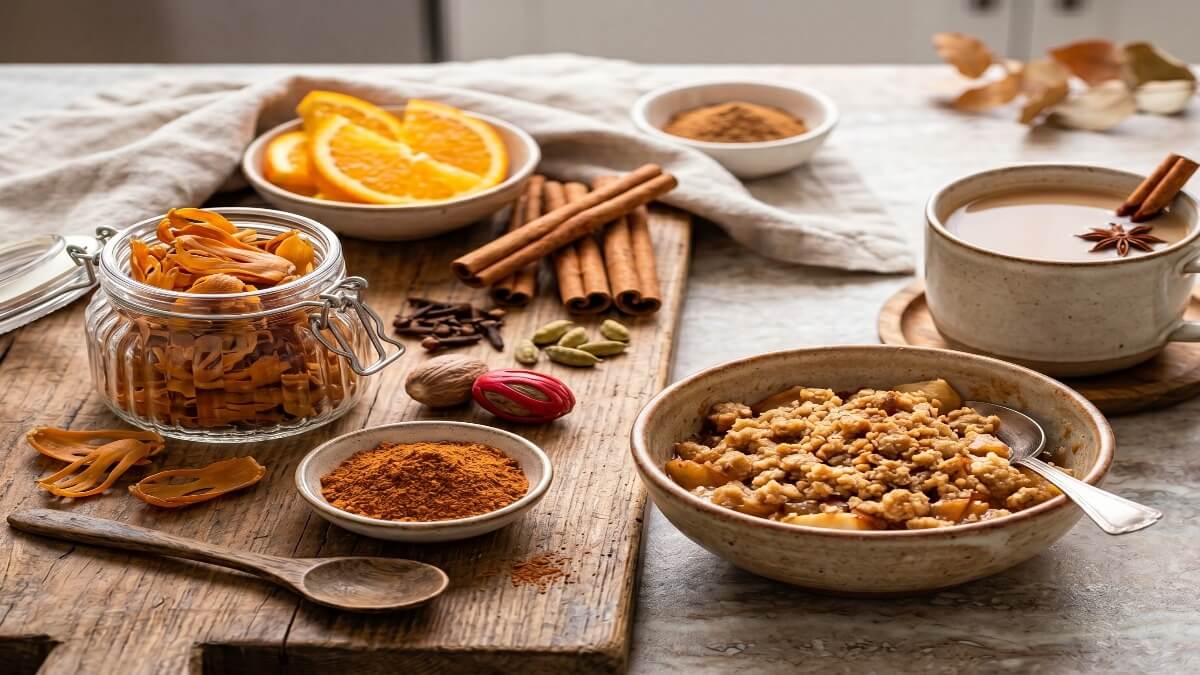
Mace is a highly aromatic spice used in cooking. It comes from the outer covering of the nutmeg tree fruit. The fresh aril usually displays a vibrant red or bright orange color. The color turns a pale yellow or golden hue after drying.
This ingredient occupies a unique space in the culinary world. Cooks across different continents use it regularly. You can find it in both sweet and savory dishes.
The flavor profile stands out as truly exceptional. Its fragrance adds a magical dimension to any meal. You can transform ordinary recipes into extraordinary culinary experiences by adding a small pinch.
History and Origin of Mace
The history of mace is fascinating and ancient. The spice originally comes from the Banda Islands in Indonesia. These remote islands were famous for their exclusive spice production during ancient times.
European merchants sailed across the globe in search of these precious commodities. Nutmeg and mace held immense value during that era. People often considered them as valuable as solid gold.
Arab traders first brought these spices to European markets. Dutch and Portuguese explorers later took control of the lucrative trade routes. Farmers now cultivate the trees in many tropical regions worldwide.
Mace vs Nutmeg: Understanding the Difference
Both spices originate from the exact same botanical source. They display clear differences despite their shared origin. Nutmeg represents the inner seed of the tree. Mace acts as the lacy covering that protects the inner seed.
Flavor differences are very noticeable when you compare them side by side. Nutmeg delivers a robust, sweet flavor. Mace offers a much lighter and more delicate flavor profile.
Chefs utilize them differently depending on the recipe. You can sometimes substitute one for the other in an emergency. Choosing the correct option always guarantees the best authentic taste.
How Mace is Harvested and Processed
Harvesting mace requires intense manual labor and patience. Farmers carefully pick the fruit directly from the branches. The complex processing phase begins immediately after harvesting.
Quality drops significantly if workers do not follow precise methods. Everyone must pay close attention to every single step. We will discuss these essential processing steps below.
Exploring the Nutmeg Seed
A dark brown seed rests inside the mature nutmeg fruit. A bright red covering wraps tightly around this seed. This striking red aril is the actual mace.
The outer fruit splits open naturally when it reaches full maturity. The vibrant inner layer becomes visible to the naked eye. Farmers extract the seed and peel off the covering with extreme care.
Drying and Preparing Mace
Workers dry the fresh arils right after separating them. Sun drying remains the most popular traditional method globally. The color changes dramatically after a few days under the hot sun.
The vibrant red transforms into a muted golden or yellow shade. The texture becomes hard and brittle during the drying phase. Facilities then package the final product for international distribution.
Top Mace Producing Countries
Indonesia currently leads global production by a large margin. The Banda Islands retain their historical reputation for exceptional quality. The rich volcanic soil and tropical climate create the perfect growing environment.
Grenada also produces massive quantities annually. People frequently refer to this Caribbean nation as the “Island of Spice.” India, Sri Lanka, and Malaysia also contribute significantly to the global supply chain.
Nutritional Value of Mace
This ingredient does more than just enhance food flavors. It contains a wealth of beneficial nutrients. Several vital compounds are present in its chemical structure.
Consuming small amounts regularly provides substantial bodily benefits. It helps meet our daily nutritional requirements efficiently. Let us explore these nutritional properties in detail.
Calories and Macronutrients
The calorie count remains remarkably low. One teaspoon provides barely any calories. Weight-conscious individuals can safely incorporate it into their diet plans.
It contains trace amounts of carbohydrates and proteins. Dietary fiber exists in favorable quantities as well. This fiber content promotes healthy digestion naturally.
Vitamins and Essential Minerals
This culinary staple boasts several crucial vitamins. Vitamin A and Vitamin C stand out prominently. These nutrients strengthen our natural immune system.
Iron, calcium, and magnesium represent the primary minerals found here. Iron actively prevents anemia by boosting red blood cell production. Calcium keeps your bones and teeth incredibly strong.
Essential Oils and Bioactive Compounds
Valuable essential oils make up a large portion of the chemical composition. Myristicin and elemicin rank among the most important organic compounds present. These specific elements create the signature fragrance.
These chemical compounds possess powerful medicinal properties. They actively keep the human body healthy and functioning well. Modern scientific research confirms these traditional health claims.
Antioxidants and Phytonutrients
You will find an excellent source of antioxidants in this ingredient. These compounds protect our bodies from harmful free radicals. They perform exceptionally well at preventing cellular damage.
Plant-based nutrients prevent chronic diseases over the long term. Regular consumption keeps you feeling fresh and energetic. Health information websites like WebMD provide extensive details regarding antioxidant benefits.
Top Health Benefits of Mace Spice
Our health improves significantly when we consume this natural ingredient. Traditional medicine practitioners have utilized it since ancient times. It helps enhance the function of multiple bodily organs.
Modern science acknowledges these incredible health advantages. We have outlined the primary health benefits below.
Packed with Antioxidants
We mentioned the high antioxidant concentration earlier. These components flush toxic substances out of your system. Skin radiance increases noticeably as a result.
Antioxidants actively slow down the visible signs of aging. They lower the risk of developing severe heart conditions. This protection remains essential for a long and healthy life.
Supports Digestive Health
Treating digestive issues becomes easier with this natural remedy. It effectively reduces stomach gas and persistent nausea. It works like magic to relieve severe bloating.
The active compounds stimulate the production of digestive enzymes. Food breaks down much faster in the stomach. Eating a tiny amount after heavy meals yields excellent results.
May Help Reduce Inflammation
You can easily alleviate bodily inflammation and physical pain. The essential oils soothe aching muscles and stiff joints. Arthritis patients often find great comfort through its application.
Massaging the extracted oil onto painful areas brings rapid relief. It functions exactly like a natural anti-inflammatory agent.
Supports Oral Health
Protecting your teeth and gums requires strong natural antibacterial agents. It destroys harmful bacteria hiding inside the mouth. This action prevents tooth decay and completely eliminates bad breath.
Many herbal toothpaste brands feature this extract prominently. It works exceptionally well for reducing severe toothaches.
Promotes Relaxation and Good Sleep
Eliminating mental stress and daily anxiety becomes manageable. Organic compounds naturally calm the nervous system. You achieve a much better quality of sleep at night.
Mix a tiny pinch of the powder into a glass of warm milk before bed. This simple routine will lull you into a deep sleep.
Contributes to Overall Wellness
Your immune system grows stronger with regular consumption. It shields you from common ailments like colds and coughs. It also helps maintain optimal kidney and liver health.
Blood circulation remains stable and healthy throughout the body. The natural properties support a beautiful and vibrant lifestyle. Experts at Healthline suggest that natural spices play a major role in overall wellness.
Mace and Digestive Health: Traditional Uses
Healers have treated stomach issues with this remedy since antiquity. Grandmothers always recommended it for sudden abdominal pains. People recognized it as a highly reliable household cure.
Treating indigestion and diarrhea remains its most common traditional application. The warm nature relaxes the stomach muscles efficiently. Traditional physicians still recommend its usage today.
Active Compounds in Mace Explained
The magical properties originate from specific active molecules. Eugenol and macelignan exist in abundant quantities. These distinct elements act as powerful antibacterial agents.
Pinene and camphene generate the beautiful aromatic profile. These compounds combine to make the ingredient truly unique. Scientists have proven the benefits of these molecules through rigorous testing.
Mace in Ayurveda and Traditional Medicine
Ayurvedic texts place special importance on this natural cure. Practitioners use it to calm Vata and Kapha imbalances. Ancient manuscripts document its extensive medicinal virtues.
Traditional Chinese medicine also highly values it. Healers prescribe it for severe abdominal pain and vomiting. It has remained a trusted botanical remedy for countless generations.
What Does Mace Taste Like?
Expressing the exact flavor requires precise culinary vocabulary. It offers a wonderful blend of sweet and spicy notes. The taste mimics nutmeg closely but feels much smoother.
It imparts a warm, fragrant effect to recipes. The intensity never overwhelms the palate. The original flavor of the primary ingredients remains intact.
Flavor and Aroma Profile
The scent resembles a mix of pine and bright citrus. It brings a sweet fragrance straight to your nose. Your entire kitchen smells wonderful while you’re cooking.
A slight peppery kick accompanies the sweet taste. That gentle spiciness never irritates the throat. It adds a rich dimension to any meal.
Differences from Nutmeg
Nutmeg delivers a very intense and heavy taste. Using too much makes the food taste bitter quickly. The delicate aril provides a much more refined experience.
This spice imparts a beautiful light color to the broth. The inner seed lacks this coloring ability completely. Professional chefs frequently choose the delicate aril for subtle flavors.
Best Food Pairings
Sweet dishes pair exceptionally well with this aromatic profile. Puddings, cakes, and fruit pies benefit greatly from its inclusion. The sweet aroma makes desserts incredibly tempting.
Cooks also add it to cream-based sauces and meat dishes. Potatoes and carrots shine when seasoned properly with it.
Culinary Uses of Mace
Kitchen applications vary wildly across different cultures. It suits both sweet and savory culinary preparations perfectly. Cooks around the globe love working with it.
A tiny quantity can completely alter a recipe. We will discuss some common applications below.
In Curries and Rice Dishes
Biryani and pilaf recipes require this essential component. It infuses the rice grains with a glorious fragrance. Mutton and chicken curries utilize it extensively.
It adds incredible depth to complex spice blends. Many traditional feasts rely on it as a primary flavoring agent.
In Soups and Creamy Sauces
Nothing enhances a creamy soup better than a delicate pinch. Mushroom and potato soups pair perfectly with it. It balances the heavy creaminess beautifully.
Sprinkle a tiny bit into pasta sauces or baked dishes. The taste will reach entirely new heights.
In Baking and Desserts
Bakers consider this a classic and essential pantry item. Apple pies and pumpkin spice mixes feature it heavily. Cookies and muffins carry their wonderful aroma inside.
Milk-based desserts transform completely like magic. Rice pudding gains a truly royal and luxurious taste.
In Spice Blends and Marinades
Many famous spice combinations feature this exact ingredient. The French ‘quatre épices’ blend relies on it heavily. Indian garam masala cannot exist without it.
Meats become incredibly tender when marinated with it. The deep fragrance penetrates the meat fibers thoroughly.
Popular Recipes Using Mace
You can prepare many delicious meals utilizing this ingredient. Cooking these dishes at home is surprisingly easy. Let us explore some highly popular recipes.
These culinary creations will bring fresh flavors to your daily diet. Your entire family will thoroughly enjoy these meals.
Homemade Garam Masala
Creating your own spice blend is simple and rewarding. Blend cinnamon, cardamom, cloves, and whole mace together. This fresh mixture tastes much better than store-bought versions.
Sprinkle a tiny pinch over any curry dish. The final taste will improve exponentially.
Creamy Vegetable Soup
A warm vegetable soup provides great comfort on winter evenings. Boil carrots, potatoes, and broccoli until very soft, then blend them. Mix in some butter and a tiny pinch of the ground powder.
This soup tastes wonderful and promotes good health simultaneously. The delicate aroma will round out the flavors perfectly.
Spiced Rice Pilaf
Fry basmati rice lightly in clarified butter first. Boil the rice with whole spices, bay leaves, and cardamom pods. You will easily create a wonderfully fragrant rice pilaf.
It pairs magnificently with any rich meat curry. You should serve this on special festive occasions.
Mace Flavored Cookies
Mix half a teaspoon of the powder with flour, butter, and sugar. Form a soft dough and shape your cookies carefully. Bake them in the oven until golden brown.
Eating these cookies with afternoon tea feels amazing. The light fragrance will instantly uplift your mood.
Ground Mace vs Whole Mace
Markets sell two distinct varieties of this product. You can purchase it either powdered or whole. Both versions offer their own unique advantages.
Whole pieces stay fresh for a remarkably long time. The potent aroma remains intact for many months. Grinding it right before cooking guarantees the absolute best taste.
The powdered version provides extreme convenience in the kitchen. You can mix it into any dish effortlessly. However, it loses its smell quickly, so buying small quantities is wise.
Mace vs Cinnamon: Flavor and Culinary Comparison
Both ingredients belong to the sweet spice category. Their flavor profiles differ quite significantly upon closer inspection. Cinnamon tastes much warmer and significantly sweeter.
People frequently add cinnamon to hot tea and coffee. Cooks use the delicate aril more often in solid foods. Many dessert recipes utilize both ingredients simultaneously.
You can smell cinnamon from a great distance. The aril offers a more polite and elegant scent. Chefs choose between them based on precise recipe requirements.
Potential Side Effects and Precautions
Natural ingredients are safe but require basic precautions. Consuming moderate amounts causes absolutely no problems. Excessive usage can lead to unexpected health issues.
You should always monitor your body when trying new foods. We have listed some potential risks below.
Risks of Overconsumption
Eating too much can trigger severe dizziness or nausea. The compound myristicin becomes toxic at high doses. Always use very moderate amounts during food preparation.
A tiny pinch or half a teaspoon suffices for a large pot. Never consume large quantities in a single sitting.
Interactions with Medications
Certain prescription drugs might react negatively with these active compounds. Liver medications specifically require extra caution. Consult your doctor if you take daily medication.
Websites such as the National Institutes of Health warn about serious interactions with herbal products. Staying informed always remains crucial.
Allergic Reactions
A small number of people might experience allergic responses. Consuming it might cause skin rashes or intense itching. Breathing difficulties can also occur in rare cases.
Stop eating it immediately if you feel uncomfortable. Seek professional medical help if symptoms persist.
Who Should Exercise Caution?
Pregnant women must avoid consuming excessive quantities entirely. Adding only tiny amounts to children’s food is best. Individuals with complex medical conditions need to stay cautious.
Consulting a certified nutritionist removes all doubts. They can determine the exact safe dosage for your body type.
How to Choose High-Quality Mace
Markets offer many different grades of products. Quality varies greatly between different brands and vendors. Selecting the finest quality is extremely important.
The right choice will completely transform your culinary results. The following tips will help you identify the best options.
Signs of Freshness
Fresh products display a bright orange or reddish tint. Old stock looks dull and extremely pale. The smell remains very intense when it is fresh.
Take a quick sniff before making a purchase. Avoid buying it if you cannot detect any distinct smell.
Whole vs Ground Mace
Always try to purchase the whole pieces whenever possible. Adulteration risks are much lower with whole pieces. Verifying the quality of intact pieces is very easy.
Powdered versions sometimes contain cheap fillers. Buy packaged powders only from highly trusted brands.
General Buying Tips
Purchase your supplies from reputable and well-known grocery stores. Buy small quantities so you finish them while they remain fresh. Choose opaque packaging instead of clear plastic bags.
Light exposure rapidly degrades overall quality. Always check the expiration date printed on the label.
Proper Storage Tips for Mace
Correct storage methods preserve the precious aroma effectively. Slight negligence will completely destroy the beautiful flavor. Several simple rules dictate proper storage techniques.
Following these rules keeps your ingredients fresh for months. Let us learn exactly how to store them safely.
Best Storage Containers
Airtight glass or stainless steel jars work perfectly. Avoiding cheap plastic containers is highly recommended. Ensure the lid seals very tightly to prevent air leakage.
The container must be absolutely bone dry inside. Even tiny amounts of moisture will breed harmful mold.
Preserving Flavor and Aroma
Keep the storage jar far away from direct sunlight. Never place it near a hot stove or oven. Cool and completely dark places are the absolute best choice.
Never pour directly from the jar over a steaming pot. Use a completely dry measuring spoon instead. This prevents steam and moisture from entering the jar.
Shelf Life and Freshness Indicators
Whole pieces survive for a full year if stored correctly. You should finish powdered versions within six short months. The aroma begins to fade quickly as time passes.
Open the jar occasionally and check the smell. It is time to buy new stock if the scent disappears.
Frequently Asked Questions About Mace Spice
People hold many common questions regarding this topic. We provide clear answers to frequently asked questions right here. This section will completely clear up your doubts.
These detailed answers will broaden your general knowledge.
Are mace and nutmeg the same thing?
No, they are not the exact same thing. They do originate from the exact same tropical tree. Nutmeg represents the core seed, while mace is the outer protective covering. They possess different flavors and distinct culinary applications.
Can you use mace every day?
Yes, you can use tiny amounts daily to enhance flavor. You must not consume it in excessively large quantities, however. Moderate usage promotes good health and safety.
What is the best way to cook with mace?
Adding it at the very end of cooking works best. Boiling it for hours destroys the fragile aromatic compounds. Grinding it fresh right before usage yields the absolute best flavor.
Mace in Global Cuisine
This ingredient enjoys immense popularity far beyond our local region. People worldwide utilize it in their own unique styles. It truly qualifies as an international culinary treasure.
Let us explore its diverse applications across different continents.
Uses in Indian Cooking
The Indian subcontinent utilizes this ingredient heavily. Biryani, korma, and rich kebabs absolutely require it. It is an essential component of their famous spice blends.
Sweet betel leaf preparations sometimes feature it. It serves as the soul of royal Mughlai cuisine.
Uses in Middle Eastern Food
Middle Eastern dishes rely on it to flavor heavy meats. Their famous ‘baharat’ spice mix requires it. It adds a warm, earthy aroma to their meals.
Traditional Arabic coffee sometimes includes a tiny pinch. This addition makes the coffee taste incredibly exotic and inviting.
Uses in European Baking and Sauces
Europeans utilize it predominantly in their baking traditions. Dutch and French pastries carry their signature scent. The famous French ‘béchamel sauce’ uses it as a secret ingredient.
They incorporate it into mashed potatoes and savory meat pies. It serves as a beloved companion to their heavy winter meals.
Final Thoughts on Mace Spice
This remarkable ingredient truly deserves its high reputation. Its rich history matches its extensive list of health benefits. It can become a highly valuable asset in your kitchen.
We have discussed its various characteristics in great detail. We hope you learned many fascinating new facts today.
Key Takeaways
We learned that the core seed and the outer aril are different. We explored its amazing health benefits and impressive nutritional profile. Moderate consumption actively boosts our overall well-being.
Proper storage keeps the flavor intact for a long time. Buying high-quality stock remains equally important.
Why Mace is a Unique and Aromatic Spice
The subtle blend of sweet and peppery flavors makes it completely unique. It never masks the food’s primary flavors. It instead actively brightens the taste of the entire dish.
Its beautiful fragrance makes any ordinary meal feel special. That is exactly why professional chefs love it so much.
Easy Ways to Add Mace to Your Daily Cooking and Baking
You can add it to your daily meals effortlessly. Sprinkle a little over rice dishes, hot soups, or meat marinades. Try mixing a tiny pinch into your evening tea.
Do not fear experimenting with exciting new recipes. The magical taste will make your cooking experience thoroughly enjoyable.