Nutmeg (Jaiphal): A Complete Guide to Flavor and Health
What is Nutmeg?
Nutmeg is a very familiar spice in our kitchens. This aromatic ingredient multiplies the flavor of food. It is actually the seed of an evergreen tree. People have valued it in cuisines across the world for ages.
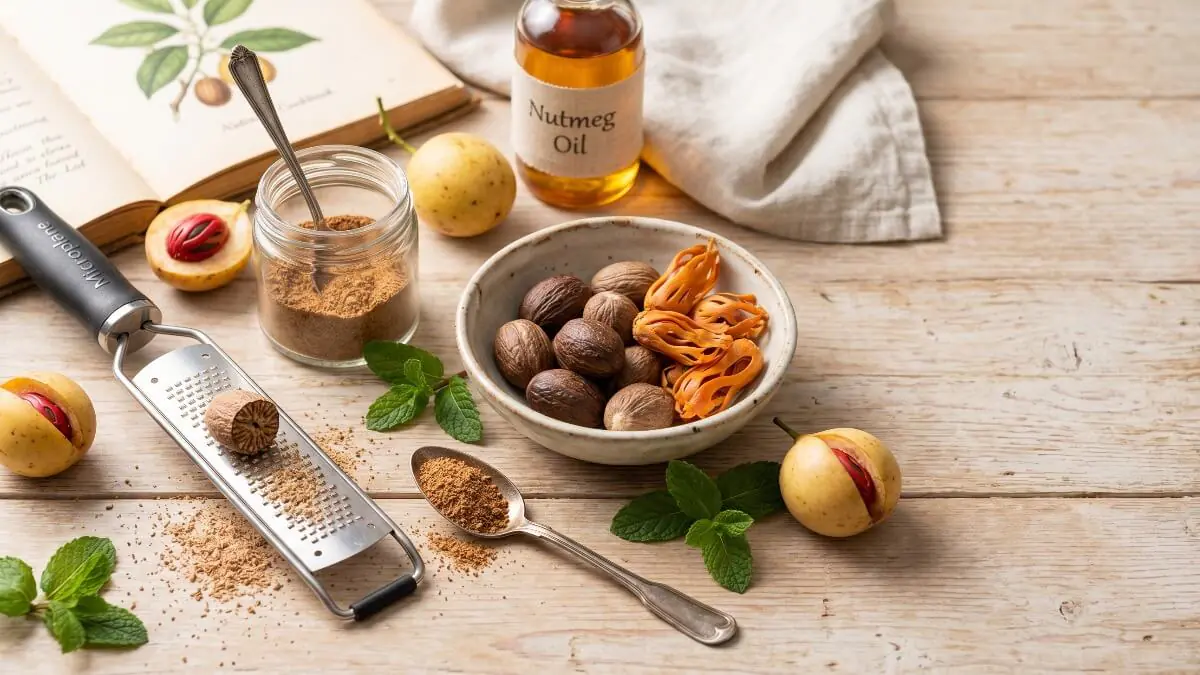
The seed is oval and somewhat hard. You can grind it or grate it whole into dishes. Cooks use it in both sweet and savory recipes. This spice is also incredibly rich in nutritional value.
It is not just a spice in our daily lives. People have used it in medicine since ancient times. It plays a great role in keeping the body healthy.
The History and Origin of Nutmeg
The Banda Islands of Indonesia are the original home of nutmeg. People once knew these islands as the “Spice Islands.” Ancient traders collected spices from here and spread them across the globe.
Roman and Greek civilizations used this spice extensively. Back then, people considered it a very expensive and rare commodity. Wealthy individuals used it to make their food delicious.
In the Middle Ages, Arabs started trading it in Europe. They kept the source of this spice a strict secret. Later, European sailors discovered new sea routes and reached the Banda Islands directly. This is how its popularity grew worldwide.
Why Nutmeg is One of the World’s Most Valuable Spices
Nutmeg has always held its place as a valuable spice in history. Its unique taste and aroma are the main reasons. It has an unmatched ability to give any ordinary dish a royal touch.
Its price was sky-high in ancient times. Traders sometimes sold it for more than the price of gold. European elites bought this spice to show off their wealth.
Its production has increased a lot today. Yet, its value has not decreased at all. It remains one of the most important spices in the world for its distinctive aroma and health benefits.
How Nutmeg is Cultivated and Processed
The Nutmeg Tree
These trees grow best in tropical regions. A fully grown tree can reach about 65 feet in height. It usually takes 7 to 9 years for a tree to bear fruit after being planted.
The leaves of the trees are dark green. They look somewhat elongated. These are long-lived trees and give their maximum yield after about 20 years. One tree can produce fruit for several decades.
Harvesting and Drying Nutmeg
When the fruit ripens, it splits open naturally and falls to the ground. Farmers then collect them from the soil. Next, they remove the fruit’s outer shell.
They leave the inner seeds to dry in the sun. This drying process can last for six to eight weeks. When the seeds dry properly, they rattle inside. They are then ready for the market.
Nutmeg and Mace: Understanding the Difference
You get two different spices from one fruit. The hard inner seed is the nutmeg. The red, net-like covering over the seed is mace.
The taste of mace is somewhat light and sweet. The main seed’s taste is much stronger and warmer. You can use these two ingredients separately or together in cooking.
Nutritional Value of Nutmeg
Calories and Macronutrients
This spice contains many essential nutrients. You get about 525 calories in every 100 grams of nutmeg. However, we usually use it in very small amounts.
It contains carbohydrates, protein, and healthy fats. Even a small amount helps provide energy to our bodies. The fat present is moderate.
Vitamins and Essential Minerals
It is rich in important minerals such as magnesium and manganese. It is also a good source of copper and phosphorus. These minerals help strengthen our bones.
It also contains vitamin A and vitamin C. You can find B-complex vitamins, such as folate and riboflavin, in this spice. Eating it regularly in small amounts helps meet the body’s vitamin needs.
Dietary Fiber Content
Dietary fiber is very important to keep the digestive system healthy. This magical spice contains a significant amount of dietary fiber. It speeds up the digestion process.
Fiber works great to cure problems like constipation. Consuming moderate fiber keeps the stomach clean. This relieves you from various stomach discomforts.
Essential Oils and Bioactive Compounds
Nutmeg contains essential oils like myristicin and macelignan. These oils are the main reason for its beautiful aroma. They are also very beneficial for the body.
These compounds help keep the nervous system calm. They have a magical effect on reducing stress. Scientists have also conducted various studies on the benefits of these compounds.
Antioxidants and Phytonutrients
We need antioxidants to remove harmful elements from the body. This spice is full of powerful antioxidants. They prevent cell damage.
Consuming antioxidants regularly delays the signs of aging. It also helps prevent complex diseases like cancer. Its role in boosting immunity is undeniable. Reliable sources like Healthline frequently mention its antioxidant properties.
Top Health Benefits of Nutmeg
Packed with Antioxidants
Our bodies constantly produce free radicals or harmful molecules. These can cause severe damage to cells. Antioxidants destroy these free radicals.
Nutmeg contains powerful antioxidants such as cyanidin and other phenolic compounds. These protect us from chronic diseases. These elements are also effective in preventing heart disease.
Helps Boost Digestion
Many people suffer from bloating or gas problems. This spice eases digestion and relieves stomach discomfort. It stimulates the secretion of digestive juices.
Eating small amounts at regular meals improves bowel movements. Food digests faster as a result. Traditional medicine also uses it to cure diarrhea.
May Promote Relaxation and Better Sleep
Insomnia is very common today. Mixing a pinch of nutmeg powder in a glass of warm milk at night brings great sleep. It helps to relax or calm the brain.
The magnesium inside it reduces nerve tension. It also helps produce a hormone called serotonin. As a result, people can enjoy peaceful sleep.
Helps Maintain Oral Health
People have used it for tooth and gum care since ancient times. It contains an antibacterial element called macelignan. This destroys harmful bacteria inside the mouth.
It is quite effective in preventing tooth decay. It also helps eliminate bad breath. Many herbal toothpastes use their extract for this reason.
May Help Reduce Inflammation
Inflammation inside or outside the body causes pain. This spice works wonderfully for joint pain or arthritis. Its anti-inflammatory properties help relieve pain.
Massaging with nutmeg oil quickly reduces muscle pain. It helps reduce swelling or redness. It is a natural solution to get relief from chronic pain.
Contributes to Overall Health
Regular consumption in moderate amounts keeps the whole body healthy. Immunity becomes stronger. It also helps maintain normal blood circulation.
It removes mental fatigue and keeps the mind cheerful. It also helps remove harmful toxins from the liver and kidneys. In short, it is a complete health ingredient.
Nutmeg and Digestive Health: Traditional Uses
People have used it as a home remedy for various stomach problems since ancient times. Ayurveda and Unani medicine frequently mention it. It gives quick relief from stomach pain or indigestion.
In the old days, grandmothers used to grind it and feed it to children for stomach problems. It removes intestinal gas and lightens the stomach. It also works great to cure nausea.
Understanding the Active Compounds in Nutmeg
Special compounds are behind the magical qualities of this spice. Myristicin and elemicin are among them. These compounds increase brain function.
It contains another compound called eugenol, which helps relieve toothache. These active compounds basically work together to keep the body healthy. They develop naturally inside this spice.
Nutmeg in Ayurveda and Traditional Medicine
Ayurveda calls it ‘Jatiphala’. It is very useful for cold-related illnesses because it helps keep the body warm. People traditionally mix it with honey to cure coughs or colds.
Ayurvedic texts note that it helps overcome physical weakness in men. It also works as a home remedy to reduce menstrual pain in women. Ancient Chinese doctors used it extensively for stomach aches.
What Does Nutmeg Taste Like?
Flavor and Aroma Profile
It has a sweet yet strong, pungent aroma. You get a warm feeling just by smelling it. It tastes somewhat nutty and has a very slight bitterness.
Adding just a little amount spreads its strong scent throughout the whole dish. Using too much can ruin the food’s taste. You should use it in measured amounts.
Whole Nutmeg vs Ground Nutmeg
It is better to buy whole seeds from the market and grind them at home than to buy powdered spices. The aroma in packaged powder often degrades quickly. Whole seeds can hold their scent for a long time.
You get the best flavor if you grate it right before cooking. The aroma of freshly grated spice increases the appeal of any dish. Professional chefs always prefer to use whole seeds.
Best Food Pairings
It pairs very well with cinnamon, cloves, and cardamom. Its flavor shines in any dish made with pumpkin or carrots. It also goes wonderfully with milk or cream-based foods.
It is essential in making spice blends for meat korma or biryani. Its warm taste makes heavy food delicious and easy to digest. A pinch of powder in a vegetable soup multiplies the taste.
Culinary Uses of Nutmeg
In Baking and Desserts
People around the world appreciate it in cakes, puddings, or cookies. Its use in apple pie or fruit cake is extremely popular. It makes the taste of sweet foods deeper and more attractive.
Sprinkling a little powder over custard or rice pudding brings a beautiful aroma. Its sweet scent also pairs perfectly with chocolate foods. It is an essential ingredient in bakery items.
In Curries and Savory Dishes
Cooks use it in various meat curries in the Indian subcontinent. It is often present in spice mixtures for kebabs or roasts. It removes the raw smell of meat and creates a royal aroma.
You can also add it to vegetable stews or pastas. It adds a different dimension to any paneer dish. A very small amount can make a big difference.
In Soups and Creamy Sauces
It is a crucial ingredient in making the famous French béchamel sauce. Adding it to cheese sauce or creamy pasta greatly enhances the flavor. It beautifully balances the cream’s heaviness.
You can also use it in tomato soup or mushroom soup. A pinch of nutmeg in hot soup warms the body on a winter evening. It enriches the texture and aroma of food.
In Hot Beverages
Mixing a little powder in hot tea or coffee feels great in winter. It also pairs very well with hot chocolate or lattes. It makes the beverage more delicious and comforting.
People mix it with turmeric to make golden milk. This drink is excellent for a good night’s sleep. Boiling it in hot water also provides relief for a sore throat.
Popular Recipes Using Nutmeg
Nutmeg Spiced Cookies
You can easily make these cookies at home during the holidays. Make a dough with flour, butter, sugar, and one teaspoon of freshly grated nutmeg. Then shape them into rounds and bake in the oven.
These cookies taste extraordinary with tea. They are quite easy to make and healthy. Kids also love them because of their beautiful smell.
Creamy Mashed Potatoes
Mash boiled potatoes well. Mix hot milk, butter, salt, and pepper. Finally, add half a teaspoon of nutmeg powder and stir well.
It goes great as a side dish with any meat preparation. Even simple mashed potatoes get a premium taste due to this spice. It is an excellent item to serve to guests.
Pumpkin Pie
This pie made with pumpkin puree is quite popular. Make a mixture with eggs, sugar, and cream. Do not forget to mix in cinnamon and nutmeg.
Pour the mixture over the pie crust and bake to make a delicious pumpkin pie. It helps bring a festive mood. Its taste lingers in the mouth.
Warm Spiced Milk
This drink is very easy to make before bed. Warm a glass of milk slightly on the stove. Add a little honey, a pinch of turmeric, and a pinch of nutmeg.
Mix well and drink it warm. It removes the fatigue of the whole day and relaxes the body. You will feel very refreshed the next morning.
Nutmeg vs Cinnamon: Key Differences
Both of these spices are sweet and warm. They do have some clear differences. We get cinnamon from the bark of a tree. Nutmeg is the seed of a fruit.
In terms of taste, cinnamon is much sweeter. Nutmeg tastes somewhat pungent and nutty. However, they complement each other in many recipes.
Nutmeg vs Mace: Flavor, Aroma, and Culinary Uses
Although they come from the same fruit, their tastes are different. The color of mace is bright red or orange. It takes on a somewhat yellowish look after drying.
The taste of mace is relatively lighter than that of nutmeg. Cooks use mace in foods where a strong smell is not necessary. You can sometimes substitute one for the other in cooking. You just need to pay attention to the quantity.
Potential Side Effects and Precautions
Risks of Overconsumption
Excessive use of anything can be harmful. Nutmeg is no exception. Eating large amounts of it can have toxic effects on the body.
Eating too much can cause hallucinations or delusions. Problems like dizziness, nausea, and increased heart rate can occur. Keeping a strict eye on the quantity is essential. Health experts at WebMD warn about this.
Safe Culinary Amounts
Half a teaspoon or less is usually enough for cooking. Using a pinch of powder in one meal is safe. This amount is absolutely perfect for the body and taste.
There is no need to use more than this to bring flavor to food. Using the right amount carries no risk. You should always eat spices in moderation.
Medication Interactions
People taking regular medication for complex diseases should be careful. This spice can reduce the effectiveness of some medicines. It can interact especially with psychiatric drugs.
People taking liver medicine should consult a doctor before taking it. If you have any doubts, talking to a physician is the smart thing to do. Consuming it in large doses on your own is not right.
Who Should Exercise Caution?
Pregnant women should follow special precautions when using it. Eating large amounts can increase the risk of miscarriage. It is better to avoid it in food during pregnancy.
Breastfeeding mothers should also avoid excessive nutmeg intake. You must be careful before adding it to food for small children. If you have any health problems, you should consult a doctor beforehand.
How to Choose High-Quality Nutmeg
Whole vs Ground Nutmeg
Always try to buy whole seeds. Powdered spices can sometimes contain adulterants. Furthermore, powdered spices lose their aroma very quickly.
If you buy whole seeds, you can grate them fresh as needed. This provides the real taste and smell to the food. Choose shelled seeds when buying.
Signs of Freshness
There are some ways to recognize good-quality seeds. The seed will feel somewhat heavy when you hold it. It should not have any cracks or holes.
If oil comes out when you scratch it lightly with a needle, it is fresh. Old or dry seeds lack this oil. Smelling it also reveals its freshness.
Best Buying Tips
Always buy spices from trusted stores or brands. Checking the expiration date on the packet is crucial. Buying packaged spices is safer than buying loose spices.
Organically grown spices are good for health. They are chemical-free. You should buy high-quality products even if they cost a little more.
Proper Storage Tips for Nutmeg
Best Storage Containers
Choosing the right container is extremely important for keeping spices fresh. Airtight glass or steel containers are best for this. The smell of the spice can degrade in plastic containers.
You must always keep the container lid tightly closed. If air gets in, the spice softens, and the aroma vanishes. You should use clean and dry containers.
Preserving Flavor and Aroma
Keep the spice away from direct sunlight. Excessive heat dries up the essential oils inside. Do not place the spice container very close to the stove.
Store it in a cool and dark place in the kitchen. Never put a wet spoon into the spice container. Moisture ruins spices quickly.
Shelf Life and Freshness Indicators
Whole seeds remain good for several years if stored correctly. Ground spices start losing their strength within six months. Therefore, it is better to grind a little at a time.
If the smell of the spice disappears completely, you must understand it is no longer usable. If the color becomes pale, you should throw it away. Fresh spices always maintain the quality of cooking.
Frequently Asked Questions About Nutmeg
Can You Use Nutmeg Every Day?
Yes, you can use it in small amounts every day. Adding a pinch of powder to tea, coffee, or curries does no harm. However, you must avoid eating it in large doses daily.
Is Freshly Grated Nutmeg Better Than Ground?
Absolutely. Freshly grated seeds contain higher amounts of essential oils. Its aroma is much stronger and fresher. On the other hand, pre-ground spices lose their qualities quickly.
How Much Nutmeg is Safe to Eat?
Consuming a maximum of one to two pinches (about 1/4 teaspoon) of nutmeg a day is safe for an adult. Eating more than this can cause stomach discomfort or other physical problems. You should keep this measurement in mind while cooking.
Nutmeg in Cuisines Around the World
Nutmeg in Indian Cuisine
Its use is extensive in Mughlai food in the Indian subcontinent. Biryani, rezala, or korma feels incomplete without its aroma. It is one of the main ingredients of garam masala.
It is highly appreciated in making sweet dishes like laddu, sandesh, or rice pudding. It brings a royal touch to festive meals. Traditional cookbooks mention it frequently.
Nutmeg in European Baking
Europeans use it abundantly in sweets and bakery items. It is essential in special Christmas cakes or cookies. It gives food a warm feeling during winter.
It is also very popular for making Italian pasta and French sauces. Dutch cuisine uses it in potato and cabbage curries. It is a versatile spice in European culinary styles.
Nutmeg in Middle Eastern and Caribbean Dishes
It is an important ingredient in the Middle Eastern spice blend ‘Baharat’. Cooks use it to enhance the taste of meat and soups. The Caribbean region uses it in various beverages and desserts.
It holds a special place in Jamaican jerk seasoning. Its sweet and pungent taste is very popular there. People from different cultures around the world have added it to their food in their own ways.
Final Thoughts on Nutmeg
Key Takeaways
Nutmeg is not just a spice. It is a wonderful combination of flavor and health benefits. Proper use helps keep both our body and mind healthy.
It boosts digestion and ensures good sleep. However, we must always be careful about its excessive use. If stored correctly, it stays good for a long time.
Why Nutmeg is a Timeless Culinary Spice
It has won the hearts of people all over the world for centuries. You cannot replace its unique aroma with any other spice. It makes food made with ordinary ingredients extraordinary.
New-generation chefs are also happily using it in their cooking. It roams in all kinds of food, from sweet to savory. Therefore, it is an essential and timeless element of the kitchen.
Simple Ways to Add Nutmeg to Your Daily Cooking
Sprinkle a pinch of nutmeg into your favorite tea starting today. You can try mixing it in your morning oatmeal or smoothie. Grate a little fresh nutmeg along with garam masala while cooking meat.
Add it along with cinnamon when baking. It will add an excellent new dimension to your cooking. These small changes can completely transform the taste of your food.