Nigella Seeds (Kalonji): Benefits, Uses, and Nutrition Guide
What is Black Seed?
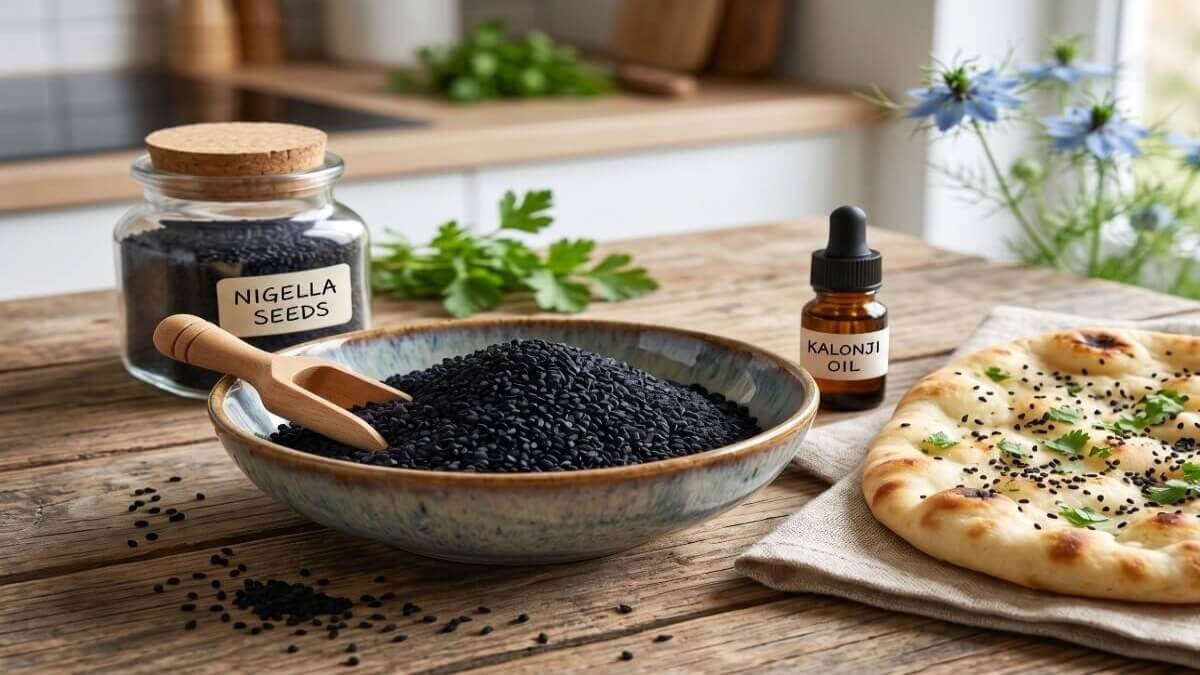
Black seed is a very familiar spice in our kitchens. It is essentially a small, and black colored seed. People have used it as a spice and medicine for ages. Its scientific name is Nigella sativa.
You probably use it in your daily meals. Its taste is slightly pungent and aromatic. It does not just enhance flavor. It is also extremely beneficial for your health. Experts call it a powerful superfood.
Our local cuisine uses it extensively. You will find it in the market as oil or whole seeds. Many people chew it on an empty stomach every morning to stay healthy. It works wonderfully to prevent various diseases in the body.
History and Origin of Black Seed
The history of black seed is thousands of years old. We find evidence of its use in ancient Egyptian civilization. Archaeologists found these seeds in the tomb of King Tutankhamun. The Egyptians believed it would keep kings healthy in the afterlife.
Ancient Greek and Roman people also knew about its medicinal properties. Greek physicians Galen and Hippocrates used it to treat various diseases. It was highly valued in the Middle East and Asia as well.
Over time, it entered the Indian subcontinent. Our ancestors understood its benefits and made it an integral part of cooking. Today, people all over the world are becoming aware of its health benefits.
Why Black Seed is Valued for Centuries
Black seed holds a special place in traditional medicine. Islamic medicine discusses it extensively. A popular belief states that it is a cure for every disease except death. Many people have made it a part of their daily lives because of this belief.
Ayurveda also evaluates it highly. Ayurvedic experts recommend using it to cure stomach problems and breathing difficulties. People have accepted it as a natural healer since ancient times.
Modern science is now finding proof to support these ancient beliefs. Various studies show that it truly fights many diseases. Reliable institutions like the National Institutes of Health (NIH) have published numerous research papers on its benefits.
Get to Know Black Seed
It is important for us to know more deeply about black seed. We will discuss how it grows and where you can find it below.
Botanical Background
The black seed plant belongs to the Ranunculaceae family. It is an annual plant. The plant usually grows 20 to 30 centimeters tall.
This plant blooms with beautiful blue or white flowers. The flowers contain fruits, and the seeds grow inside those fruits. When the fruit ripens, it bursts open, and the black seeds come out.
Appearance and Taste
Black seeds are small and triangular in shape. Their color is pitch black. You will notice a slightly rough texture when you hold them in your hand.
Its taste is quite unique. You will get a mildly bitter and pungent taste when you chew it. Many describe its taste as a mixture of onion, black pepper, and oregano. It creates a wonderful aroma when you add it to cooking.
Where Black Seed is Grown
Its original home is mainly South and Southwest Asia. Farmers now cultivate it extensively in India, Bangladesh, Pakistan, and many Middle Eastern countries. Farmers in Mediterranean countries also produce it.
Our country’s weather is quite suitable for growing this plant. Farmers sow their seeds in winter. Our farmers harvest high-quality crops through proper care.
Nutritional Value of Black Seed
Black seed is a rich source of nutrients. Excellent nutritional elements hide within this tiny seed. Let us find out what it contains.
Calories and Macronutrients
Black seed contains a moderate amount of calories. You will not consume too many calories by eating one teaspoon of seeds. You can easily include it in a weight loss diet.
It contains a good source of carbohydrates. These carbohydrates provide energy to the body. It works great to eliminate daily fatigue.
Protein, Fiber, and Healthy Fats
This seed contains a significant amount of protein. Protein helps build our body muscles. It is a good source of protein for vegetarians.
It contains plenty of dietary fiber. Fiber makes our digestive process easier. Besides, the healthy fats in it keep our hearts healthy.
Vitamins and Essential Minerals
You will find many types of vitamins in black seed. It is especially full of vitamins B, C, and E. These vitamins keep our skin and hair beautiful.
It is rich in minerals such as iron, calcium, potassium, and zinc. Iron helps eliminate anemia. Calcium makes our bones strong.
Thymoquinone and Other Active Compounds
The most important compound in black seed is thymoquinone. It is a highly active element. Scientists have researched this compound the most.
Besides thymoquinone, it contains compounds like thymol and nigellone. These compounds work together to keep the body healthy. They directly help reduce internal inflammation.
Antioxidants and Phytonutrients
This seed is full of antioxidants. Antioxidants destroy harmful free radicals in our bodies. As a result, we stay protected from the signs of aging.
It also contains various plant nutrients or phytonutrients. These prevent damage to our cells. These elements are essential for surviving chronic diseases.
Main Health Benefits of Black Seed
You will gain many health benefits from eating black seed regularly. Scientists have proven its benefits time and time again. You can find detailed information from health websites like Healthline.
Rich in Antioxidants
As mentioned earlier, it is a great source of antioxidants. It protects cells from oxidative stress. Oxidative stress can cause severe diseases like cancer.
Your body will clean itself from the inside if you eat it daily. It increases the efficiency of the liver and kidneys. It has no equal in removing toxins from the body.
Helps Boost Immunity
A strong immune system is the key to our health. Black seed works wonderfully to boost our immunity. It increases the production of white blood cells.
You will not easily catch a cold or a fever if you eat it regularly. It fights against various viruses and bacteria. Using it especially in winter keeps the body warm and protected.
May Improve Digestion
Black seed is a natural medicine for stomach problems. It activates stomach enzymes. This makes food digest very quickly.
People with gas or indigestion problems get relief by eating it. It keeps the intestines healthy. Many people also use it to cure diarrhea or dysentery.
Helps Maintain Heart Health
It is quite effective in reducing the risk of heart disease. It lowers the level of bad cholesterol in our blood. At the same time, it increases the level of good cholesterol.
It also helps keep blood pressure under control. People with high blood pressure can eat it under a doctor’s advice. It prevents blockages from forming in the arteries.
May Help Normalize Blood Sugar Levels
Black seed is a blessing for patients with diabetes. It plays a great role in controlling blood glucose levels. It increases the effectiveness of insulin.
Your sugar level will stay right if you eat it every morning. However, you must maintain a proper diet along with it. It also reduces other complications caused by diabetes.
Contributes to Overall Wellness
It is beneficial for the entire body, not just specific diseases. It reduces stress and helps you get a good sleep. It keeps our nervous system calm.
People use its oil to increase the brightness of skin and hair. It reduces acne problems and prevents hair loss. It is a great ingredient to ensure overall health.
Thymoquinone Explained: The Core Compound of Black Seed
Thymoquinone is the magical element of black seed. This element is basically a strong anti-inflammatory compound. It reduces any swelling or pain in our body.
Scientists have found that thymoquinone can stop the growth of cancer cells. It also works great to reduce asthma problems. It relaxes the respiratory muscles.
This compound also protects the brain. It reduces the risk of diseases like Alzheimer’s or memory loss. Black seed is so valuable mainly because of thymoquinone.
Black Seed and Traditional Herbal Medicine Systems
The use of black seed in herbal medicine is very old. Unani and Ayurvedic texts contain many formulas using it. Herbalists mix honey and black seed to make medicines for various diseases.
Women use it to reduce menstrual pain. Mothers also eat it to increase breast milk production. Massaging its oil provides comfort and reduces joint pain.
Our grandmothers used to make a paste of it to cure colds and coughs. It also helps reduce fever. Many people follow these traditional methods alongside relying on modern medicine.
Black Seed for Digestive and Metabolic Health
Black seed helps keep your metabolic rate perfect. A healthy metabolic rate helps keep your weight under control. It prevents extra fat from accumulating in the body.
It keeps the liver clean, which is crucial for digestion. A healthy liver allows the body to absorb proper nutrition. It prevents problems like fatty liver.
Eating it daily removes constipation. Bowel movements become easier due to the presence of fiber. It maintains a good stomach environment by destroying harmful bacteria in the intestines.
What Does Black Seed Taste Like?
Many people get confused by its taste when they eat it for the first time. Its taste is not exactly sweet or sour. It creates a completely different sensation.
Taste and Aroma
Its taste is quite intense and pungent. You will feel a slight bitterness when you chew it. However, it has a wonderful aroma of its own.
This aroma multiplies the smell of cooking. Its real fragrance comes out especially when you temper it in hot oil. Its flavor adds a kind of depth to food.
Black Seed vs. Black Gram
Many people confuse black seed with black gram (urad dal) because of similar-sounding local names. But these two are completely different things. Black seed is a spice that you use in very small quantities.
On the other hand, black gram is a type of lentil. It is much larger than black seed. People boil black gram and eat it as a soup, but they add black seed to curries as a spice.
Common Culinary Uses
People generally use it as a whole seed in cooking. The practice of using it as a powder is very rare. Cooks add it to oil as a tempering spice at the beginning of making a curry.
People also sprinkle it on various baked foods. It is widely used in making mashed dishes (bhorta). Many mix it with other spices to balance its intense flavor.
Ways to Use Black Seed in Cooking
There are many ways to add it to your daily meals. You can easily include it in your diet. We have listed some great ways below.
In Breads and Baked Goods
You can mix a little black seed into the dough when you make flatbreads or parathas. It will increase both the taste and the nutritional value of the bread. It is an essential ingredient in tandoori roti or naan.
You can also use it in making biscuits or crackers. Its fragrance spreads throughout the house while baking. It will make your ordinary bakery food special.
In Curries and Vegetable Dishes
You can use it as a tempering spice in any vegetable dish. Its taste is especially great in potato or pumpkin curries. Many people also use it in fish gravies.
Drop a few seeds in hot oil at the beginning of cooking. It will completely change the taste of the curry. It adds extra flavor to vegetarian dishes.
In Pickles and Chutneys
You simply cannot make pickles without black seed. Whether it is mango pickle or garlic pickle, you have to add it. It enhances the pickle’s taste and preserves it for a long time.
It also fits perfectly in tomato chutney or tamarind chutney. Its pungent taste brilliantly balances the sweet chutney. It also increases the pickle’s nutritional value.
As Part of the Panch Phoron Spice Blend
A famous mixture in Bengali cooking is Panch Phoron (five spices). Black seed is one of the main ingredients of this five-spice blend. Cumin, fennel, fenugreek, and mustard seeds accompany it.
This mixture works like magic in lentil or vegetable cooking. Black seed gives this mixture a beautiful dark color and a strong aroma. You can buy ready-made Panch Phoron from the market.
Popular Recipes Using Black Seed
You can make some great food very easily at home. Here are some popular recipe ideas. You can try these today.
Black Seed Naan
Prepare a flour dough when making naan bread. Sprinkle some black seeds and chopped coriander leaves on top as you roll the dough. Then bake the bread.
Serve this naan bread with butter or garlic. It tastes amazing with any meat curry. You will get the restaurant taste right at home.
Spicy Vegetable Curry
Cut potatoes, cauliflower, and peas into small pieces. Heat the oil in a pan and temper it with black seeds and dried red chilies first. Then add the vegetables.
Sauté well with a little turmeric and salt. Sprinkle coriander leaves before taking it off the stove. This is a wonderfully healthy dish to eat with bread or rice.
Homemade Pickles
Cut green mangoes into small pieces and dry them in the sun. Now heat black seed, garlic, and other spices in mustard oil. Add the mangoes to this oil.
A delicious pickle will be ready if you leave it in the sun for a few days. Black seed will protect this pickle from spoiling. You can store this pickle year-round.
Bengali Panch Phoron Dish
Add tempering at the end when cooking masoor dal or mung dal. Heat oil or ghee in a small pan. Add Panch Phoron to it and fry for a few seconds.
Pour this aromatic oil directly over the cooked lentils. It will multiply the taste of the lentils. This is a classic Bengali recipe that everyone loves.
Black Seed vs. Black Gram: Key Differences
We already know that they are different things. Black seed is a seed from the Ranunculaceae family. And black gram is a legume or pulse from the Fabaceae family.
You keep black seed in the spice jar. You keep black gram in the lentil jar. You cannot eat more than a few grams of black seed at a time. You can easily eat a whole bowl of black gram.
They also have differences in nutrition. Black seed contains more antioxidants and essential oils. On the other hand, black gram contains much more carbohydrates and plant protein.
Understanding the Difference: Black Seed vs. Black Gram
The cooking methods for these two ingredients are completely different. You have to boil the black gram thoroughly to soften it. You can make soups, fritters, or sweets with it.
You do not need to boil black seed. You can eat it raw directly or fry it in oil. There is a huge difference between their taste and texture.
You can easily tell them apart when you go to the market. Black seed looks like tiny needles, while black gram looks round like small stones. Both have their own health benefits.
Potential Side Effects and Precautions
Everything has a moderate limit. Eating too much black seed can cause some problems. It is important to pay attention to how your body reacts.
Digestive Sensitivities
Many people have very sensitive stomachs. Eating in large quantities can upset their stomachs. It can cause nausea or gastric problems.
There is a risk of diarrhea if you eat it in large amounts every day. So start eating in small amounts at first. You can gradually increase the amount once your body gets used to it.
Allergic Reactions
Some people may have allergies to black seed. The skin may itch, or a rash may appear after eating it. Many experience swelling of the lips or throat.
Stop eating it immediately if you see any such symptoms. Consult a doctor if the allergic reaction is severe. It is good to do a patch test before using its oil on the skin.
Interactions with Medications
Be careful if you take any medicine regularly. It can mix with blood pressure medications and lower blood pressure excessively. The same applies to diabetes medications.
You should inform your doctor before regularly taking any herbal ingredient. This is especially true if you are undergoing treatment for a long-term illness. This will protect you from unexpected dangers.
Who Should Take Precautions?
Pregnant women must be careful about eating it. Eating in large quantities can cause uterine contractions. It is advisable to consult a doctor before introducing any new foods during pregnancy.
People who have an upcoming surgery or operation must stop eating it. It can slow down the blood clotting process. Stop eating it at least two weeks before the surgery.
How to Choose High-Quality Black Seed
You need to buy high-quality seeds to get the best results. Markets often sell adulterated or old seeds. There are a few ways to identify good seeds.
You should look at the expiration date on the packet before buying. Ensure that the seeds are shiny black. Avoid gray or brown colored seeds.
Take it in your hand and smell it. Fresh seeds have a strong aroma. If there is no smell, understand that it has become old. It is best to buy from a reliable store.
Proper Storage Tips for Maximum Freshness
Its quality will degrade if you do not store it properly. It is very easy to store. You just have to follow a few simple rules.
Best Storage Containers
Always use a glass jar to keep black seed. Its quality can decrease in plastic containers. The jar must be airtight.
The seeds will become damp if air enters. This can invite fungus or mold attacks. Keep the jar lid tightly closed after use.
Preserving Taste and Aroma
Keep it away from heat to retain the spice’s flavor. Do not keep the spice jar right next to the stove. Excessive heat dries up the essential oils inside it.
Also, avoid places where direct sunlight falls. Store it in a dark and dry cabinet. This will keep its fragrance intact for a long time.
Shelf Life and Indicators of Freshness
It generally lasts one to two years if kept in a good environment. But the sooner you use it, the better. Its pungent taste diminishes as it ages.
Throw the seeds away if they look dull or smell strange. Eating old seeds provides no benefits. Always use fresh ingredients to keep the cooking taste perfect.
Frequently Asked Questions About Black Seed
Many people have various questions about this spice. Here are answers to some common questions.
Can You Eat Black Seed Every Day?
Yes, you can eat it every day. But the quantity is very important. Experts suggest eating half to one teaspoon a day.
Eating more than this is not right. It is a very heat-producing food. So eating it in moderate amounts is the smartest thing to do.
Is Black Seed Good for Digestion?
Absolutely, it is an excellent ingredient for digestion. It reduces stomach gas and bloating. It increases the secretion of beneficial enzymes during digestion.
Chewing a few seeds after eating a heavy meal provides comfort. It keeps bowel movements normal. It plays a big role in keeping the stomach clean.
What is the Best Way to Use Black Seed?
The best way is to chew a few seeds on an empty stomach in the morning. You can mix a spoonful of honey with it if you want. The mixture of honey and black seed is extremely powerful.
Those who do not like to chew it can swallow it with warm water. Besides, you can always eat it through cooking. Choose any method that is convenient for you.
Black Seed in Global Cuisines
Its value exists all over the world, not just in our country. People from different countries use it in different ways. It has now become a global ingredient.
Use in South Asian Cooking
We see its extensive use in India, Pakistan, and Bangladesh. We make mashed dishes with it. Its aroma is great in khichdi or rice pilaf.
Cooks also add it to samosa stuffing. Street food vendors often sprinkle the powder on chaat or fuchka. It is a big part of our food culture.
Use in Middle Eastern Cuisine
It is widely used in the bakery industry in Middle Eastern countries. They use it in various traditional breads. You will often see it on top of pita bread.
They make a special type of cheese with it. People use its oil as a salad dressing. Its presence makes Arab food even more delicious.
Modern Culinary Applications Around the World
Modern chefs are experimenting with this ancient spice. They are blending it with smoothies or health drinks. They add their touch to various gourmet foods.
It is now quite popular in Western countries under the name “black seed.” They use it as a garnish on roasted vegetables or soup. People recognize it as an easy way to increase the nutritional value of food.
Final Thoughts on Black Seed
At the end of our long discussion, we can clearly understand its importance. It is not just a cooking ingredient but also a medicine.
Key Takeaways
Black seed is a powerful seed rich in antioxidants and thymoquinone. It boosts our immunity and helps in digestion. It is beneficial for patients with heart disease and diabetes.
However, you should eat it in the right amount and the right way. Eating too much can cause some side effects. You can get the most benefits from it through proper storage.
Why Black Seed is a Valuable Culinary and Traditional Health Ingredient
It is so valuable for its versatility. It simultaneously increases the taste of food and keeps the body healthy. Nature has given us many gifts in this single ingredient.
Its popularity has not declined from ancient times to the present. Modern science also praises it. So it has become and will remain an integral part of our kitchens.
Simple Ways to Add Black Seed to Your Daily Diet and Recipes
You can add it to your routine starting tomorrow. You can eat a few seeds with tea in the morning. You can add a little extra to your lunch curry.
The easiest way is to keep it in a small jar on your dining table. This will catch everyone’s eye during meal times. This small change will yield great results for your health.