
Cubeb (Tailed Pepper): Benefits, Uses, and Nutrition Guide
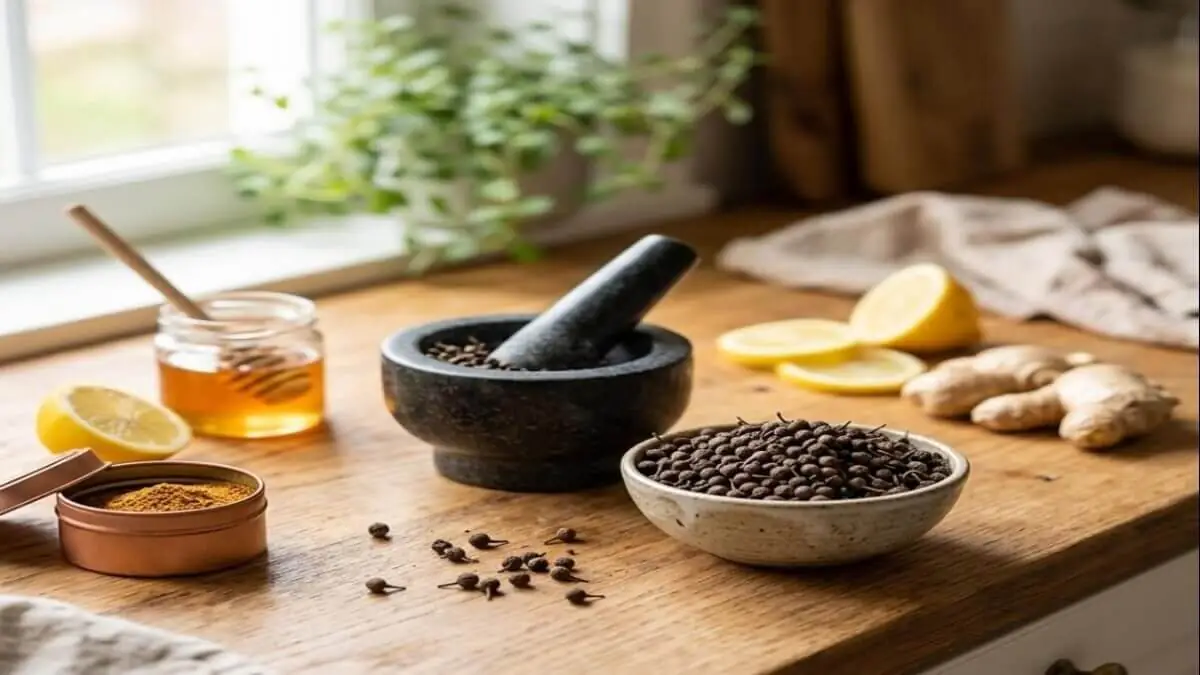
What is Cubeb (Tailed Pepper)?
Cubeb stands out among the countless amazing spices hidden in nature. People commonly know it as tailed pepper. It looks like black pepper but features a small stem or tail at the bottom. This unique characteristic gives it this special name worldwide.
Botanists consider it an important member of the Piperaceae family. Despite its external resemblance to black pepper, its taste and aroma differ completely. The fragrance of this spice is highly intense and gives a slight camphor-like sensation. It holds immense value in ancient medicine and the culinary arts.
Although it got somewhat lost amidst many new spices in the modern era, its effectiveness has not diminished. You can still see its use in Southeast Asian cooking and traditional Unani and Ayurvedic medicine. Health-conscious people are leaning towards this ancient spice again due to its flavor variety and health benefits.
History and Origin of Cubeb Pepper
Turning the pages of history reveals a glorious journey for this tailed pepper. The original home of cubeb pepper is the Indonesian islands of Java and Sumatra. For this reason, ancient trade documents often refer to it as Java pepper. Cubeb grows excellently in the soil of this region due to its geographical location.
Arab merchants took this valuable spice from Asia to Europe in ancient times. They kept the source of this spice a secret to maintain their market monopoly. Cubeb was considered an extremely valuable and luxurious commodity in medieval Europe. Its presence in the kitchens of wealthy families was a symbol of status.
Mentions of this spice also appear during China’s Tang Dynasty. Physicians primarily used this ingredient to treat respiratory and digestive issues at the time. Later, Portuguese kings issued some bans on cubeb imports to boost their black pepper business. Consequently, its popularity in the European market gradually declined.
Why Cubeb is Known as a Unique Ancient Spice
Cubeb is not just a cooking ingredient; it acts as a versatile natural remedy. Its unique chemical composition sets it apart from all other common spices. Ancient chemists and alchemists believed this spice contained a special kind of life force. Therefore, they added it to various secret herbal blends.
Its aroma offers a mixed sensation of black pepper, clove, and nutmeg all at once. Ancient chefs loved using it in royal feast dishes for its complex flavor profile. It helps eliminate the strong odor of meat while enhancing the food’s taste.
Physicians during the European Renaissance advised chewing cubeb to ward off the plague. While modern science does not directly support its effectiveness against the plague, researchers have found evidence of its strong antibacterial properties. Cubeb occupies a unique place in history because of this dual quality.
Botanical Profile of Cubeb Pepper
Scientific Classification
Botanists call cubeb pepper Piper cubeba. It belongs to the Plantae kingdom and the Piperales order. Its family is Piperaceae, and its genus is Piper. Black pepper and long pepper also belong to the same family, but cubeb remains unique in its specific traits.
External Appearance and “Tailed” Structure
The cubeb plant is essentially a perennial climbing vine. Its leaves are somewhat oval-shaped and dark green. The small flowers cluster on a long stalk. When fruits develop from the flowers, they look exactly like round black pepper.
The harvesting method is the most fascinating part. Farmers pick the green fruits by hand before they ripen and dry them in the sun. The skin wrinkles and turns black or dark brown after drying. The small stalk attached to the fruit dries up and forms a hard tail, making it easily recognizable.
Where Cubeb is Cultivated
Although it originated in Indonesia, its cultivation has expanded to a few specific regions worldwide today. Malaysia, Sri Lanka, and some southern parts of India now cultivate cubeb on a limited scale. This plant requires plenty of moisture and a warm, shady climate to produce a good yield. Experts consider special loamy soil the most suitable for this cultivation.
Nutritional Value of Cubeb
Calories and Macronutrients
The nutritional value of cubeb is not negligible, even though we use it in small amounts in food. You can get about 250 to 300 calories of energy from every 100 grams of cubeb pepper. It contains a small amount of plant protein and very low fat. However, it is rich in dietary fiber, which greatly benefits our digestive system.
Essential Oils and Bioactive Compounds
The real power of cubeb hides within its volatile or essential oils. It can contain up to 7 to 15 percent of these oils. The main components of this oil are cubebin, cubebol, caryophyllene, and sabinene. These bioactive compounds are primarily responsible for their medicinal properties.
Vitamins and Minerals
This tailed pepper is also quite rich in micronutrients. It contains adequate amounts of Vitamin A and Vitamin C, which boost the body’s immune system. Mineral components include iron, calcium, magnesium, and potassium. These minerals help maintain proper blood circulation and bone structure.
Antioxidants and Plant Phytochemicals
Research shows that cubeb contains high levels of phytochemicals like polyphenols and flavonoids. These components act as powerful antioxidants. They help eliminate harmful free radicals from the body. You can prevent premature cellular aging by consuming it regularly in the right amounts.
Health Benefits of Cubeb Pepper
Improves Digestion
Cubeb pepper works wonders for various stomach problems. It helps increase the secretion of digestive juices in the stomach. As a result, heavy food digests easily. You can get quick relief from bloating, gas, or indigestion by mixing a little cubeb powder with warm water. You can check the digestive health articles on Healthline for more details.
May Help Boost Respiratory Wellness
People have used cubeb since ancient times for colds, coughs, or sinus problems. It acts as a natural expectorant. This means it helps liquefy and expel mucus or phlegm accumulated in the lungs and airways. Patients with asthma or bronchitis can benefit from using it under a doctor’s guidance.
Rich in Antioxidant Compounds
The oxidative stress constantly generated in our bodies is the root cause of various chronic diseases. The antioxidants in cubeb directly reduce this stress. It also helps improve liver function. Nothing beats it when it comes to flushing toxins and other harmful waste from the body.
May Help Improve Urinary Tract Health
The use of cubeb in treating Urinary Tract Infections (UTI) is quite old. It possesses natural diuretic properties. It increases urine flow and washes harmful bacteria out of the urinary tract. Many herbal doctors prescribe it to reduce bladder inflammation or burning sensations.
Traditionally Used to Reduce Inflammation
A compound called cubebin helps eliminate internal inflammation in the body. Those suffering from arthritis or joint pain can try massaging with cubeb oil. It helps reduce muscle spasms and maintain blood circulation.
Contributes to Overall Wellness
Consuming a small amount of cubeb regularly boosts the body’s overall immunity. Its antimicrobial properties destroy harmful bacteria inside the mouth. Consequently, it eliminates bad breath and keeps gums strong. It also helps relieve mental fatigue and keeps the mind fresh.
Cubeb and Digestive Health: Traditional Uses Explained
The effectiveness of cubeb in improving digestion is not just a discovery of modern science. Indian Ayurvedic practitioners and Middle Eastern Hakims documented its properties thousands of years ago. Practitioners traditionally consider it a ‘carminative’ or wind-relieving herb.
When someone felt uncomfortable after eating excessively greasy food, healers advised them to chew cubeb. It stimulates the salivary glands and starts the secretion of digestive enzymes inside the mouth. Consequently, the initial preparation for digestion is completed before the food even reaches the stomach. It also helps maintain normal intestinal movement or peristalsis.
Cubeb’s Aromatic Oil and Its Effects
The essential oil obtained from cubeb by distillation is highly valuable. The aroma of this oil helps calm the mind and reduce stress. Aromatherapists use this fragrant oil to eliminate fatigue.
This oil has some uses in skincare, too, but you should not apply it directly. Mixing a few drops of cubeb oil with a carrier oil, such as coconut or almond oil, and applying it to the skin can help reduce acne. Its antiseptic qualities help heal minor cuts and scrapes quickly.
Cubeb in Traditional Medical Systems
Cubeb holds a permanent place in various traditional medical systems worldwide. Unani medicine calls it ‘Kababchini’. Practitioners there use it mainly as a key ingredient in making medicines for colds, coughs, and liver issues.
The traditional Chinese medicine system uses cubeb to keep the body’s ‘Qi’ or energy flow active. They believe this spice removes excess moisture and coldness from the body, providing warmth. On the other hand, cubeb was the primary home remedy for urinary tract infections in 17th-century Western herbal medicine.
What Does Cubeb Taste Like?
Taste and Aroma
When you put cubeb in your mouth, it initially tastes a bit spicy like black pepper. However, an intense aroma and a slightly bitter taste follow immediately. Finally, a cooling sensation remains inside the mouth, much like mint or camphor. Its smell is quite pungent but pleasant.
Comparison with Black Pepper
The taste of regular black pepper is mainly straightforwardly spicy and pungent. But cubeb’s spiciness is not that intense; rather, it has many layers of flavor. Black pepper will only create heat on your tongue, while cubeb will provide a fragrant and cooling sensation.
Why We Use It Sparingly
You must use it very sparingly in cooking because of its intense aroma and high levels of volatile oils. Using too much cubeb can mask the food’s actual flavor and potentially make it bitter. Just a pinch of cubeb powder is enough to transform the aroma of an entire dish.
How to Use Cubeb in Cooking
In Spice Blends and Seasonings
Cubeb is an essential ingredient in making the famous North African and Moroccan spice blend ‘Ras el Hanout’. You can add a few cubebs instead of regular black pepper when making various garam masalas at home. It seasons meat or vegetables wonderfully.
In Savory Dishes and Stews
Using whole cubeb in slow-cooked meat dishes or stews is a great idea. Its internal oils slowly mix with the soup or gravy during the long cooking process. It multiplies the taste of lamb or beef dishes.
In Pickles and Preserved Foods
You can add cubeb with vinegar while making fruit pickles or preserving vegetables. Its antimicrobial properties help keep the pickle fresh for a long time. At the same time, it brings a beautiful aromatic twist to the pickle.
In Herbal Teas and Infusions
Adding cubeb to a cup of tea on a winter morning or a rainy day can be a brilliant idea. Boiling a slightly crushed cubeb while making black or green tea creates an excellent herbal beverage. It works quite effectively to reduce sore throats.
Popular Recipes Using Cubeb Pepper
Spicy Meat Dish
Take ginger, garlic, onions, and common spices with your favorite meat to prepare this dish. Keep one teaspoon of cubeb powder as a special ingredient. Add this cubeb powder while braising the meat. It will help maintain the meat’s juiciness and impart a royal aroma.
Fragrant Rice Dish
We usually use cardamom and cinnamon when cooking pulao or biryani. This time, throw 4 to 5 whole cubeb peppers into the oil as tempering. The aroma from the boiling rice after frying the grains and adding water will make your entire kitchen smell heavenly.
Herbal Digestion Aid Tea
Boil a cup of water. Add 2 crushed cubeb peppers, a little minced ginger, and a mint leaf to it. Boil for 5 minutes and strain the water. Mix one teaspoon of honey and drink it when it cools down slightly. Drinking this tea after a heavy meal makes the stomach feel light.
Traditional Sauce Blend
You can mix a little cubeb powder when making tomato sauce or BBQ sauce. It adds a mildly spicy, camphor-like note to the sauce’s overall sweet-and-sour flavor. This special sauce pairs wonderfully with grilled food.
Cubeb vs. Black Pepper: Key Differences
Many people mistakenly think cubeb and regular black pepper are the same. A table easily explains their main differences below:
| Feature | Cubeb Pepper (Tailed Pepper) | Black Pepper |
| External Appearance |
Has a small tail or stalk at the bottom of the fruit. |
Completely round, has no stalk. |
| Flavor Profile |
Cooling like camphor, aromatic, and slightly bitter. |
Intensely spicy and pungent tasting. |
| Main Components |
Rich in cubebin and cubebol oils. |
Rich in an alkaloid called piperine. |
| Place of Origin |
Mainly the Java island of Indonesia. |
Mainly the Malabar coast of India. |
| Culinary Use |
For complex aromatic and royal dishes. |
In all kinds of everyday general cooking. |
Knowing these differences makes choosing the right spice at the right time easier. You can visit the Encyclopædia Britannica site for a detailed botanical comparison.
Whole Cubeb vs. Ground Cubeb: Which is Better?
This question arises when buying any aromatic spice, such as cubeb. Using packaged ground cubeb from the market is quite convenient. However, it has a major drawback. The volatile oils inside evaporate quickly upon contact with air after the spice is ground. Consequently, you cannot find its original aroma after a few days.
Therefore, buying whole cubeb is the smart choice for the best taste in cooking. It is best to crush a few grains in a mortar and pestle or grind them in a grinder right before cooking, according to your needs. This preserves the spice’s freshness and medicinal qualities 100%.
Potential Side Effects and Precautions
Overconsumption Concerns
You absolutely should not consume cubeb in excessive amounts, even though it is a natural ingredient. Eating too much cubeb can cause irritation of the stomach’s inner walls. This can lead to problems like stomach pain, nausea, or diarrhea. You should not consume more than 1-2 grams of cubeb powder daily.
Potential Allergic Reactions
This spice can cause skin allergies in some people. You must wash it off quickly if you see itching, redness, or rashes on the skin after using cubeb oil. Doing a patch test before using it for the first time is always a good idea.
Who Should Exercise Caution?
Pregnant and breastfeeding mothers should take special precautions regarding cubeb consumption. It is better not to include this spice in children’s diets. Also, those with kidney disease or ulcers should avoid cubeb. Seeking advice from a registered doctor before any medicinal use is mandatory. The National Center for Biotechnology Information (NCBI) can be an excellent source for reliable medical information.
How to Choose High-Quality Cubeb Pepper
You can avoid getting cheated by noticing a few things when buying cubeb at the market. The grains of high-quality cubeb will be somewhat large and plump. Their color will be dark brown or black. Ensure the grains are completely dry and hard.
The most important thing is to check if its tail is intact. If the grain lacks a tail, it might be adulterated with regular black pepper. Rub a single grain with your fingers and smell it. You will know the spice is pure and fresh if you get a strong camphor-like aroma.
Proper Storage Tips for Maximum Freshness
You must know the correct storage rules to keep this expensive spice fresh for a long time. You should never keep cubeb pepper in plastic packets or out in the open. Use a clean, dry glass jar or an airtight container to store it.
Do not place the jar near the kitchen stove or in direct sunlight. Light and heat destroy the spice’s oil. Keep it in a cool, dark, and dry cabinet. Whole cubeb stays completely fresh for about one to two years if stored this way.
Frequently Asked Questions about Cubeb
Is cubeb the same as black pepper?
No, cubeb and black pepper are not the same. They belong to the same plant family, but their species are completely different. Cubeb has a small tail that black pepper lacks. Also, the taste of cubeb is much more aromatic and slightly cooling like mint compared to black pepper.
Can you use cubeb every day?
You can use a very small amount of cubeb daily as an aromatic in cooking. However, you should not take it continuously for a long time if you want to take it systematically every day as a medicine. Taking a break for a few days after using it for a few weeks is good practice.
What is cubeb best used for?
Cubeb works best in slow-cooked meats and aromatic rice dishes. Additionally, its use in making herbal tea for cold and cough relief and treating digestive issues has proven highly effective.
Cubeb in Global Culinary Traditions
Its Use in Middle Eastern Cooking
Cubeb is a highly respected spice in the Middle East. Chefs use this spice particularly in various kebabs and minced-meat koftas. It makes the meat taste tender and delicious. Its use in their traditional soups is also quite popular.
Its Historical Use in European Cooking
Although its use in Europe has decreased today, it was a staple spice at the banquets of lords and kings during the Middle Ages. People used cubeb then to make various types of sauces, meat pies, and spiced ale (a type of beverage). Chefs still look for cubeb when recreating historical recipes.
Its Revival in Modern Cuisine
Cubeb is making a comeback nowadays thanks to ‘fusion food’ and gourmet cooking. Distillers use cubeb as an aromatic botanical in making modern craft gin. Furthermore, chocolatiers create innovative flavored desserts by mixing cubeb powder with expensive dark chocolate.
Final Thoughts on Cubeb (Tailed Pepper)
Key Takeaways
Cubeb, or tailed pepper, is a gift of nature that satisfies our taste buds while keeping the body healthy. Its antioxidant, anti-inflammatory, and digestion-aiding properties have established it as a highly effective herb. Its proper use in cooking can make ordinary food extraordinary.
Why Cubeb Remains a Rare yet Valuable Spice
The global production of cubeb is limited by geographical constraints and complex cultivation methods. You cannot find it everywhere as easily as regular black pepper. However, its value is immense to culinary experts and herbal scientists because of its unique flavor profile and medicinal properties.
Easy Ways to Add Cubeb to Your Cooking Routine
Including cubeb in your everyday cooking is not very difficult. Buy high-quality whole cubeb from the market and keep it at home. Add two-tailed peppers along with regular garam masala whenever you cook a meat curry or pulao next time. This small change will add a new dimension to your culinary arts.