
10 Tips for Getting the Best Sleep of Your Life
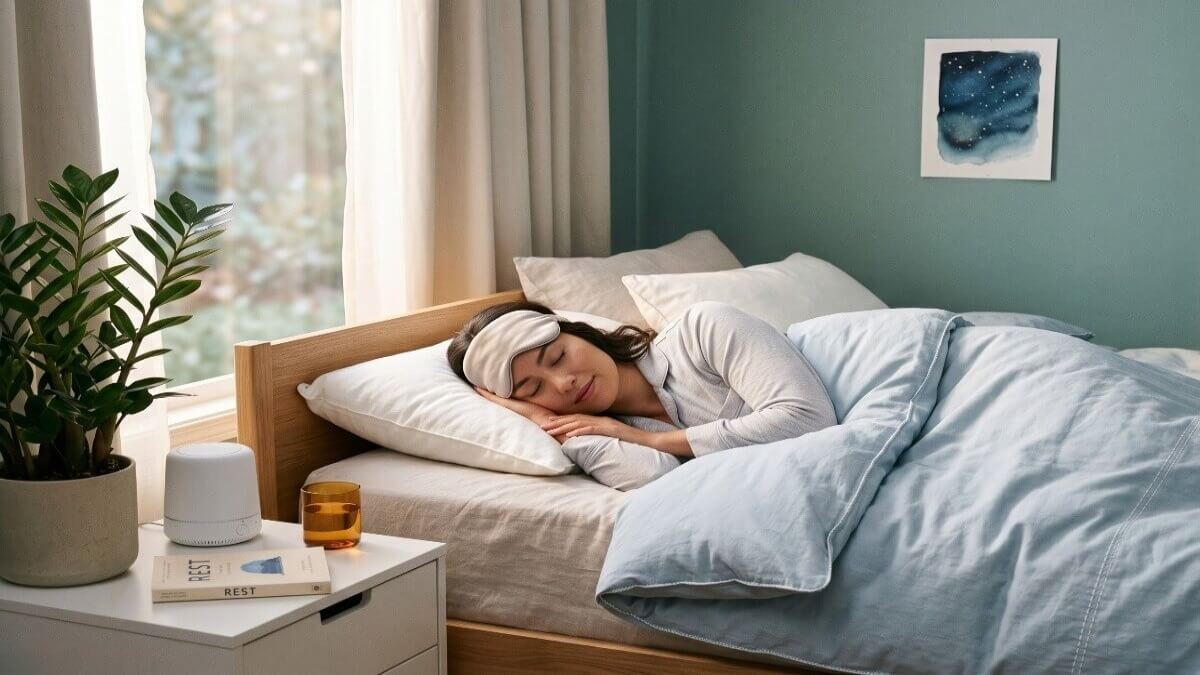
Getting enough rest is absolutely essential for enjoying every single day. Many of us neglect sleep due to our busy daily schedules. There is no alternative to proper rest when you want to keep your body and mind fresh. If you do not sleep well at night, the next day is filled with exhaustion. Good sleep works like magic for your overall health and mental peace.
The Science Behind Good Sleep
Your brain gets the chance to repair itself during sleep. The brain neatly organizes all the information gathered throughout the day during this time. Adequate rest multiplies the body’s immune system capabilities. Scientists have proven that the body releases various important hormones while you sleep. These hormones play an essential role in preventing cell damage and promoting muscle growth. According to the National Sleep Foundation, adults should sleep between 7 and 9 hours every day.
How Good Sleep Improves Your Energy, Focus, and Mood
You will feel new vitality in your body when you wake up in the morning after getting adequate rest. Your focus on work will increase many times over. Your decision-making ability and creativity will also grow. If you regularly get good sleep, your mood will stay very cheerful. The tendency to feel annoyed over minor issues will also decrease.
Common Reasons People Struggle to Sleep Well
Modern lifestyles have become the biggest obstacle to our sleep. Excessive stress and anxiety keep people awake at night. Many people stare at mobile or laptop screens right before going to bed. Irregular eating habits and excessive caffeine intake also disrupt sleep. People cannot sleep peacefully without the right environment.
1. Stick to a Consistent Sleep Schedule
Going to bed at the same time regularly is an excellent habit. This habit gets your body accustomed to a specific rhythm. Following this rule, even on weekends, is extremely important.
Why Your Body Loves a Routine
The human body has its own internal clock called the circadian rhythm. This internal clock controls our sleep-wake cycle. If you sleep at the same time every day, your body understands exactly when it needs to rest. Following a routine allows your hormones to work at the right times. As a result, you no longer have to toss and turn in bed at night.
Key insight: Your circadian rhythm heavily dictates your energy levels. Aligning your sleep schedule with these natural hormone spikes and drops is the fastest way to eliminate morning grogginess.
How to Set a Reliable Bedtime and Wake Time
First, decide what time you need to wake up in the morning. Count backward at least 7 to 8 hours from that point to set your bedtime. You can set an alarm on your clock for every day. Adjusting might feel a little difficult for the first few days. After a few days, your body will automatically wake you up at the specific time.
2. Create a Relaxing Bedtime Routine
Having a beautiful routine before bed is vital. It works very well for calming the mind and forgetting the busyness of the day. Show your body that it is time to take a rest.
Preparing Your Mind and Body for Sleep
Sleep does not come easily if you go to bed immediately after finishing work. You need to give your brain some time to calm down. Stop all heavy work at least 1 hour before sleeping. Avoid checking office emails or thinking about stressful matters. Dedicate this time solely to your own peace of mind.
Calming Activities to Try Before Bed
Taking a bath with lukewarm water can be a great idea. You can read a book of your choice. You might listen to soothing songs or instrumental music at a low volume. Light stretching or yoga helps relax the body. These activities will prepare your brain completely for sleep.
3. Limit Screen Time in the Evening
Technology is an inseparable part of our lives in the current era. However, reducing screen usage in the Evening is beneficial for your health. Digital devices cause severe damage to our sleep and our eyes.
How Blue Light Disrupts Sleep
Smartphones, tablets, and computers emit a type of blue light. This light hinders the production of the melatonin hormone in our brain. Melatonin basically creates our feeling of sleepiness. When blue light enters the retina, the brain interprets it as daytime. Consequently, sleep does not come easily.
Creating Healthy Tech Boundaries
Keep all digital devices at least 2 hours away before sleeping. Use a blue-light filter or night mode if working is absolutely necessary. You can build the habit of not taking your phone into the bedroom. Keep the charger in a room outside the bedroom. Using a standard alarm clock instead is much more reasonable.
4. Optimize Your Sleep Environment
The quality of your sleep depends largely on what your bedroom looks like. Deep sleep comes very easily when the surrounding environment is comfortable. Small changes in this regard can make a huge impact.
Making Your Bedroom a Sleep Sanctuary
Use the bedroom solely for sleeping and resting. Try to keep the room clean and tidy. You should use a comfortable mattress and clean bedsheets. Make sure the pillows give proper support to your neck and head. Make the room as minimal and peaceful as possible.
Controlling Light, Noise, and Temperature
Use heavy curtains or blackout curtains on the room’s windows to block outside light. Melatonin is secreted rapidly when the environment is completely dark. You can use earplugs or a white noise machine to escape outside sounds. Try to keep the room temperature slightly cool. Experts say that a temperature of 18 to 20 degrees Celsius is usually the most suitable for sleep.
5. Watch Your Caffeine and Sugar Intake
What we eat throughout the day directly affects our sleep at night. Certain drinks specifically keep our nervous system stimulated. Therefore, being mindful of your eating habits is extremely important.
Foods and Drinks That Impact Sleep
Coffee, tea, and energy drinks contain large amounts of caffeine. Caffeine can also hide in chocolate and certain pain relief medications. Sugary foods rapidly increase blood glucose levels. This creates a type of restlessness in the body. Although alcohol brings sleep temporarily, it severely disrupts the deep sleep cycle.
Best Times to Avoid Stimulants
You should completely stop caffeine intake after the afternoon. Caffeine takes a long time to leave the body. Refrain from drinking coffee at least 6 hours before sleeping. It is best to avoid sweet foods or desserts in the Evening. Instead, drink warm milk or chamomile tea at night.
6. Engage in Regular Physical Activity
Exercise does not just keep the body healthy. It is one of the main conditions for good sleep. People who engage in regular physical labor sleep very peacefully at night. You should keep some time for exercise in your daily routine.
The Connection Between Exercise and Good Sleep
Physical activity burns extra energy. It also helps tremendously in reducing mental stress. Body temperature increases first, then slowly decreases after you exercise. This temperature reduction process creates a feeling of sleepiness in the body. Regular exercise greatly reduces the risk of insomnia.
Choosing the Right Time to Work Out
Exercising in the morning or afternoon is the most beneficial. However, refrain from doing heavy exercise right before sleeping. Exercising at night increases your heart rate and body temperature. As a result, the body takes extra time to calm down. If you must do something in the Evening, choose light walking or stretching.
7. Manage Stress Before Bed
You will never sleep well if you go to bed with the whole day’s worries. The brain cannot rest if the mind is not calm. Therefore, you need to find effective methods to reduce mental stress.
Relaxation Techniques to Aid Rest
You can practice deep breathing exercises. Inhaling and exhaling slowly calms your nervous system. Progressive muscle relaxation methods also work wonderfully. This method gradually tenses and relaxes every muscle in the body. These techniques lower your heart rate and give you peace.
Using Journaling and Mindfulness to Calm the Mind
Create a habit of writing in a diary or journal before sleeping. Writing down the day’s thoughts in a notebook lightens the burden on your mind. Making a list of tomorrow’s tasks reduces anxiety. Mindfulness or meditation increases your focus on the present moment. It removes negative thoughts and helps you sleep peacefully.
8. Avoid Heavy Meals Late at Night
What we eat at night dictates the quality of our sleep. Eating the wrong foods at the wrong times can leave you in discomfort all night. Dinner should always be light and easy to digest.
How Digestion Affects Sleep Quality
The body needs a lot of energy to digest heavy and fatty foods. The body does not get complete rest when the stomach is busy digesting during sleep. Eating spicy food can cause heartburn or acidity. This type of physical discomfort can wake you up from deep sleep.
Smart Evening Eating Habits
Finish your dinner at least two to three hours before sleeping. Try to keep plenty of vegetables and light proteins in your meal. Avoiding excessively spicy or oily food is beneficial for you. You can eat a banana or a few pieces of almonds if you feel very hungry at night. This will fill your stomach without harming your sleep at all.
9. Get Natural Sunlight During the Day
Sunlight helps maintain our body’s natural rhythm. It is the most wonderful remedy available free of cost. Absorbing adequate daylight ensures deep sleep at night.
Regulating Your Body’s Internal Clock
Our brain distinguishes day from night based on the presence of light. Adequate light signals the brain that it is time to stay awake. Staying in the light during the day improves melatonin production at night. Sleep problems are more common among people who work all day indoors.
Why Morning Sunlight Helps You Sleep Better
Try walking in the sun for at least 15 to 20 minutes after waking up in the morning. The sweet morning sunlight helps wake your body completely. It also helps keep your mood positive. Keep your work desk near a window if possible. Natural light and air will increase both your productivity and your nighttime sleep.
10. Stop Trying Too Hard to Sleep
We often try to force ourselves to sleep. However, sleep is not a mechanical process that starts by pressing a button. Forcing it might actually cause your sleep to run away.
Why Sleep Anxiety Makes Things Worse
Stop looking at the clock and calculating how many hours are left. The thought of needing to sleep right now creates tremendous pressure on the brain. This anxiety increases the secretion of the hormone adrenaline in your body. Consequently, you become even more alert and awake. Anxiety can never be a helper for sleep.
Letting Your Body Rest Naturally
Get out of bed if you cannot fall asleep for more than 20 minutes. Go to another room and read a book in dim light. Return to bed only when your mind calms down again, and sleepiness falls over your eyes. Let sleep come through a natural process. Do not try to catch it forcefully.
Additional Habits for Better Sleep
In addition to the tips mentioned above, some small habits can further improve the quality of your sleep. You will get long-term benefits if you make these habits a part of your daily life.
Staying Hydrated Throughout the Day
Drinking an adequate amount of water helps keep all body functions running smoothly. Dehydration can cause muscle tension or cramps. This creates the possibility of suddenly waking up in the middle of the night. However, refrain from drinking excessive water right before sleeping. Going to the bathroom repeatedly can disrupt your sleep.
Minimizing Afternoon Naps
Many people like to sleep for a long time in the afternoon. However, sleeping too much during the day severely disrupts nighttime sleep. If you must sleep in the afternoon, it should not be more than 20 to 30 minutes. People call this a power nap. It keeps you fresh. You should not sleep at all after 3 PM.
Keeping a Consistent Routine on Weekends
We often wake up very late on holidays. This destroys our routine for the whole day. Try to wake up at the same time on holidays as you do every day. This allows your body’s own clock to work properly. Returning to work on Monday morning becomes much easier when you follow a regular routine.
Common Sleep Mistakes to Avoid
Some small mistakes in our daily lives, unknowingly continue to damage our sleep. Becoming aware of these mistakes is very important for you. A few such common mistakes are highlighted below.
Using Your Bed for Work
Sitting in bed to work on a laptop or to study is a bad habit. The brain then identifies the bed as a place of work. As a result, the mind does not want to calm down when you go to sleep at night. Keep the bed strictly designated for resting and sleeping. Use a separate table or a specific workplace in Too Late.
We try to sleep more in the morning when we get less sleep at night. Although this feels comfortable temporarily, it breaks your sleep cycle. Try waking up at the same time every day. Your nighttime sleep will automatically arrive at the right time this way. The body does not accept going outside the routine well.
Checking Your Phone at Night
Many people pick up their smartphones when they wake up in the middle of the night. Scrolling through social media or watching videos is one of the most harmful things you can do. The phone’s blue light fully awakens your brain. This makes falling back asleep almost impossible. Always keep the phone out of reach.
Signs Your Sleep Quality is Improving
You will notice the difference yourself when you follow healthy habits. You will no longer feel tired when you wake up in the morning. You will have plenty of energy to work all day. Your focus will become much sharper than before. You will fall into a deep sleep within 15 to 20 minutes of going to bed at night.
Frequently Asked Questions About Good Sleep
How many hours of sleep do I need?
Most adults need 7 to 9 hours of sleep per night to stay healthy. However, this time can vary slightly based on age and physical condition. Children need even more sleep. The World Health Organization always emphasizes adequate rest.
How long does it take to fix a sleep routine?
Building a new habit usually takes a few weeks. Do not give up even if it feels a little difficult at first. Your body will get used to it if you follow it continuously for 21 days. Maintaining consistency is the real key here.
Can daytime naps help improve sleep?
A short 20- to 30-minute nap in the afternoon can relieve your fatigue. People call this a power nap, and it is quite beneficial. However, sleeping for long hours during the day destroys the nighttime sleep routine. Therefore, keeping daytime sleep short is the smart thing to do.
What should I do if I wake up in the middle of the night?
Do not look at the clock at all if you wake up in the middle of the night. Lie in bed and try taking deep breaths. Get out of bed if sleep does not come even after 20 minutes. Read a book in dim light or do relaxation exercises. Go back to bed when you feel sleepy again.
Conclusion: Better Sleep Starts With Better Daily Habits
Your sleep is not a magical one-night solution. It is the collective result of your small daily actions. A healthy lifestyle can gift you an excellent night’s sleep. Staying committed to your routine is extremely important.
Final Thoughts: Small Changes Today Can Transform Your Tomorrow
Trying to follow all the rules at once can suddenly make you feel pressured. Set small goals every day. Maybe you can start tonight by keeping your phone away. You can try reducing caffeine tomorrow. These small steps will eventually bring big changes.
Actionable Steps to Start Improving Your Sleep Today
Review your current habits. Identify the things that are harming your sleep. Decide to start a new and relaxing routine tonight. Both your body and mind will be grateful to you for this. Good sleep will make every day of your life more beautiful and joyful.