The Ultimate Guide to Scallions: Benefits, Nutrition, and Everyday Uses
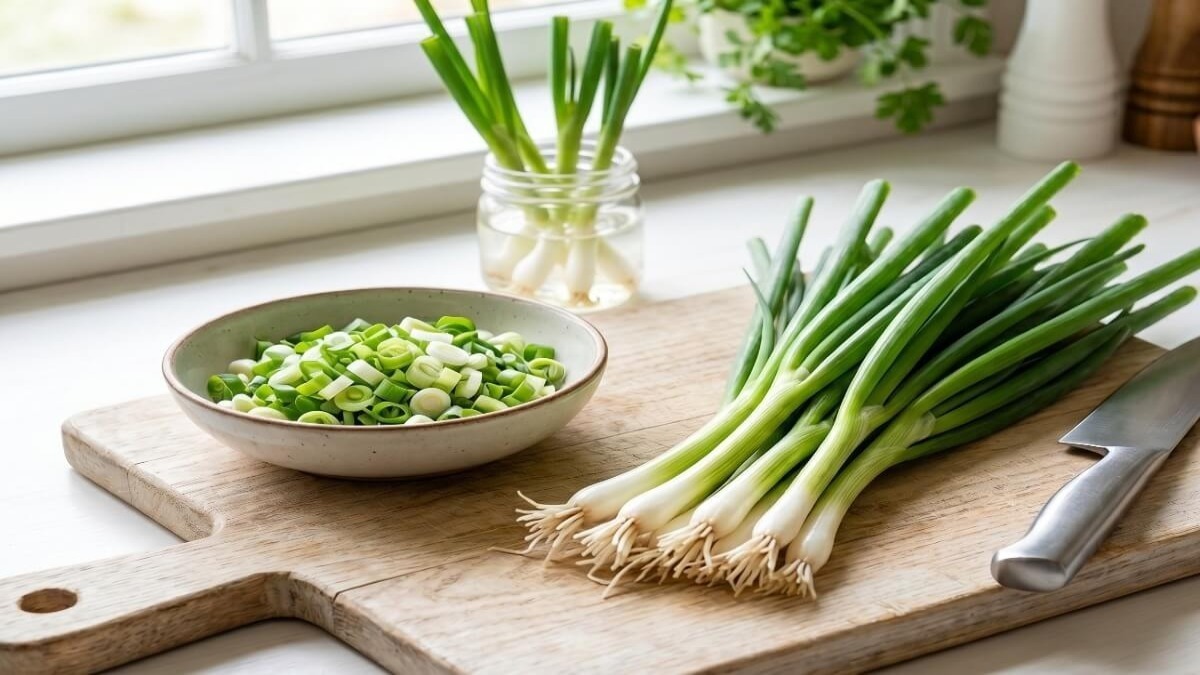
Green and fresh scallions are a very familiar ingredient in our kitchens. We use them regularly to add flavor and aroma to everyday meals. Fried scallions with hot rice on a winter morning is a favorite for many. But beyond the taste, you will find countless health benefits in this wonderful vegetable.
Botanically, it is an important member of the Allium family. We have used this natural ingredient for ages to enhance culinary flavors. Let us explore the nutritional value and versatile uses of scallions in detail. Fresh, green scallions?
Scallions basically consist of the young, green parts of the onion plant. You will not see a large bulb at the bottom, as with regular onions. Instead, it grows straight up above the ground. Its taste is much milder and sweeter than that of regular onions.
People in almost every country around the world use this ingredient extensively in their cooking. We notice its strong presence, especially in Asian dishes. Chefs happily mix it into everything from salads to soups. This nutrient-rich vegetable can easily become an integral part of your daily diet.
Scallions vs. Green Onions vs. Spring Onions: Are They the Same?
Many people get confused with these three names when going to the market. We often mix them up while buying vegetables. Actually, while they are all members of the same plant family, they have some subtle differences. You can read more about these differences on reputable health websites such as Healthline.
The terms green onions and scallions generally refer to the exact same thing. Their bottom white part remains very thin. On the other hand, we can see a small round bulb at the bottom of spring onions. Farmers harvest them a bit later than scallions, which causes this bulb to form.
You will also notice a slight difference in their taste. The taste of a spring onion is quite close to that of a regular onion. But the taste of a scallion remains much fresher. Therefore, choosing the right ingredient according to your cooking style is very important.
Why Scallions Are a Popular Ingredient in Global Cuisine
Scallions are known as a favorite vegetable among chefs worldwide. The main reason is their versatile usability in cooking. Cooks can transform any ordinary dish into something extraordinary with them. Just sprinkling a few chopped leaves on top completely changes the look and aroma of the food.
Its mild taste does not overpower the original flavor of other ingredients. Rather, it helps enhance the flavor of the main dish. You will get a wonderful taste from it in both raw and cooked forms. This is why people use it everywhere, from Mexican salsa to Chinese noodles.
You will find it very easily in the market because it is easy to cultivate. Anyone can easily grow scallions in roof gardens or balcony pots. The joy of picking them fresh from the plant and using them directly in cooking is unique. So we see its immense popularity in every home.
Types of Scallions
You will see different types of scallions at the market. Farmers divide them based on age and cultivation methods. Choosing the right type of leaf is important to get the best taste in cooking. Below, we have discussed some of its main types.
Young Green Scallions
Farmers harvest these types of leaves from the field in a very short time. Their bodies are very soft and juicy. You will get a very light and sweet taste if you eat them. They work best as salads or garnishes to enhance the beauty of the food.
You do not need to cook them for long. They become very soft quickly in the heat of the fire and lose their nutritional value. So you should add them at the very end of the cooking process. This way, you can keep their freshness and nutritional value intact.
Mature Scallions
Farmers leave mature scallions in the field for a bit longer. Their leaves become somewhat stiff and dark green. The lower white part also takes a quite thick shape over time. You will notice a slightly stronger taste if you taste them than with young leaves.
Cooks adapt them wonderfully in any heavy dish. You can easily use them in meat curries or deep-fried foods. Even if you cook them over high heat, they do not easily lose their own shape and taste. People consider them an ideal ingredient for slow-cooked soups.
White Bulb vs. Green Leaves
We use two main parts of a scallion for cooking. The use of the lower white bulb and the upper green leaves is completely different. You will find more of the pungent onion flavor in the white part. Cooks generally prefer to fry it in oil at the beginning of cooking.
On the other hand, the green leaves have a very light and fresh scent. We mainly sprinkle it on top at the end of cooking. Chefs instruct us to use these two parts separately in many famous recipes. You must know this to get the maximum nutrition from the whole vegetable.
Nutritional Value of Scallions
This small vegetable is a rich source of nutrients. We can keep our bodies healthy in many ways by adding it to our daily diet. According to USDA FoodData Central, it is an excellent source of vitamins and minerals. Let us learn about its nutritional value in detail.
Calories and Macronutrients
The calorie content in scallions is very low. Those who want to lose weight can easily eat large quantities of it. One cup of chopped leaves contains only 32 calories of energy. The amount of fat in it is almost zero.
Despite being low in calories, it is a good source of carbohydrates and fiber. Fiber helps keep our stomachs full for a long time. At the same time, it also contains a small amount of protein. Therefore, dietitians consider it an ideal ingredient in a diet chart.
Vitamins A, C, and K
This vegetable is specifically full of vitamin K. You will get more than double the daily requirement of vitamin K by eating one cup of scallions. Vitamin K is very important for blood clotting and keeping bones strong.
Besides, you will get plenty of vitamin A and vitamin C from it. Vitamin A keeps our eyesight good. Vitamin C boosts our immune system and keeps the body fresh. Consuming these vitamins regularly makes the skin bright and glowing.
Folate and Essential Minerals
Folate is essential for pregnant women. Scallions provide an excellent supply of this folate to our bodies. It helps in cell growth and DNA formation. Therefore, doctors often advise eating it.
Apart from folate, it contains important minerals like potassium, calcium, and iron. Potassium helps keep our blood pressure under control. Calcium strengthens bone structure, and iron plays a key role in preventing anemia. These minerals work wonderfully in maintaining overall health.
Antioxidants and Sulfur Compounds
A great quality of scallions is that they are rich in antioxidants. These antioxidants destroy harmful free radicals in our bodies. As a result, the risk of chronic diseases decreases significantly.
Like other members of the Allium family, it contains sulfur compounds. These sulfur compounds are what give them their distinctive smell. They play a scientifically proven role in preventing cancer and keeping the heart healthy. These elements are unparalleled in keeping your body detoxified.
Health Benefits of Scallions
You will get amazing health benefits from eating scallions regularly. Beyond just taste, it has great value in medical science. Let us learn about some of its main health benefits.
Supports Immune System Health
The vitamin C in scallions strengthens our immune system. You can avoid common problems like colds and coughs by eating it regularly. It helps the body produce white blood cells that fight infections.
Moreover, its antimicrobial properties protect the body against harmful bacteria and viruses. Eating it is highly beneficial during winter when various diseases break out. It works wonderfully to strengthen your body from the inside.
Improves Heart Health
We can eat scallions every day to keep our hearts healthy. The potassium in it directly helps lower our high blood pressure. Keeping blood pressure under control greatly reduces the risk of heart attacks and strokes.
Its antioxidants and fiber lower bad cholesterol levels in the blood. When cholesterol levels remain low, blood vessels stay clear, and blood circulation returns to normal. Therefore, nutritionists often advise keeping this vegetable when planning diets for heart patients.
May Help Improve Digestion
Those who suffer from digestive problems can benefit greatly from eating scallions. The dietary fiber in it keeps our digestive system healthy. Fiber prevents constipation and promotes regular bowel movements.
It acts as food for the beneficial bacteria present in our intestines. These bacteria smooth the digestion process and reduce stomach bloating. Eating it as a salad after heavy meals speeds up digestion.
Supports Bone Health
Vitamin K is an essential element for strengthening bone structure. We have already learned that scallions are a huge source of this vitamin. It helps calcium enter the bones and prevents bone decay.
It is effective at preventing a bone disease called osteoporosis in older adults. Eating this vegetable regularly greatly reduces the risk of bone fractures. Women, especially, should eat it to help protect their bones after menopause.
Packed with Antioxidants
Our bodies suffer damage every day due to various types of pollution and mental stress. The powerful antioxidants in scallions save cells from this damage. They reduce oxidative stress in the body and prevent premature cellular aging.
It contains plenty of a special antioxidant called flavonoids. It creates a defense wall in the body against deadly diseases like cancer. Eating antioxidant-rich foods is necessary for all of us to live a healthy, long life.
May Help Reduce Inflammation
Chronic inflammation in the body is considered the root cause of many complex diseases. Those who suffer from arthritis or joint pain can find relief by eating scallions. The special sulfur compounds in it quickly reduce internal inflammation in the body.
It also works wonderfully to reduce muscle pain or joint swelling. Many people choose it as a natural way to cure pain. Including it in your regular diet will help you lead a pain-free, active life.
Scallions and Digestive Health: Why They Are Mild and Effective
Eating regular onions can cause stomach bloating or gas for many people. But we see this happen very rarely with scallions. Its structure and nutritional components are very gentle on the digestive system. So people with sensitive stomachs can eat it without worry.
It contains comparatively fewer carbohydrates called fructans. These fructans mainly cause stomach discomfort after eating regular onions. The amount is so low in the young green parts of scallions that it does not disrupt digestion.
Being rich in prebiotic fiber helps maintain good gut health. It helps maintain the stomach’s internal environment at an alkaline pH, reducing acidity. So those who avoid onions for fear of gastric issues can safely consume this vegetable as an alternative.
Antioxidant Properties of Scallions Explained
We are all more or less familiar with the term “antioxidant”. Scallions contain a highly powerful antioxidant called Quercetin. According to WebMD, this element acts as an antihistamine to help prevent allergic reactions.
Quercetin reduces histamine release in our bodies. As a result, allergic sneezing and coughing caused by dust or cold are soothingly relieved. It maintains the elasticity of blood vessels and keeps blood circulation normal.
You will get the maximum benefits of these antioxidants if you eat them raw rather than cooking them. Heat can destroy some sensitive antioxidants. Therefore, using fresh leaves as a garnish in salads or soups is the smartest thing to do.
Scallions in Traditional Medicine and Home Remedies
People have used scallions as a home remedy for various diseases since ancient times. We see its extensive use, especially in traditional Chinese medicine. They believe it smooths the flow of “Qi,” or life energy, in the body.
Many people drink hot soup made with scallions and ginger when they catch a cold or have a sore throat. It helps sweat out the fever from inside the body. Its pungent smell also works wonderfully to open a blocked nose.
Applying its juice brings relief from insect bites or minor skin itching. Its antibacterial qualities heal skin infections quickly. Our grandmothers also relied on this natural ingredient for various minor physical problems.
Ways to Use Scallions in Cooking
The uses of this vegetable in the kitchen are so diverse that it is hard to fully describe them. Famous chefs around the world use it in their signature dishes. You can easily add its magical touch to everyday cooking. Below are some of its popular uses.
In Salads and Fresh Garnishes
We use fresh chopped scallions to make any salad attractive. It mixes wonderfully with cucumbers, tomatoes, and coriander leaves. Sprinkling a little on top of the food multiplies the beauty of the whole dish.
Its fresh and crunchy texture adds a different dimension to salads. It is an essential ingredient in making Mexican salsa or pico de gallo. It can bring restaurant-like taste even to your simple vegetable salad.
In Stir-Fries and Asian Dishes
Cooks use plenty of scallions while cooking Chinese or Thai food. It works like magic in high-heat quick fries or stir-fry dishes. Its pairing with garlic and ginger creates a wonderful aroma.
You will clearly see its presence in dishes like chicken chow mein, sizzling beef, or chili paneer. Adding these at the last moment of cooking keeps their green color beautiful. You simply cannot do without it to get that authentic taste of Asian cooking.
In Soups and Broths
Just a few scallions can multiply the taste of a hot bowl of soup. Sprinkling it over clear soup or chicken broth freshens up the soup’s aroma. We use it abundantly while serving noodle soups or ramen.
It is a classic ingredient in Japanese miso soup. It softens slightly when touched by the soup’s hot liquid, but its scent mixes wonderfully with it. Such a bowl of soup on a winter evening will give you ultimate satisfaction.
In Omelets and Egg Dishes
Try adding chopped scallions while making fried eggs or omelets for breakfast. The taste of a simple fried egg will reach a whole new level. It removes the fishy smell of the egg and creates a beautiful aroma.
Many love to use it in scrambled eggs or egg curries. Its green color blends with the egg’s yellow to create a beautiful sight. Children will eat with great interest if you give such a healthy omelet in their tiffin.
As a Flavor Enhancer in Sauces and Dips
Scallions fit perfectly in the sauces or dips we make for eating samosas or French fries. Chop it and mix it with sour yogurt, mayonnaise, and a little lemon juice. You can create an extraordinary dip in an instant.
People make dumpling dipping sauce by mixing scallions with soy sauce and sesame oil. This type of sauce multiplies the taste of any snack. You can easily surprise guests by making this delicious dip at home.
Popular Recipes Using Scallions
You are wrong if you think it can only be used to garnish. Scallions themselves can be the main ingredient of many delicious recipes. Let us learn about several popular, easy-to-prepare recipes from around the world.
Scallion Pancakes
This is a highly popular and traditional street food in China. People make this pancake with flour, water, and plenty of chopped scallions. You have to make dough, fill it with this vegetable, roll it out, and fry it in oil.
It becomes quite crispy on the outside and has soft, aromatic layers inside. It pairs wonderfully with tea as a breakfast or afternoon snack. You can make this restaurant-style dish with ordinary ingredients you have at home.
Fried Rice with Scallions
You only need some scallions to make great fried rice with leftover rice. Heat oil in a pan and fry garlic and the white part of the vegetable. Then add the rice and soy sauce, stirring continuously.
Sprinkle the green leaves right before taking it off the stove. You can add some carrots or peas if you are a vegetarian. Your mouth-watering fried rice will be ready in just ten minutes.
Scallion Omelet
This recipe can save you if you have little time on your hands. Beat eggs in a bowl, then add salt, black pepper, and a handful of chopped scallions. Heat butter or oil in a pan and pour the mixture.
Fry both sides until golden and take it out. Serve hot with bread or paratha. Its beautiful smell will make the start of your morning refreshing.
Fresh Scallion Salad
People serve this salad with Korean barbecue or any grilled meat. Cut the scallions long and thin and soak them in ice water for a while. This will reduce its extra pungency and make the leaves curly and crispy.
Drain the water, then mix in a little soy sauce, sesame oil, vinegar, and toasted sesame seeds. This light and refreshing salad creates a wonderful balance with heavy meals. It will also ease your digestive process.
Raw vs. Cooked Scallions: Which Is Healthier?
Many people ask whether it is better to eat scallions raw or cooked. Actually, you will get different health benefits in both methods. You will get plenty of vitamin C and fiber by eating it raw, which heat might destroy.
On the other hand, lightly cooked or steamed scallions are much easier to digest. The heat softens the tough fibers inside and makes the antioxidants easily absorbable by the body. However, long cooking over excessive heat ruins most of its nutritional value.
The best way is to add it at the very end of the cooking process. This way, you get the benefits of both raw and cooked methods together. Eating it raw in salads and half-boiled in soups is most beneficial for your health.
Scallions vs. Onions: Key Differences
Although regular onions and scallions are from the same family, there are significant differences in their functions and nutritional value. Regular onions grow underground as large bulbs and take a long time to mature. Their taste is much more pungent and sharp, making them a base for cooking.
In contrast, scallions grow as green leaves above the ground and become ready to harvest very quickly. Their taste is very mild, so you can easily chew them raw. The amounts of vitamin A and vitamin K remain much higher in scallions than in regular onions.
You can store regular onions at room temperature for several months. But scallions are highly perishable and dry out quickly. Therefore, you have to choose the right ingredient, keeping the purpose of cooking and the ease of storing in mind.
How to Choose Fresh Scallions
Buying the best-quality scallions at the market is an important task. The taste and nutrition of cooking both get ruined if you cannot select the right vegetables. Below, we have discussed some simple ways to identify fresh vegetables.
Signs of Freshness
The leaves of fresh scallions will always be upright and dark green. The bottom white part will be completely clean and firm. You will get a crunchy or crisp feeling when you hold them.
You must understand that they have become old if the tips of the leaves turn yellow or brown. Fresh vegetables have a beautiful fresh smell. Always observe the leaves and roots carefully when buying.
Picking the Best Bunch
Shopkeepers generally sell them tied in bunches with rubber bands. Choose bunches where each stalk has equal thickness. This ensures the vegetables are of the same age and makes cooking easier.
The leaves in the middle of the bunch often rot, which is not visible from the outside. So slightly separate the bunch and check the inside condition before buying. It is smartest to buy them if the roots are fresh and slightly wet.
Avoiding Wilted or Slimy Scallions
Avoid buying scallions with wilted or bent leaves. These were harvested many days ago, and their nutritional value has decreased significantly.
Never buy slimy or sticky scallions. Sliminess is the first sign of rotting. Especially the area under the rubber band often rots due to accumulated water. So paying attention to these small details while shopping is essential.
Proper Scallion Storage Tips
Fresh scallions rot very quickly if not properly stored after purchase. We must follow some simple methods to maintain their freshness and nutritional value. Below are a few of the best ways to store them.
Refrigerator Method
The most common method is to store them in the refrigerator. Do not place them directly in the fridge; wrap them in a slightly damp paper towel. Then put them in a plastic bag and keep them in the vegetable drawer of the fridge.
The leaves will get moisture in this method, but will not rot from excess accumulated water. You can easily keep them fresh for one to two weeks this way. Take them out as needed and wash them before use.
Storing in Water for Freshness
You can also keep them in a glass jar with water on the kitchen counter if you want. Dip the root part of the scallion in the glass of water and let the green part float on top. Just like we keep flowers in a vase.
They stay fresh for many days if you change the water in the glass every day. Even new leaves start growing from the roots in this method. This will ensure a supply of fresh vegetables while enhancing the beauty of your kitchen.
Freezing Scallions for Long-Term Use
You can store scallions in the deep freezer if you have a large quantity. First, wash them well and dry them completely. Then cut them into small pieces according to your preference.
Put the cut pieces in an airtight box or ziplock bag and keep them in the freezer. You can use them for up to several months at a time this way. However, it is better to use frozen scallions directly in soups or cooking rather than in raw salads.
Potential Side Effects and Precautions
Scallions are generally an extremely safe and healthy food for everyone. But some side effects can occur if consumed in excess or under certain specific health conditions. We should all be aware of these precautions.
Digestive Sensitivity
Those with Irritable Bowel Syndrome (IBS) should be careful about eating excess scallions. Although it is milder than regular onions, its overuse can cause gas or stomach bloating.
Pay attention to the quantity while eating this if you experience stomach problems when eating other Allium family vegetables like garlic or onions. Starting with a small amount is always good when adding a new vegetable to your diet.
Allergic Reactions
Allergies to scallions are quite rare but not completely impossible. Some people have sensitivities to Allium plants. Eating them can cause allergic symptoms such as rashes, itching, or breathing difficulties.
Watery or burning eyes while chopping raw scallions is also a type of mild sensitivity. Consult a doctor immediately if you experience any discomfort or allergy symptoms after eating it.
Who Should Limit Scallion Intake?
Since scallions contain plenty of vitamin K, those taking blood-thinning medications (like Warfarin) need to be careful. Vitamin K helps blood clotting, which can hinder the medicine’s effectiveness.
Determine your daily vitamin K intake limit by discussing it with your doctor or nutritionist. Suddenly adding or removing large amounts of vitamin K-rich foods from your diet can harm your health.
Frequently Asked Questions About Scallions
We receive many common questions from readers about this beneficial vegetable. Below are answers to frequently asked questions to help with your daily use.
Can you eat scallions every day?
Yes, you can safely eat scallions every day. It is highly suitable for a daily diet because it is low in calories and rich in nutrients. Eating small amounts daily as a salad, soup, or garnish will improve your overall health. However, you should follow a doctor’s advice if you have any specific physical issues.
Are scallions healthier raw or cooked?
Both methods are healthy, but their benefits differ. You will get full vitamin C and antioxidant benefits when eating it raw. On the other hand, it becomes easier to digest and does not cause stomach discomfort when lightly cooked or steamed. You should keep both raw and cooked methods in your diet to get the best nutrition.
Which part of the scallion is used?
We can use the entire scallion for cooking. The lower white bulb part contains more flavor and pungency, which creates the base of cooking when fried in oil. The upper green leaves have a mild flavor and are mainly sprinkled as a salad or garnish at the end of cooking. Using these two parts correctly multiplies the taste of food in any recipe.
Scallions in Cuisines Around the World
Scallions are not native to any specific region; rather, they are a universal ingredient in kitchens worldwide. People from different cultures have used them in their own traditional ways. Let us see how people cook them in different parts of the world.
Scallions in Asian Cooking
The use of scallions is the highest in Asian countries. Cooking seems incomplete without it in Chinese, Japanese, and Korean food. They use it extensively in dumpling fillings, fried rice, and various delicious broths.
Koreans use it to make their famous Kimchi, which is wonderful for digestion. Japanese people use chopped scallions to enhance the beauty of their favorite sushi and ramen bowls. Its mild scent pairs well with Asian spices.
Scallions in Mediterranean Cuisine
The Mediterranean diet is known as one of the healthiest diets in the world. People in this region love to use scallions in their fresh salads and olive oil-based foods. Its mixture with lemon juice and olive oil brings great freshness.
Cooks use it to make various types of pasta salads and seafood dishes in Greece and Italy. It balances the food beautifully by reducing the intensity of heavy cheese and olive oil.
Scallions in Western Recipes
Scallions are an essential ingredient in various potato dishes in the United States and Europe. Serving baked potatoes with sour cream or yogurt, with scallions sprinkled on top, is a favorite dish for them.
They also use it extensively in various sandwiches, burgers, and salad dressings. Its presence enhances both the beauty and taste of food in classic French dishes like cheese omelets or quiche. It is also used to add a touch of freshness to Western fast food.
Final Thoughts on Scallions
We have discussed various aspects of scallions in detail for a long time. Hopefully, you have learned many new and useful facts from this guide. Let us briefly review the main points of the entire discussion one more time.
Key Takeaways
Scallions do not just add flavor to food; they also boost our immune system and help keep the heart healthy. It has low calories but lacks vitamins and minerals. You can enjoy its freshness for a long time if you store it properly.
Why Scallions Are a Versatile and Healthy Kitchen Ingredient
Its biggest advantage is that you can eat it both raw and cooked. It fits perfectly with everything from soups and salads to heavy meat curries. It has become a favorite kitchen ingredient for people of all classes and professions because it is cheap and easily available.
Easy Ways to Add Scallions to Your Daily Meals
You can easily incorporate it into your daily meals. Sprinkle a handful of chopped leaves over the eggs while frying in the morning. Mix it in your salad or vegetable fry with rice at noon. Give your day a healthy ending by using it as a fresh garnish in your night soup. This small habit will play a great role in the long-term health protection of you and your family.