Goat Milk Guide: Health Benefits and Nutrition Facts
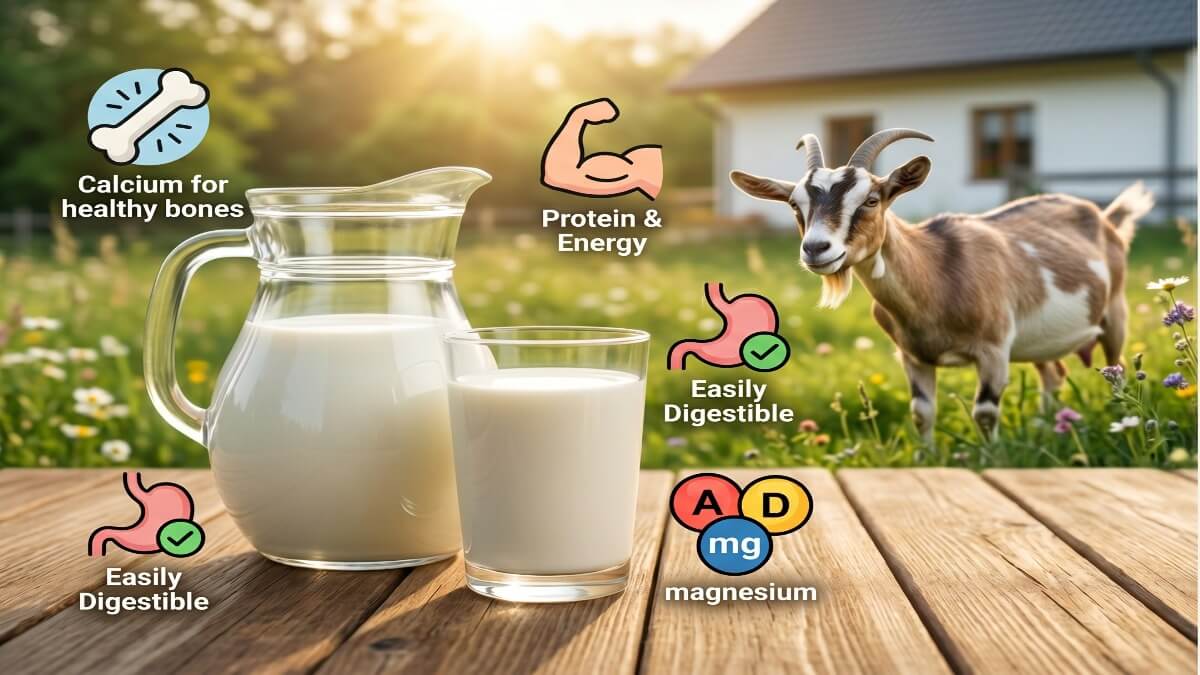
Have you ever thought about adding goat milk to your daily diet? It has become a highly popular beverage among health-conscious people worldwide. While many of us are used to drinking cow’s milk, goat milk has unique nutritional properties that can benefit our bodies in various ways.
In this guide, we will discuss everything you need to know about goat milk. From its health benefits to nutrition facts and proper usage, you will learn it all in detail. Let us gain a deeper understanding of this healthy drink.
What is Goat Milk?
Goat milk is a natural and nutritious liquid obtained from female goats. It is a highly important part of the diet for people globally. For ages, humans have relied on this milk to meet their nutritional needs.
Although cow milk is more familiar in our country, goat milk is used as the primary dairy product in many regions of the world. One major reason for this is that raising goats is relatively easier and less expensive.
Scientifically speaking, goat milk has structural characteristics that set it apart from other animals’ milk. Many experts believe that its fat and protein composition is well-suited to the human body.
History of Goat Milk and Global Popularity
The history of drinking goat milk is very ancient. At the dawn of human civilization, when people first domesticated animals, the goat was among the first pets. Historians have confirmed that goat milk and its cheese were widely used in ancient Egyptian and Roman civilizations.
It is currently extremely popular in the Mediterranean region, the Middle East, and various Asian countries. According to the Food and Agriculture Organization (FAO), a significant portion of the total milk produced in the world comes from goats.
Particularly in countries like Greece and France, goat milk cheese is world-famous. In the modern era, its popularity is rapidly growing in the Western world as people increasingly lean towards healthier alternatives.
How Goat Milk is Produced and Processed
Goat milk goes through several crucial steps before reaching our tables. It is essential to take special precautions at each step to maintain quality.
Milking and Collection Methods
A very clean environment is maintained on farms for milking. On traditional farms, milking is still done carefully by hand. However, the use of modern machines is more common on large farms.
When milked with the help of machines, the milk comes into less contact with outside air or germs. Immediately after collection, the milk is cooled to a specific temperature to prevent harmful bacteria from multiplying.
Pasteurized vs Raw Goat Milk
After collecting the milk, a major decision is how to consume it. Raw milk comes straight from the farm, and no heat is applied to it. Many people think that natural enzymes remain intact in raw milk.
However, raw milk carries the risk of containing harmful bacteria such as E. coli and Salmonella. Pasteurization is done to avoid this risk. In the pasteurization process, milk is heated to a specific temperature and quickly cooled. The World Health Organization (WHO) always recommends drinking pasteurized milk for health protection.
Common Goat Milk Products
Goat milk is used not only for direct consumption. Numerous delicious products can be made from it. The most famous among these is goat cheese.
Apart from this, goat milk yogurt, butter, and ice cream are also quite popular in the market. Interestingly, it is also used in skincare. Soaps and lotions made with goat milk work wonderfully to retain skin moisture.
Nutritional Value of Goat Milk
Goat milk is a powerhouse of nutrition. It naturally contains many elements necessary to keep your body healthy.
Calories and Macronutrients
One cup (about 240 ml) of whole-fat goat milk contains about 168 calories. This is slightly higher than cow’s milk. But these calories come from high-quality protein and healthy fats.
It contains about 11 grams of carbohydrates, primarily as natural sugars. These macronutrients play a key role in meeting the body’s daily energy needs.
Protein Content
The protein content of goat milk is quite high. About 9 grams of protein are found per cup. Protein is essential for the formation and repair of our body cells.
The most important fact is that goat milk protein is absorbed more easily in the body compared to cow milk protein. It contains more A2-type casein protein, which is comfortable for the digestive system.
Vitamins Found in Goat Milk
Goat milk is rich in vitamins. It contains a large amount of vitamin A. Like cow milk, goats can directly convert the carotene in their food into vitamin A.
This is why goat milk looks bright white. Besides, it has a good presence of vitamin B2 (riboflavin), vitamin B12, and vitamin C, which boost our immune system.
Essential Minerals Including Calcium and Potassium
Calcium is essential for protecting our bones. One cup of goat milk contains about 33 percent of an adult’s daily requirement of calcium.
Additionally, it contains plenty of potassium, magnesium, and phosphorus. These mineral elements keep our nervous system calm and help control blood pressure.
Top Health Benefits of Goat Milk
Drinking goat milk regularly benefits the body in various ways. Below are some of its main health benefits.
Highly Digestible for Many
The biggest quality of goat milk is that it is very easily digested. Its fat globules, or fat particles, are much smaller than those in cow milk.
Because of their small size, the enzymes in our stomachs can break them down very easily. As a result, the chances of feeling bloated or uncomfortable after drinking milk are greatly reduced.
Rich Source of Calcium for Bone Health
Goat milk is unparalleled for keeping bones strong. The calcium and phosphorus it contains are easily absorbed into the body.
As we age, our bones begin to lose density. Drinking this milk regularly increases the chances of preventing osteoporosis and other bone-related diseases.
Aids in Muscle Growth and Repair
This is a great drink for people who exercise regularly or do physical labor. The high levels of amino acids it contains help relieve muscle fatigue.
Drinking a glass of goat milk after exercise helps repair damaged muscle tissue quickly. It can be an excellent natural alternative to artificial protein supplements.
Contains Beneficial Fatty Acids
Medium-chain triglycerides (MCTs) are much higher in goat milk. This type of fat is quickly converted into energy in our bodies.
They are less likely to be stored as body fat. As a result, drinking goat milk in moderation can be beneficial for those who are trying to control their weight.
May Support Heart Health
High blood pressure is a major cause of heart disease. The potassium in goat milk helps relax the blood vessels.
Eating potassium-rich foods regularly keeps blood pressure normal. Besides, its healthy fats can help increase good cholesterol levels in the body.
Goat Milk vs. Cow Milk: Key Differences
The question often arises in our minds about the difference between cow milk and goat milk. Let us find out the main differences.
Nutritional Comparison
Both types of milk are excellent nutritionally. However, goat milk contains about 13 percent more calcium than cow milk.
On the other hand, cow milk has slightly higher amounts of vitamin B12 and folic acid. Potassium and copper are found in higher levels in goat milk.
Digestibility and Tolerance
In terms of digestibility, goat milk is clearly ahead. Cow’s milk contains A1 casein, which can cause inflammation in the stomachs of many people.
Goat milk primarily contains A2 casein. When goat milk enters our stomach, it forms a very soft curd-like structure that is much easier for the stomach to digest.
Taste and Texture Differences
The taste of cow milk is generally somewhat sweet and mild. In contrast, the taste of goat milk can be slightly different and stronger.
It is much creamier and has a distinct earthy flavor. This taste can vary depending on the goat’s diet and breed.
Is Goat Milk Better Than Cow Milk?
There is no direct yes-or-no answer to this question. It entirely depends on your personal physical condition and needs.
If you have trouble digesting cow milk, then goat milk can certainly be a better alternative for you. But this does not mean that cow milk is bad. Both milks have their own nutritional properties. You can choose either one or both based on your dietary habits and taste.
Goat Milk for Toddlers, Adults, and Seniors
It can be beneficial for people of all ages in the family. However, children under one year of age should not be given goat milk directly because it is low in folic acid, which is essential for babies.
It can be given to children after age 1. ..It is great for boosting adults’ energy. It is a blessing for seniors because digestive power decreases with age, and goat milk is easily digested and provides nutrition.
Goat Milk and Lactose Sensitivity: What You Need to Know
Many people mistakenly believe that goat milk does not contain lactose. This is a wrong idea. Just like cow milk, it contains lactose, or natural milk sugar.
However, the amount of lactose in goat milk is slightly less than in cow milk. People who have severe lactose intolerance may also have problems drinking goat milk. But those with mild sensitivity can often drink it without any issues.
Different Types of Goat Milk Products
If you go to supermarkets, you will see various products made from goat milk. The variety is truly amazing.
Fresh Goat Milk
This is the most common form. It is sold in bottles or cartons. Fresh milk must be stored in the refrigerator, and it is best to drink it up very quickly. It pairs wonderfully with cereal or oats in the morning.
Goat Milk Powder
This is a good solution for those who have trouble sourcing fresh milk. This powder is made by drying the water from the milk. It stays good for a long time. It is quite convenient for traveling or baking.
Goat Cheese
In French, it is called Chèvre. It is very popular worldwide. This cheese is very soft and multiplies the taste of salads or sandwiches. Its taste is somewhat tart and creamy.
Goat Milk Yogurt
It is made just like cow milk yogurt. However, its texture might be a little thinner. It contains plenty of beneficial probiotics that keep our gut health in good shape.
Common Uses of Goat Milk
You can use this nutritious food in various ways in daily life.
Drinking and Daily Nutrition
The easiest way is to drink a glass of warm goat milk every day. If you want, you can mix a little honey or turmeric with it. This will help meet your daily nutritional deficits.
Cooking and Baking
It can easily be used as an alternative to cow milk in cooking. It works wonderfully in making soups, pasta, or any creamy sauces. When baking, using it to make cakes or muffins makes the cakes or muffins softer.
Homemade Dairy Products
If you wish, you can make cheese or paneer from goat milk at home. It can be easily curdled using lemon juice or vinegar. It is possible to make amazing sweets with this homemade paneer.
Smoothies and Protein Drinks
If you go to the gym, you can use goat milk instead of water to make protein shakes. Great smoothies can be made by blending them with bananas, strawberries, or mangoes. The sweet taste of the fruit covers up the strong smell of the milk.
Potential Drawbacks of Goat Milk
Along with the benefits, we also need to keep some of its drawbacks in mind.
Price and Availability
The biggest problem is its price. A goat gives much less milk than a cow. Due to lower production, its market price is quite high. Also, it is not always available in all grocery stores or supermarkets.
Milk Allergies and Sensitivities
Those who are allergic to cow milk protein can often be allergic to goat milk as well. Even though its protein structure is slightly different, the risk of an allergic reaction is not exactly zero. So, before starting anew, one should drink a small amount to see.
Storage and Expiry Considerations
Goat milk can spoil very quickly. If not kept at the right temperature, bacteria start growing in it very quickly. Moreover, as milk ages, its natural smell tends to become stronger, which many may find unpleasant.
How to Choose High-Quality Goat Milk
Many brands of milk are available in the market. Read the ingredients written on the bottle to choose the right product. Ensure that the milk has been properly pasteurized.
If possible, try to collect fresh milk from local farms. It is extremely important to notice the expiry date on the packet. Buying organic certified milk yields the best results.
Proper Storage and Food Safety Tips
After buying the milk, put it in the refrigerator as soon as possible. It is better not to keep milk in the refrigerator door because the temperature fluctuates there.
Store the milk in the coldest part of the refrigerator. Try to finish the milk within 3 to 5 days after opening the packet. Use medium heat when warming the milk to avoid destroying its nutritional value.
Frequently Asked Questions About Goat Milk
Is goat milk digested more easily than cow milk?
Yes, goat milk is easily digested. Its fat particles are smaller, and it forms a very soft curd in the stomach. As a result, the digestive system can process it very quickly and easily.
Can individuals with lactose intolerance drink goat milk?
This depends on the level of sensitivity. Goat milk does contain lactose, but in slightly smaller amounts. If the issue is mild, it can be tolerated, but for severe problems, a doctor’s advice should be sought.
Does goat milk taste different?
Yes, its taste is slightly different from cow milk. It is a bit creamier and has a light, earthy smell or taste, which many people find wonderful.
Final Thoughts on Goat Milk Nutrition and Benefits
Goat milk is an extraordinary drink provided by nature. Its numerous health benefits have turned it into a great superfood.
Key Takeaways
We have learned that goat milk is full of calcium, protein, and various vitamins. Its biggest quality is its excellent digestibility. It is admired worldwide as a great alternative to cow milk.
Who Can Benefit Most From Goat Milk
It can be the best choice for those whose stomachs cannot properly process cow milk. Older people, athletes, and anyone who is health-conscious can benefit from its nutritional value.
Adding Goat Milk to a Balanced Diet for Optimal Nutrition
To stay healthy, we need to eat a balanced diet. Goat milk can be an excellent part of that balanced diet. Add this nutritious drink to your daily menu today and enjoy its wonderful health benefits yourself. Your body will certainly thank you.