Coriander Powder: Benefits, Uses, and Nutrition Guide
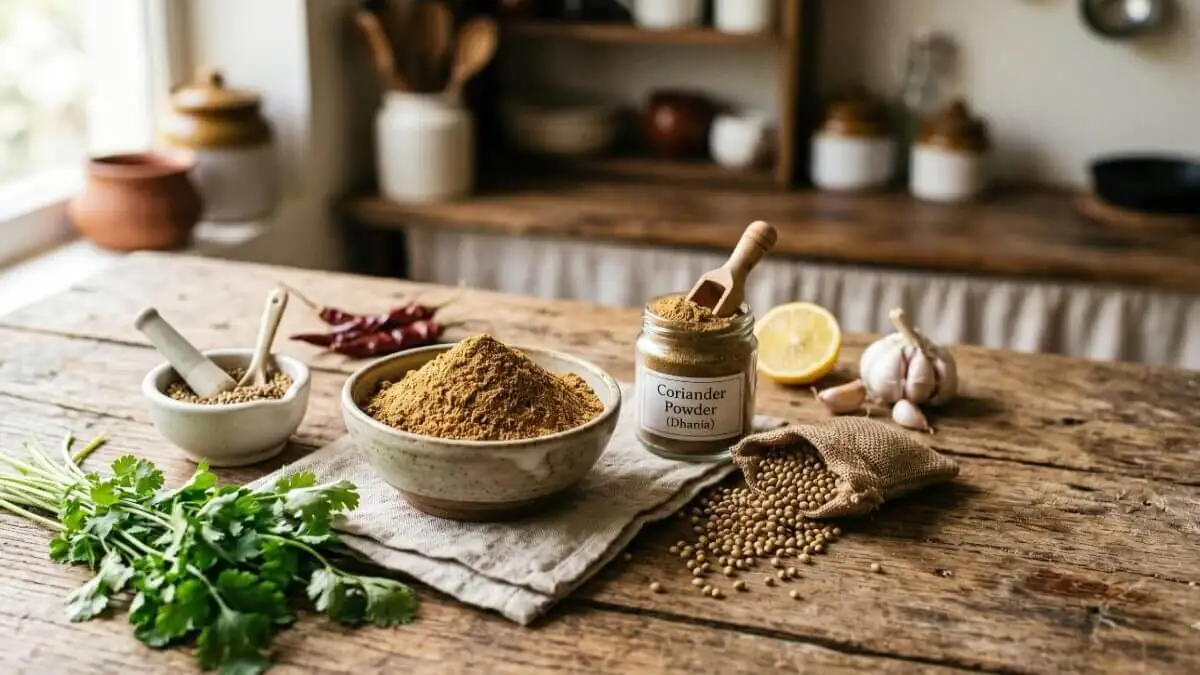
When we look at our everyday kitchens, there are certain spices we simply cannot imagine cooking without. One such essential spice is coriander powder. Its sweet, mild aroma enhances the flavor of any dish.
But did you know this common spice not only enhances taste but is also incredibly beneficial for our health? In this comprehensive article, we will discuss everything you need to know about coriander powder. We will explore its health benefits, nutritional profile, and the many ways to use it properly in your daily life.
What is Coriander Powder?
Coriander powder is a finely ground spice made from the dried seeds of the coriander plant (Coriandrum sativum). A special characteristic of this spice is its sweet, warm, and slightly citrusy or lemony aroma. It is widely recognized worldwide as a fantastic flavor enhancer in cooking.
The leaves of the plant are usually used fresh, which we call cilantro or fresh coriander leaves. On the other hand, its seeds are dried and ground so they can be stored for a long time. It has been highly valued in Asian, Middle Eastern, and Mediterranean cuisines since ancient times. It creates a wonderful balance of flavor and aroma in food.
How Coriander Powder is Made
The process of making coriander powder is quite simple but truly an art. First, fresh seeds are collected from mature coriander plants. Then, those seeds are dried thoroughly under the sun. This drying process removes the seeds’ internal moisture and increases their shelf life.
Whether made commercially or at home, the dried seeds are often lightly roasted over low heat. This roasting process helps draw out the natural aromatic oils trapped inside the seeds. Finally, these roasted seeds are finely ground using a grinder or mortar and pestle. This is how our familiar, aromatic coriander powder is created.
Why Coriander Powder is a Staple Spice in Global Cuisines
Coriander powder has secured a permanent place in the food cultures of many countries around the world. In the Indian subcontinent, it is an indispensable ingredient for making any type of curry. It helps create a beautiful, thick texture or gravy in dishes.
It is also widely used in popular Middle Eastern foods like falafel and shawarma. In Mexican cuisine, coriander powder is used to enhance the flavor of various sauces and stews. This is because the taste of coriander powder blends easily with other spices. It elevates the overall flavor of the dish without making any specific taste too overpowering.
Nutritional Value of Coriander Powder
Coriander powder does not just boost flavor; it is a nutritional powerhouse. It contains many beneficial elements that help keep our bodies healthy. Let us discuss its nutritional value in detail below.
Calories and Macronutrients
Coriander powder is very low in calories. This makes it a great ingredient for those who want to manage their weight. It contains a small amount of protein and healthy fats. Using one or two spoons of coriander powder in your daily cooking will not add any extra calories to your diet.
Dietary Fiber Content
There is no substitute for fiber when it comes to maintaining a healthy digestive system. Coriander powder provides a good amount of dietary fiber. This fiber eases digestion and helps keep problems like constipation at bay. Consuming fiber regularly keeps our gut healthy.
Vitamins and Essential Minerals
This spice is rich in essential vitamins and minerals. It contains generous amounts of vitamin C, vitamin K, and some B vitamins. Among its mineral components, you will find iron, magnesium, calcium, and potassium. Iron helps prevent anemia, while calcium keeps bones strong. According to health resources like Healthline, the minerals found in coriander seeds are incredibly helpful in meeting our daily nutritional needs.
Antioxidants and Plant Compounds
The biggest virtue of coriander powder is its high antioxidant content. It contains beneficial plant compounds like linalool, pinene, and terpinene. These components protect our cells from the harmful effects of free radicals. As a result, the risk of various chronic diseases is reduced.
Top Health Benefits of Coriander Powder
Coriander powder does much more than make food taste better. It plays a vital role in keeping our bodies healthy. Let us learn about some of its excellent health benefits.
Aids in Boosting Digestion
Since ancient times, coriander has been used to cure various stomach issues. Coriander powder helps stimulate the secretion of digestive juices and enzymes in our stomach. As a result, food is digested faster and more efficiently. It is highly effective in relieving bloating and indigestion.
Rich in Antioxidants
As mentioned earlier, coriander powder is rich in antioxidants. These antioxidants boost our body’s immune system. They reduce harmful oxidative stress in the body. Consuming coriander powder regularly helps fend off colds, coughs, and other common infections.
May Help Regulate Blood Sugar Levels
Coriander powder can be quite beneficial for patients with diabetes. Various studies have shown that coriander seeds and their powder help lower blood sugar levels. It also improves insulin activity. However, individuals who are already taking diabetes medication should consult a doctor before consuming it in large quantities.
Helps Maintain Heart Health
Coriander powder works wonders for maintaining a healthy heart. It helps reduce harmful LDL cholesterol levels in the body. At the same time, it increases levels of beneficial cholesterol (HDL). Furthermore, its potassium content plays a crucial role in regulating blood pressure.
May Help Reduce Inflammation
Chronic inflammation in the body can be the root cause of various complex diseases. The anti-inflammatory properties of coriander powder help reduce inflammation. It can be particularly soothing for people suffering from joint pain or arthritis.
Contributes to Overall Well-being
By combining all the benefits above, coriander powder plays a significant role in our overall well-being. It refreshes the body from the inside out and provides energy. Its regular and moderate use helps us live a healthy and beautiful life.
Coriander Powder and Digestion
The role of coriander powder in improving digestion is especially noteworthy. After eating heavy or greasy meals, we often feel discomfort or a heavy stomach. Using coriander powder in such meals helps break down the food easily.
It relaxes the muscles in our intestines and helps maintain normal bowel movements. For those suffering from issues like Irritable Bowel Syndrome (IBS), drinking slightly warm water mixed with coriander powder can be quite helpful.
Coriander Powder in Traditional Herbal Medicine
Coriander holds a special place in Ayurveda and other ancient medicinal practices. According to Ayurveda, coriander is a spice that helps reduce excess body heat or “Pitta”. The practice of drinking coriander-infused water to stay cool during the summer is very old.
Additionally, traditional medicine uses it to treat urinary tract infections (UTIs). Coriander seed paste or powder has also been used since ancient times to soothe various skin allergies and rashes.
How Coriander Powder Supports Daily Nutrition
By adding coriander powder to our everyday meals, we can easily increase our nutritional intake. It brings wonderful flavor to food without adding extra salt or harmful fats.
Those who follow a healthy diet can rely on this spice to bring variety to their meals. By using the right amount of coriander powder in daily vegetables, lentils, or meats, a good portion of essential minerals and antioxidants can be consumed naturally.
How to Use Coriander Powder in Cooking
Coriander powder is incredibly versatile in the kitchen. It adapts easily to a wide variety of dishes. Below are some common and wonderful ways to use it in your cooking.
Curries and Gravies
Coriander powder acts as a base for making any kind of curry. It helps thicken the broth. When mixed with onions, garlic, and ginger, it creates a beautifully smooth texture for the curry.
In Soups and Stews
Coriander powder can be used to add a light, comforting flavor to soups and stews. Sprinkling half a teaspoon of coriander powder into chicken soup or vegetable stew multiplies its taste.
Spice Blends and Marinades
When marinating fish, meat, or paneer, coriander powder can be added along with other spices. It helps the spices’ flavors penetrate deep into the meat. Its use in kebabs or grilled dishes makes the food even more delicious.
Vegetable and Rice Dishes
Coriander powder adds a wonderful aroma to vegetarian stir-fries or savory rice dishes like khichdi. Adding a little coriander powder to roasted potatoes or cauliflower completely changes both the look and taste of the meal.
Popular Recipes Using Coriander Powder
You can easily prepare a variety of mouth-watering dishes at home using coriander powder. Here are some simple and popular recipe ideas.
Homemade Curry Powder
Homemade curry powder tastes much better than store-bought spice mixes. Mix 2 tablespoons of coriander powder, 1 tablespoon of cumin powder, 1 teaspoon of turmeric powder, and a pinch of black pepper together. You can use this as an excellent curry powder in any dish.
Lentil Curry (Dal)
Lentils are a common staple in our daily meals. When cooking red or yellow lentils, use a little coriander powder while sautéing the spices or right before tempering. You will notice how extraordinary the taste of simple lentils becomes.
Spiced Vegetable Stir-fry
While frying any seasonal vegetable, sprinkle half a teaspoon of coriander powder along with some chopped onions and green chilies. This will bring a sweet aroma to the vegetables and double the stir-fry’s flavor.
Coriander-Flavored Marinade
To grill chicken breast, create a marinade with yogurt, ginger-garlic paste, salt, lemon juice, and a spoonful of coriander powder. Coat the meat in this mixture for at least an hour before grilling. The taste will linger in your mouth for a long time.
Coriander Powder vs. Coriander Seeds: Key Differences
Coriander powder and coriander seeds are essentially two different forms of the same ingredient. -Coriander seeds remain whole, and their aroma stays intact for a long time. Whole seeds can be used directly as a tempering spice in cooking.
On the other hand, coriander powder is the crushed form of the seeds. Powdered spices blend very quickly with food and help create a rich gravy. However, once ground, its aroma can easily escape into the air, so it is best to use it quickly.
Coriander Powder vs. Cumin Powder: Taste and Use Comparison
Coriander and cumin powder are frequently used together, but their tastes are completely different. Cumin powder has a much stronger, earthy, and warm flavor. It brings a deep, robust taste to your food.
In contrast, coriander powder is much lighter, sweeter, and slightly citrusy. While cumin intensifies the dish, coriander soothes the flavors and creates a wonderful balance.
How to Make Coriander Powder at Home
If you want the best, freshest spice flavor, make coriander powder at home. The process is very straightforward.
Selecting High-Quality Coriander Seeds
First, buy high-quality, clean, and plump coriander seeds from the market. Ensure there are no bugs or dust in the seeds. It is a smart idea to pick through the seeds once before using them.
Roasting for Enhanced Flavor
Heat a dry pan over medium heat. Now add the coriander seeds to the pan and stir continuously for 2 to 3 minutes. When a beautiful aroma starts coming from the seeds, take them off the stove and spread them on a plate to cool down.
Proper Grinding and Storing
Once the seeds are completely cool, put them in a clean and dry blender or grinder and grind them into a fine powder. Your homemade, fresh coriander powder is now ready. Store it in an airtight glass jar.
Potential Side Effects and Precautions
Coriander powder is generally safe and healthy for everyone. However, a little caution is needed in some cases.
Allergic Reactions
A very small number of people may have an allergy to coriander or similar spices. If you experience rashes, itching, or breathing difficulties after consuming coriander powder, you must stop using it immediately and consult a doctor.
Digestive Sensitivities
Although it helps with digestion, consuming too much coriander powder can cause stomach discomfort or diarrhea in some people. Therefore, consuming it in moderation is always the best approach.
Who Should Exercise Caution?
Those who regularly take strong medication to lower blood sugar levels should be cautious before consuming large amounts of coriander. This is because it can significantly lower blood sugar levels. Pregnant and breastfeeding mothers should also consult a doctor before consuming this spice in excessive amounts.
How to Choose High-Quality Coriander Powder
It is crucial to pay attention to quality when buying coriander powder from the market. Always check the manufacturing and expiration dates on the packet. High-quality coriander powder usually has a light brown to greenish-brown color.
Its aroma should be fresh with a hint of citrus. If the spice gives off a damp or stale smell, it is better not to buy it. Choosing spices from well-known and trusted brands is a safer bet.
Proper Storage Tips for Maximum Freshness and Flavor
Storing spices correctly is essential to retain their original taste and properties. Here are some important tips.
Best Containers for Storage
Coriander powder should always be kept in an airtight container to prevent air from entering. Glass jars are the best option because glass does not absorb odors and helps preserve the spice’s quality.
Avoiding Moisture and Heat
Do not keep your spice jars directly next to the stove or in a place that gets direct sunlight. Heat and light destroy the natural oils of the spices. Storing spices in a dark, cool, and dry cabinet is the best practice. Never put a wet spoon into your spice jar.
Signs Your Spice Has Lost Its Potency
If you notice that the color of your coriander powder has faded or it no longer has its beautiful aroma, it means the spice has gone bad. Eating old spices will not harm you, but they will not add any flavor or nutrition to your food.
Frequently Asked Questions About Coriander Powder
Can coriander powder be used every day?
Yes, coriander powder can be safely used in your daily cooking in moderate amounts. It provides a great boost of flavor and nutrition to your everyday meals.
Is coriander powder good for digestion?
Absolutely. Coriander powder helps produce digestive enzymes, which is highly effective in digesting food easily and reducing stomach bloating.
How long does coriander powder stay fresh?
When stored properly in an airtight container, ground coriander can usually retain its fresh taste and aroma for 3 to 6 months. However, whole seeds stay good for almost a year.
Final Thoughts on Coriander Powder
Coriander powder is an asset in our kitchens that silently takes care of our health and our taste buds. Proper knowledge about this readily available spice can make our lives much healthier.
Key Takeaways
We have seen that coriander powder does not just enhance flavor. It aids digestion, regulates blood sugar, and keeps the heart healthy. Its antioxidants protect our body from various diseases.
Why Coriander Powder is an Essential Kitchen Spice
It is essential because of its versatility and its ability to blend easily with other spices. Using it in anything from curries to soups or marinades gives food a completely new dimension.
Easy Ways to Add More Flavor and Nutrition to Your Meals
From now on, definitely keep this wonderful spice in mind when cooking. If you want, you can make it at home from fresh seeds. Always keep high-quality coriander powder in your kitchen for healthy, delicious meals and enjoy all its extraordinary benefits.