Neem Leaf: A Complete Guide to Health and Herbal Uses
Herbal plants around us are unique blessings of nature. Among these plants, one specific name comes to mind first. That name is Neem. For thousands of years, the leaves of this tree have been used in our daily lives in various ways.
In today’s blog, we will explore the boundless benefits of Neem. We will discuss everything from its health benefits to its uses in skincare in detail. If you are looking for natural ingredients to support a healthy, beautiful life, this guide is for you.
What Are Neem Leaves?
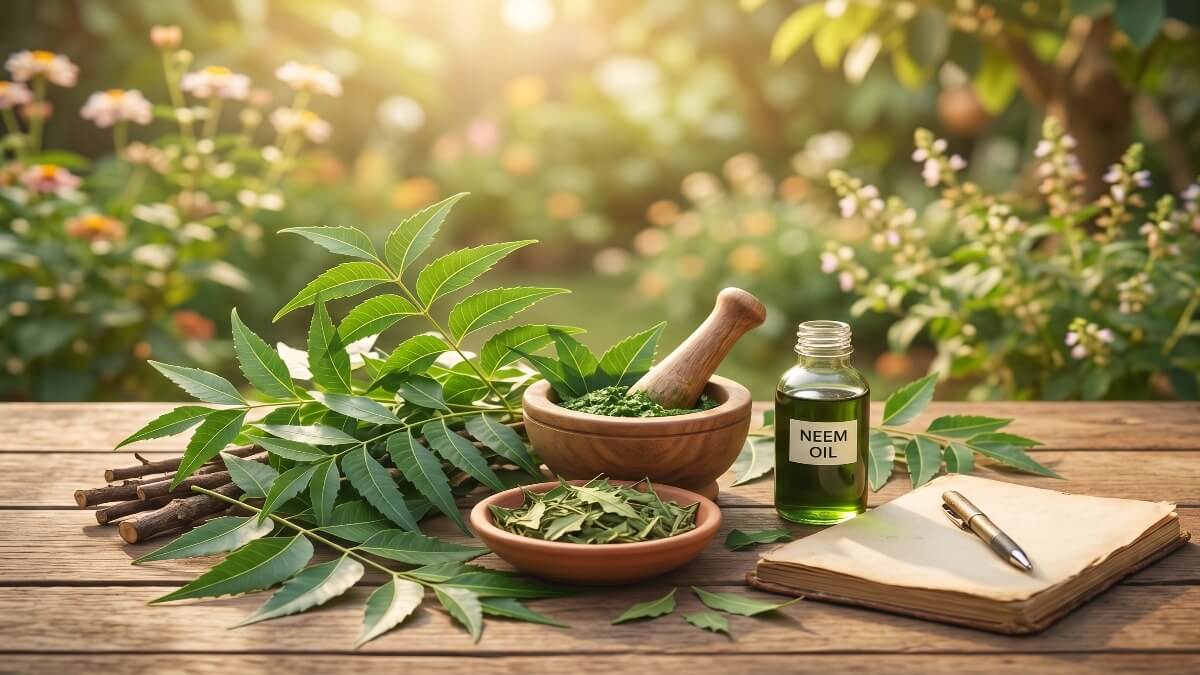
Neem leaves are a highly important part of the neem tree. These leaves are dark green and have slightly serrated edges. Although they taste quite bitter, their benefits are much sweeter than those of sweet fruits.
In rural Bengal, almost every house used to have a neem tree. People used these leaves as a tool for everyday general health protection. Today, modern science also recognizes the amazing power of these leaves. It is not just an ordinary leaf but a complete natural pharmacy.
The History and Traditional Importance of Neem
The history of Neem is very ancient and rich. The use of Neem has been practiced in the Indian subcontinent for over 4,000 years. In ancient Ayurveda, this tree was described as a cure-all or ‘Sarva Roga Nivarani’.
People in ancient times believed that sitting in the shade of a neem tree could cure many diseases. They used to hang neem leaves in their homes to destroy germs in the air. Besides, Neem was present in various festivals and religious ceremonies. This long history proves how deeply Neem is rooted in our culture.
Why Neem is Known as a Powerful Herbal Plant
Neem is a highly powerful herbal plant. Every part of it hides magical powers to fight diseases. Everything from leaves and branches to bark and roots benefits people.
This plant has strong antibacterial and antifungal properties. These elements play a direct role in destroying harmful germs. This is why Neem works so quickly to reduce infections and inflammation. Its medicinal properties are so vast that the World Health Organization (WHO) has also conducted extensive research on Neem. You can visit the World Health Organization website to learn more.
Understanding the Neem Tree
The neem tree is a wonderful creation of nature. It grows very fast and is long-lived. A fully grown tree can reach up to 15 to 20 meters tall.
The biggest feature of this tree is that it can survive well even in dry, harsh environments. Its branches spread far and wide, providing cool shade to the surrounding environment. The neem tree plays a massive role not only as a medicine but also in maintaining environmental balance.
Botanical Profile of Neem
In botanical terms, the scientific name of Neem is ‘Azadirachta indica’. It is an evergreen tree belonging to the Meliaceae (Mahogany) family.
Its scientific name comes from the Persian word ‘Azad Dirakht-i-Hind’, which means ‘the free tree of India’. Its leaves are compound, with many small leaflets attached to a single stem. Small white flowers bloom on this tree in the spring, spreading a sweet fragrance.
Neem Leaves, Bark, and Seeds
Every part of the neem tree is valuable. However, the leaves, bark, and seeds are the most used. The leaves are primarily used to treat skin and stomach problems.
On the other hand, the bark of the tree is highly effective for fever and toothaches. Neem oil is a special type of oil made from neem seeds. This oil works magically to remove dandruff and treat severe skin infections. Each part has a different chemical composition that solves different problems.
Where the Neem Tree is Typically Found
Neem is originally native to the Indian subcontinent. This tree grows abundantly in Bangladesh, India, Pakistan, and Nepal. The climate here is most suitable for neem growth.
However, news of its benefits has now spread worldwide. So neem trees are also widely cultivated in tropical regions such as Africa, the Middle East, and South America. It is no longer just a treasure of South Asia but a globally acclaimed international herb.
Nutritional and Phytochemical Profile of Neem Leaves
A rich storehouse of nutrients lies hidden behind the bitter taste of Neem. These leaves contain many chemical compounds that are key ingredients in modern medicines.
Neem leaves contain a lot of proteins, carbohydrates, and minerals. These help in the normal growth of our body. Additionally, the phytochemicals in it protect our cells from harmful elements.
Vitamins and Minerals
Neem leaves are an excellent source of various vitamins and minerals. It contains a high amount of Vitamin C. This vitamin helps to keep our skin beautiful and boosts the immune system.
In addition, calcium, phosphorus, and iron are found in neem leaves. These minerals strengthen our bones and help prevent anemia. Regularly consuming Neem in the right quantity largely addresses the body’s lack of essential nutrients.
Antioxidants and Bioactive Compounds
Harmful free radicals are constantly produced in our bodies. These damage cells and cause signs of aging to appear quickly. The powerful antioxidants in neem leaves destroy these free radicals.
Also, it contains plenty of bioactive compounds. These compounds work directly to reduce internal inflammation in the body. If you want long-term wellness, these antioxidants are very important. You can read an NCBI study on the antioxidant properties of Neem.
Nimbin, Azadirachtin, and Other Key Components
The two most effective components of Neem are nimbin and azadirachtin. Neem is such a powerful herb because of these two elements.
Nimbin primarily works to reduce pain and inflammation in the body. On the other hand, azadirachtin is one of nature’s best disinfectants. It is most effective in repelling insects and eliminating fungal infections. Besides, it contains an element called nimbidin, which helps heal stomach ulcers.
Traditional Herbal Ingredients
Neem has been viewed as an ideal herbal ingredient since ancient times. Long before modern laboratories were discovered, people knew their benefits.
In the old days, Neem was the first treatment for any skin disease or stomach ailment. Eating crushed neem leaves or applying them to the skin was part of the daily routine. These traditional wisdoms are being proven true again and again through modern research.
Health Benefits of Neem Leaves
It is difficult to count the health benefits of neem leaves. It works equally well inside and outside our bodies.
If you use Neem regularly and properly, you can avoid many serious diseases. It is as easily available as its effectiveness is unquestionable. Let’s learn about some of its main health benefits.
Helps Maintain Skin Health
The name neem comes first in skincare. It is the safest natural way to remove acne and rashes.
The antibacterial ingredients of Neem kill the bacteria responsible for acne. In addition, it controls the excess oil on the skin. If you use neem paste regularly, your skin will be spotless and glowing.
Can Help Purify and Detoxify the Body
Many toxic elements enter our bodies from our daily food and environment. Neem helps flush these toxic elements from the body.
It enhances the functionality of our liver and kidneys. Neem is unmatchable when it comes to purifying the blood. Chewing a few fresh neem leaves on an empty stomach in the morning completely purifies the blood.
Boosts Immune System Function
A strong immune system is very important for a healthy life. Neem leaves strengthen our immune system.
The vitamins and antioxidants in it increase the number of white blood cells. As a result, our bodies can easily fight off a common cold, cough, or fever. Drinking neem tea during the changing seasons is quite beneficial.
May Help Maintain Healthy Blood Sugar Levels
Neem is a blessing for patients with diabetes. It plays a great role in controlling blood glucose levels.
Certain chemical compounds in neem leaves enhance insulin effectiveness. Sudden spikes in blood sugar can be prevented by regularly consuming neem juice or powder. However, if you are taking diabetes medication, definitely consult a doctor before consuming Neem.
Helps Maintain Oral and Dental Health
The use of Neem in protecting oral health is hundreds of years old. Once upon a time, people used neem tree branches or twigs to brush their teeth.
Neem destroys harmful bacteria in the mouth and helps prevent gum disease. It also works great to remove bad breath. Nowadays, many toothpaste companies use neem extract in their products.
Contributes to Overall Good Health
The importance of Neem is immense, not just for specific diseases but for overall good health. It improves digestion and relieves constipation.
Also, the use of Neem has been shown to reduce mental stress and promote good sleep. Regular contact with Neem keeps the body fresh and vibrant from the inside. It also helps to increase your daily energy levels.
Neem Leaves and Skin Care: Traditional and Modern Uses
The use of Neem in skin care was once just a part of rural tradition. Grandmothers used to apply a paste of raw turmeric and Neem leaves to brighten the skin.
But today, Neem is an essential ingredient in the modern cosmetic industry as well. Neem is used in various products, including face washes, soaps, and lotions.Neem has now established itself as a luxurious ingredient in modern skincare routines.
Neem for Blood Sugar Control: What Traditional Uses Say
.Neem is mentioned in ancient Ayurvedic texts for controlling diabetes or ‘Madhumeha’. Traditional healers advised eating tender Neem leaves on an empty stomach in the morning.
They believed that the bitter taste of neem cuts through the excess sugar in the body. Modern science has also proven that Neem stimulates insulin secretion from the pancreas. This is a wonderful blend of traditional knowledge and modern science.
Neem in Ayurveda and Herbal Medicine Systems
Three main doshas are mentioned in Ayurveda. These are Vata, Pitta, and Kapha. Neem primarily helps calm the Pitta and Kapha doshas.
Any inflammation, fever, or skin disease is considered a Pitta imbalance. Neem eliminates this imbalance through its cooling and bitter qualities. Herbalists still talk about Neem as the primary medicine for various complex diseases.
How to Use Neem Leaves
Although Neem has many qualities, it is very important to know how to use it correctly. The desired results are not achieved if used incorrectly.
You can incorporate neem leaves into your routine in various ways. Some of its safe and effective methods are discussed below.
In Herbal Teas and Decoctions
Neem tea is a wonderful beverage. It is very easy to make and great for the body.
Boil a few clean neem leaves in a cup of boiling water for 5 minutes. Then strain the water and drink it warm. You can mix a little honey and lemon juice with it to reduce the bitter taste.
Application in Skin Care
Neem leaves can be used directly for skin problems. Wash the fresh leaves well and make a paste in a blender.
You can apply this paste directly to acne or allergy spots. Wash off with plain water after 15 to 20 minutes. You can mix rose water with it for better results.
In Traditional Remedies
Many traditional uses of Neem are still seen in rural areas. Dried neem leaves are burned to repel mosquitoes and insects.
In addition, water boiled with neem leaves is used for bathing to remove itching or heat rashes. These methods are completely natural and side-effect-free. You can easily try these at home.
As Natural Cleansers and Washes
Neem is an excellent natural alternative to chemical-laden cleansers. It goes deep into the skin and cleans the dirt.
Washing the face regularly with water boiled with neem leaves prevents clogged pores. It also works as a natural toner. You can use neem water even after removing daily makeup.
Popular Uses of Neem Leaves
There are many uses of Neem around us. These are very popular and trusted among people.
Let’s know how we use Neem the most in our daily lives.
Neem Water for Washing Skin
This is probably the most common use of Neem. Boil a handful of neem leaves in a bowl of water until the water turns green.
Turn off the stove when the water turns light green. Bathing in this cooled water quickly heals any skin infection. Especially during the rainy season, this neem water bath will save you from fungal infections.
Neem Tea
Neem tea is now quite popular among health-conscious people. It starts working from inside the body.
A cup of neem tea in the morning can keep you fresh all day. It accelerates metabolism or the digestive process. However, one should not drink more than one cup of neem tea a day.
Neem Paste for Skin Care
Neem paste can be made very easily. It can be made in two ways: with raw leaves or neem powder.
You can make a face pack by mixing a little yogurt and honey with neem powder. It maintains the skin’s moisture and removes acne. Using this pack twice a week brightens the skin.
Neem in Oral Hygiene Practices
Neem is an old friend in protecting teeth. Currently, toothpaste or powder containing Neem is quite well-known in the market.
If you want, you can make tooth powder at home by crushing dried neem leaves and mixing a little salt and mustard oil. It prevents tooth decay and strengthens gums. It is also very effective for bleeding gums.
Fresh Neem Leaves vs. Neem Powder vs. Neem Oil
All three forms of Neem are very popular in the market: fresh leaves, dry powder, and oil.
Each of these three elements has different characteristics and usage rules. It is important to choose the right one according to your needs. Their differences are highlighted in the table below.
Differences in Use
| Type of Element | Method of Use | Shelf Life |
| Fresh Neem Leaves | It can be eaten and applied directly by making a paste or juice. | A few days (if kept in the fridge). |
| Neem Powder | It can be mixed with water to make a face pack or tea. | A few months or more. |
| Neem Oil | It can be mixed with coconut or olive oil and applied to hair and skin. | More than a year. |
Effectiveness and Application
Fresh leaves are the most effective because all natural elements remain intact. It is best for eating or applying directly.
Neem powder is easy to store and is useful for making face packs anytime. On the other hand, neem oil is mainly used for dandruff, lice problems, and severe skin diseases. Since the oil is highly concentrated, it is forbidden to consume it directly.
Safety Considerations
Fresh leaves are generally safe for everyone. However, eating large quantities of raw leaves can cause stomach problems.
When buying neem powder, make sure it is completely pure. And never apply neem oil directly to the skin. It must always be mixed with another light oil (carrier oil).
Potential Side Effects and Precautions
Every herbal ingredient has some limitations. Even though Neem is very beneficial, it is not equally safe for everyone or at all times.
If the correct dosage and rules of use are not known, it can cause more harm than good. Therefore, it is essential to take some precautions before using Neem.
Overconsumption Risks
Neem is a powerful herb, so consuming it in excessive amounts can harm the body. Eating too much Neem puts pressure on the liver and kidneys.
It can cause an upset stomach or vomiting. According to experts, Neem should not be consumed regularly for more than two to three weeks. It is safe to take a break for a few days and start again.
Important Note: Always consult a specialist doctor before using any natural ingredient as a substitute for medicine.
Pregnancy and Sensitive Conditions
Pregnant women should never eat Neem. It can contract the uterus and increase the risk of miscarriage.
Also, those who are planning to have a child should avoid Neem. The use of Neem is also not safe for nursing mothers. Avoid feeding neem oil or neem juice directly to infants.
Allergic Reactions
Although Neem can help treat allergies, some people may be allergic to it. It is very rare, but not impossible.
Before applying neem paste or oil to the skin for the first time, test it on a small area. If it turns red or starts itching, you must understand that you are allergic to Neem. In that case, stop using it immediately.
Safe Usage Guidelines
To use Neem safely, always follow the correct dosage. Do not use more than 3-5 leaves to make tea.
Always dilute neem oil by mixing it with coconut or almond oil. If you have an old liver or kidney disease, do not eat Neem without a doctor’s permission. Awareness will play the biggest role in protecting your health.
How to Harvest and Store Neem Leaves
To get the right nutrition, it is important to choose the right leaves. There are many types of leaves on the tree, but their effectiveness is not the same.
Similarly, if you know how to store them, you can enjoy the benefits of Neem year-round.
Harvesting Fresh Leaves
Always choose the tender and bright green leaves of the tree. Avoid old, yellowed, or insect-eaten leaves.
It is best to collect leaves in the morning because the sap is higher in the cells of the leaves at this time. After tearing the leaves, wash them with clean water to clean the dust attached to them.
Drying and Storing Neem
If you want, you can dry neem leaves and store them at home. Wash the leaves and wipe them with a cotton cloth.
Then dry them in the shade without exposing them to direct sunlight. Drying in the sun destroys the leaves’ nutritional value. Once the leaves are completely crisp, crush them by hand or blend them in a blender.
Proper Storage Tips
Always keep neem powder in a clean and dry glass jar. Keep the jar in a place where direct sunlight does not reach.
It must be airtight; otherwise, the powder may become damp and spoil. Pick up the powder using a clean spoon. Kept this way, it will last up to a few months.
Frequently Asked Questions About Neem Leaves
Can Neem be used every day?
Yes, you can use neem water or a light face pack daily for skin care. However, a little caution is needed when eating it every day. After eating for a few weeks in a row, it is good to take a break for a few days.
Is Neem safe to use on the skin?
For most people, using Neem on the skin is completely safe. It works wonderfully to remove acne and rashes. However, if you have overly sensitive skin, it is wise to do a patch test first.
What is the best way to use neem leaves?
It depends on what kind of benefit you are looking for. Chewing tender leaves on an empty stomach in the morning is the best way to purify the blood. Applying a paste of fresh leaves is most effective for removing skin blemishes.
Neem in Global Herbal Traditions
The fame of Neem is no longer confined to the borders of our country. Its amazing qualities have surprised the people of the world.
There is now a massive demand for Neem in Western countries. They have begun their modern use by establishing their scientific basis.
Neem in Ayurveda
Neem is one of the main foundations of Ayurveda. Ancient texts such as the Charaka Samhita and the Sushruta Samhita mention countless uses of Neem.
Neem is described as a blood purifier and a powerful antibacterial agent. Even today, neem extract is widely used in the making of Ayurvedic medicines.
Neem in South Asian Traditional Medicine
In the villages of Bangladesh and India, Neem is known as a family doctor. From cuts to stomach ailments, Neem is called upon in a variety of cases.
When someone has pox, it is customary to lay neem leaves on the patient’s bed. These traditions are basically the initial form of science-based health awareness. People have learned these things through experience.
Growing Global Interest in Neem
Currently, scientists in Europe and America are conducting extensive research on Neem. They are encouraging the use of neem oil as an alternative to harmful chemical pesticides in agriculture.
Also, various cosmetic and pharmaceutical companies are working on neem patents. This proves that the future prospects of Neem are very bright and global.
Final Thoughts on Neem Leaves
Nature has given us everything we need to stay healthy. We just need to recognize them and know how to use them correctly.
Neem leaves are exactly such an invaluable natural gift. Its versatile use can make our lives much easier and healthier.
Key Takeaways
We learned that Neem is not just an ordinary tree; it is a natural dispensary. Its leaves, bark, and oil can provide solutions to various problems of our body and skin.
However, its excessive use can cause some side effects. Therefore, it should be used in moderate amounts in accordance with the correct rules. Special care must be taken in the case of pregnant women and children.
Why Neem Remains a Powerful Herbal Plant
Even after thousands of years, the appeal of Neem has not diminished. Because its properties are difficult to create artificially in a laboratory.
The antioxidants and bioactive compounds inside it directly increase our body’s immunity. The more modern science advances, the more new benefits of Neem are discovered.
Safe and Practical Ways to Incorporate Neem into Your Daily Wellness Routine
It is very easy to incorporate Neem into your daily life. You can drink neem tea twice a week.
Boiling a few neem leaves in bathwater and using the water is a great habit. In addition, apply a neem face pack at least once a week instead of chemical-laden cosmetics to protect the skin. These small changes will play a huge role in protecting your long-term health. Stay healthy, stay close to nature.