Cloves: Benefits, Uses, and Nutrition Guide
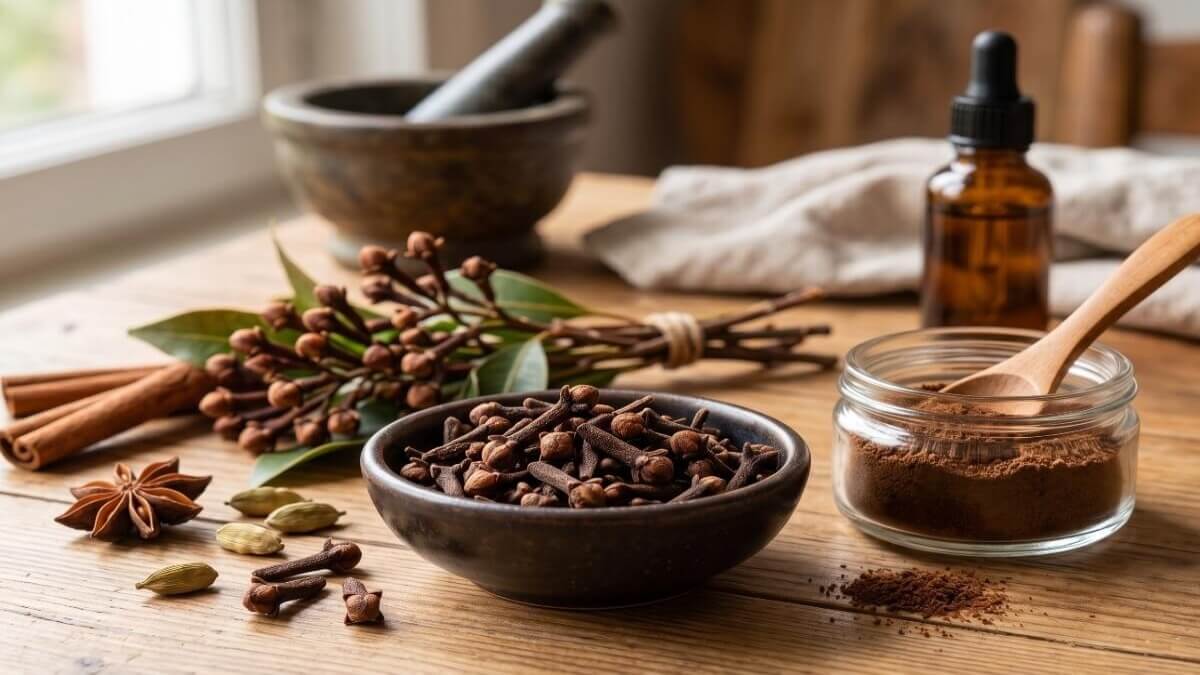
Cloves are a very familiar spice in our kitchens. Their strong aroma and excellent taste make any dish appealing. For ages, people have used cloves not just for flavor but for their medicinal properties. Many health benefits hide inside this small spice.
Today, we will discuss cloves in detail. You will learn about their nutritional value and proper uses. Let us enter the wonderful world of cloves.
What Are Cloves?
Cloves are the dried flower buds of the Syzygium aromaticum tree. This evergreen tree belongs to the Myrtaceae family. A clove looks like a small nail. It is dark brown or black.
The taste is quite strong and slightly sweet. It adds a warm and bold flavor to food. Using just a little clove changes the taste of an entire meal. Besides cooking, manufacturers use clove oil in various medicines and cosmetics.
History and Origin of Cloves
Cloves originated in the Maluku Islands of Indonesia. People once called these islands the Spice Islands. Cloves have been a highly valuable spice since ancient times.
Historians say China used cloves as early as 200 BC. During the Han Dynasty, courtiers kept cloves in their mouths before meeting the emperor. This practice removed their bad breath. Later, Arab and Persian traders brought cloves to Europe. During the Middle Ages, cloves cost more than gold in European markets.
Why Cloves Are Considered a Powerful Aromatic Spice
The volatile oil in cloves gives them their strong aroma. The main component of this oil is eugenol. Eugenol provides a distinct and sharp scent.
Cloves create an amazing fragrance when mixed with other spices. The aroma spreads quickly in the air during cooking. The fragrance industry and aromatherapists widely use clove extract. It helps calm the mind and reduce stress.
Nutritional Profile of Cloves
Cloves have immense nutritional value despite their small size. They contain many essential vitamins and minerals. Adding a little clove to your daily diet offers great health benefits.
Calories and Macronutrients
Cloves contain very few calories. One teaspoon (about 2 grams) of ground cloves has only 6 calories. You get about 1 gram of carbohydrates and 1 gram of fiber from it.
Fiber is very important for our digestion. Cloves do not contain any harmful fat or cholesterol. This spice is an excellent ingredient for people trying to lose weight. It enhances flavor without adding extra calories.
Vitamins and Essential Minerals
Cloves are an excellent source of manganese. One teaspoon provides about 30% of your daily manganese needs. Manganese helps maintain brain function and build strong bones.
Cloves also contain vitamin K and vitamin C. Vitamin C boosts your immune system. Vitamin K helps your blood clot properly. You can also find small amounts of calcium and magnesium in this spice.
Eugenol and Active Plant Compounds
The most important active compound in cloves is eugenol. It accounts for about 70-90% of the volatile oil in cloves. Eugenol is a powerful natural antioxidant.
This compound gives cloves their medicinal properties. Eugenol works perfectly to relieve pain and kill germs. Scientific studies show that eugenol effectively reduces harmful free radicals in the human body.
Antioxidants and Phytochemicals
Antioxidants are essential to protect our bodies from various diseases. Cloves act as a powerhouse of antioxidants. They contain another important antioxidant called gallic acid.
These phytochemicals protect your body cells from oxidative stress. Eating antioxidant-rich foods regularly lowers the risk of chronic diseases. Health experts note that cloves can act as a more effective antioxidant than many common fruits.
Top Health Benefits of Cloves
Cloves do more than just make food taste better. They also help keep your body healthy. Let us discuss the main health benefits below.
Helps Maintain Oral Health and Fresh Breath
Cloves work wonders for your teeth and gums. Their antimicrobial properties destroy harmful mouth bacteria. Using clove oil is a well-known old-home remedy for toothaches.
It helps prevent gum inflammation and tooth decay. Chewing a clove removes bad breath and keeps your mouth fresh. Many popular toothpastes and mouthwashes contain clove extract.
Packed with Antioxidants
An increase in free radicals damages your cells. This damage can lead to serious conditions like cancer and heart disease. The antioxidants in cloves destroy these free radicals.
Vitamin C and eugenol work together to reduce oxidative stress. Eating a little clove every day keeps your cells safe. This habit also helps prevent premature aging.
May Aid in Digestion
Cloves are highly effective at solving digestive issues. They increase gastric juice secretion. This helps your body digest food quickly and easily.
Cloves help reduce gas, nausea, and bloating. The fiber in cloves helps eliminate constipation. Drinking a cup of clove tea brings fast relief from common indigestion.
Helps Boost the Immune System
Keeping your immune system strong is very important. Cloves help increase white blood cell production. White blood cells fight off harmful infections and viruses.
The vitamin C in cloves makes your immune system even stronger. Eating cloves during a cold, cough, or fever helps you recover much faster.
May Help Reduce Inflammation
Inflammation is the root cause of many chronic diseases. The eugenol in cloves acts as a powerful anti-inflammatory agent. It reduces inflammation and pain in various parts of the body.
Massaging clove oil brings great relief to arthritis or joint pain. Eating cloves regularly helps keep internal inflammation under strict control.
May Help Balance Blood Sugar Levels
Cloves can be a highly beneficial spice for patients with diabetes. Some studies show that clove compounds improve insulin function.
This improvement helps transport glucose from your blood into your cells. Consequently, your blood sugar levels remain stable. Adding cloves to a healthy diet makes diabetes management easier.
Cloves and Oral Health: Why It Is So Well-Known
We have all heard about using cloves for toothaches. Cloves possess strong pain-relieving properties. Placing a clove in your mouth temporarily numbs the affected tooth or gum.
It prevents dental plaque from forming on your enamel. Many dentists still use eugenol to reduce temporary pain during dental procedures. Cloves also help stop bleeding gums effectively. They offer a natural solution for maintaining overall oral health.
Eugenol Explained: The Key Compound in Cloves
Eugenol is a powerful natural chemical compound. You can find it in cloves, cinnamon, and holy basil. However, cloves contain the highest concentration of it.
Eugenol gives cloves their antifungal and antibacterial qualities. It can completely stop the growth of harmful microorganisms. Medical science places great importance on eugenol. Since pure eugenol is very strong, you should mix it with a carrier oil before applying it to your skin.
Cloves in Traditional Medicine and Ayurveda
Ayurveda uses cloves extensively. Ayurvedic practitioners call it “Lavangam.” It helps soothe Kapha and Vata doshas in the body.
Traditional Chinese Medicine uses cloves to warm the stomach and boost overall digestion. People have used cloves to treat asthma and breathing issues since ancient times. Traditional healers mixed cloves with other potent herbs for their patients. It keeps the body warm and significantly boosts vitality.
How to Use Cloves in Cooking
You can use cloves in a wide variety of ways in cooking. You can add them to both sweet and savory dishes. Here are a few ways to use cloves in your kitchen.
In Curries and Rice Dishes
Cloves are an essential ingredient in Indian and Bangladeshi curries. They bring an excellent flavor to beef, mutton, or chicken dishes.
Dropping a few whole cloves into hot oil while making pulao or biryani spreads a wonderful aroma. This technique makes rice dishes much more delicious. Cloves pair perfectly with other spices to create a deep, rich flavor profile.
In Baking and Desserts
Ground cloves are very popular in European baking traditions. Bakers use cloves in gingerbread, pumpkin pie, and heavy fruitcakes.
The flavor pairs perfectly with baked apple and pear desserts. A little ground clove gives any sweet dish a distinctly warm flavor.
In Herbal Teas and Infusions
Herbal tea made with cloves is extremely healthy. Boiling a few cloves in your tea releases a beautiful, calming scent.
This clove tea works like magic for winter colds or sore throats. Many people mix ginger, cardamom, and cloves to make a healthy spiced tea. Drinking a clove infusion with lemon and honey easily removes body fatigue.
As a Spice in Marinades and Sauces
You can use cloves when marinating heavy meats. It helps tenderize the meat fibers and removes any raw-animal odor.
Many commercial barbecue sauces and ketchups feature cloves. The spice gives the sauce a sharp and pungent taste. Adding a little clove to homemade tomato sauce deepens the flavor.
Popular Recipes Using Cloves
You can easily make delicious, healthy recipes with cloves. Here are a few popular options.
Spiced Tea
Making spiced tea is very simple. Boil two cups of water with a few cloves, cardamom, cinnamon, and chopped ginger. Once the water is reduced to 1 cup, add the tea leaves. Then mix in milk and sugar to your liking and serve hot. This tea is extremely comforting during cold winter mornings.
Biryani and Pulao Dishes
Use whole cloves when tempering spices for any pulao or biryani. Adding two or three cloves while frying the rice creates a beautiful fragrance. Do not use too many cloves, as an excess can make the food taste bitter.
Clove-Infused Herbal Drink
This is a great morning drink for an empty stomach. Soak two cloves in a glass of warm water overnight. Warm that water slightly the next morning, mix in a little raw honey, and drink it. This simple habit helps detoxify your entire body.
Traditional Meat Curry
You can use clove paste with onions and garlic while sautéing meat. Grinding cloves into your garam masala and adding it to the meat gravy creates an amazing taste. It also helps your stomach digest the rich animal fat.
Whole Cloves vs. Ground Cloves: Key Differences
You can find both whole and ground cloves in the market. Whole cloves stay fresh for a very long time. The natural oil inside them does not dry out easily.
On the other hand, ground cloves lose their strong aroma very quickly. It is best to buy whole cloves and grind them at home as needed. Cooks mostly use whole cloves in gravies and rice dishes. Ground cloves are much more common in baking and sweet desserts.
Cloves vs. Cinnamon: Flavor and Health Comparison
Cloves and cinnamon are both extremely popular household spices.Cloves have a sharp and somewhat pungent taste. Cinnamon delivers a sweet and woody flavor.
Health-wise, both spices are full of powerful antioxidants. People know cloves primarily for rapid toothache relief and digestive benefits. Cinnamon works exceptionally well to control blood sugar levels. Using these two spices together creates an unmatched flavor experience in food.
Potential Side Effects and Precautions
Eating cloves in moderation is completely safe. However, excessive use can cause some harmful side effects.
Risks of Overconsumption
Consuming too many cloves can damage your liver over time. High amounts of eugenol entering the body can cause severe toxicity. You must be extremely careful when using clove oil on small children. Eating too many raw cloves can cause a burning sensation in the stomach.
Potential Allergic Reactions
Some people might develop an allergy to cloves. Eating cloves or applying clove oil to the skin might cause a rash or intense itching. If you notice any of these signs, stop using it immediately and consult a doctor.
Who Should Exercise Caution?
Pregnant and breastfeeding mothers should consult a doctor before consuming cloves. Cloves can act as a natural blood thinner. People with bleeding disorders must avoid them completely. It is best to stop eating cloves at least two weeks before undergoing any surgery.
How to Choose High-Quality Cloves
There are simple ways to identify good-quality cloves. High-quality cloves have a rich, dark brown color. The round bud on top must remain intact.
A simple test to check quality is the water float test. Drop a clove into a glass of clean water. If the clove floats vertically or sinks, it is of excellent quality. ..If it floats horizontally, the internal oil has dried up, and the quality is poor. If you press a clove with your fingernail and a little oil seeps, you have the freshest spice.
Proper Storage Tips for Maximum Freshness and Aroma
Storing cloves correctly is quite easy. You should always keep them in an airtight glass container. Storing them in plastic containers might destroy their natural aroma.
Place the clove container in a cool, dark place away from direct sunlight. Do not keep cloves in hot areas near the kitchen stove. Whole cloves keep for up to a year when stored properly. Ground cloves usually keep their best flavor for only three to four months.
Frequently Asked Questions About Cloves
Can you use cloves every day?
Yes, you can eat cloves in moderation every single day. Chewing one or two cloves, or mixing them into your daily tea, is safe and beneficial for your health.
Are cloves good for digestion?
Absolutely. Cloves increase the regular production of digestive juices. This function helps reduce gastritis and bloating, which makes the entire digestive process easier.
What is the best way to use cloves in tea?
Drop one or two lightly crushed cloves into boiling water. Let the water boil for three to four minutes before adding the tea leaves. This method infuses the full extract and aroma of the cloves right into your tea.
Cloves in Cuisines Around the World
Cloves are not limited to Asian kitchens. They hold a special place in regional cuisines all over the world.
Use in Indian Cuisine
“Garam masala” is an essential ingredient across the Indian subcontinent. Cloves form a main part of this famous spice blend. Cooks use cloves widely in various kormas, curries, and rich tandoori dishes.
Use in Middle Eastern Food
The Middle East boasts a famous spice blend called “Baharat.” Cloves serve as a crucial ingredient in it. Middle Eastern chefs use this spice in various traditional meat and rice-based dishes.
Use in European Baking and Spicing
In Europe, people mostly feature cloves in sweet dishes and baked goods. They use cloves to make “mulled wine” or spiced hot wine during the Christmas season. Furthermore, classic gingerbread cookies do not have their authentic taste without a touch of cloves.
Final Thoughts on Cloves
Cloves represent an extraordinary ingredient in our daily lives. This small spice acts as a perfect blend of robust health and bold flavor.
Key Takeaways
Cloves are much more than an aromatic kitchen spice. They provide a great source of antioxidants and essential daily minerals. They maintain excellent oral health, aid smooth digestion, and strengthen the body’s immune system.
Why Cloves Offer Many Benefits Despite Being a Small Spice
Despite their tiny size, cloves contain powerful compounds such as eugenol. This compound naturally relieves pain and drastically reduces inflammation. Modern medical science also completely supports these traditional health benefits.
Simple Ways to Add Cloves to Your Daily Diet
Start adding cloves to your diet today. You can start your morning with a fresh cup of clove tea. Add a few whole cloves to your stews and curries while cooking. This simple step makes your food delicious and helps you stay healthy. Using cloves in the right amount can become a fantastic health habit for your entire family.