The Ultimate Guide to Panch Phoron: The Bengali Five Spice Blend Explained
What is Panch Phoron?
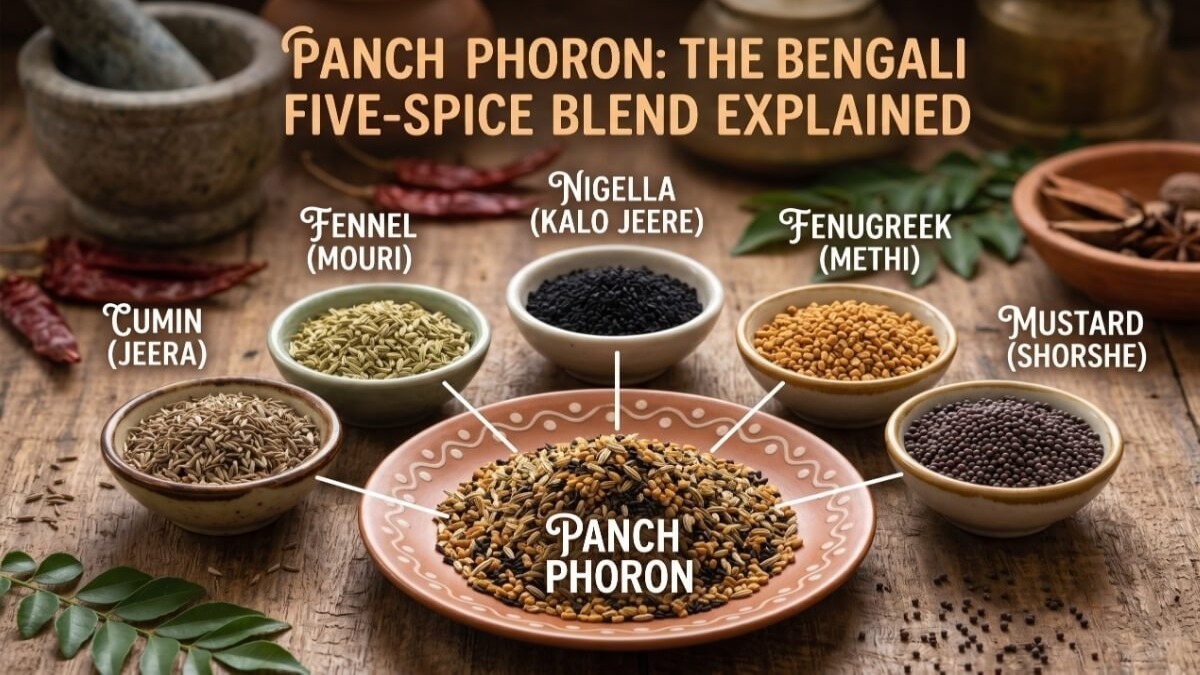
Panch Phoron is a wonderful blend of five completely different spices. It is an integral part of Bengali and Eastern Indian cooking. Unlike many other spices, cooks do not use it in powdered form. Its main characteristic is the use of whole seeds.
You add this spice to hot oil or ghee as a tempering at the beginning of cooking. The seeds start popping as soon as they hit the hot oil. Then the surrounding air fills with a wonderful aroma. It completely transforms the taste of the food.
A Bengali kitchen is almost incomplete without this special blend. You will see its use in everything from dal to any vegetarian curry. It creates a perfect balance of sweet and pungent flavors in food.
Origin and Cultural Significance of Panch Phoron in Bengali Cuisine
The history of Bengali cuisine is very ancient and diverse. The soil and climate of Bengal are ideal for growing a variety of spices. Since ancient times, Bengalis have known the art of enhancing the aroma and health benefits of food. Panch Phoron is a unique product of that ancient knowledge.
In Bengali culture, the taste of food is not just about filling the stomach. It is like a festival. Panch Phoron occupies a special place in every festival and in daily life. Its relationship with mustard oil is very close. Tempering these five spices in hot mustard oil bears the signature of classic Bengali cooking.
The use of this spice has spread from generation to generation through the hands of mothers and grandmothers. Even today, its value has not diminished in modern kitchens. It not only enhances the taste but also highlights a deep part of our culture. Learn more about Panch Phoron from Wikipedia.
Why Panch Phoron is a Unique Spice Blend in Indian Cooking
Indian cooking is famous worldwide for its use of spices. Cooks usually use blends like garam masala, chaat masala, or curry powder in a powdered form. But Panch Phoron does not follow this rule. People always use it in its whole form.
The uniqueness of this blend lies in its ingredients. No single spice covers the taste of another. Instead, each seed reveals its own distinct flavor in hot oil. You can feel the separate texture and taste of each seed when you eat.
Other Indian spice blends usually have a dominance of coriander or black pepper. But a strange combination of sweet, bitter, and pungent flavors occurs in this five-spice blend. It provides a refreshing feeling without making the food heavy.
What Spices Make Up Panch Phoron?
This magical blend consists of five highly potent and aromatic seeds. A detailed discussion of each ingredient is provided below.
Fenugreek Seeds
Fenugreek seeds are small and golden brown. Their taste is slightly bitter. However, this bitterness diminishes after frying in hot oil, and they release a deep, sweet aroma.
It adds an earthy flavor to the curry. Keeping the right amount of fenugreek is extremely important. Extra fenugreek can make the food too bitter. It is one of the main foundations of the blend.
Cumin Seeds
You can find cumin in almost every Indian kitchen. Its taste is slightly sharp and earthy. It works great to balance the flavors of the food.
Cumin begins releasing its aroma very quickly when it is added to hot oil. It adds a familiar and comforting taste to Panch Phoron. It soothes the taste of other strong spices.
Black Mustard Seeds
Although black mustard seeds are small, their taste is very strong and pungent. The main attraction of Bengali cooking is this mustard pungency.
The mustard seed releases its intense internal aroma as it pops in oil. It gives the food a strange sharpness. The contrast of its pungent taste with other sweet spices makes the food appealing.
Nigella Seeds
Nigella seeds are small and coal-black. Their taste is somewhat like onion and black pepper. It adds a mild spiciness and sweet aroma to the cooking.
Nigella gives a different texture to the food. It also looks very beautiful inside the curry. Besides its taste, it has numerous medicinal properties.
Fennel Seeds
Although fennel seeds look somewhat like cumin, they are light green. Their taste is sweet and much like licorice. It brings a fresh and cooling sensation to the entire blend.
Fennel balances the taste of other strong spices. It leaves a sweet feeling in the mouth at the end of the meal. The contribution of fennel to the aroma of Panch Phoron is undeniable.
Nutritional Value of Panch Phoron
These five spices do not just enhance the taste. They are also a huge storehouse of nutrition. Their nutritional values are discussed below.
Calories and Macronutrients
The calorie count in Panch Phoron is very low. You get only a few calories in one teaspoon of the blend. So you can safely use it even on a weight-loss diet.
It contains a small amount of protein and healthy fats. The amount of fiber is quite good. This fiber is very beneficial for our bodies.
Antioxidants and Bioactive Compounds
Every seed contains a large amount of antioxidants. These help destroy harmful free radicals in our bodies.
Nigella contains a powerful compound called thymoquinone. Fenugreek contains saponins. These bioactive compounds protect the body from various diseases. They are highly effective in boosting immunity.
Essential Oils and Nutrients from Each Seed
The natural essential oils present in spices are the primary source of their aroma. Cumin contains a component called cuminaldehyde. Fennel contains anethole.
We also get minerals like iron, calcium, and magnesium from this blend. Fenugreek contains a lot of iron. Fennel is a good source of potassium. These minerals are essential for a healthy body.
Health Benefits of Panch Phoron
Using this blend in daily cooking provides many health benefits. According to Healthline, the health benefits of spices are plentiful.
Helps Boost Digestion
People know that every ingredient in this blend is a digestive aid. Fennel and cumin regulate stomach acid secretion.
These spices help relieve stomach discomfort after heavy meals. Fenugreek plays a significant role in addressing gastric problems. It also helps relieve constipation with regular use.
Rich in Antioxidants
Pollution and stress constantly damage our bodies. The antioxidants in Panch Phoron save cells from this damage.
Black mustard and nigella are sources of powerful antioxidants. They help flush out toxic substances from inside the body. As a result, the skin and hair remain healthy.
May Help Improve Metabolism
Cumin seeds work wonderfully to increase metabolic rate. Extra fat cannot accumulate in the body if the metabolic rate is good.
Fenugreek seeds keep blood sugar levels in check. It improves insulin efficiency in the body. As a result, the energy production process speeds up.
Helps Maintain Heart Health
Nigella and fenugreek help reduce bad cholesterol. Bad cholesterol is a major cause of heart disease.
The fiber and healthy fats in these spices keep the blood vessels clean. Eating food with this spice in moderation regularly keeps the heart healthy. The potassium in fennel also plays a special role in controlling blood pressure.
May Help Reduce Inflammation
Internal inflammation is the cause of many chronic diseases. Nigella and cumin have anti-inflammatory properties.
They work to reduce joint pain or muscle pain. Regularly eating food with this spice tempering reduces internal swelling. It acts as a natural painkiller.
Helps Maintain Overall Well-being
Panch Phoron builds immunity in our bodies. It helps keep us away from colds, coughs, and seasonal fevers.
Its nutrients strengthen the body from the inside. A pinch of Panch Phoron in daily food can be a big key to our overall well-being.
Panch Phoron and Digestion: Why It Works So Well
Digestive problems have become a big part of modern life. Panch Phoron is a great natural solution to this problem. All five spices in this blend increase the secretion of digestive juices.
When food reaches the stomach, cumin and fennel signal the body to produce enzymes. As a result, food digests very quickly and easily. The fiber in fenugreek helps maintain normal bowel movements.
Also, black mustard stimulates metabolism. Because of this combined process, gas does not form in the stomach, even if you eat heavy or oily food. This spice is unmatched in preventing bloating.
Traditional Ayurvedic Perspective on Panch Phoron
In Ayurvedic science, people consider spices equivalent to medicine. Panch Phoron is highly effective in calming the three doshas (Vata, Pitta, Kapha) of Ayurveda.
According to Ayurveda, fenugreek reduces Vata or joint pain. Fennel and cumin help remove Pitta, or excess heat, from the body. Black mustard and nigella remove Kapha and keep the respiratory tract clean.
This blend maintains the balance of body temperature. Ayurvedic doctors often recommend taking such whole spice blends with food to improve digestion.
Ways to Use Panch Phoron in Cooking
You cannot get its real taste if you do not use this spice correctly. The correct rules of use are discussed below.
Tempering (Tadka) in Bengali Cooking
The main method of Bengali cooking is tempering. You have to heat oil or ghee well in a pan. Then you drop the whole Panch Phoron into the oil.
The spices start to pop within a few seconds. A wonderful aroma comes out at this time. You must keep a close eye so the spices do not burn and turn black. After this, you pour the vegetables or dal into the oil.
In Dal and Vegetable Curries
Panch Phoron tempering tastes like nectar in red lentil (masoor dal) or split Bengal gram (chana dal). After boiling the dal, you prepare this tempering by heating oil in a separate pan.
It suits vegetarian dishes like pumpkin, eggplant, or potato curries perfectly. It completely changes the normal taste of vegetables. Curries with Panch Phoron do not require many powdered spices.
In Pickles and Chutneys
The use of this spice is essential in Bengali mango pickles or tomato chutneys. Cooks add Panch Phoron to the oil at the beginning of making chutney.
Sometimes people dry-roast this blend, powder it, and sprinkle it over pickles. This multiplies the aroma of the pickle. Its salty and pungent taste creates a great contrast in sweet chutneys.
In Fried and Stir-Fried Dishes
You can use this spice in making any simple fried dish. Adding a little Panch Phoron to the oil for frying eggplant or pointed gourd greatly enhances the taste.
It sticks to the outer part of the fried food and gives a crunchy texture. The spice grains burst in the mouth and spread a wonderful taste.
Popular Recipes Using Panch Phoron
You can prepare many wonderful dishes with this unique spice. Here are a few popular recipes.
Shukto (Bengali Mixed Vegetable Curry)
Shukto is a traditional Bengali dish that people usually eat at the beginning of lunch. It contains vegetables like bitter gourd, drumsticks, raw banana, and papaya.
The main taste of Shukto comes from the tempering of radhuni (wild celery seeds) and Panch Phoron. This tempering wonderfully blends the bitter and sweet tastes of Shukto.
Aloo Posto with Panch Phoron
Aloo Posto is another favorite dish of Bengalis. Cooks usually temper this potato-and-poppy-seed paste curry with nigella seeds.
However, many people like to use Panch Phoron in Aloo Posto. It adds a beautiful aroma to the creamy texture of the poppy seeds.
Bengali Dal Tempering
This tempering can give a royal taste to any ordinary dal. You boil masoor dal and mix it with turmeric and salt.
Then you fry dried red chilies, bay leaves, and Panch Phoron in mustard oil, and pour the oil into the dal. This simple process completely changes the taste of the dal.
Vegetable Kadai (Curry)
You will see this spice used most in cooking mixed vegetable curries. Cooks chop vegetables like pumpkin, potato, pointed gourd, and eggplant together.
They sauté the vegetables in hot oil with Panch Phoron. This preserves the vegetables’ natural flavor and spreads the spice’s beautiful aroma throughout the curry.
Panch Phoron vs. Garam Masala: Key Differences
Many people do not understand the difference between Panch Phoron and Garam Masala. Garam Masala contains cardamom, cinnamon, cloves, and black pepper.
Cooks usually sprinkle Garam Masala as a powder at the end of cooking. It gives the food a strong, warm aroma. People use Garam Masala more in meat or heavy dishes.
On the other hand, cooks use Panch Phoron as a tempering in oil at the beginning of cooking. It keeps the food’s flavor fresh and usually fits better in vegetarian dishes.
Whole Spice Blends vs. Ground Spice Blends
The impact of using whole versus powdered spices in cooking is completely different. When you fry whole spices in oil, their inner oils release slowly.
This retains the food’s aroma for a long time. Tempering whole spices does not mask the main taste of the food. It creates a texture.
Powdered spices mix with the curry very quickly. They help to thicken the broth or gravy. However, excessive use of powdered spices can destroy the food’s authentic taste.
How to Make Panch Phoron at Home
Making this spice at home is much healthier and more aromatic than buying it from the market. It is extremely easy to make.
Correct Ratio of Each Spice
Usually, you mix all five spices in equal proportions. You can take one tablespoon of each spice if you want.
However, many people dislike the bitter taste of fenugreek. In that case, you can reduce the amount of fenugreek by half. You can slightly increase the amount of fennel if you like its sweet smell.
Mixing and Storing Tips
You must thoroughly clean all the spices. Pick out and throw away any dust or stones.
Then mix the spices well in a dry bowl. Store this in an airtight glass jar. Storing it in a glass jar preserves the spice’s aroma for a long time.
Roasted vs. Raw Use
You have to store this blend in its raw state. You fry it in hot oil just before cooking.
However, for pickles, you can lightly roast them in a dry pan and grind them into a powder. While roasting, you must be careful that it does not burn. You should take it off the heat as soon as a light aroma comes out.
Potential Side Effects and Precautions
As with any natural ingredient, you need to take some precautions. Not everyone’s body can tolerate spices in the same way.
Excessive Spice Consumption
It is not right to use this spice in large quantities in food. Excessive use can make the food bitter.
Also, eating too much fenugreek and nigella can cause stomach discomfort. Using one or two teaspoons a day is completely safe.
Digestive Sensitivities
Many people may have allergies to specific spices. People are especially sensitive to mustard seeds.
If you experience stomach pain or acidity after eating the spice, reduce your intake. Consult a doctor if necessary.
Who Should Exercise Caution
Pregnant women should not eat fenugreek seeds in large amounts. It can cause uterine contractions.
Also, those with very low blood sugar levels should be careful. Fenugreek can lower blood sugar rapidly. You should give a very small amount of this spice to young children’s food.
How to Store Panch Phoron Properly
The spice’s aroma is lost due to improper storage. You should always keep it in a clean, completely dry, airtight container.
Using a glass jar is preferable to a plastic container. Keep it away from direct sunlight and the heat of the stove. Fungus can grow on the spice if you keep it in a damp place. You should never put a wet spoon into the spice container.
How to Choose High-Quality Spices for Panch Phoron
Buying good seeds is essential to getting a high-quality blend. Buying packaged spices is safer than buying loose spices from the market.
The seeds should look clean and bright in color. Avoid old or discolored seeds. Make sure the nigella and mustard seeds are equal in size. If possible, buy each spice separately and mix them at home.
Frequently Asked Questions About Panch Phoron
Can you use Panch Phoron every day?
Yes, you can safely use it in your daily cooking. Its moderate use is extremely beneficial for health. It adds necessary fiber and antioxidants to daily food.
Is Panch Phoron spicy or mild?
This blend is not spicy at all. It is a combination of sweet, bitter, and wonderful aromas. If you want a spicy taste, add green or dried chilies separately while cooking.
What is the best way to use Panch Phoron in cooking?
Its best use is as a tempering in hot oil. Fry it for a few seconds in hot mustard oil or ghee right at the beginning of cooking. You will know the tempering is ready when the seeds start popping.
Final Thoughts on Panch Phoron
The contribution of this spice to Bengali cuisine is unparalleled. It is not just a spice; it is an integral part of Bengali heritage.
Key Takeaways
Panch Phoron is a magical blend of five distinct ingredients. Together, cumin, fennel, fenugreek, nigella, and black mustard create this wonderful taste. It boosts digestion and keeps the body healthy.
Why Panch Phoron is Essential in Bengali Cooking
You cannot even imagine Bengali vegetarian cooking without this tempering. It gives an extraordinary dimension to simple vegetables or dal. Its aroma is a familiar and comforting feeling in a Bengali kitchen.
Easy Ways to Add This Aromatic Blend to Daily Meals
You can easily add it to your daily meals. Drop a pinch of Panch Phoron in oil at the beginning of cooking any simple dal or vegetable. Your boring daily food will instantly become delicious and healthy. Include this extraordinary spice in your kitchen today.