Gurh (Jaggery): Benefits, Uses, and Nutrition Guide
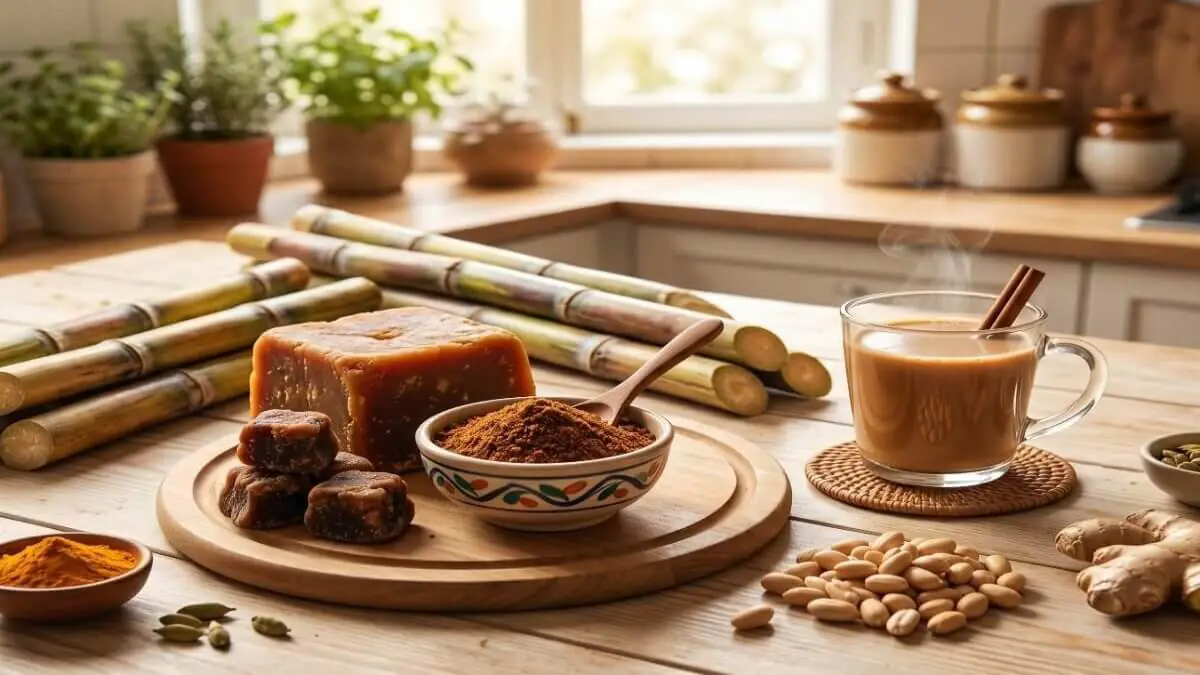
We all love a little sweetness in our meals. However, with growing health awareness today, many people are trying to avoid white sugar. This is exactly where jaggery steps in as a wonderful and healthy alternative.
Nothing compares to jaggery when it comes to bringing a sweet touch to our daily food. It not only enhances the taste but also provides our bodies with a variety of essential nutrients. In this comprehensive guide, we will explore everything you need to know about jaggery. We will discuss how it is made, its key benefits, and how it can easily become a part of your daily lifestyle.
What is Jaggery?
Jaggery is an unrefined natural sweetener. It is widely produced and consumed in various countries across Asia and Africa. When producing regular white sugar, sugarcane juice undergoes numerous chemical processes and extensive refining.
This does not happen during the production of jaggery. It is made entirely naturally. Therefore, the natural minerals and vitamins present in sugarcane or palm sap remain fully intact in the final product. Its color usually ranges from golden yellow to dark brown. This unrefined nature of jaggery is exactly what makes it highly beneficial for our health.
The History and Traditional Significance of Jaggery
The use of jaggery in human civilization dates back thousands of years. It has been widely popular since ancient times, particularly in the Indian subcontinent. This natural sweetener is an inseparable part of our culture and heritage.
People in ancient times did not view jaggery merely as a standard sweet. They also utilized it as a form of medicine. Ancient Ayurvedic texts like the Charaka Samhita mention the incredible health benefits of jaggery. From religious ceremonies and weddings to everyday festivities, using jaggery to sweeten the mouth is deeply rooted in our traditions.
Winter feels like a festival of various traditional cakes and puddings made entirely with jaggery. This sweet tradition continues to flow seamlessly from generation to generation.
How Jaggery is Made from Sugarcane and Palm Sap
The process of making jaggery is quite fascinating and completely natural. First, fresh sap is collected directly from sugarcane fields or palm trees. This sap is then poured into a massive, shallow iron vessel and boiled over a fire.
As it boils for an extended period, the water content inside the sap begins to evaporate. The sap gradually thickens, and its color starts to change. Once it takes on a very thick and sticky form, the heat is turned off.
This thick mixture is then poured into various molds and left to cool. As it cools down, it solidifies into blocks of jaggery. Because no chemicals are used throughout the entire process, jaggery successfully retains its original nutritional value.
Types of Jaggery
Jaggery can be made by collecting sap from various natural sources. Due to differences among these sources, the taste and aroma of jaggery vary accordingly. Below are some of the primary types of jaggery.
Sugarcane Jaggery
Sugarcane jaggery is the most recognized and popular variety. It is made by boiling freshly pressed sugarcane juice. Its color typically ranges from light golden to a deep, earthy brown.
You can find sugarcane jaggery in the market year-round. It is the most commonly used variety for everyday cooking and sweetening tea. Sugarcane jaggery is packed with calcium and iron, making it highly beneficial for our bodies.
Palm Jaggery
Jaggery made from the sap of Palmyra palm trees is known as palm jaggery. It is primarily available at the end of summer or the beginning of the monsoon season. This specific jaggery has a unique, mild aroma that captures everyone’s heart.
Traditional cakes and sweets made with palm jaggery are incredibly delicious. Its nutritional value is exceptionally high, and it naturally helps to keep the body cool. Many traditional recipes highly value the specific use of palm jaggery.
Date Palm Jaggery
As soon as winter arrives, the demand for date palm jaggery skyrockets. This jaggery is made from the sap of date palm trees. It is generally available in two forms: liquid molasses and a solid block.
The aroma of date palm jaggery is so spectacular that it multiplies the taste of any dish. There is no substitute for it when making winter delicacies like sweet rice pudding or fudge. It also helps the body retain warmth during the cold months.
Organic and Traditional Variations of Jaggery
Organic jaggery has become quite popular among health-conscious individuals today. This type is made from sugarcane grown without chemical fertilizers or pesticides.
Additionally, there are traditionally crafted variations in which spices such as ginger, cardamom, or black pepper are mixed in. This spiced jaggery is highly effective in soothing colds and coughs. Being pure and chemical-free, these variations are the safest for your health.
Nutritional Value of Jaggery
Many people refer to jaggery as a “superfood” because it contains an abundance of nutrients essential for our well-being. Let us dive into the specific nutritional benefits of jaggery below.
Calories and Natural Sugars
Jaggery is primarily a fantastic source of natural carbohydrates. The natural sugars in it provide rapid energy to our bodies. Unlike regular sugar, it does not just contain empty calories.
Its calories are combined with several highly beneficial nutrients. However, since jaggery is a sweet food, its calorie count is relatively high. Therefore, consuming it in moderation is the smartest approach.
Iron and Essential Minerals
One of the greatest qualities of jaggery is its high iron content. For those suffering from anemia or low iron levels, jaggery can be an excellent dietary addition. Eating a small amount of jaggery daily helps replenish iron deficiencies in the body.
Alongside iron, jaggery contains magnesium, potassium, and calcium. Magnesium helps maintain the health of our muscles and nerves. Potassium plays a crucial role in regulating our blood pressure.
Antioxidants and Plant Compounds
Our bodies need antioxidants to protect against harmful free radicals. Jaggery contains several potent antioxidants and valuable plant compounds.
These elements prevent cellular damage and help delay the signs of aging. Because it is naturally unrefined, jaggery can hold onto these precious antioxidants. Eating jaggery regularly helps keep the skin glowing and fresh.
Trace Vitamins and Nutrients
Along with minerals, jaggery also contains small amounts of vitamins. The most notable among these is the Vitamin B complex. This vitamin helps keep our nervous system healthy.
Furthermore, trace minerals like zinc and selenium are present in small quantities. These help to strengthen our immune system. This is precisely why nutritionists advise replacing white sugar with jaggery. For reliable nutrition information, you can read more on authoritative websites like the Harvard T.H. Chan School of Public Health.
Key Health Benefits of Jaggery
Consuming jaggery regularly and in moderation provides us with a wide range of health benefits. Here are some of the most notable advantages.
May Help Improve Digestion
The practice of eating a small piece of jaggery after a heavy meal has long existed in our culture. The reason is that jaggery significantly aids digestion.
It stimulates the secretion of digestive enzymes in the stomach. As a result, food breaks down quickly and digests properly. People suffering from constipation can experience great relief by regularly consuming a little jaggery.
Provides Quick Natural Energy
Jaggery is a reliable source of complex carbohydrates. Regular sugar enters the bloodstream very quickly and causes a sudden spike in blood sugar. Jaggery absorbs much more slowly.
Consequently, it maintains a steady supply of energy in our bodies for an extended period. If you feel tired or weak, eating a piece of jaggery can quickly restore your vitality. Consuming jaggery after a workout or heavy physical labor is highly beneficial.
Contains Iron for Blood Circulation
Iron is essential to maintain proper hemoglobin levels in the blood. As mentioned earlier, jaggery contains an excellent amount of iron. This helps improve our overall blood circulation.
It is particularly beneficial for women, as they are more likely to experience iron deficiencies. Regular consumption purifies the blood and reduces the risk of anemia.
May Help Boost Immunity
Various diseases and infections can spread from our surrounding environment. Therefore, having a strong immune system is critical. The zinc, selenium, and other antioxidants present in jaggery strengthen our immune system.
Regularly eating jaggery can protect us from common colds, coughs, and minor infections. It is also believed to help flush out harmful toxins from the body.
Rich in Minerals Compared to Refined Sugar
The biggest difference between jaggery and sugar lies in their nutritional value. During the sugar refining process, all of its nutritional elements are completely stripped away. Because jaggery remains unrefined, it retains its mineral content.
Eating sugar daily only adds empty calories to your body. Eating jaggery provides essential minerals along with calories. From a purely nutritional standpoint, it is miles ahead of sugar.
Traditionally Used for Seasonal Wellness
Keeping our bodies warm from the inside out is very important during winter. Jaggery naturally maintains body warmth. This is why consuming jaggery is so popular during the colder months.
If you catch a cold or suffer from a sore throat, eating a little jaggery mixed with ginger offers immense comfort. It is widely believed to help keep the lungs and respiratory tract clear.
Jaggery vs. Sugar: Which is Better?
Both jaggery and sugar are derived from sugarcane, but their nutritional profiles are completely different. When sugar is manufactured, it undergoes intensive chemical processing. This makes the sugar perfectly white but destroys all its nutritional benefits.
| Feature | Jaggery | White Sugar |
| Processing | Unrefined and natural | Highly refined with chemicals |
| Nutrients | Contains iron, potassium, and calcium | Contains zero minerals |
| Absorption | Absorbs slowly in the blood | Causes a rapid blood sugar spike |
| Calories | High, but paired with nutrients | High, empty calories |
Jaggery is made through a completely natural process. The iron, magnesium, and potassium remain perfectly intact. Sugar has a higher glycemic index than jaggery, meaning it spikes blood sugar levels very rapidly.
Because the body absorbs jaggery more slowly, it is somewhat safer than sugar. However, remember that the main component of both is carbohydrates, and they are both calorie-dense. While jaggery is certainly better for your health than sugar, you must still consume it in moderation.
Jaggery and Digestive Health: What You Should Know
Keeping our stomachs healthy is the most crucial step for our overall well-being. Jaggery works wonderfully to keep our digestive system in top shape. It can flush harmful toxins from the body.
Jaggery also plays a vital role in keeping the liver clean. Those who suffer from indigestion or bloating can pop a small piece of jaggery into their mouths after lunch or dinner. It will help digest the food smoothly and eliminate abdominal discomfort. This is a proven natural remedy used for centuries.
Can Jaggery be Part of a Balanced Diet?
It certainly can. The main goal of a balanced diet is to provide the body with all the necessary nutrients. Since jaggery contains various minerals and vitamins, it can easily be part of a healthy diet.
However, this does not mean you can eat an unlimited amount of jaggery. As with any sweet item, you must be mindful of its calories. If you replace all the white sugar you use in your daily meals with jaggery, it will be an excellent step toward a balanced diet.
Using Jaggery in Everyday Cooking
Jaggery is not just meant to be eaten raw. It can add extraordinary flavor to our everyday cooking. Its natural aroma elevates the quality of any dish.
Sweetening Tea and Beverages
Many of us are absolute tea lovers. Some cannot even start their day without a morning cup of tea. Try using jaggery instead of regular sugar in your tea.
Jaggery tea is as delicious as it is healthy. You can also use jaggery syrup to sweeten lemonade or other fresh fruit juices. It makes the beverage much more refreshing and flavorful.
Traditional Desserts and Sweets
From pancakes and puddings to fudges and cheese sweets, jaggery can be used in almost everything. The taste of winter delicacies made specifically with date palm jaggery is simply unmatched.
Jaggery is also an essential ingredient in making coconut laddu (sweet balls). Using jaggery gives sweet dishes a beautiful brown hue and a very pleasant aroma.
Jaggery in Curries and Savory Dishes
Jaggery is not restricted exclusively to sweet dishes. Adding a little jaggery to lentils or certain specialized curries balances the flavors brilliantly.
It is especially popular in tangy dishes or chutneys. It reduces excessive sourness or spiciness in the food, creating a wonderful sweet-and-sour profile.
Recipes for Healthy Snacks and Energy Balls
You can use jaggery to make healthy snacks for afternoon tea or children’s school lunches. By mixing oats, nuts, chia seeds, and a little melted jaggery, you can easily create nutritious energy balls.
These are fun to eat and incredibly beneficial for the body. They are a hundred times better than highly processed store-bought snacks.
Popular Recipes Made with Jaggery
Here are a few wonderful recipes featuring jaggery that you can easily make at home.
Jaggery Tea
Making jaggery tea is very simple. First, boil water in a pot along with ginger, cardamom, and tea leaves. Right before taking it off the stove, mix in the desired amount of jaggery.
Do not boil the tea too much after adding the jaggery, as the milk might curdle. Strain the mixture and serve the incredibly delicious jaggery tea hot.
Sesame Jaggery Ladoo
Both sesame seeds and jaggery are highly beneficial for your health. Lightly roast the sesame seeds in a pan and set them aside. Next, boil the jaggery with a splash of water.
Once the jaggery has thickened and become sticky, add the roasted sesame seeds and mix well. While the mixture is still warm, rub some clarified butter (ghee) on your palms and shape it into small balls. You can store and enjoy these laddus for a long time.
Chikki (Peanut Brittle)
Chikki or peanut brittle is a huge favorite among children. First, roast the peanuts and remove their skins. Then, boil jaggery to create a very thick syrup.
If a drop of the syrup hardens immediately when dropped into water, the syrup is ready. Pour the peanuts into the syrup and mix. Pour the mixture onto a flat surface greased with ghee, and cut it into pieces with a knife before it cools down completely.
Traditional Rice Pudding with Jaggery
A classic dessert made with milk, rice, and jaggery. Boil the milk thoroughly until it reduces and thickens. Then, add fragrant short-grain rice to the milk.
Once the rice is fully cooked, turn off the stove. When the pudding has cooled slightly, mix in the liquid date palm jaggery. Adding jaggery while the pot is still on the fire risks curdling the milk. Sprinkle nuts and raisins on top and serve.
Jaggery in Traditional Medicine and Ayurveda
In Ayurvedic medicine, jaggery is considered a highly important medicinal ingredient. For thousands of years, it has been used as a blood purifier and a digestive aid.
Ayurveda states that jaggery helps maintain the balance of Vata and Pitta doshas in the body. Ayurvedic practitioners often recommend eating jaggery to alleviate respiratory distress or joint pain. It acts as a natural detoxifier, keeping the liver healthy and active.
Jaggery in Winter: Why It Is Typically Consumed in Cold Weather
Winter is the absolute best time to consume jaggery. In the biting cold, it becomes crucial to maintain our internal body temperature. Jaggery has the remarkable ability to keep the body naturally warm.
It generates heat internally and protects us from catching chills. Furthermore, colds and coughs are more frequent in winter, and jaggery can help prevent them. Many of us share fond memories of sitting in the winter morning sun, eating puffed rice mixed with jaggery.
Potential Side Effects and Precautions
While jaggery is extremely beneficial, taking certain precautions is essential. Every food has its pros and cons.
Sugar Content and Blood Sugar Concerns
Despite its rich nutritional profile, jaggery is fundamentally a sweet food. It is high in carbohydrates and sucrose. Therefore, consuming it can raise your blood sugar levels. Eating jaggery is not safe at all for people with diabetes. Diabetic patients must not eat jaggery without consulting a doctor.
Portion Control and Calorie Intake
Jaggery is a highly calorie-dense food. A 100-gram serving contains approximately 383 calories. Eating excessive amounts can cause rapid weight gain. Those trying to lose weight must strictly monitor their portion sizes. Consuming 10 to 15 grams of jaggery per day is perfectly sufficient.
Who Should Limit Jaggery Consumption?
Besides diabetic patients, those with specific allergy issues should also be careful. Sometimes, if jaggery is produced in unhygienic environments, it may contain dirt or microbes. Consuming contaminated jaggery can lead to stomach upset or diarrhea. You should always ensure you are buying high-quality, clean jaggery.
How to Choose High-Quality Jaggery
There are many types of jaggery on the market, but not all are pure. There are a few tricks to identify good jaggery. Pay attention to the color before buying. If the color is overly bright or yellowish, it likely contains chemical additives.
Pure jaggery usually has a dark brown or darkish hue. Press the block slightly. If it feels rock hard, it might be heavily mixed with sugar. Taste a tiny bit. If it tastes slightly salty or bitter, it is best not to buy it.
Proper Storage Tips to Maintain Freshness and Flavor
Proper storage is crucial for keeping jaggery fresh. It should always be stored in an airtight container. Glass or stainless steel containers work best for this purpose.
Keep the jaggery in a cool, dry place away from direct sunlight. During the rainy season, high humidity can cause jaggery to melt or develop fungus. Storing jaggery in the refrigerator during the monsoon is the safest method.
Frequently Asked Questions About Jaggery (FAQ)
We often have various questions regarding jaggery. Here are answers to some of the most common ones.
Is jaggery healthier than white sugar?
Yes, jaggery is significantly healthier than white sugar. Sugar contains only empty calories, whereas jaggery provides essential minerals like iron, calcium, and potassium alongside its calories.
Can you eat jaggery every day?
Yes, you can consume jaggery every day in moderation. According to nutritionists, eating 10 to 15 grams daily is safe and highly beneficial for your health. Eating too much, however, can lead to weight gain.
Does jaggery help increase iron levels in the body?
Absolutely. Jaggery is an excellent natural source of iron. For those suffering from anemia, regularly eating a small amount of jaggery can effectively replenish the body’s iron deficiency.
Final Thoughts on Jaggery
Jaggery is not just a sweet treat. It is a fantastic treasury of nutrition. It shares a deeply rooted connection with our heritage and culture.
Key Takeaway
Because jaggery is completely unrefined, its natural vitamins and minerals remain intact. It boosts our digestion, purifies our blood, and supplies the body with energy. However, consuming it in strict moderation is the best practice.
Why Jaggery Remains a Popular Natural Sweetener
Thanks to its wonderful taste, vast health benefits, and easy availability, jaggery has remained beloved across generations. Even in the age of artificial sweeteners, jaggery holds its ground firmly due to its pure, natural properties.
Smart Ways to Enjoy Jaggery as Part of a Healthy Lifestyle
Bid farewell to white sugar forever and start using jaggery in your tea, coffee, or daily cooking. It will satisfy your sweet cravings while keeping your body healthy. Just remember, simply because jaggery is healthy does not mean you can eat it limitlessly. When consumed in appropriate portions, jaggery will be a faithful companion in your healthy lifestyle.