Coriander (Cilantro): A Complete Guide to Health and Cooking
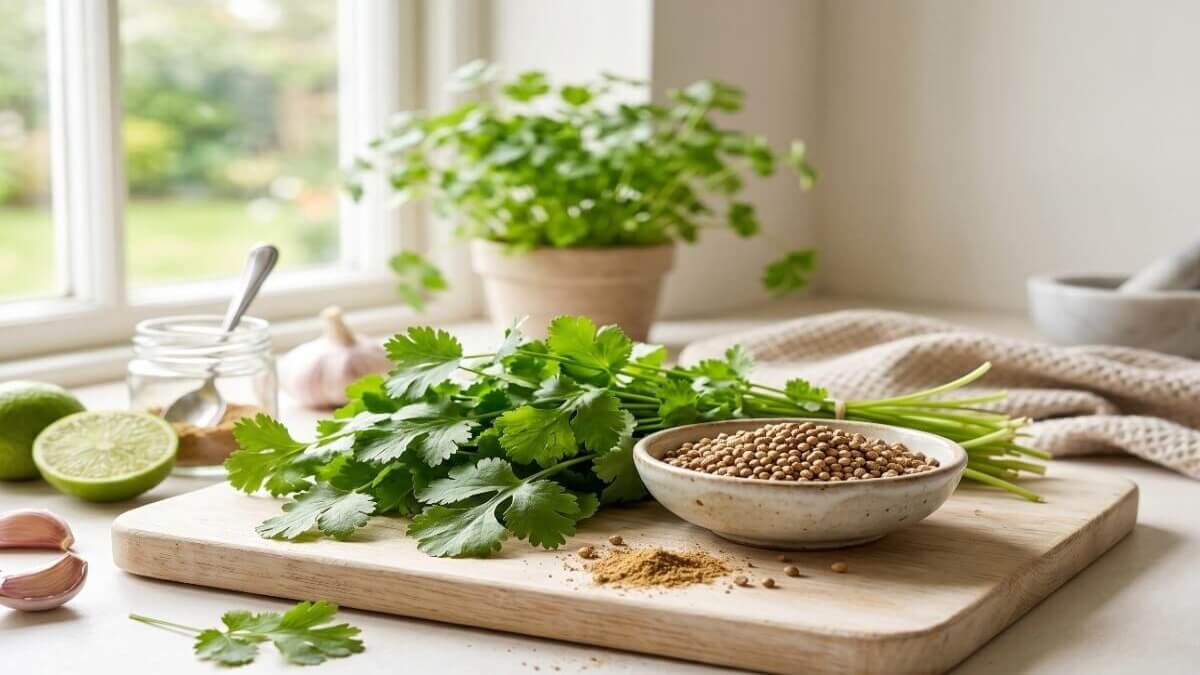
Coriander leaves are a familiar and integral part of our daily cooking. Their fresh aroma and excellent flavor can make any ordinary dish extraordinary. However, coriander leaves do more than just enhance the taste of food. They are also incredibly beneficial for your overall health.
In today’s blog post, we will explore the nutritional value, health benefits, proper usage, and some amazing recipes featuring coriander leaves. If you are health-conscious and love adding natural flavors to your meals, this comprehensive guide is just for you.
What Are Coriander Leaves?
Coriander leaves are the fresh green foliage of the Coriandrum sativum plant. This plant belongs to the Apiaceae family, which also includes carrots, celery, and parsley.
It is known by different names across various regions of the world. In North America and Mexico, the fresh leaves are commonly called cilantro. Meanwhile, in Asia and many European countries, they are referred to as coriander leaves or fresh coriander.
The leaves look quite similar to flat-leaf parsley, but their scent is much stronger and more pungent. People have been using this plant as a medicinal herb and culinary aromatic since ancient times. It is a unique plant where both the leaves and the seeds are highly popular.
History and Global Use of Coriander
The history of coriander is ancient and rich. It is known as one of the oldest spices and herbs in the world. According to historians, it originated in the Mediterranean region and parts of Asia.
Coriander seeds were found in the tombs of Pharaohs in ancient Egypt, proving that it was highly valued thousands of years ago. Ancient Greece and Rome also used coriander extensively in both medicine and food.
Over time, merchants spread it to India, China, and other Asian countries. Today, it is an extremely popular herb worldwide. It is an absolute staple in Mexican, Thai, Indian, and Middle Eastern cuisines.
Why Coriander is a Staple Herb and Spice Worldwide
The main reason coriander has become popular globally is its versatility and unique flavor profile. It brings a wonderful freshness and aroma to almost any savory dish.
The leaves pair perfectly with foods like soups, salads, curries, and chutneys. Beyond flavor, it is widely used as a garnish to enhance the visual appeal of food.
Furthermore, it is deeply intertwined with the cultures of many countries. It is easily available and can be grown effortlessly in a home garden or a small pot. This accessibility and its extraordinary qualities are what make coriander a highly respected herb and spice all over the world.
Coriander Leaves vs. Coriander Seeds: What is the Difference?
Even though they come from the exact same plant, coriander leaves and coriander seeds have very different flavors, aromas, and culinary uses. Here are the main differences between them:
Coriander Leaves (Fresh Herbs)
Fresh coriander leaves are the green vegetative part of the plant. Their flavor is extremely fresh, slightly citrusy, and a bit pungent.
They are usually added at the very end of the cooking process because high heat can destroy their flavor and nutritional value. They are primarily used for garnishing, making salads, and preparing fresh chutneys.
Coriander Seeds (Dried Spice)
Coriander seeds are the dried fruits of the same plant. Their flavor is completely different from that of the fresh leaves. They have a mild, sweet, warm, and slightly nutty aroma.
Before using them in cooking, they are often dry-roasted in a pan to help release their essential oils. They are a core ingredient in curry powders and various traditional spice blends.
Flavor and Usage Comparison
In terms of taste, the fresh leaves provide a bright burst of freshness, while the seeds add a deep, warm, earthy flavor to the food.
For use, fresh leaves are used at the end of cooking or served raw. The seeds are generally used at the beginning of cooking, often tempered in hot oil, or ground into a fine powder. Both are essential for cooking, but they are rarely used as substitutes for one another.
Nutritional Value of Coriander Leaves
Coriander leaves are not just unique in taste; they are also a nutritional powerhouse. They contain a high amount of essential vitamins, minerals, and antioxidants. According to the trusted health and nutrition website Healthline, coriander leaves are very low in calories but exceptionally nutrient-dense.
Vitamins and Minerals
Coriander leaves are an excellent source of Vitamin K, which plays a crucial role in blood clotting and maintaining healthy bones.
Additionally, they contain Vitamin A and Vitamin C. Vitamin A is beneficial for eye health, and Vitamin C boosts the immune system. In terms of minerals, they provide potassium, calcium, manganese, and iron.
Antioxidants and Plant Compounds
Fresh coriander leaves are packed with antioxidants. These antioxidants protect our body cells from the harmful effects of free radicals.
They contain important plant compounds like quercetin and tocopherols. These compounds help reduce inflammation and improve the body’s natural defense mechanisms.
Calories and Dietary Fiber
For those looking to lose weight, coriander leaves are a fantastic ingredient. The calorie count is incredibly low.
At the same time, they contain an adequate amount of dietary fiber. This fiber helps improve digestion and keeps you feeling full longer.
Health Benefits of Coriander Leaves
Consuming coriander leaves regularly benefits our bodies in various ways. Below are some of the proven health benefits of coriander leaves.
Helps Boost Digestion
Coriander leaves help facilitate digestion. They are highly effective at relieving stomach gas, bloating, and indigestion.
The essential oils extracted from the leaves stimulate the secretion of digestive enzymes. As a result, food digests faster and much more easily. It is also beneficial for solving chronic stomach issues.
May Help Control Blood Sugar Levels
Research has shown that coriander leaves can help reduce blood sugar levels. They stimulate the enzymes responsible for producing insulin.
According to research from the National Center for Biotechnology Information NCBI, it can be highly beneficial for diabetic patients. However, individuals with already very low blood sugar should consume it with caution.
Rich in Antioxidants
As mentioned earlier, coriander leaves are a great source of antioxidants. This helps reduce oxidative stress in the body.
Oxidative stress increases the risk of various chronic diseases, such as cancer and heart disease. Consuming an antioxidant-rich diet regularly can significantly lower these risks.
Helps Protect Heart Health
Coriander leaves may help lower high blood pressure and LDL (bad) cholesterol levels. They help flush excess sodium from the body through urine.
They also help increase good cholesterol (HDL) levels. Consequently, the risk of heart disease and stroke is greatly reduced.
May Help Reduce Inflammation
Chronic inflammation in the body is the root cause of many diseases. The anti-inflammatory compounds found in coriander leaves help reduce systemic inflammation.
It can be particularly helpful in relieving arthritis pain or joint discomfort. Including it in your daily diet can help you find relief from various inflammatory conditions.
Helps Protect Skin Health
Coriander leaves are quite effective at eliminating various skin problems, such as acne, blemishes, and rashes. Their antibacterial and antifungal properties keep the skin clean and clear.
Moreover, their antioxidant compounds help prevent premature skin aging. They are also unmatched at enhancing your natural skin glow.
Coriander Leaves for Digestion and Detox
Coriander leaves work wonderfully as a natural detoxifier for our bodies. In our modern lifestyle, various heavy metals and harmful toxins enter our bodies daily.
Coriander leaves contain specific compounds that bind with these heavy metals and help flush them out of the system. This is known as the chelation process.
Drinking coriander leaf-infused water or juice on an empty stomach in the morning cleanses the body from the inside out. It boosts liver function and keeps the digestive tract healthy.
Coriander Leaves and Blood Sugar Management
Diabetes is a very common health issue today. Coriander leaves can act as a natural aid in managing blood sugar levels.
Studies have shown that both the leaves and seeds of the coriander plant can significantly reduce blood glucose levels. It accelerates liver function and helps remove excess sugar from the bloodstream.
Those at risk of diabetes can benefit from drinking coriander leaf juice or eating foods prepared with it. However, those taking regular diabetes medications must consult a doctor first.
Coriander Leaves in Traditional Herbal Medicine
Coriander leaves have been used in Ayurveda and other traditional medicines since ancient times. According to Ayurvedic texts, it pacifies the ‘Pitta’ dosha in the body.
It is commonly used to treat fevers, colds, coughs, and respiratory issues. Additionally, it is believed to help reduce insomnia and psychological stress.
Ancient herbalists often recommended drinking coriander leaf juice to cure upset stomachs or nausea. It is also highly effective at keeping the body naturally cool.
How to Use Coriander Leaves in Cooking
Coriander leaves are not just great for health; they are unparalleled in enhancing culinary flavors. Here are some common ways to use them in cooking:
Fresh Coriander Leaves in Salads and Garnishes
Chopping fresh coriander leaves and mixing them into salads multiplies the dish’s freshness. It pairs wonderfully with cucumber, tomato, and onion salads.
Sprinkling a handful of freshly chopped leaves over any curry, dal, or soup right before serving makes the food look beautiful and taste delicious.
Coriander Seeds in Spice Blends
Coriander seeds are ground and used as a base spice in various curries. This is an extremely common spice in the Indian subcontinent.
In beef, chicken, or fish gravies, coriander powder helps create a beautiful aroma and a thick, rich sauce. It is also one of the primary ingredients in Garam Masala.
Coriander Powder in Curries and Soups
While seed powder is most common, dried coriander leaf powder or paste is also used in certain recipes. It gives an excellent flavor to soups or light broths.
If fresh leaves are unavailable, dried leaves are often crushed and stored as an alternative, which can be sprinkled on at the end of the cooking process.
Coriander Leaves in Chutneys and Sauces
Coriander leaf chutney is one of the most popular condiments in South Asia. It pairs perfectly with samosas, pakoras, or any savory snack.
Additionally, fresh cilantro is widely used in making Mexican salsas and various dipping sauces. It brings a zesty and vibrant kick to any sauce.
Popular Recipes Using Coriander Leaves
You can easily prepare delicious meals using coriander leaves. Here are a few simple and popular recipes:
Coriander Leaf Chutney
Ingredients: 1 bunch of fresh coriander leaves, 2 to 3 green chilies, 2 cloves of garlic, juice of half a lemon, salt to taste, and a little water.
Instructions: First, wash the coriander leaves thoroughly. Now, place the coriander leaves, green chilies, garlic, salt, and a little water in a blender to make a smooth paste. Finally, mix in the lemon juice. Your delicious coriander leaf chutney is ready!
Coriander Rice
Ingredients: 2 cups of cooked basmati rice, 1 cup of chopped coriander leaves, 2 tablespoons of ghee or oil, 1 teaspoon of cumin seeds, a few cashew nuts, salt, and green chilies.
Instructions: Heat ghee in a pan and fry the cumin seeds and cashew nuts. Now add the green chilies and chopped coriander leaves, then stir for a few seconds. Then, mix in the pre-cooked rice and salt thoroughly. Your fragrant coriander rice is ready in minutes.
Spicy Curry with Coriander Powder
Ingredients: 500 grams of chicken, 1 cup of chopped onions, 2 tablespoons of ginger-garlic paste, 2 tablespoons of coriander powder, 1 teaspoon each of turmeric and chili powder, oil, and salt.
Instructions: Heat oil in a pan and fry the onions until golden brown. Sauté with the ginger-garlic paste. Now, add the coriander powder along with the other powdered spices and a little water, and cook the spices well. Add the chicken, stir, and cover. Once the chicken is cooked through, sprinkle fresh chopped coriander leaves on top right before removing it from the heat.
Fresh Herb Salad and Salsa
Ingredients: Chopped tomatoes, chopped cucumbers, chopped onions, green chilies, plenty of fresh coriander leaves, olive oil, lemon juice, and salt.
Instructions: Combine the tomatoes, cucumbers, onions, and green chilies in a large bowl. Scatter the chopped coriander leaves on top. Toss everything well with olive oil, lemon juice, and salt. This salad will provide a great refreshing contrast to any heavy meal.
Coriander Leaves vs. Parsley: Key Differences
Many people get confused because coriander leaves (cilantro) and flat-leaf parsley look almost identical. However, there are some clear differences between them.
The scent of coriander leaves is much stronger, slightly lemony, and pungent. On the other hand, the scent of parsley is relatively mild and earthy.
There is also a slight difference in leaf shape. The edges of coriander leaves are somewhat rounded, while parsley leaves have sharper, more pointed edges. They are not perfect substitutes in cooking because their flavor profiles are entirely different.
Coriander Leaves vs. Powder vs. Seeds: Which to Use?
Which one you should use depends entirely on what kind of dish you are cooking.
If you want bright color and a burst of freshness in your food, use fresh coriander leaves at the end of your cooking.
If you want to add a warm, sweet, and deep aroma, temper coriander seeds in oil at the beginning of the cooking process.
And if you want to thicken a gravy and use it as a core base spice, using coriander powder is the best option.
Potential Side Effects of Coriander Leaves
Although coriander leaves are safe and healthy for most people, consuming them in excess or in specific cases can lead to side effects.
Allergic Reactions
Some people may be allergic to coriander leaves. This is sometimes referred to as Oral Allergy Syndrome.
If you are allergic, eating it can cause itching in the mouth, lips, or throat. You might even develop a skin rash or hives. If any such symptoms appear, you should consult a doctor immediately.
Digestive Sensitivities
When eaten in moderation, coriander leaves aid digestion. But consuming them in excessive amounts can cause stomach issues.
Overconsumption can lead to an upset stomach, diarrhea, or abdominal pain. Therefore, like any other food, it should be eaten in moderation.
Who Should Take Precautions
Pregnant and breastfeeding women should consume coriander leaves in moderate culinary amounts.
Additionally, those who regularly take medication for high blood pressure or diabetes need to be cautious. Because coriander leaves naturally lower blood pressure and blood sugar levels, eating too much of them alongside medication risks lowering those levels too low.
How to Store Coriander Leaves Properly
Fresh coriander leaves rot or dry out very quickly. Therefore, storing them properly is very important. Here are some effective methods:
Storing Fresh Coriander Leaves
After bringing them from the market, pick out and discard any rotten or yellow leaves. Do not wash them right away, as excess moisture causes the leaves to rot.
Wrap the leaves in a paper towel, place them in an airtight container or a ziplock bag, and refrigerate.
Another method is to fill a glass jar with a little water, submerge the stems of the leaves in the water, cover the top loosely with a plastic bag, and store it in the fridge. This way, the leaves stay fresh for about one to two weeks.
Storing Coriander Seeds and Powder
Airtight glass or plastic jars are best for storing coriander seeds or powder.
They must be kept in a cool, dry place away from direct sunlight and heat from the stove. Keeping them away from moisture ensures their aroma remains intact for a very long time.
How to Choose Fresh and High-Quality Coriander Leaves
There are a few things to keep in mind when buying coriander leaves from the market.
Always choose bright green leaves. Ensure the leaves are not yellow or brown in any way.
Avoid leaves that have dark spots or slimy, rotting sections. The stems of fresh leaves should be firm and crisp. Most importantly, check the aroma. Fresh leaves will have a very beautiful, strong, and distinct scent.
Frequently Asked Questions About Coriander Leaves
Can you eat coriander leaves every day?
Yes, you can eat coriander leaves every day in normal culinary amounts or as a garnish. They are an excellent source of nutrients and antioxidants. However, it is best to exercise caution before consuming large amounts in concentrated juice or extract form.
Are coriander leaves good for detox?
Absolutely. Coriander leaves help flush heavy metals and toxins out of the body. Drinking its juice on an empty stomach in the morning is a very popular natural detox method.
What do coriander leaves taste like?
To most people, the taste is fresh, citrusy, and slightly pungent. However, due to genetic variations, the taste can resemble soap or metal to some individuals.
Final Thoughts on Coriander Leaves (Cilantro)
Coriander leaves are an invaluable gift for our cooking and our health. It is hard to finish describing all of its wonderful qualities.
The Bottom Line
Coriander leaves are packed with vitamins, minerals, and antioxidants. They boost digestion, keep the heart healthy, and help control blood sugar. Alongside that, their wonderful aroma brings life to any meal.
Why Coriander is an Essential Herb and Spice
It is highly accessible and inexpensive. Even a very small amount of coriander leaves can make a huge difference in a dish. Its natural ability to enhance food flavor while keeping the body disease-free has made it an essential kitchen ingredient.
Easy Ways to Add Coriander Leaves to Your Daily Diet
Sprinkle a few leaves on your daily salad. Add a small handful of chopped leaves to your lentil, fish, or meat curries right before taking them off the stove. Or, use it to make a healthy breakfast chutney. It can easily become a delicious part of your daily wellness routine.
Stay healthy, choose the right foods, and enjoy this wonderful gift of nature every day!