
The Ultimate Guide to Almonds: Benefits, Nutrition, and Uses
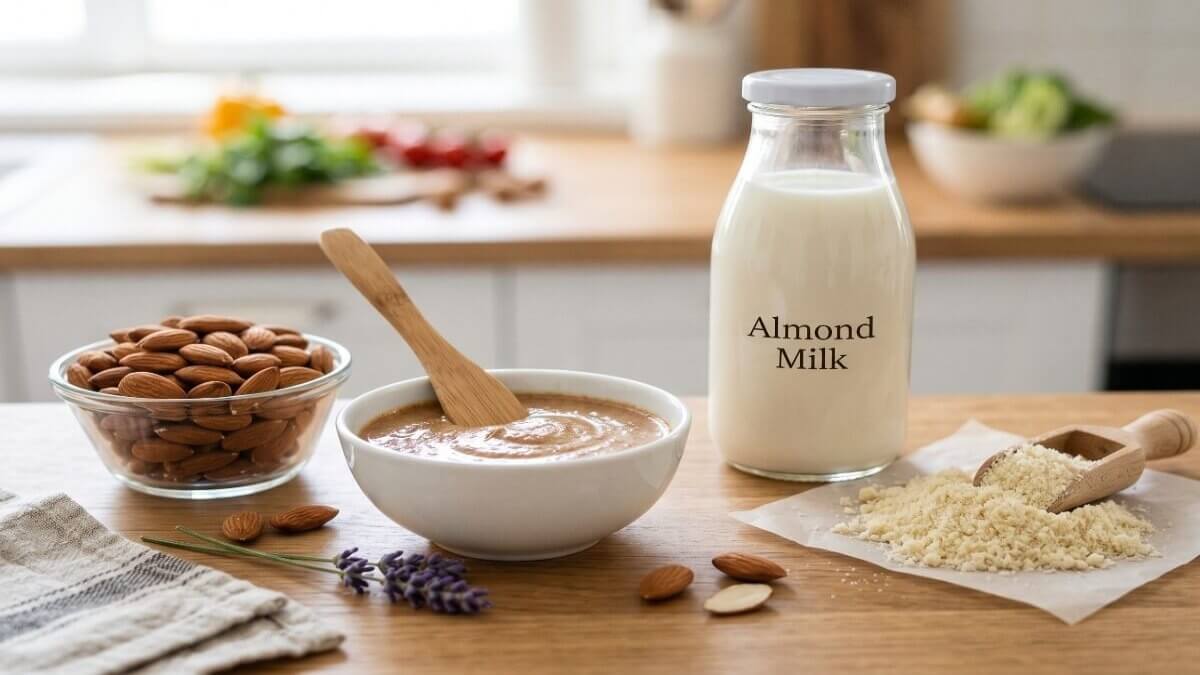
Our daily diet often includes foods that may be small in size but are uniquely nutritious. Almonds fit perfectly into this category. When we talk about almonds, we are not just talking about a simple snack. We are talking about an absolute nutritional powerhouse.
In this detailed guide, we will discuss everything you need to know about almonds. We will cover everything from their nutritional value and health benefits to the right ways to eat them, and even some fantastic recipes. Let us begin this delicious journey toward a healthier life.
What Are Almonds?
Simply put, an almond is a type of seed. In botanical terms, what we know as the almond (Prunus dulcis) is actually the hard seed found inside the fruit of the almond tree. This tree is native to the Middle East and South Asia, but it is now widely popular across the globe.
Unlike typical fruits, where we eat the fleshy outer layer, the outer part of the almond fruit is usually discarded. The hard shell inside is cracked open to reveal the nutritious seed, which is the almond we love to eat. It can be consumed raw, roasted, or used as a versatile ingredient in various dishes.
In today’s busy world, there is no substitute for almonds when it comes to keeping the body fit and refreshed. The nutrients they contain play a fantastic role in keeping our organs functioning smoothly and boosting our immune system.
History and Origin of Almonds
The history of almonds is quite ancient and rich. According to historians, almonds are one of the oldest cultivated foods known to humanity. Evidence of the first cultivated almonds dates back to the Bronze Age, around 5000 years ago, in Jordan and its surrounding regions.
Almonds were also highly valued in ancient Egypt. Almonds were even found in the tomb of Pharaoh Tutankhamun. People at the time believed these nuts would provide energy in the afterlife. Through the Silk Road, almonds spread from the Middle East to the Mediterranean region, Greece, and Italy.
Later, in the 18th century, almonds reached California through Spanish missionaries. Today, California in the United States is known as the world’s largest almond-producing region. A massive portion of the global demand is supplied from this area.
Why Almonds Are Considered a Nutrient-Dense Superfood
The word “superfood” is very familiar to us. Foods that contain extremely high levels of vitamins, minerals, antioxidants, and healthy compounds are labeled as superfoods. Almonds sit right at the top of this list.
The primary reason almonds are called a superfood is their nutrient density. Eating just a small amount of almonds gives the body a massive energy and nutrition boost. They help keep you feeling full for a long time, which in turn reduces the tendency to snack on unhealthy foods.
Moreover, the fat in almonds is not harmful. It is mostly monounsaturated fat, which is highly beneficial for our cardiovascular system. This excellent source of natural energy is equally effective for people of all ages.
Nutritional Value of Almonds
Having a clear understanding of almond nutrition makes it easier to include them in your diet. According to USDA data, a single ounce (about 28 grams, or a small handful) of almonds contains many essential nutrients. Below is a detailed breakdown.
Calories and Macronutrients
One handful (approximately 28 grams) of raw almonds generally provides the following macronutrients:
| Nutrient | Amount (per 28 grams) |
| Calories | 164 kcal |
| Carbohydrates | 6.1 grams |
| Protein | 6 grams |
| Fat | 14 grams |
| Fiber | 3.5 grams |
This chart makes it clear that almonds are a low-carbohydrate, high-fat, high-protein food. They are an ideal choice for anyone looking for keto-friendly or low-carb diet options.
Protein Content
Almonds are an excellent source of plant-based protein. Every 28 grams contains about 6 grams of protein, which is nearly equal to the protein found in one egg. Protein is absolutely crucial for building muscle and repairing body cells.
For vegetarians, vegans, or those suffering from lactose intolerance, eating almonds regularly can help meet protein deficiencies. They are highly capable of fulfilling a large portion of the body’s daily protein needs.
Healthy Fats and Omega Fatty Acids
Many people are afraid when they hear the word “fat.” However, you must remember that not all fats are bad for the body. The vast majority of the fat in almonds is oleic acid (omega-9), the same healthy fat found in olive oil.
These healthy fats help reduce inflammation in the body. At the same time, they keep blood vessels healthy. Almonds also contain a small amount of omega-6 fatty acids, which help improve overall body metabolism.
Vitamins and Essential Minerals
Almonds are an incredibly good source of Vitamin E. Just 28 grams of almonds can fulfill about 37% of our daily Vitamin E requirement. Vitamin E acts as a powerful antioxidant in the body.
Additionally, they contain abundant mineral elements:
-
Magnesium: Helps regulate blood pressure and control blood sugar levels.
-
Manganese: Plays a role in bone formation and collagen production.
-
Copper and Riboflavin: Assist in energy production within the body.
Fiber and Antioxidants
The thin brown skin of the almond contains a massive amount of antioxidants. These antioxidants protect the body’s cells from oxidative stress. This stress is primarily responsible for aging and various chronic diseases.
The dietary fiber in almonds keeps our digestive system healthy. Fiber slows digestion, preventing sudden spikes in blood sugar and keeping hunger at bay for longer.
Primary Health Benefits of Almonds
Making a habit of eating almonds regularly can bring positive changes to your body. Here are some of the major scientifically proven health benefits of almonds.
Supports Heart Health
Heart disease is a major concern worldwide today. Almonds help improve blood vessel function. The antioxidants and Vitamin E they contain reduce the risk of blood clots and keep arteries healthy.
Eating almonds regularly keeps blood pressure under control. High blood pressure is a leading cause of heart disease. The magnesium in almonds helps relax blood vessels, ensuring normal blood flow.
Helps Maintain Healthy Cholesterol Levels
The body has two types of cholesterol: LDL (bad cholesterol) and HDL (good cholesterol). Almonds play an effective role in reducing bad cholesterol levels in the blood.
Research has shown that eating a handful of almonds every day helps lower LDL cholesterol without negatively affecting good cholesterol levels. This significantly reduces the risk of heart disease and strokes.
Aids in Weight Management
Despite being high in calories, almonds do not cause weight gain. In fact, they help control weight. The secret behind this is their high protein and fiber content. These keep you feeling full for a long time.
When your stomach feels full, your craving for extra chips, biscuits, or sugary foods decreases. As a result, your overall daily calorie intake drops, which aids in weight loss.
Helps Boost Brain Function
Since childhood, we have heard that we should eat almonds to develop our intellect. There is an excellent scientific basis behind this idea. Almonds contain L-carnitine and riboflavin, which help boost brain activity.
They help form new brain cells and improve memory. For older adults, regularly eating almonds can be highly beneficial for preventing diseases such as Alzheimer’s and memory loss.
Improves Bone Health
Calcium and phosphorus are essential minerals for keeping bones strong. Almonds contain adequate amounts of both these elements. Regular consumption of almonds strengthens teeth and bones.
As we age, bone density can decline, leading to osteoporosis. Including almonds in your daily diet can help you avoid such problems.
Helps Regulate Blood Sugar Levels
Almonds are an ideal snack for people with diabetes. They are low in carbohydrates but high in healthy fats, protein, and fiber. As a result, they prevent blood glucose levels from spiking suddenly after eating.
The high magnesium content in almonds helps improve insulin function. For individuals with type 2 diabetes or those at risk of developing diabetes, eating magnesium-rich foods is very important.
Almonds and Heart Health: What the Research Says
Countless studies have been conducted worldwide regarding the role of almonds in protecting the heart. Various reports from the American Heart Association (AHA) show that including almonds in a daily diet significantly reduces the risk of cardiovascular diseases.
A famous clinical trial showed that those who regularly snacked on almonds instead of processed foods experienced positive changes in their blood lipid profiles. The oleic acid in almonds prevents artery walls from stiffening.
Furthermore, the Vitamin E in almonds blocks the oxidation process of cholesterol. When cholesterol is oxidized, it accumulates in the arteries and forms blockages. Almonds help prevent this entire process. For more details, you can look up related research from Harvard Health.
How Almonds Help with Weight Loss and Keeping You Full
The biggest hurdle in a weight loss journey is untimely hunger. Almonds are a natural solution to this problem. The fiber and protein in them take time to digest, giving the brain a satiety signal for a longer time.
An interesting fact is that our bodies cannot absorb all the calories present in almonds. The cell walls of almonds are quite rigid. Consequently, even after chewing, a portion of the fat inside is excreted without being fully absorbed by the body.
Research shows that the body absorbs only about 10 to 15 percent of the calories in almonds. Therefore, keeping almonds in your diet helps boost metabolism and reduce belly or visceral fat.
Almonds for Brain Health and Cognitive Function
For our overall well-being, brain health is the most critical factor. Almonds are often called “brain food.” The Vitamin E present in them slows cognitive decline associated with aging.
Almonds help increase levels of the neurotransmitter acetylcholine in the body, which is involved in memory and concentration. For students and those who do heavy mental work, eating soaked almonds every morning can be extremely fruitful.
Additionally, they help reduce stress and anxiety. The healthy fats in almonds help maintain brain cell membranes, which are essential for sustaining mental performance.
Different Types of Almond Products
Nowadays, almonds are not only available in their raw form in the market. Thanks to advances in technology and consumer convenience, versatile almond products have been developed. Below is a description of some popular products.
Raw Almonds
This is the most natural and unaltered form of almonds. It is available directly after being harvested and shelled. Its nutritional value remains highly intact. Eating raw almonds is the best way to get the antioxidants present in the skin.
Roasted Almonds
Many people prefer the crunchy taste of roasted almonds over raw ones. Almonds roasted at a low temperature are very tasty. However, roasting at excessively high temperatures can destroy some sensitive vitamins. It is best to avoid heavily salted or spiced roasted almonds found in the market.
Almond Butter
Much like peanut butter, almond butter is quite popular these days. It is made by grinding raw or roasted almonds into a smooth paste. ..It can be eaten with toast, apples, or mixed into smoothies. It is an excellent, delicious source of protein and healthy fats.
Almond Flour
For those following a gluten-free diet, almond flour is an excellent alternative. It is basically made by blending blanched almonds into a fine powder. It is used instead of regular flour to make cakes, cookies, or bread.
Almond Milk
For those with lactose intolerance or dairy allergies, almond milk is a great beverage. It is a plant-based alternative to cow’s milk. It is extremely low in calories, and both flavored and unsweetened versions are available in the market.
How to Add Almonds to Your Daily Diet
The best thing about eating almonds is their incredible versatility. You can include them in your diet in almost any way. Below are some simple and effective methods.
Healthy Snack Ideas
When you feel a light hunger in the afternoon, try eating a handful of almonds instead of potato chips or salty mixes. It will satisfy your hunger and provide your body with instant energy. You can always keep a small container of almonds on your work desk or in your bag.
Adding Almonds to Breakfast
Breakfast is considered the most important meal of the day. Sprinkle a few chopped almonds over your morning bowl of oatmeal, cornflakes, or yogurt. It will boost both the taste and the nutritional value of your breakfast.
Using Almonds in Baking and Cooking
Adding chopped almonds to rice pudding, custard, or any sweet dish adds wonderful flavor. Additionally, using almond paste to thicken meat gravies or kormas is a long-standing culinary tradition. You can also use almond flour instead of wheat flour for baking.
Smoothies and Protein-Rich Recipes
If you work out, you can blend a spoonful of almond butter or a few whole almonds into your post-workout smoothie. This will greatly help with muscle recovery and keeping your energy levels stable.
Almonds vs. Other Nuts: A Nutritional Comparison
Various types of nuts are available in the market, such as peanuts, cashews, and walnuts. All nuts are healthy, but there are slight differences in their nutritional content. Let us look at a comparison table.
| Nut Type (per 28 grams) | Calories | Protein (grams) | Fat (grams) | Key Feature |
| Almond | 164 | 6 | 14 | High in Vitamin E and fiber |
| Walnut | 185 | 4.3 | 18.5 | Rich in Omega-3 fatty acids |
| Cashew | 157 | 5 | 12 | Rich in Iron and Zinc |
| Peanut | 161 | 7.3 | 14 | Most affordable and high in protein |
This comparison shows that in terms of calorie control, Vitamin E, and fiber, almonds are slightly ahead of the other nuts.
Raw vs. Roasted Almonds: Which is Better?
This question comes to mind for many people. In short, both types of almonds are good for health, but there are subtle differences between them.
Raw almonds retain all nutrients intact, especially vitamins and antioxidants. However, raw almonds may contain phytic acid, which slightly hinders mineral absorption. Soaking the almonds resolves this issue.
On the other hand, roasted almonds are somewhat easier to digest and taste wonderful. However, roasting at high temperatures can oxidize the healthy fats inside the almond. Therefore, the best option is to dry-roast the almonds at home over low heat without oil.
Potential Side Effects and Precautions
Excessive consumption of any good thing can be harmful. While almonds are excellent for health, it is important to be aware of some potential side effects.
Almond Allergies
Tree nut allergies are among the most common allergies in the world. Many people may experience skin itching, breathing difficulty, stomach pain, or nausea after eating almonds. If you notice any such symptoms, stop eating almonds immediately and consult a doctor.
Portion Control and Calorie Intake
Although nutritious, almonds are quite calorie-dense. If you are trying to lose weight and continue eating large quantities of almonds every day, it can backfire. Portion control is extremely crucial here.
Who Should Limit Almond Consumption?
Those with kidney stones should be careful when eating almonds. Almonds contain compounds called oxalates, which can exacerbate kidney stones. Also, whole almonds should be avoided for those who have difficulty swallowing, particularly small children and the elderly.
How to Choose High Quality Almonds
Keeping a few things in mind when buying almonds from the market will help you choose the best quality product:
-
Appearance and Texture: The almonds should be uniform in size and plump. There should be no cracks or mold spots on the skin.
-
Smell Them: If the almonds are old or stale, they will emit a bitter or harsh odor. Fresh almonds have a sweet, familiar nutty smell.
-
Check the Packaging: Always buy almonds from reputable brands in airtight packaging. Loose almonds are at higher risk of exposure to dust and moisture.
Proper Storage Tips to Maintain Freshness and Taste
Due to their high fat content, almonds can go rancid or stale quickly if not stored properly. Below are some tips to keep almonds fresh for a long time:
-
Airtight Containers: After bringing almonds from the market, store them in a glass or plastic airtight container.
-
Cool and Dark Place: Instead of keeping the container near the kitchen stove, place it in a cool and dark cabinet.
-
Refrigeration: If you want to store almonds for a few months, you can keep them in the refrigerator. Almonds stay good for almost a year when refrigerated.
-
Freezer: For even longer storage, it is entirely possible to store almonds in the deep freezer.
Frequently Asked Questions About Almonds
People often have common questions about almonds. Here are the answers to a few important questions.
How many almonds should you eat per day?
Generally, eating about 23 to 25 almonds (28 grams) daily is considered ideal for a healthy adult. This is enough to meet the body’s nutritional demands.
Are almonds good for weight loss?
Yes, almonds help tremendously with weight loss. The fiber and protein in them keep the stomach full for a long time, reducing the urge to overeat. However, they must be eaten in moderation.
Can almonds help improve heart health?
Absolutely. The monounsaturated fats and antioxidants in almonds lower bad cholesterol levels in the blood and help keep the heart healthy by helping control blood pressure.
Delicious Almond Recipes to Try at Home
Almonds are not just meant to be chewed on their own; you can make excellent recipes with them. Here are four easily prepared recipes you can try at home.
Homemade Almond Butter
Homemade almond butter is much healthier than store-bought butters filled with preservatives.
Preparation Method:
-
Lightly toast two cups of raw almonds in an oven or pan until golden brown.
-
Once the almonds cool down a bit, put them in a high-powered blender or food processor.
-
Blend for 10 to 15 minutes. Pause the blender occasionally to scrape down the sides.
-
Gradually, the oil will be released from the almonds, and it will take on a smooth, creamy texture.
-
Mix in a little salt or honey and store in a glass jar.
Almond Energy Balls
This is an excellent, healthy sweet treat for kids’ lunchboxes or afternoon snacks.
Preparation Method:
-
Take one cup of almonds, one cup of soft dates (pitted), and two tablespoons of cocoa powder in a food processor.
-
Blend all the ingredients together well to create a sticky mixture.
-
Now, shape them into small balls using your hands.
-
These balls can be eaten for up to a week if kept in the fridge.
Almond Smoothie
You can try this smoothie for a quick energy boost at breakfast.
Preparation Method:
-
Put a ripe banana and a glass of almond milk or regular milk into a blender.
-
Add one spoonful of almond butter and 5 to 6 soaked almonds.
-
You can add a little honey for sweetness.
-
Blend all the ingredients thoroughly and serve with crushed ice.
Coated Almond Snacks
You can make this when entertaining guests or when you crave something crunchy.
Preparation Method:
-
Lightly beat an egg white.
-
Dip raw almonds into the egg white.
-
Next, sprinkle a mixture of a little cinnamon powder and salt over the almonds.
-
Bake in the oven at 180 degrees Celsius for 20 minutes, or toast them in a pan over low heat until golden and crunchy.
Final Thoughts on Almonds and Healthy Living
The key to a healthy and long life is the right diet. What we eat every day has a direct impact on our bodies. Making a natural ingredient like almonds a daily companion is a huge step toward wellness.
Key Takeaways
From this long discussion, we have learned that almonds are not just a tasty snack; they are a nutritional goldmine. They directly help in keeping our heart, brain, bones, and weight in check. The nutrients they contain support the body’s internal functions.
Why Almonds Deserve a Place in Your Diet
In the modern era, amidst processed and fast foods, we are drifting away from nutritious meals. Almonds are a food that can be eaten directly without any extra hassle. They are easy to carry and do not take a long time to prepare. Therefore, to stay healthy, including them in your diet is essential.
Simple Ways to Enjoy Almonds Every Day
You do not need any grand preparation to start eating almonds. Starting today, begin your day with 4 to 5 soaked almonds. Alternatively, keep a few almonds for your afternoon tea. These small changes will have a massive positive impact on your health in the future. Stay healthy and eat nutritious foods!