Tulsi Tea (Holy Basil Tea): A Complete Wellness Guide
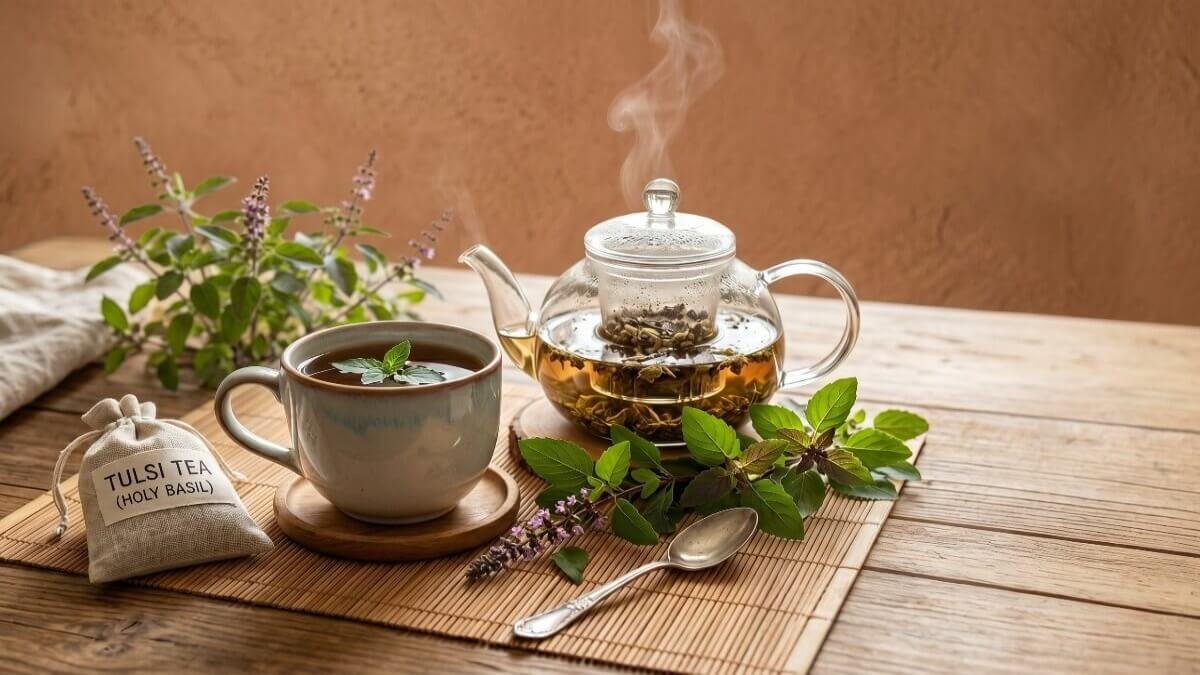
Amidst daily busyness and stress, we often forget about our health. In such situations, a hot cup of Tulsi tea works wonders to calm our body and mind. This centuries-old herbal drink is not only delicious but also extremely beneficial for our overall well-being.
Today, we will discuss Tulsi tea in detail. Let us see how this wonderful drink can become an inseparable part of our daily life.
What is Tulsi Tea?
Tulsi tea is a wonderful herbal drink made from the leaves of the Tulsi plant. The Tulsi plant is scientifically known as ‘Ocimum sanctum’. It is an aromatic plant belonging to the mint family. Unlike regular tea, it contains no caffeine. Therefore, it can be consumed at any time without any worry.
To make this tea, fresh or dried Tulsi leaves are boiled in hot water. The natural oils and nutrients present in Tulsi leaves mix with the water to create a healthy drink. It is also well-known as ‘Holy Basil Tea’ in various countries around the world.
History and Traditional Use of Tulsi in Ayurveda
The use of Tulsi in Ayurveda dates back about 5,000 years. In the ancient Indian medical system, Tulsi is considered a highly sacred and medicinal plant. Ancient sages and physicians used the juice of Tulsi leaves to cure various physical ailments.
Traditionally, Tulsi was widely used to relieve common health problems such as colds, coughs, and fevers. Besides that, it was also highly appreciated for resolving digestive issues and bringing mental peace. The practice of keeping a Tulsi plant in every Indian household is still seen today. It is not just a plant, but a symbol of good health.
Why Tulsi is Called the “Queen of Herbs”
Tulsi is often given the title “Queen of Herbs”. There are several logical reasons behind this. The unique medicinal properties and spiritual importance of Tulsi set it apart from all other herbs. It helps to create an excellent balance between the body, mind, and soul.
Compared with other common plants, Tulsi has much greater healing power. It acts as a powerful ‘adaptogen’. The ability to help the body adapt to various mental and physical stresses is called an adaptogenic property. Because of this unique ability, it has earned its place as the queen of the herbal world.
Types of Tulsi Used in Herbal Tea
Not all Tulsi plants look the same. Several varieties of Tulsi are found in nature. Among them, a few specific varieties are most commonly used to make herbal tea. Each variety has slight differences in taste and aroma.
Ram Tulsi
Ram Tulsi is the most common and widely known variety. Its leaves are light green. The aroma of Ram Tulsi is quite sweet and soothing.
This variety is very popular for making tea because its taste is very light and refreshing. Ram Tulsi works wonderfully to boost digestion and calm the mind.
Krishna Tulsi
The leaves and stems of Krishna Tulsi are slightly dark purple. Its taste is a bit more pungent and spicy than regular Tulsi. It has a mild aroma similar to peppermint or cloves.
Krishna Tulsi is especially effective in relieving throat infections and various respiratory problems. Its strong flavor adds a unique dimension to the tea.
Vana Tulsi
Vana Tulsi usually grows naturally in wild environments. Its leaves are light green and slightly larger than those of other Tulsi varieties. Its aroma has a refreshing lemony note.
The natural oils present in Vana Tulsi work wonderfully to calm our nerves. For those who prefer a milder tea flavor, Vana Tulsi is an ideal choice.
Blended Tulsi Varieties
Various types of blended Tulsi teas are currently available in the market. Many times, Ram, Krishna, and Vana Tulsi are mixed together to create a special tea. This mixture greatly enhances the tea’s taste and nutritional value.
In addition, excellent blends are made by mixing Tulsi with ginger, lemon, honey, or green tea. Healthline and other reliable health websites mention the wide-ranging health benefits of such herbal blends.
Nutritional Value and Active Compounds of Tulsi Tea
Tulsi tea is not just a fragrant drink. It is an excellent source of various essential nutrients and active compounds. Let us find out what healthy elements are hidden in a cup of Tulsi tea.
Antioxidants and Phytochemicals
Tulsi tea is rich in various powerful antioxidants. Antioxidants help destroy harmful free radicals in our bodies. Free radicals damage our cells and accelerate aging.
The special plant compounds, called phytochemicals, present in it help keep our cells healthy. Regularly drinking this tea reduces the risk of various chronic diseases.
Essential Oils and Plant Compounds
Tulsi leaves contain several highly beneficial essential oils. Among them, eugenol, rosmarinic acid, and linalool are prominent. These compounds are responsible for the unique aroma and medicinal properties of Tulsi.
The compound called eugenol works very well to reduce inflammation or pain. On the other hand, rosmarinic acid strengthens the body’s immune system.
Vitamins and Minerals
Even though it is a herbal tea, Tulsi tea contains important vitamins and minerals. It contains vitamin A and vitamin C. These two vitamins are very necessary for our skin and eyes.
Along with this, it contains minerals such as calcium, zinc, and iron. Although the amount of tea is very small, regular consumption contributes slightly to our daily nutritional needs.
Main Health Benefits of Tulsi Tea
Regularly drinking Tulsi tea benefits our body in many ways. It is not a magic potion, but it is highly effective as part of a healthy lifestyle. Its main benefits are highlighted below.
Helps in Stress Management and Relaxation
In today’s life, mental stress is our constant companion. Tulsi tea works as a natural stress reliever. Its adaptogenic properties calm our nervous system.
When you feel exhausted by work pressure, a cup of Tulsi tea can instantly refresh you. It helps lower cortisol levels in the body. As a result, you feel much more relaxed.
May Help Strengthen the Immune System
To stay healthy, it is very important to have a strong immune system. The vitamin C and zinc in Tulsi tea help strengthen our immune system.
It helps the body fight against various types of bacteria and viruses. Regularly drinking Tulsi tea significantly reduces the tendency to catch frequent colds and fevers.
Assists in Maintaining Respiratory Health
Tulsi is a proven herb for solving various respiratory problems. For those suffering from problems like asthma or bronchitis, Tulsi tea can be extremely comforting.
It helps keep our airways clear. It is highly effective in thinning and expelling mucus or phlegm. Therefore, warm Tulsi tea works like magic for a cough or sore throat.
Rich in Antioxidants
As mentioned earlier, Tulsi tea is a vast storehouse of antioxidants. This element helps keep our skin fresh and young.
Tulsi tea helps flush out harmful toxins that accumulate in our bodies due to environmental pollution and unhealthy food. It acts as a kind of natural detox drink.
May Assist in Protecting Heart Health
Tulsi tea also helps keep our hearts healthy. Many studies have shown that it helps keep blood pressure under control.
It can also help lower bad cholesterol levels in the blood. Along with healthy eating habits, regular consumption of Tulsi tea can help reduce the risk of heart disease.
Boosts Overall Well-being
The benefits of Tulsi tea are not limited to any specific organ. It increases our digestive power and improves metabolism.
It is also helpful in relieving flatulence and indigestion. When the body is healthy from the inside, it is also reflected in our external beauty and energy levels.
Tulsi Tea for Stress Relief: How It Works
The effectiveness of Tulsi tea in reducing mental stress is proven by science. When our body is under stress, the adrenal glands secrete cortisol. Tulsi directly helps control cortisol levels.
It increases blood circulation in our brain and calms the nerves. This reduces feelings of anxiety and depression. Drinking a cup of Tulsi tea before bed reduces muscle tension and promotes deep, peaceful sleep.
Tulsi Tea and Boosting Immunity
Our immune system constantly has to fight against external germs. The antibacterial and antiviral compounds in Tulsi tea serve as the chief commanders in this fight.
Studies show that Tulsi extract increases the production of special immune cells called T-cells in the body. These cells build a direct defense against harmful pathogens. Drinking Tulsi tea every day during seasonal changes helps the body easily protect itself from minor illnesses.
Benefits of Tulsi Tea for Respiratory Health
Our lungs and airways are constantly damaged due to polluted air and dust. The volatile oils of Tulsi, such as camphene, eugenol, and cineole, are a blessing for the respiratory system.
These compounds reduce inflammation in the lungs and help normalize breathing. If you suffer from sinus pain, inhaling the steam of hot Tulsi tea and drinking the tea are both highly beneficial.
How to Make a Perfect Cup of Tulsi Tea
If tea is not prepared in the correct method, its full nutritional value cannot be obtained. The method of making Tulsi tea is very simple. You can use fresh or dried leaves, depending on your preference and convenience.
Using Fresh Tulsi Leaves
If there is a Tulsi plant at home, using fresh leaves is best. First, wash 5 to 7 fresh Tulsi leaves thoroughly with clean water.
Then, let two cups of water come to a boil in a pot. When the water starts to boil, drop the leaves in. After boiling on medium heat for 3 to 4 minutes, turn off the stove and cover with a lid for another 2 minutes. Then strain and drink.
Using Dried Tulsi Tea
If fresh leaves are not available, you can use dried Tulsi leaves or tea bags purchased from the market. Take one teaspoon of dried Tulsi leaves in a cup.
Pour boiling hot water over it. Keep it covered for 5 to 7 minutes so the tea’s essence mixes well with the water. Follow the same method if using a tea bag.
Ideal Water Temperature and Steeping Time
Water temperature and steeping time are very important for herbal tea. Boiling water for too long can destroy the leaves’ essential oils.
The ideal water temperature should be 90 to 95 degrees Celsius. That is, the moment just before the water boils completely is best. The ideal steeping time for the leaves is 5 to 10 minutes. You can steep longer if you want a stronger flavor.
Easy Tulsi Tea Recipes to Try at Home
To avoid monotony, you can add various beneficial ingredients to regular Tulsi tea. This increases both taste and health benefits. A few popular recipes are given below.
Classic Tulsi Tea
This is the simplest and most common method. It is made using only Tulsi leaves and boiling water. No other ingredients are mixed into it.
In this method, the real and natural taste of Tulsi can be enjoyed best. Drinking this classic Tulsi tea every morning on an empty stomach is very good for the body.
Tulsi Ginger Tea
Tulsi ginger tea is a great remedy on a winter morning or during a cold and cough. While boiling water, add a few pieces of crushed ginger.
The combination of ginger and Tulsi removes the tickling sensation in the throat and keeps the body warm from the inside. It also works wonderfully to relieve indigestion.
Tulsi Lemon Honey Tea
This is the best choice for those who do not like the taste of plain tea. First, prepare Tulsi tea as usual.
Once the tea cools down slightly, mix in one teaspoon of honey and a few drops of fresh lemon juice. Rich in vitamin C and antioxidants, this drink removes tiredness and brings instant freshness.
Iced Tulsi Tea
To keep cool on hot days, you can try making iced Tulsi tea. First, make a strong cup of Tulsi tea and cool it to room temperature.
Then, take some ice cubes in a glass. Pour the cooled tea over it. To enhance the taste, you can add a few mint leaves and lemon juice. This is a highly refreshing summer drink.
Best Time to Drink Tulsi Tea
You can drink Tulsi tea at any time of the day. However, drinking it at certain times provides greater benefits. Drinking Tulsi tea on an empty stomach after waking up in the morning wonderfully detoxifies the body.
In addition, drinking this tea half an hour after lunch or dinner helps with digestion. Since it contains no caffeine, you can safely drink it before bed as well. It will relieve your day’s fatigue and help you sleep well.
Tulsi Tea vs. Green Tea: Key Differences
Many people confuse Tulsi tea and green tea and struggle to choose between them. Although both drinks are beneficial for health, there are several differences between them.
Green tea is made from the leaves of the Camellia sinensis plant and contains caffeine. On the other hand, Tulsi tea is made from Tulsi leaves and is completely caffeine-free. Green tea is better known for weight loss and increasing metabolism. Tulsi tea is famous for reducing stress and boosting immunity.
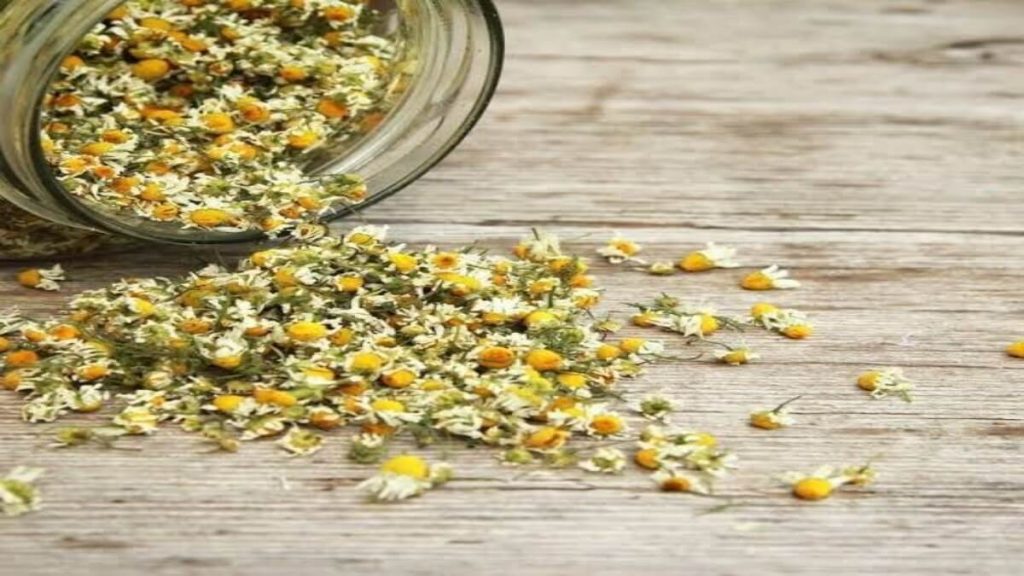
Tulsi Tea vs. Chamomile Tea: Which One is Right for You?
Both chamomile tea and Tulsi tea are known for bringing mental peace. However, their way of working is slightly different.
Chamomile primarily acts as a mild sleep aid and calms the nerves. On the other hand, Tulsi is an adaptogen that helps the body cope with mental stress. If you have severe insomnia, chamomile tea might be more effective at night. If you want to stay fresh and stress-free throughout the day, Tulsi tea is the best choice for you.
Potential Side Effects and Precautions
Tulsi tea is perfectly safe for most people. However, an excess of anything is not good. It is important to exercise caution in some specific cases before drinking it.
Who Should Exercise Caution
Those who are taking blood-thinning medications should be cautious about drinking Tulsi tea. Tulsi has mild blood-thinning properties. Therefore, it can combine with medications and increase the risk of bleeding.
Those with very low blood sugar (Hypoglycemia) should also drink it carefully, as Tulsi naturally helps lower blood sugar.
Pregnancy and Lactation Considerations
Pregnant women should definitely consult a doctor before drinking Tulsi tea. Some studies have shown that excess Tulsi can cause uterine contractions, which is risky during pregnancy.
The same precaution applies to breastfeeding mothers. Although drinking in small quantities generally does not cause any problems, consulting an expert is safest.
Potential Interactions with Medications
If you take regular medication for diabetes or high blood pressure, talk to your doctor about how much Tulsi tea you consume.
Tulsi can combine with diabetes medications and excessively lower blood glucose levels. According to WebMD, herbal ingredients can sometimes interact with allopathic medications.
How to Choose High-Quality Tulsi Tea
When buying Tulsi tea from the market, read the information on the package carefully. Always try to buy organically grown Tulsi tea.
Organic tea does not contain harmful pesticides or chemical fertilizers. Also, check the list of ingredients on the package. Sometimes, regular tea mixed with artificial flavors or colors is sold as Tulsi tea. Pure Tulsi tea contains no artificial ingredients.
Correct Storage Tips for Maximum Freshness
The storage method is very important for preserving the authentic taste and quality of Tulsi tea. Always store tea in an airtight container.
Keep the container in a cool, dark place, away from direct sunlight and moisture. Do not keep tea next to the kitchen stove or in a very hot place. If stored properly, dried Tulsi tea stays good for six months to a year.
Frequently Asked Questions About Tulsi Tea
Can you drink Tulsi tea every day?
Yes, you can safely drink Tulsi tea every day. For normal adults, drinking one to two cups of Tulsi tea a day is completely safe and healthy. It can be a great part of your daily wellness routine.
Does Tulsi tea contain caffeine?
No, pure Tulsi tea contains no caffeine. It is a completely natural caffeine-free herbal drink. However, if you drink a blend of Tulsi mixed with green tea or black tea, it may contain caffeine.
Is Tulsi tea good for sleep?
Absolutely. The soothing ingredients present in Tulsi tea calm the nerves and reduce mental stress. Drinking a cup of warm Tulsi tea before going to bed relaxes your body and helps you get a good night’s sleep.
Final Thoughts on Tulsi Tea and Wellness
Nature has given us many wonderful ingredients to stay healthy. Tulsi is one of the best gifts among them.
Key Takeaways
We have seen that Tulsi tea is not just a regular drink. It boosts immunity, reduces stress, and supports respiratory health. Its antioxidant properties ensure our overall well-being.
Why Tulsi Tea Remains a Popular Herbal Drink
Tulsi has held its place for thousands of years. Modern science now also supports this ancient wisdom of Ayurveda. This natural ability to keep the body healthy without harmful side effects is why Tulsi tea remains so popular worldwide.
Simple Ways to Add Tulsi Tea to Your Daily Routine
You can easily add it to your daily routine. You can start the day with a cup of Tulsi tea instead of morning coffee. Alternatively, a cup of Tulsi ginger tea can be your best companion while reading a book in the afternoon. Start taking care of yourself today with a warm, healthy cup of Tulsi tea.