Pomegranate Fruit: A Complete Guide to Health and Wellness
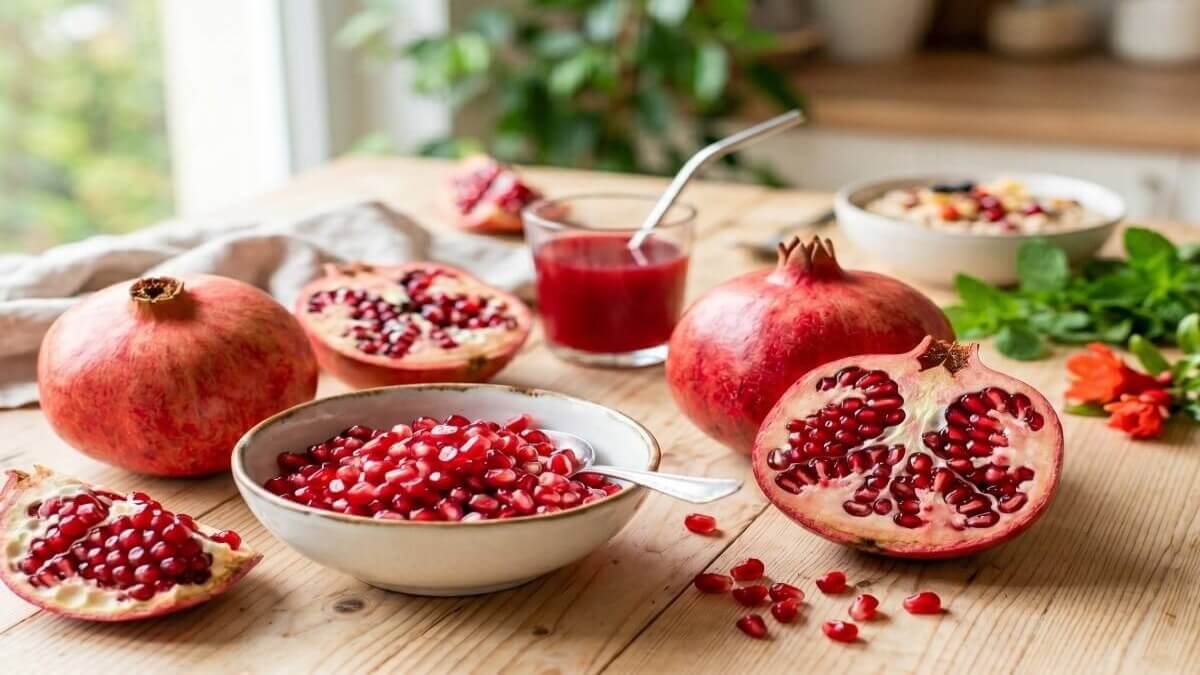
In the world of fruits around us, the pomegranate is a very familiar name. This bright red fruit is as delicious as it is beautiful. But the qualities of a pomegranate are not limited to just taste and beauty. It is a great friend to our health. Including a pomegranate in your daily diet can help protect your body from various diseases.
In today’s detailed guide, we will discuss everything about the pomegranate fruit. From its nutritional value and scientific benefits to easy cutting rules and some fun recipes, we will learn it all. Let us start uncovering this wonderful treasure of health.
What is a Pomegranate Fruit?
The pomegranate is essentially the fruit of a shrub-like plant. Its scientific name is Punica granatum. It is a highly nutritious, juicy fruit in the family Lythraceae. The inside of this fruit is filled with small, bright red, shiny seeds. In botanical terms, these juicy seeds are called “arils.” These arils are the main edible part of the pomegranate.
The outer skin or rind of the pomegranate is quite hard and leathery. It is usually red, yellow, or dark red. While the skin is inedible, the hundreds of red seeds inside are a nutritional powerhouse. Each aril contains a soft or hard seed surrounded by a sweet, tart, juicy layer. Today, the pomegranate is a highly popular name among health-conscious people worldwide.
History and Origin of Pomegranates
The history of the pomegranate is extremely ancient and rich. According to historians, the pomegranate’s original birthplace is Persia (modern-day Iran) and the surrounding valleys. From there, it gradually spread to the Mediterranean region, India, China, and North Africa. Since ancient times, pomegranates have been seen as a symbol of prosperity and sacredness in various cultures and religions.
There are multiple mentions of pomegranates in Greek mythology. There, it was considered a symbol of fertility and life. Pomegranates were also highly valued in ancient Egypt. Paintings of pomegranates have been found in royal Egyptian tombs, showing how much they valued this fruit. Ancient Ayurvedic medical texts also describe the use of pomegranates as medicine to cure various ailments. Through the Silk Road, this fruit eventually spread to different parts of Asia and later to Europe and America.
Why Pomegranate is Considered a Superfruit
According to nutritionists, fruits that have a much higher density of nutrients and disease-fighting compounds compared to ordinary fruits are called “superfruits.” The pomegranate sits at the very top of this list. The main reason for this is the unique antioxidants and plant compounds found in pomegranates, which are not found in such massive quantities in any other common fruit.
There are several specific reasons for calling the pomegranate a superfruit:
-
It contains almost three times as many antioxidants as green tea or red wine.
-
It works like magic to reduce chronic inflammation in the body.
-
It is unparalleled in slowing down the aging process by preventing cell damage.
-
It contains powerful compounds such as punicalagins and punicic acid, which protect the heart.
Because of these unique characteristics, the pomegranate is considered a magical superfruit.
Nutritional Value of Pomegranate
The tiny seeds of a pomegranate are packed with nutrients. When you eat a bowl of pomegranate, your body simultaneously receives a large amount of vitamins, minerals, and fiber. Below is a detailed breakdown of the nutritional components of a pomegranate.
Calories and Macronutrients
Pomegranate is a moderate-calorie fruit that helps give you instant energy but does not let excess fat accumulate in the body. Per 100 grams of pomegranate seeds, the following macronutrients are typically found:
| Nutrient | Amount (per 100 grams) |
| Calories | 83 kcal |
| Carbohydrates | 18.7 grams |
| Sugar | 13.7 grams |
| Protein | 1.7 grams |
| Fat | 1.2 grams |
| Water Content | 78 grams |
Vitamins and Minerals
Vitamins and minerals are essential for keeping our body’s immune system and daily biological functions active. The pomegranate is an excellent source of these elements.
-
Vitamin C: This is one of the main antioxidants in the body. Every 100 grams of pomegranate provides about 10-12% of the daily requirement for Vitamin C.
-
Vitamin K: This vitamin is crucial for blood clotting and maintaining good bone health. Pomegranates contain plenty of Vitamin K.
-
Folate (Vitamin B9): Folate is needed for the production of red blood cells and normal cell division, which is abundantly present in pomegranates.
-
Potassium: It plays an important role in regulating blood pressure. The pomegranate is a good source of potassium.
-
Magnesium and Phosphorus: These minerals help maintain bone and muscle function.
Antioxidants and Plant Compounds
The real power of the pomegranate lies in its bioactive plant compounds. Two of these compounds are the most important:
-
Punicalagins: These are extremely powerful antioxidants found in pomegranate juice and the peel. It helps destroy free radicals in the body.
-
Punicic Acid: This is a type of fatty acid derived from pomegranate seed oil. It is a type of conjugated linoleic acid (CLA) that helps reduce body fat and eliminate inflammation.
Fiber Content and Nutritional Value
If you eat the whole seeds instead of just drinking the juice, you will get a large amount of dietary fiber. Every 100 grams of pomegranate contains about 4 grams of fiber. This fiber keeps your digestive system healthy, eliminates constipation, and acts as food for the beneficial bacteria in your stomach. As a result, you feel fuller longer, which indirectly supports weight management.
Top Health Benefits of Pomegranates
Extensive research worldwide has documented the positive changes in our bodies from regularly eating pomegranates. The main health benefits of pomegranates are discussed in detail below.
Packed with Powerful Antioxidants
As a result of daily metabolic activities in our body, harmful molecules called “free radicals” are created. These molecules attack healthy cells in the body, creating oxidative stress. The high levels of antioxidants in pomegranates neutralize these free radicals. As a result, the body’s cells remain healthy and active for a long time.
Supports Heart Health
Heart disease has become a major health risk in recent times. Pomegranate helps strengthen the heart muscle and keep the inner lining of blood vessels healthy. It prevents the oxidation of harmful cholesterol (LDL) in the body. When cholesterol cannot accumulate in the blood vessels, blood circulation remains normal, and the risk of a heart attack is greatly reduced.
May Help Reduce Inflammation
Chronic inflammation in the body is the root cause of deadly diseases like cancer, diabetes, and Alzheimer’s. The anti-inflammatory properties of pomegranate soothe this internal inflammation. Drinking pomegranate juice regularly reduces inflammation of the digestive tract and also provides relief from arthritis pain.
Boosts Immune System Function
The Vitamin C and other antimicrobial elements in pomegranates help boost the body’s immune system. It gives the body the strength to fight against common colds, coughs, influenza, and other viral infections. Eating pomegranates is especially beneficial during seasonal changes.
Aids in Healthy Digestion
The high fiber content of pomegranate seeds improves digestion. It normalizes bowel movements, thereby eliminating constipation. Additionally, many studies have shown that it helps maintain overall stomach health and reduces the risk of colon cancer.
May Support Brain Health
The nutrients in pomegranates help protect brain cells. An antioxidant called polyphenol present in it reduces brain inflammation and helps improve memory. Pomegranate can help prevent memory loss and dementia associated with aging.
Pomegranate and Heart Health: What the Research Says
Medical scientists have conducted numerous experiments on the role of pomegranates in maintaining heart health. Various research papers from the National Institutes of Health (NIH) in America have shown that pomegranate juice is highly effective in reducing high blood pressure.
One study found that those who drank a specific amount of pomegranate juice daily saw a significant decrease in their systolic blood pressure (the top number in a blood pressure reading). Pomegranate increases the production of nitric oxide in blood vessels. This nitric oxide helps blood vessels relax and expand, so blood circulation is not obstructed.
Also, pomegranate helps prevent atherosclerosis (the buildup of fat on the walls of blood vessels). It slows plaque buildup in the arteries and, in some cases, even helps clear existing plaque. Therefore, doctors often advise heart patients to eat pomegranates.
How Pomegranate Helps Boost Immunity and Overall Wellness
To keep our bodies healthy, nutrients need to reach the cellular level. The pomegranate does exactly this. Every component in it has the power to revitalize the body from within. It helps increase the number of red blood cells, which is very effective in treating anemia. When there is no anemia, oxygen supply to all organs is adequate, and fatigue disappears.
The antibacterial and antifungal properties of pomegranates are also beneficial for oral health. It fights against the bacteria that cause gum disease and helps eliminate bad breath. Overall, pomegranate improves your quality of life by keeping every organ of your body refreshed.
Benefits of Pomegranate for Skin and Healthy Aging
Who doesn’t want beautiful, glowing skin? Pomegranate can be called a natural cosmetic for skin care. The high Vitamin C and antioxidants in it help produce collagen in the skin. Collagen is a protein that maintains skin elasticity and prevents it from sagging.
Some special roles of pomegranate in skin protection are given below:
-
Removing signs of aging: It helps reduce wrinkles and fine lines on the skin, so signs of aging are less noticeable.
-
Protection from sun damage: Pomegranate juice helps repair the damage caused to the skin by the sun’s harmful ultraviolet (UV) rays from the inside out.
-
Increasing skin brightness: It brings a natural glow by boosting blood circulation.
-
Preventing acne: The anti-inflammatory components of pomegranate control excess oil secretion from the skin, reducing the tendency to develop acne.
Different Ways to Enjoy Pomegranates
The pomegranate is a fruit that you can easily include in your daily meals. Some popular and delicious ways to eat it are given below.
Fresh Pomegranate Seeds (Arils)
The easiest and best way to eat a pomegranate is to peel it and chew the fresh red seeds directly. This keeps all the nutrients, including fiber, intact. Eating a bowl of pomegranate seeds as a light afternoon snack is an excellent habit.
Pomegranate Juice
Many people do not like to chew pomegranates, especially children or the elderly. Fresh pomegranate juice can be made for them. A glass of cold pomegranate juice removes fatigue and instantly rejuvenates the body. However, it is better not to add extra sugar when making the juice.
Pomegranate Smoothies
To make breakfast more nutritious, try a pomegranate smoothie. Simply blend pomegranate seeds, ripe bananas, a little yogurt or milk, and honey together in a blender to make a healthy smoothie. It will keep you full for a long time.
Salads and Desserts
Sprinkling pomegranate seeds over a green or fruit salad enhances both the taste and beauty of the salad. Pomegranate seeds can also be used as a topping for puddings, custards, or ice cream, adding a wonderful crunch.
How to Choose a Ripe Pomegranate
When going to the market, we often struggle to tell which pomegranates will be sweet and juicy. If you know a few simple tricks, you can always choose the best pomegranate:
-
Check the weight: Pick up a pomegranate. If it feels heavy for its size, understand that it contains a lot of juice. Light pomegranates are usually dry and lifeless inside.
-
Notice the shape: Instead of buying a perfectly round pomegranate, choose one that is somewhat square or angular. When a pomegranate is fully ripe inside, the juicy seeds press against the outer skin, giving it a somewhat geometric shape.
-
Skin color and smoothness: The skin color should ideally be dark red or reddish-brown. However, there should be no large holes or rot spots on the skin. The skin should be somewhat hard and tight.
How to Easily Cut and Extract Pomegranate Seeds
Although everyone loves to eat pomegranates, many avoid them because of the hassle of cutting them. There is a fear of juice splattering and ruining clothes while cutting a pomegranate. But by following the right method, you can easily separate the seeds without any mess.
Step-by-Step Seed Extraction Method
-
Cutting the top part: First, use a sharp knife to cut off the crown-like top of the pomegranate in a circular motion.
-
Scoring along the ridges: Now, notice the position of the white membranes inside the pomegranate. Use the knife to lightly score the outer skin of the pomegranate from top to bottom along those membranes (do not cut all the way through, just score the skin).
-
Opening the pomegranate: Now hold the pomegranate with both hands and gently pull it apart like the petals of a flower.
-
Tapping upside down: Take a large bowl. Hold the cut side of the pomegranate facing down toward the bowl. Now keep tapping the back of the pomegranate moderately hard with a large wooden spoon or ladle. You will see all the seeds falling easily into the bowl.
Common Mistakes to Avoid
-
Do not cut the pomegranate straight through the middle into two equal halves. This cuts many seeds, causes juice to leak out, and results in waste.
-
While loosening the seeds, make sure the bitter white membranes inside do not mix with the seeds. These membranes can cause digestive issues for some people if ingested.
Pomegranate Juice vs. Whole Fruit: Which is Better?
Many people ask this question. The answer depends on your health needs. However, according to the general rules of nutrition science, eating whole fruit is always more beneficial than juice.
We can briefly understand the difference between them from the table below:
| Feature | Whole Pomegranate Fruit | Pomegranate Juice |
| Dietary Fiber | Abundant, which aids in digestion. | Fiber is completely lost due to straining. |
| Blood Sugar Impact | Sugar absorbs slowly into the blood due to fiber. | Without fiber, blood sugar can spike quickly. |
| Satiety or Fullness | Keeps hunger at bay for a long time due to chewing. | Because it is liquid, it digests quickly and does not keep you full for long. |
| Nutrient Density | Provides 100 percent of vitamins and minerals. | Some Vitamin C may be lost due to exposure to air and light. |
Conclusion: If you have no problem chewing, eating whole pomegranates is best. However, those who are sick or cannot chew can drink fresh juice.
Fresh Pomegranate vs. Pomegranate Supplements
Nowadays, pomegranate extracts or supplements (in capsule or powder form) are available in the market. Many people think that instead of going through the trouble of buying fruit, they can just take a capsule. But remember, there is no substitute for real fruit made by nature.
In fresh pomegranates, all nutrients and antioxidants are balanced. This is called the food matrix. When you eat a pomegranate, all its components work together to give your body maximum benefits.
On the other hand, ingredients are artificially concentrated in supplements, which can sometimes put extra strain on the liver or kidneys. Eating fresh, natural fruit is the safest option unless a doctor specifically recommends a pomegranate supplement.
Potential Side Effects and Precautions
Although pomegranate is a very healthy fruit, some caution is required when eating it in certain cases. Eating too much of any food is not good, and this applies to pomegranates as well.
Sugar Content Considerations
Pomegranates contain a relatively higher amount of natural sugar. Therefore, people with diabetes can eat pomegranates, but in moderation. Eating a quarter to half a cup of pomegranate seeds per day is generally safe for patients with diabetes. However, blood sugar levels should be checked before making it a regular habit.
Potential Interactions with Medications
Pomegranate can interfere with the effectiveness of certain medications or amplify their effects.
-
Blood pressure medications: Pomegranate naturally lowers blood pressure. So if you are already taking high blood pressure medication, eating too many pomegranates can cause your blood pressure to drop too low (hypotension).
-
Cholesterol medications (Statins): Pomegranate can slow the liver’s breakdown of these medications, which can increase their levels in the body.
Who Should Exercise Caution
Those with allergies may experience itching, rashes, or shortness of breath after eating pomegranates. If this happens, you must stop eating pomegranates. Also, it is advisable to stop eating pomegranates or drinking their juice at least 2 weeks before any major surgery, as it can affect blood pressure control.
How to Store Pomegranates Properly
Pomegranate is a fruit that stays fresh for quite a long time. If stored properly, you can enjoy its taste for many days:
-
At room temperature: Whole pomegranates can easily stay fresh for one to two weeks if kept in a basket or on the dining table at normal room temperature. Just keep them away from direct sunlight.
-
In the refrigerator: If you put whole pomegranates in a plastic bag and keep them in the crisper drawer or normal section of the fridge, they will stay fresh and juicy for up to two months.
Tips for Keeping Pomegranate Seeds Fresh
If you want to cut a pomegranate all at once and save the extracted seeds, follow the tips below:
-
After extracting the seeds, store them in an airtight glass container or a food-grade plastic box.
-
If kept in the normal section of the fridge, the seeds will stay perfectly fresh for 5 to 7 days.
-
If you want to store them longer, you can put the seeds in a ziplock bag and keep them in the freezer. Stored this way, pomegranate seeds stay good for up to 6 months. Just take them out of the fridge half an hour before use.
Frequently Asked Questions About Pomegranates
People have various questions about eating pomegranates. Here are answers to some common questions.
Is it healthy to eat a pomegranate every day?
Yes, eating pomegranates in moderation every day (a medium-sized pomegranate or a cup of seeds) is extremely beneficial for health. It will keep you refreshed all day and provide essential nutrients. However, if you have any specific physical illnesses, it is best to consult a doctor.
What is the best time to eat a pomegranate?
The best time to eat pomegranates is in the morning or before lunch. Eating pomegranate on an empty stomach in the morning or with breakfast helps the body absorb its nutrients more effectively. However, it is best not to eat pomegranates or any other fruit right before bed, as it can cause digestive problems and the sugar may disrupt sleep.
Can pomegranate help with weight management?
Pomegranate indirectly helps with weight management. The fiber in it keeps the stomach full and reduces unwanted cravings. Since pomegranate is a low-fat fruit, eating it as a substitute for chips or junk food can be helpful in your weight-loss journey.
Pomegranate Recipes to Try at Home
Here are some recipes for making quick, delicious, and healthy foods with pomegranates. They are as easy to make as they are nutritious.
Fresh Pomegranate Juice
Ingredients:
-
Pomegranate seeds: 2 cups
-
Black salt: A pinch
-
Lemon juice: 1 teaspoon
-
Mint leaves: For garnish
Instructions:
Put the pomegranate seeds in a blender and blend with a light pulse (do not over-blend, otherwise the hard seeds inside may break and make the juice bitter). Now strain the juice well using a strainer. Mix black salt and lemon juice into the juice and pour it into a glass. Garnish with mint leaves on top and serve cold.
Pomegranate Yogurt Parfait
Ingredients:
-
Plain yogurt or Greek yogurt: 1 cup
-
Honey: 1 tablespoon
-
Oats or granola: Half cup
-
Pomegranate seeds: Half cup
Instructions:
First, take a glass or bowl. Put a layer of yogurt at the bottom of the glass and spread a little honey over it. Add some oats or granola for the next layer. Top it with a layer of pomegranate seeds. Create a few consecutive layers like this. Finally, sprinkle plenty of pomegranate seeds on top and serve. This is an excellent, healthy breakfast.
Pomegranate Salad
Ingredients:
-
Chopped cucumber: 1 cup
-
Chopped tomatoes: Half a cup
-
Chopped cilantro: 2 tablespoons
-
Pomegranate seeds: Half cup
-
Olive oil: 1 teaspoon
-
Black pepper powder: A pinch
Instructions:
In a large bowl, mix the cucumber, tomatoes, cilantro, and pomegranate seeds together. Sprinkle olive oil, lemon juice, and black pepper powder on top and toss well. Your one-dish immunity booster salad is ready.
Pomegranate Smoothie
Ingredients:
-
Pomegranate juice: 1 cup
-
Ripe banana: 1
-
Cold milk or almond milk: Half a cup
-
Honey: 1 teaspoon
Instructions:
Put the ripe banana pieces, pomegranate juice, milk, and honey together in a blender. Blend the mixture until smooth. Pour into a glass, sprinkle a few whole pomegranate seeds on top, and serve. This is a great energy drink to have after a workout.
Final Thoughts on Pomegranate Fruit and Good Health
The key to good health is hidden in nature around us. The pomegranate is one of those unique gifts of nature that protects our bodies from the inside out.
Key Takeaways
From this long discussion, we learned that the pomegranate is not just a delicious fruit; it is a rich source of vitamins, minerals, and powerful antioxidants. There is no substitute for pomegranate when it comes to protecting the heart, controlling blood pressure, boosting immunity, and retaining skin brightness. However, following the correct rules and precautions for eating it is equally important.
Why Pomegranate is a Nutrient-Packed Superfruit
The reason pomegranate is called a superfruit is that its effectiveness is scientifically proven. The punicalagins in it save the body from chronic diseases. To relieve the mental and physical stress we go through in our busy daily lives, this fruit plays a unique role.
Easy Ways to Add Pomegranate to Your Daily Diet
You do not need any special preparation to start eating pomegranates. Bring some ripe pomegranates from the market today. Use the simple cutting method we learned to separate the seeds. Eat a bowl of fresh pomegranate every day, mix it into a salad, or drink a glass of fresh juice. This small step toward your well-being can reward you with a long and disease-free life in the future. Stay healthy, and stay close to nature.