Thyme Tea: Health Benefits, Recipes, Side Effects, and Brewing Guide
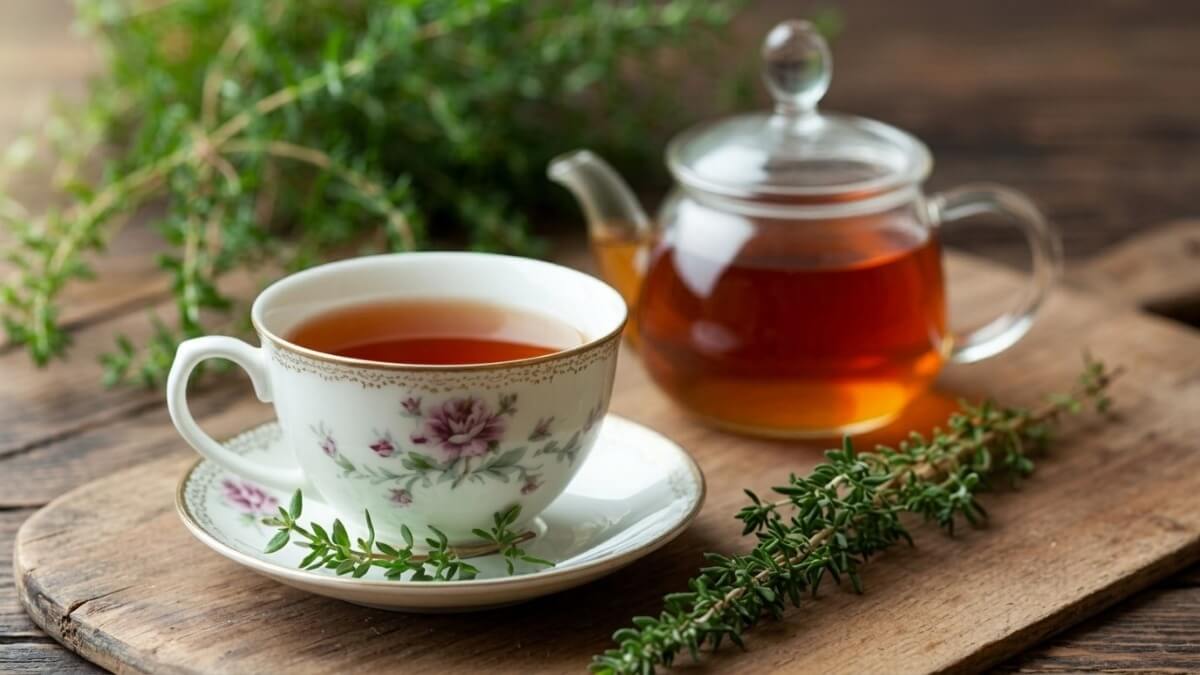
Thyme (creeping thyme) is a well-known spice used in many dishes for its distinctive, piquant taste and aroma.
However, its uses don’t end there—dried thyme is added to tea for its taste, aroma, and benefits.
In our article, we’ll discuss the medicinal properties, contraindications, benefits, and harms of black and green tea with thyme for the human body.
History and Folklore of Thyme (Creeping Thyme)
Our ancestors used thyme in magical rituals. Back then, it was called Bogorodskaya herb.
People believed that it would free them from and protect them from the evil eye, especially if the negativity came from a sorcerer.
People burned it as incense to purify rooms and ward off bad habits and negative energy.
Active Compounds and Nutritional Composition of Thyme
Thyme contains up to 1% essential oils, a third of which is thymol, which has anthelmintic, anti-inflammatory, and analgesic effects.
The plant contains tannins, oleic acid, various types of resins, gum, mineral inclusions, several vitamins, and natural dyes.
Health Benefits of Thyme Tea
Regular consumption of small amounts of thyme tea may strengthen the immune system, improve skin condition, stimulate appetite, eliminate migraines, relieve depression and insomnia, support vision, and invigorate and tone.
Benefits of Thyme Tea for Women
Some believe that thyme is an excellent remedy for fighting gynecological ailments.
Thyme preparations and decoctions may be prescribed by a physician for inflammation of the appendages, painful and prolonged periods, bleeding, hormonal imbalances, and during menopause.
Thyme can relieve migraines and improve milk supply in nursing mothers. .Thyme also has a diuretic effect and supports kidney function.
Benefits of Thyme Tea for Men
Thyme is a versatile herb for men’s health. In some cases, it has proven effective in neutralizing inflammation and infections in the genitourinary system. It can reduce urinary tract swelling associated with prostatitis, thereby improving urine flow.
Thyme may have a beneficial effect on the dynamics of treatment for erectile dysfunction.
During the consumption process, an additional amount of testosterone is produced, which helps to strengthen male potency.
The chemical compounds in thyme may positively affect the sperm life cycle. Thyme is said to have a positive effect on the time until ejaculation.
Thyme tea is also beneficial for men suffering from baldness. The ursolic acid it contains can stimulate hair follicles and promote hair growth.
In ancient times, infusions were used against alcohol addiction, causing nausea from drinking alcohol.
Is Thyme Tea Safe for Children?
Thyme can help children with dry coughs, whooping cough, bronchitis, and pneumonia. Taking thyme-based medications concurrently with the tincture is strictly prohibited. Baths with thyme can also help calm, improve sleep, and stimulate appetite.
Thyme Tea During Pregnancy and Breastfeeding
Pregnant women should be careful with dosage.
Doctors have not reached a consensus on whether thyme tea is beneficial or, on the contrary, dangerous during this period.
Some experts believe that the medicinal decoction can stimulate the uterus and lead to premature birth.
Therefore, before deciding to brew thyme tea, it is better to consult with your doctor.
Depending on the clinical picture of the pregnancy, he will advise whether it is worth giving up the aromatic drink or whether its consumption will not cause harm.
How to Harvest, Dry, and Store Thyme for Tea
Harvest the delicate, small flower clusters of thyme during their flowering period, from June to early autumn.
Dry exclusively in the open air until the thin stems begin to break when touched.
You can also dry thyme in a dryer, but keep the temperature below 40 degrees.
Dried thyme retains its potency for two to three years. After this period, the beneficial properties completely disappear.
Experts recommend storing the plant in a glass container with a tightly closed lid in a cool, dry place, away from foreign odors and direct sunlight.
Best Thyme Tea Recipes for Health and Relaxation
Many homeopathic specialists claim that thyme should be prepared without additives, as this way it retains more micro- and macroelements.
Others, however, say that combining it with various medicinal inclusions enhances its effect.
Classic Pure Thyme Tea Recipe
The classic recipe is used as a preventative measure against colds and viral illnesses, to help with gastrointestinal issues, to build strength, and to cope with insomnia.
It also strengthens the body overall.
The recipe calls for taking two small spoons of chopped stems and pouring one cup of boiling water over them. Let it steep for 10-20 minutes. Then strain the mixture and drink one-third of a glass at least three times a day.
Green Tea with Thyme
This light drink has a tonic effect, helps relieve colds, and supports digestion.
To prepare the infusion, brew regular green tea and add a pinch of dried thyme. Let it steep for five minutes, and the miracle remedy is ready to drink.
If you have a sweet tooth, add a spoonful of honey or a sugar cube. For added flavor, add a lemon slice.
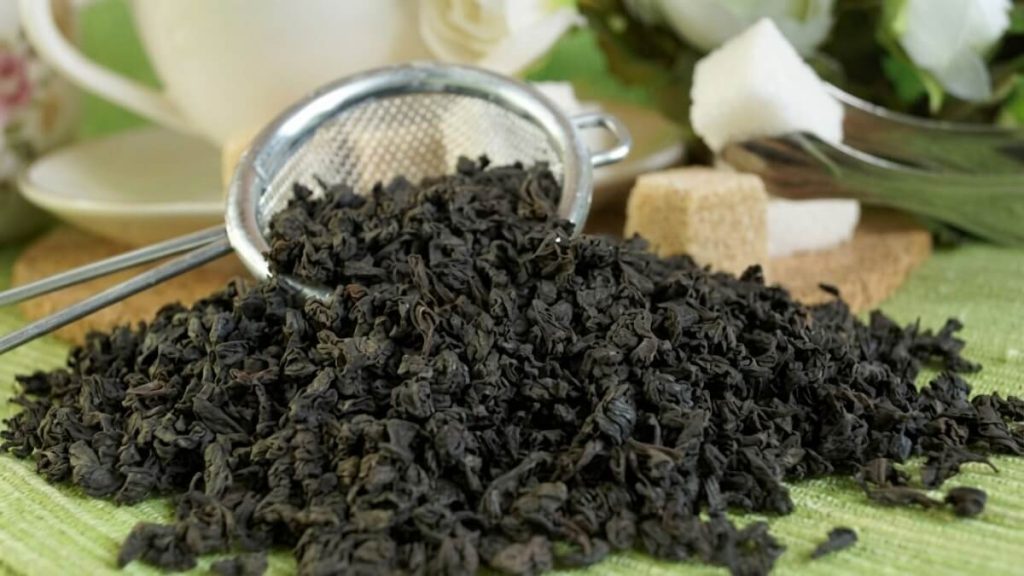
Black Tea with Thyme
Because this blend uses only a small pinch of thyme, you can enjoy it regularly as a daily beverage in moderate amounts.
Thyme adds a spicy note to the classic drink and refreshes the familiar taste.
Place your usual portion of black tea leaves and 1–2 pinches of dried thyme into a teapot, pour boiling water over them, steep for 5–10 minutes, and strain into cups.
Herbal Immunity Decoction with Thyme and Oregano
Many people are interested in the benefits of thyme tea for the body.
In addition to its general strengthening effect, it is an effective remedy for mild colds.
Regular use promotes rapid recovery. Thyme can be combined with other medicinal herbs, such as plantain, St. John’s wort, currant leaves, or lingonberry.
The choice of component depends on the type of acute illness.
To make an invigorating infusion, mix the ingredients 1:2 (for example, one part thyme and two parts oregano) in a cup, then pour boiling water over it.
A single dose is half a glass. Drink the remedy once a day. If you want to take a course of herbal therapy, use the infusions for 4-5 days.
Soothing Mint and Thyme Digestive Tea
Mint not only provides a refreshing aroma and quenches thirst, but also supports well-being.
Combined with thyme, it helps normalize intestinal function and relieve stomach problems.
To prepare the tea, mix thyme and mint leaves one-to-one and pour in 0.5 liters of boiled, purified water.
Wait until the liquid absorbs all the beneficial elements, then drink half a glass before each meal.
Vitamin-Rich Berry and Thyme Infusion
This decoction is necessary in spring and autumn, when the body lacks micro- and macroelements.
Place 1 tablespoon of rose hips, 1 tablespoon of lingonberries, and 1 teaspoon of thyme in a container, then add 2 glasses of warm water.
Infuse for 2-3 hours before use.
Many people wonder why thyme is included in berry tea. Biologists have proven that thyme can enhance the beneficial effects of medicinal components.
Thyme Tea for Weight Management
Of course, infusions alone won’t help you lose body fat, but when combined with exercise, diet, and massage, they can have a positive effect.
Its components can help reduce appetite, remove toxins, and support digestive health.
Although thyme is characterized as a diuretic, it does not remove useful components from the body, but, on the contrary, replenishes their deficiency.
Traditional Folk Remedies Using Thyme
Today, science knows about 170 varieties of thyme. The most common are creeping thyme and common thyme. In botany books, you may also encounter names such as fly-throat, thimbleweed, and frankincense.
The medicinal stems and leaves are used to prepare decoctions, alcoholic tinctures, essential oils, and teas. The latter method is considered the most accessible.
Herbalists have determined how often thyme tea can be consumed. In small doses, thyme tea offers benefits and the pleasure of its unique flavor and subtle aroma.
The usual method: add one tablespoon to a cup of boiling water and steep for 30-40 minutes. Take half a glass of the infusion no more than three times in 24 hours.
Thyme for Colds and Steam Inhalations
Mix a spoonful of creeping thyme infusion, freshly squeezed aloe juice, and aromatic honey until smooth, then drink.
It’s also used for inhalation. Regularly breathing in steam can effectively relieve acute respiratory infections.
The main thing is not to overdo it—15 minutes per session is enough.
After the procedure, dress warmly and avoid going outside for an hour.
Traditional Cleansing Infusion
To destroy harmful organisms and quickly cleanse the body, brew a mixture of 1 glass of water (room temperature or warm) and 3 g of thyme, then let it cool completely.
Take one tablespoon 5-6 times a day.
Thyme Compresses and Steam Baths for Healthy Skin
Flabbiness, pallor, enlarged pores, swelling and inflammation of the skin – all of this can be cured with thyme compresses.
To do this, pour the liquid onto a cotton swab and apply it to the desired area, changing it every few minutes.
For oily skin, use steam baths. Add one tablespoon of the herb to two cups of water and bring to a boil in an enamel bowl. Lean over the infusion and inhale deeply for 10-15 minutes.
Perform steam therapy no more than twice a month. It is contraindicated in cases of severe acne.
Light thyme mixtures are also used for regular daily skin rinsing.
Thyme for Coughs and Respiratory Relief
Thyme is a potent medicinal product used to treat acute respiratory viral infections and pulmonary diseases such as asthma, pneumonia, and bronchitis.
Decoctions and inhalations help loosen and clear phlegm and reduce inflammation.
Thyme Gargle for Sore Throats
You can prepare a healing drink in two ways: cold or hot.
Both require two tablespoons of crushed herbs. However, in one case, the mixture is boiled and ready to use after cooling, while in the other, it must be steeped for 8-10 hours.
Take a third of a glass of the potion or rinse your mouth vigorously with it.
Calming Herbal Blend with Valerian and Mint
Thyme-based tea also treats insomnia and fatigue. To relieve anxiety and calm the nervous system, mix thyme, valerian root, and Tibetan mint in a 1:1:2 ratio (thyme:valerian root:mint).
Pour hot liquid over the mixture and let it steep for at least half an hour. Take 1/3 cup of the mixture before each meal.
Digestive Herbal Blend with Caraway and Centaury
Herbal tea with thyme normalizes gastrointestinal tract function.
To maximize the benefits, mix equal parts fragrant mint, medicinal centaury, caraway, and thyme; add 2 teaspoons of the mixture and pour in 250 ml of boiling water.
Next, let everything infuse for 20 minutes, then drink 150 ml daily.
Composition and calorie content of thyme tea
Dried creeping thyme contains 101 kcal per 100 grams.
Thyme contains many essential oils with broad antifungal and antibacterial effects.
Thyme contains healing acids—ursolic, malic, and oleic.
The plant is a unique repository of tannins, vitamin and mineral complexes, flavonoids, and other elements.
External and Topical Uses of Thyme
For joint diseases, rheumatism, radiculitis, osteochondrosis, and sprains, rub the affected areas with oil or steam them in baths.
For joints, manufacturers produce an ointment made with melted butter, lard, and a thyme alcohol tincture.
The oil is thoroughly rubbed into the scalp to restore lost hair follicles and stimulate hair growth.
After insect bites, it is applied to inflamed areas to relieve itching and swelling. To relieve a runny nose, nasal drops made with thyme extract are used.
Dry crushed leaves are sprinkled on trophic ulcers and long-lasting wounds.
Despite these benefits, it is important to consider the contraindications and possible side effects of black tea with thyme.
Side Effects of Thyme Tea
The drink is only harmful if taken incorrectly. Exceeding the recommended dosage instead of the expected calm brings agitation and fear, triggering insomnia and nightmares. When combined with alcohol, the infusions cause low blood sugar.
When taking medications, carefully read the instructions and check for compatibility with thyme. Taking thyme may reduce the effectiveness of the pills.
Contraindications of Thyme Tea
It is better not to take drinks containing thyme leaves:
- children under two years of age;
- pregnant women;
- people with kidney failure;
- if you have problems with your liver and gastrointestinal tract;
- suffering from constipation;
- asthmatics and allergy sufferers;
- people with high blood sugar and cardiovascular pathologies;
- for problems with the thyroid gland.
It is best to consult your doctor before using this mixture, whether you are feeling unwell or not.
Conclusion: Using Thyme Tea Safely
The benefits and harms of thyme tea have long been observed and tested over time.
The drink is used both for prevention and as part of combination therapy for specific illnesses. Its primary use is to treat bronchopulmonary ailments and acute respiratory viral infections.
Decoctions can be drunk separately or in combination with other herbs.
In reasonable doses, the product is an indispensable source of micro- and macroelements; however, overuse can harm the body.