Fennel Seeds (Saunf): A Complete Guide to Health and Flavor
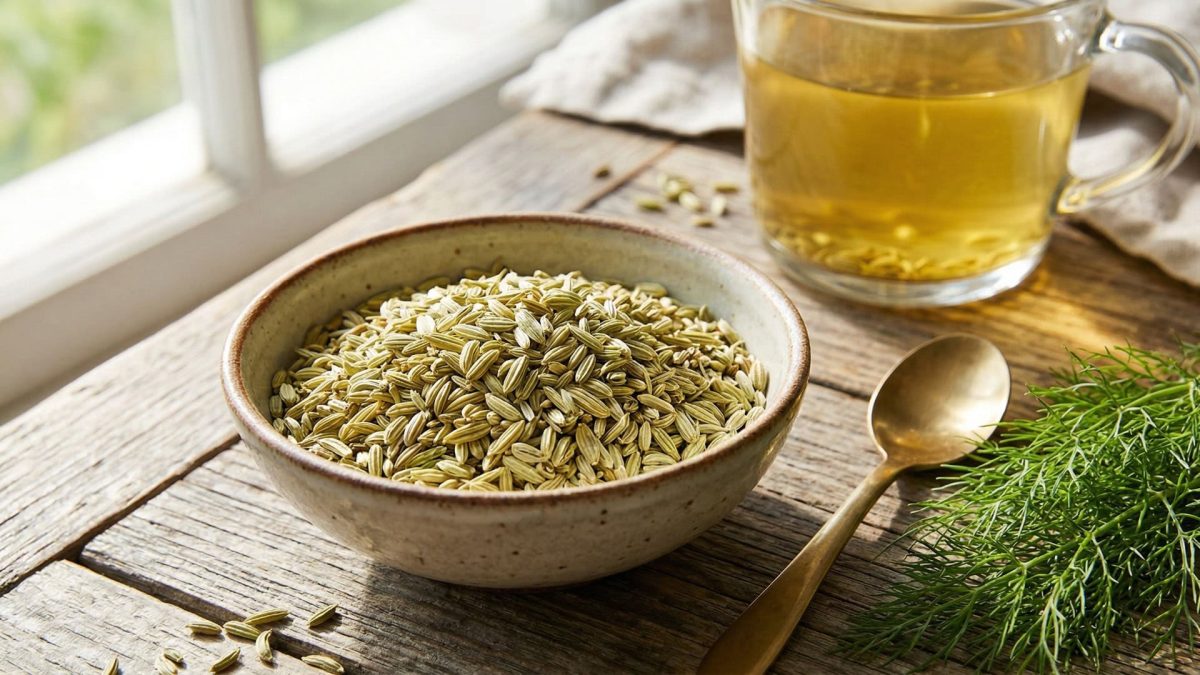
Many spices in our kitchens do much more than simply enhance the flavor of our meals. They are also incredibly beneficial for our health. One such remarkable spice is fennel. Known for its sweet aroma and wonderful taste, fennel is very familiar to all of us.
Chewing a little fennel after a heavy meal is a daily habit for many. However, the qualities of this tiny seed are not limited to just freshening your mouth. It has been used since ancient times to relieve a variety of physical ailments.
In today’s blog post, we will discuss the health benefits, nutritional value, and various uses of fennel seeds in detail. Let us explore why this small seed should become an integral part of your daily life.
What Are Fennel Seeds?
Fennel is an aromatic plant scientifically known as Foeniculum vulgare. It is originally a plant from the Mediterranean region, but today it is cultivated all over the world.
The plant looks very similar to a carrot or parsley plant. Its leaves are quite thin, and the flowers are bright yellow. The fennel seeds are primarily collected by drying the flowers of this plant.
The taste of fennel is mildly sweet, and its scent closely resembles licorice. It is widely used to enhance flavor in cooking and as an herbal remedy. In many South Asian countries, it is popularly known as “Saunf”.
The History and Traditional Uses of Fennel Seeds
The use of fennel seeds is not a recent discovery. It was highly valued in ancient Roman and Greek civilizations. Roman warriors believed that consuming fennel would increase their courage and strength.
The Greeks considered fennel to be a magical ingredient for weight loss. In ancient China, it was even used as an antidote for snakebites.
In the Indian subcontinent, fennel has held a special place in Ayurvedic medicine since ancient times. For thousands of years, it has been used to reduce stomach pain, improve eyesight, and eliminate toxins from the body.
Why Fennel Seeds Are Popular in Cooking and Ayurveda
From being a common spice in the kitchen to acting as a powerful medicine in Ayurveda, fennel reigns supreme everywhere. The main reason for this is its unique flavor and healthy properties.
Using fennel in cooking gives food a sweet, refreshing aroma. Especially in Bengali cuisine, fennel is a primary ingredient in the traditional five-spice blend known as Panch Phoron. Its use in meat curries, pickles, or sweet dishes is truly incomparable.
On the other hand, Ayurvedic texts consider fennel to be a Tridoshic element, meaning it balances the three doshas (Vata, Pitta, and Kapha) in the body. Its cooling effect reduces excess body heat and calms the digestive process. You can read more about this in this WebMD article.
Types of Fennel Seeds
You can usually find several types of fennel in the market. They differ slightly in color and taste. Let us learn about the main varieties of fennel.
Green Fennel Seeds
Green fennel seeds are somewhat smaller in size and have a bright green color. They are usually dried raw or under light sunlight.
The taste of this type of fennel is the sweetest. Therefore, green fennel is most commonly used as a mouth freshener after heavy meals. It is very easy to chew, and its fragrance is incredibly refreshing.
Yellow Fennel Seeds
Yellow or slightly dark-colored fennel seeds are a bit more mature and are dried in strong sunlight. They can be slightly larger than the green fennel seeds.
Their flavor is a bit stronger and more pungent. Yellow fennel is primarily used as a spice in cooking, in making pickles, or in spice blends. Its beautiful aroma spreads perfectly while cooking.
Wild Fennel Varieties
Wild fennel typically grows naturally in forests or along roadsides. They look slightly different compared to commercially cultivated fennel.
Their taste and smell are much more intense. Wild fennel is primarily used to prepare herbal medicines. Sometimes its roots or leaves are also used for medicinal purposes.
Nutritional Value of Fennel Seeds
This tiny seed hides a massive treasure trove of nutrition. It plays a great role in meeting our body’s daily nutritional needs. Let us see what nutrients it contains.
Calories and Macronutrients
Fennel is a very low-calorie food. One teaspoon of fennel contains only about 7 to 8 calories.
It contains small amounts of carbohydrates and protein. The fat content is almost nonexistent. Therefore, it is a great ingredient for those on a weight-management diet.
Vitamins and Minerals
Fennel contains plenty of vitamin C, which boosts our immune system. Moreover, it is an excellent source of calcium, iron, magnesium, and potassium.
Calcium strengthens bones, and iron helps eliminate anemia. Regularly consuming fennel helps replenish the body’s deficiency of these essential minerals.
Antioxidants and Plant Compounds
The strongest aspect of fennel is its antioxidant content. It contains powerful antioxidants like rosmarinic acid, chlorogenic acid, and quercetin.
A special volatile oil called anethole is present in fennel. It helps reduce inflammation and destroys harmful free radicals in the body.
Dietary Fiber Content
Fennel seeds contain a large amount of dietary fiber. Fiber is essential to keep our digestive system healthy.
One tablespoon of fennel provides about 2 grams of fiber. It helps keep our stomachs full for a long time and relieves constipation.
Top Health Benefits of Fennel Seeds
The habit of eating a small amount of fennel every day can keep your health in top shape in many ways. Below are some of its main health benefits.
Helps Boost Digestion
The most well-known benefit of fennel is its digestive power. It increases gastric enzyme secretion in the stomach.
As a result, food is digested very quickly and easily. Fennel is highly effective in relieving indigestion, heartburn, and acidity.
May Help Reduce Bloating and Gas
Fennel contains carminative properties. This means it helps expel excess gas from the digestive tract.
If you feel bloated or uncomfortable after eating a heavy meal, chewing a little fennel can provide quick relief. Fennel water or gripe water is also very popular for soothing colic or stomach pain in babies.
Rich in Antioxidants
There is no alternative to antioxidants when it comes to stopping free radical attacks and keeping cells healthy. The polyphenol antioxidants in fennel reduce the risk of chronic diseases like cancer.
Regular consumption of fennel reduces age-related wrinkles and brightens the skin. It protects the body’s internal cells.
Can Help Freshen Breath Naturally
Fennel has strong antibacterial properties. It destroys harmful bacteria inside the mouth.
Chewing fennel after meals easily helps remove bad breath (halitosis). It also increases saliva production in the mouth, which helps keep teeth clean.
Helps Maintain Heart Health
Fennel contains a lot of fiber and potassium. Fiber helps lower cholesterol levels in the blood.
Potassium, on the other hand, keeps blood pressure in check. When high blood pressure and cholesterol are controlled, the risk of heart disease naturally decreases.
May Help Balance Hormones
Fennel contains compounds called phytoestrogens, which act like the hormone estrogen. It is very useful in reducing period cramps in women.
Fennel also helps ease various physical discomforts during menopause. Additionally, it is traditionally used to increase breast milk supply in nursing mothers.
Fennel Seeds for Digestion: Why They Work So Well
There is a clear scientific explanation behind the massive popularity of fennel for digestive issues. Essential oils in fennel, like anethole, fenchone, and estragole, relax the muscles of our intestines.
When there are spasms in our intestines, they can cause stomach pain or gas. Fennel oil helps eliminate these muscle spasms and reduce inflammation in the digestive tract.
As a result, food can move very smoothly through the digestive system. Because of this calming effect on the gastrointestinal tract, fennel works so quickly for almost any digestive problem.
Fennel Seeds and Respiratory Wellness
Fennel is highly beneficial not just for the stomach but also for the respiratory system. It acts as a natural expectorant.
This means it helps clear phlegm (mucus) from the lungs and airways. Drinking fennel tea during colds, coughs, or bronchitis relieves throat pain and eases breathing.
Its anti-inflammatory properties reduce swelling and inflammation inside the throat. Fennel can also somewhat help reduce breathing difficulties for asthma patients.
Fennel Seeds in Traditional Ayurvedic Medicine
According to Ayurvedic texts, fennel is a sweet-tasting spice that has a cooling effect on the body. It plays a special role in calming the Pitta dosha.
The heat or burning sensation created in the stomach after eating excessively spicy food is instantly cooled by fennel. In Ayurveda, consuming fennel powder mixed with almonds and rock sugar is recommended to improve eyesight.
Ayurvedic experts also believe that it helps purify the blood and maintain normal kidney function. For more detailed information, you can check this Healthline guide.
Using Fennel Seeds in Daily Life
It is very easy to include fennel in your daily diet. Below are some of its common uses.
As a Mouth Freshener (Fennel After Meals)
Serving fennel after meals at restaurants or at home is a common tradition in South Asian countries. It aids digestion and imparts a wonderful fragrance to the mouth.
You can mix fennel with a little sugar or rock sugar and store it in a small box. You can chew a pinch of it every day after lunch or dinner.
In Cooking and Spice Blends
Adding a dash of fennel to Bengali cooking, especially vegetarian curries, lentils, or meat, creates a great taste. It is one of the main ingredients of Panch Phoron.
Using fennel powder in any type of kebab or grilled meat removes the strong odor of the meat. Fennel is also essential in making pickle spices.
Fennel Tea Recipe
One of the best ways to consume fennel is by brewing it into a tea. Boil one teaspoon of fennel in a glass of water for 5 to 7 minutes.
Then strain it and drink it while it is warm. You can add a little honey or lemon juice to enhance the taste. Drinking this tea on an empty stomach in the morning or before bed is extremely beneficial for health.
In Desserts and Sweets
The use of fennel in sweet dishes multiplies their flavor. In many cultures, fennel is used in various types of traditional pancakes and rice cakes.
Adding a little fennel powder while baking cakes or biscuits gives a wonderful flavor. Fennel can also be added to sugar syrups for sweets.
Popular Recipes Using Fennel Seeds
You can easily make wonderful foods and drinks at home using fennel. Here are a few simple recipes.
Fennel Tea
-
Ingredients: 1 teaspoon fennel seeds, 1 cup water, a little honey.
-
Instructions: Bring the water to a boil in a pot. Once the water boils, add the fennel seeds. Lower the heat and cover for 5 minutes. Then remove from the stove and strain. Serve mixed with honey once it cools down slightly.
Spiced Rice with Fennel
-
Ingredients: 1 cup basmati rice, 1 teaspoon fennel seeds, 2 tablespoons ghee, salt, and cashews.
-
Instructions: Heat the ghee in a pan and lightly fry the fennel and cashews. Then add the pre-washed rice and fry briefly. Add the required amount of water and salt, then cover and cook. Deliciously aromatic rice will be ready in no time.
Herbal Digestive Drink
-
Ingredients: 1 tablespoon fennel seeds, 1 tablespoon cumin seeds, 1 tablespoon coriander seeds, 3 cups water.
-
Instructions: Soak all the spices together in water overnight. In the morning, boil the water for 5 minutes, then strain it. Sip this detox water slowly throughout the day. It helps in weight loss and keeps the body cool.
Sweet Fennel Dessert
-
Ingredients: Roasted fennel seeds, grated coconut, jaggery or sugar.
-
Instructions: In a pan with a little ghee, cook the coconut and jaggery over low heat. Once the mixture becomes sticky, sprinkle the roasted fennel powder over it. Then make small, round, sweet balls and store them.
Fennel Seeds vs. Cumin: Key Differences
Although fennel and cumin look somewhat similar, there are quite a few differences between them. Cumin is slightly smaller and dark brown.
Fennel is a bit larger, and its color is light green or yellowish. The taste of cumin is slightly bitter and earthy, which suits spicy or savory dishes better.
But the taste of fennel is sweet, and the smell is very refreshing. Cumin is usually used as a base spice for curries, while fennel is used to enhance flavor and aroma.
Fennel Seeds vs. Anise: A Flavor Comparison
Anise and fennel have almost identical flavors. Both have a licorice-like scent because both contain a compound called anethole.
However, the taste of anise is much sharper and stronger than that of fennel. Anise is typically star-shaped (Star Anise), although regular anise seeds look somewhat small like fennel.
Anise is mostly used in European baking and sweet making, whereas fennel is more commonly used in the Indian subcontinent.
Potential Side Effects and Precautions
Fennel is a very safe ingredient in a regular diet. However, as with anything else, excessive use can have side effects.
Risks of Overconsumption
Consuming excessive amounts of fennel or fennel extract can cause nausea or stomach discomfort. Some compounds present in fennel essential oil can affect the nervous system if taken in excess.
Eating too much fennel can increase skin sensitivity to the sun. As a result, going out in the sun might cause rashes or sunburn.
Allergic Reactions
Those who are allergic to carrots, celery, or mugwort plants are likely to be allergic to fennel as well. This happens due to cross-reactivity.
If you have an allergy, you might experience symptoms like itchy skin, throat swelling, or breathing difficulties after eating fennel. In such cases, you should consult a doctor immediately.
Who Should Take Precautions
Pregnant women should avoid eating excessive fennel because it might stimulate uterine contractions.
Those who have hormone-sensitive cancers (like breast cancer) should avoid fennel because it acts like estrogen. Also, it is important to consult a doctor before giving excessive amounts of fennel tea or extracts to young children.
How to Choose High-Quality Fennel Seeds
Always buy high-quality fennel to ensure you get its full flavor and health benefits. When buying, make sure the color of the fennel is bright green or a clear yellowish color.
Fennel that is too pale or grayish in color might be old. Good fennel will have a fresh and strong aroma.
If possible, try to buy organic fennel. If you are buying packaged fennel, be sure to check the expiration date.
Proper Storage Tips for Maximum Freshness
Proper storage is very important to preserve the aroma and qualities of fennel. Always store fennel in a clean and airtight container.
Glass jars are the best for this purpose. You must keep the container in a part of the kitchen that does not get direct sunlight, and the area should be dry and cool.
Keeping it in a damp place can cause fungus to grow on the fennel. If stored correctly, fennel stays good for 6 months to 1 year. However, powdered fennel loses its smell quickly, so it is better to grind it right before use.
Frequently Asked Questions About Fennel Seeds
Can You Eat Fennel Seeds Every Day?
Yes, eating fennel in moderation (1 to 2 teaspoons daily) is completely safe and healthy. It helps improve digestion and maintain overall wellness.
Are Fennel Seeds Good for Digestion?
Absolutely. Fennel increases gastric enzyme secretion, relaxes the stomach muscles, and relieves gas. It naturally prevents indigestion and constipation.
Do Fennel Seeds Help Cure Bad Breath?
Yes, the antibacterial properties of fennel kill harmful bacteria in the mouth and freshen breath. It is an excellent natural mouth freshener.
Final Thoughts on Fennel Seeds (Saunf)
This little seed sitting in a small jar in your kitchen is actually a massive mine of goodness. Such an excellent combination of health and taste is found in very few spices.
Key Takeaways
We have learned that fennel not only boosts digestion but also supports heart health, balances hormones, and strengthens the immune system. It contains essential elements like fiber, vitamins, and antioxidants.
Why Fennel Seeds Are an Essential Kitchen Spice
Its wonderful aroma and sweet taste can make any ordinary dish extraordinary. From mouth fresheners to tea, desserts, and heavy curries, its versatility has made it an essential spice in the kitchen.
Simple Ways to Add Fennel Seeds to Your Daily Routine
There is no need for any major changes. Make it a habit to drink a cup of fennel tea every morning. Or chew a few fennel seeds after a heavy meal. This small habit can bring a huge positive change to your long-term health.
I hope this complete guide has helped you learn about fennel in detail. Stay healthy and build healthy eating habits.