
Dried Ginger (Sonth): Benefits, Uses, and Nutrition Guide
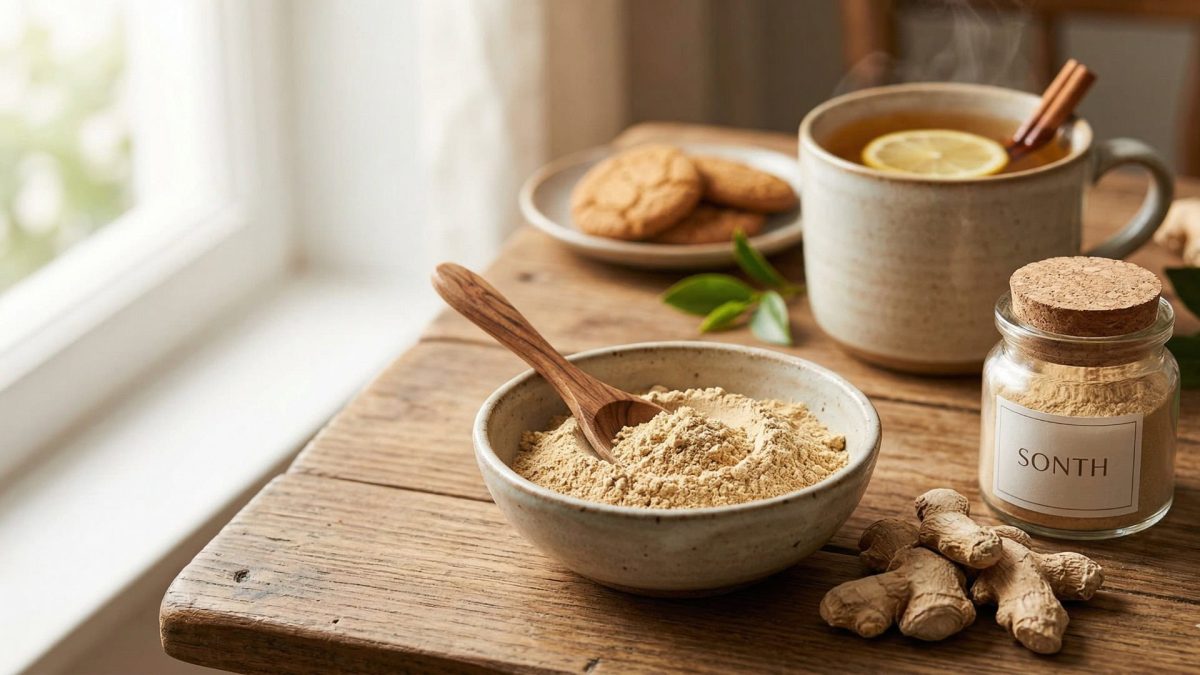
SOur kitchen spice rack hides many ingredients that not only enhance the taste of food but are also incredibly beneficial for health. One such extraordinary ingredient is dry ginger. It is also known to us as sonth or shunthi. For ages, it has been used to cure various ailments and elevate the flavor of culinary dishes.
This magical spice is made by drying fresh ginger. It possesses a strong and pungent aroma. It is unique not only in taste but also in nutritional value. In Ayurveda, it is considered a highly important herb.
In today’s detailed blog, we will learn everything about dry ginger. We will discuss in detail how it is made, its nutritional value, and the extraordinary benefits it can bring to our daily lives. Let us explore the world of this wonderful natural ingredient.
What is Dry Ginger?
Dry ginger is essentially a transformed version of fresh ginger. Fresh ginger is dried either scientifically or naturally in the sun to remove its internal moisture. Because it lacks moisture, it can be stored for a long time.
Compared to fresh ginger, dry ginger tastes a bit more pungent and sharp. It has a light brown color, and its surface is somewhat rough. It is available in the market whole or as a fine powder.
Besides cooking, it is widely appreciated as a medicine. The various bioactive components inside it help keep the body healthy. Therefore, it is valued in almost every country worldwide.
How Dry Ginger is Made
The process of making dry ginger is quite simple but requires considerable care and patience. First, mature and plump fresh ginger is harvested from the soil. Then, they are thoroughly cleaned and washed.
The outer skin of the washed ginger is carefully peeled off. Once peeled, they are cut into small pieces or left whole to dry in strong sunlight. This drying process can take from a few days to a few weeks.
Nowadays, special dryers or ovens are used commercially to dry ginger. As a result, it is possible to dry ginger hygienically in a very short time. Once completely dried, they are stored or ground into powder using machines.
History and Traditional Uses of Sonth
The use of ginger in human history dates back thousands of years. It was widely prevalent in ancient India and China. Dry ginger, in particular, was considered a priceless gem by ancient healers.
In ancient Sanskrit texts, sonth is referred to as “Maha Aushadhi” or the greatest medicine. In Ayurveda, it was used as a panacea for various diseases. It was the first choice for curing everything from stomach problems to colds and coughs.
In traditional Chinese medicine, it was used to dispel internal coldness and maintain energy balance. Ancient Romans and Greeks were also aware of its medicinal properties. They collected it through the spice trade.
Nutritional Value of Dry Ginger
Dry ginger is famous not only for its taste but also for its excellent nutritional profile. It contains essential nutrients the body needs. Below is a detailed discussion of its nutritional value.
Calories and Macronutrients
The calorie content in dry ginger is quite low. So, it is a great ingredient for those who want to keep their weight under control. It contains adequate amounts of carbohydrates and dietary fiber.
Fiber works wonderfully to keep our digestive system healthy. Moreover, it also provides a small amount of protein. However, the amount of fat in it is almost negligible. Therefore, it can be safely added to the daily diet.
Vitamins and Essential Minerals
This magical spice is rich in vitamins and minerals. It provides vitamin B6 and vitamin C. Vitamin C helps boost our immune system.
Among minerals, it contains iron, potassium, magnesium, and zinc. Iron helps eliminate anemia. Potassium keeps our heart healthy and plays a vital role in regulating blood pressure.
Magnesium and zinc strengthen our bone structure and enhance muscle function. So, consuming it regularly largely addresses mineral deficiencies in the body.
Antioxidants and Bioactive Compounds
Dry ginger contains an abundance of antioxidants. Antioxidants protect our bodies from harmful free radicals. As a result, premature cellular aging is prevented, and the risk of chronic diseases is reduced.
According to reliable health websites like Healthline, antioxidant-rich foods are essential for improving our overall health. The elements present in dry ginger keep our body refreshed from the inside.
Gingerol, Shogaol, and Other Active Ingredients
The main active ingredient in fresh ginger is gingerol. But when fresh ginger is dried, gingerol turns into another compound called shogaol through chemical changes. Shogaol is one of the most powerful compounds in dry ginger.
Studies have shown that the anti-inflammatory and antioxidant capacities of shogaol are much higher than those of gingerol. Besides, it contains another element called zingerone, which is responsible for its sweet and pungent aroma. Together, these elements make dry ginger a potent herb.
Major Health Benefits of Dry Ginger
Dry ginger offers many benefits for our good health. Below is a detailed discussion of its main health benefits.
Helps Boost Digestion
Dry ginger works like magic for digestive issues. It increases the secretion of digestive juices in the stomach. As a result, food is digested very quickly and easily.
It is highly beneficial for those who suffer from bloating, gas, or indigestion. Drinking a little sonth powder or sonth tea after a heavy meal greatly reduces stomach discomfort. It relaxes the intestinal muscles and smooths the digestive process.
May Help Reduce Nausea Naturally
Dry ginger is a proven natural remedy for nausea and motion sickness. Many people feel nauseous when traveling in a car. Keeping a piece of dry ginger in the mouth in such situations provides great relief.
Besides, it also helps reduce morning sickness in pregnant women. It can also play an effective role in reducing nausea in patients undergoing chemotherapy. It calms the nervous system and prevents nausea.
Packed with Antioxidants
As mentioned earlier, it contains plenty of antioxidants. These antioxidants help flush out toxic substances from our bodies. As a result, the function of the liver and kidneys remains healthy.
Regular consumption of antioxidant-rich foods increases skin radiance and delays the signs of aging. It helps keep our internal organs healthy and active.
Helps Boost Immunity
Dry ginger is highly effective in boosting the immune system. Its antibacterial and antiviral properties fight against various harmful germs. Especially in winter, it acts as a shield to protect against cold, cough, and fever.
Regular consumption of dry ginger tea helps heal throat infections and sore throats quickly. It enhances the function of white blood cells, which helps keep our body disease-free.
May Help Reduce Inflammation
It works wonderfully to reduce inflammation and pain throughout the body. It is a natural painkiller for people suffering from joint pain, arthritis, or muscle aches.
The shogaol inside it inhibits inflammation-causing enzymes. As a result, eating it regularly or applying its paste to the painful area significantly reduces swelling and pain.
Enhances Overall Well-being
Dry ginger plays a great role in maintaining overall well-being, not just curing specific diseases. It increases blood circulation and helps regulate blood sugar levels. It can be beneficial for those suffering from type two diabetes.
Research also shows that it helps lower cholesterol levels. This reduces the risk of heart disease. In other words, its ability to keep the body healthy and energetic from the inside is unparalleled.
Dry Ginger and Digestion
The relationship between digestion and dry ginger is very close. It has been used since ancient times to keep the stomach clean and the digestive system healthy. It aids in gastric emptying, sending food quickly from the stomach to the intestines.
For those whose food takes longer to digest, gas forms in the stomach, causing discomfort. Dry ginger accelerates this process. Additionally, it encourages the growth of beneficial gut bacteria, which is essential for a healthy digestive tract.
Health portals like WebMD also mention ginger’s effectiveness in addressing digestion-related problems. So, it is a reliable natural solution for a healthy stomach.
Sonth in Ayurveda and Traditional Medicine
In Ayurveda, sonth, or dry ginger, has been accorded a highly respected place. According to Ayurveda, our body depends on three doshas or constitutions. These are vata, pitta, and kapha. Dry ginger helps maintain a balance among these three doshas.
It is widely used to cure kapha and vata-related ailments, such as colds, coughs, and joint pain. Ayurvedic practitioners often mix sonth with various herbal medicines. It enhances the medicine’s effectiveness and helps the body absorb it more quickly.
Dry Ginger for Seasonal Wellness and Immunity
Our bodies are most vulnerable to diseases during seasonal changes. Especially during the monsoon and winter, there are outbreaks of various viruses all around. Dry ginger can be our best friend during these times.
A cup of hot sonth tea on a winter morning keeps the body warm from the inside and protects it from the severity of winter. During the monsoon, it helps protect against stomach infections and waterborne diseases. Its warming properties are highly effective in maintaining normal body temperature.
Dry Ginger vs. Fresh Ginger: Key Differences
Many people think fresh ginger and dry ginger are the exact same thing, so where is the difference? In fact, the drying process creates several fundamental differences between them. These differences are highlighted below.
Comparison of Taste and Aroma
Fresh ginger has a fresh, sharp, and somewhat lemony scent. While its taste is pungent, it is juicy. On the other hand, the taste of dry ginger is much more intense and sharp, with an earthy flavor.
When used in cooking, fresh ginger blends easily with food and brings a fresh vibe. But dry ginger adds a deep and warm flavor to dishes. So, their usage varies depending on the recipe.
Nutritional Differences
As it dries, the water content of fresh ginger evaporates. As a result, the nutrient concentration in dry ginger increases significantly. Fresh ginger contains a higher amount of gingerol.
But as mentioned earlier, gingerol converts to shogaol during drying. Shogaol is a much more powerful antioxidant. Therefore, for certain health issues, dry ginger is more effective than fresh ginger.
Culinary and Medicinal Uses
Fresh ginger is generally used more in curries, soups, marinades, and stir-fry dishes. On the other hand, dry ginger or its powder is used more in baking, sweet dishes, chutneys, and spice blends.
Their medicinal uses are also different. Fresh ginger is commonly used for nausea or simple colds. But in Ayurveda, dry ginger is preferred for curing chronic digestive problems or joint pain.
Using Dry Ginger in Daily Life
Dry ginger can be easily added to our daily routine. Because of its versatile uses, it is an essential ingredient in almost all kitchens. Some of its common uses are discussed below.
In Herbal Teas and Beverages
There is no better way to start the day than with a cup of herbal tea. Drop a pinch of dry ginger powder or a piece of crushed sonth into the boiling water of your tea. It will turn your regular tea into a wonderfully healthy beverage.
You can also drink detox water or lemon juice mixed with a little sonth powder. It boosts body metabolism and helps in weight loss. During winter, drinking warm milk mixed with a little sonth powder provides great comfort.
In Baking and Desserts
The use of dry ginger in baking is highly popular in Western countries. It is essential in making famous gingerbread or ginger cookies. Its warm flavor goes perfectly with sweet dishes.
Using a little ginger powder when making cakes, muffins, or puddings enhances their flavor and aroma. It can also add an excellent different dimension to traditional sweet foods or desserts made with jaggery.
In Spice Blends and Curries
Dry ginger is one of the main ingredients in any good garam masala blend. Using its powder in curries or meat dishes makes the flavor much deeper and more delicious.
Sprinkling a little sonth powder while tempering any vegetarian dish or dal spreads a wonderful aroma all around. Often, if fresh ginger is not available, dry ginger powder can be easily used as an alternative.
In Traditional Home Remedies
We have all seen dry ginger used in our grandmothers’ home remedies. If you have a sore throat, eating a little sonth mixed with honey works like magic.
During a headache, quickly making a paste of sonth powder mixed with a little water and applying it to the forehead can quickly reduce the pain. In case of stomach upset, drinking a glass of warm water mixed with a little salt provides great relief.
Popular Recipes Using Dry Ginger
Let us look at the use of dry ginger in some great recipes that can be easily made at home. These recipes are not only delicious but also highly beneficial for health.
Sonth Tea
Making sonth tea is the easiest. Let two cups of water boil on the stove. When the water boils, add half a teaspoon of dry ginger powder or a small piece of crushed sonth.
When the water boils down to one cup, take it off the stove and strain it. You can mix a little honey and a few drops of lemon juice to enhance the taste. This tea will remove all day fatigue and refresh the body.
Ginger Spice Cookies
You can make healthy ginger cookies for kids at home. Make a dough by mixing flour, butter, sugar, or jaggery with one teaspoon of dry ginger powder, a little cinnamon, and clove powder.
Then shape them into small cookies and bake them in the oven. These crispy cookies will be a hit with afternoon tea. It is as tasty as it is nutritious.
Herbal Decoction
There is no match for herbal decoction to boost immunity. Take water in a pot and boil it well with dry ginger, basil leaves, black pepper, and a little jaggery.
When the mixture thickens, take it down and drink it while it is slightly warm. Especially during winter or the rainy season, this decoction works like magic to help you avoid colds and fevers.
Traditional Winter Beverage
You can make a great drink to keep the body warm on winter nights. Mix a pinch of dry ginger powder, a little turmeric, and a spoonful of honey in a glass of hot milk.
Drinking this beverage before going to sleep ensures very good sleep. Moreover, it relieves muscle pain and keeps the body fresh and active the next morning.
Dry Ginger Powder vs. Whole Dry Ginger
Dry ginger is available in the market in two forms: whole sonth and powder. Many people are confused about which one is better to buy. Whole dry ginger stays good for a long time, and its aroma is not easily lost.
On the other hand, ginger powder is much more convenient to use and mixes easily with other ingredients during cooking. However, store-bought powdered spices can sometimes be adulterated. Therefore, if possible, it is best to buy whole ginger and grind it at home.
How to Make Dry Ginger Powder at Home
If you want pure and authentic ginger powder, you can make it at home. It is not a very difficult task. The steps are given below.
Selecting Fresh Ginger
First, buy good-quality fresh ginger from the market. Ensure that the gingers are firm, plump, and unblemished. It is better to avoid overly fibrous ginger.
Then soak the ginger in water, and clean the soil and dirt thoroughly. After cleaning, carefully peel the skin with a spoon or knife.
Drying Method
Cut the peeled ginger into thin, round slices. This will help them dry faster. Now spread the slices on a large tray and let them dry in strong sunlight.
If the sun is good, they will completely dry and become hard and crispy within 3 to 5 days. On rainy days, you can dry them at a very low temperature under the stove or in the oven.
Grinding and Storage Tips
When the gingers are completely dry, put them in a clean and dry blender or spice grinder and grind them very finely. After grinding, sifting them through a sieve will yield a very fine powder.
Your homemade pure dry ginger powder is ready. Store it in an airtight glass jar in a cool, dark place.
Potential Side Effects and Precautions
Although dry ginger is extremely healthy, excessive use can cause some problems. Everything should be consumed in moderation.
Digestive Discomfort from Overconsumption
While eating a small amount helps with digestion, overeating can have the opposite effect. Consuming too much sonth can cause heartburn, upset stomach, or diarrhea.
Due to its pungent nature, gastric problems can sometimes increase. Therefore, one should not consume more than 1-2 grams of dry ginger powder daily.
Potential Drug Interactions
If you regularly take any medication, it is important to be cautious before consuming dry ginger. It naturally thins the blood. So, those who are taking blood thinners should avoid it.
Also, it may interact negatively with diabetes and high blood pressure medications. Therefore, it is advisable to consult a doctor if you have a chronic illness.
Who Should Exercise Caution?
Pregnant women should consult a doctor before taking any herbal supplements. Although it reduces nausea, taking it in excessive amounts towards the end of pregnancy can be risky.
Those with gallstones or ulcers also need to take special precautions when consuming dry ginger. For children, the dosage should be very small.
How to Choose High-Quality Dry Ginger
It is important to choose high-quality, authentic dry ginger when buying at the market. When buying whole sonth, make sure they are light brown in color and free of skin.
The ginger should feel firm and heavy in the hand. Its smell will be strong and fresh. If you get any musty or damp smell, do not buy it. When buying packaged powder, always check the expiration date and ingredient list. If possible, choosing organically grown products is best.
Proper Storage Tips for Maximum Freshness and Potency
Proper storage is crucial to retaining the quality and aroma of dry ginger for a long time. Below are some of the best ways to store it.
Best Containers for Storage
Glass jars or containers are much better for storing spices than plastic containers. The aroma of spices cannot escape from a glass jar, and outside air cannot enter.
Ensure that the jar lid is completely airtight. If air enters, the spice’s aroma quickly degrades, and its potency decreases.
Protection from Moisture
The biggest enemy of any dry spice is moisture. Therefore, never scoop the powder with a wet spoon.
To protect it from moisture, you can keep a small packet of silica gel inside the jar. It will absorb the excess moisture inside and keep the spice completely dry and powdery. Make sure the storage area is away from direct sunlight or the heat of the stove.
Shelf Life and Freshness Indicators
If stored correctly, whole dry ginger can last for a year or more. And powdered ginger can usually retain its maximum aroma for up to six months.
If you see the spice fading in color or its familiar strong aroma is no longer there, understand that it is nearing expiration. Using it in food, then, will not yield the desired taste or benefits.
Frequently Asked Questions About Dry Ginger
People have various questions about dry ginger. Here are the answers to some such common questions.
Can You Eat Dry Ginger Every Day?
Yes, you can eat dry ginger every day in moderation. It is a great and safe ingredient to add to your daily diet.
However, the amount should not be too high. Consuming half a teaspoon to one teaspoon of ginger powder daily is considered safe for a healthy adult.
Is Dry Ginger Better Than Fresh Ginger?
It actually depends on your needs. For a fresh flavor in cooking, fresh ginger is best. But in terms of medicinal properties, especially for digestion and inflammatory issues, dry ginger is more potent.
Because the drying process significantly increases the concentration of beneficial compounds. Therefore, many consider dry ginger more effective for long-term health benefits.
What Is the Best Way to Use Dry Ginger?
The best use depends on what benefits you want to get. For general wellness, mixing it with tea is the easiest way. To enhance the taste of cooking, you can use it in curries.
And for stomach or digestion problems, drinking a little powder mixed in warm water is a highly effective method.
Dry Ginger in Global Cuisine
Not only in our region but also worldwide, dry ginger is highly valued in cooking. It is used in various ways in the culinary cultures of different countries.
Use in Indian Cooking
The use of spices in the Indian subcontinent is higher than in any other country in the world. Dry ginger is an essential ingredient in almost all famous spice blends here, such as garam masala, chaat masala, or tandoori masala.
It creates an excellent balance in rich meat curries, biryanis, and vegetarian dishes. It makes the taste of food much richer and deeper.
Use in Asian Sweets and Teas
In East Asian countries, especially China and Japan, it is widely used in a variety of sweet dishes and traditional teas. They use it to make various herbal drinks.
Dry ginger is used along with cinnamon to make the traditional Korean drink ‘Sujeonggwa’. It is one of their main festive beverages.
Application in Modern Culinary Arts
Its use is also evident in modern cafes and restaurants. ‘Ginger Latte’ or ginger-flavored coffee has become quite popular among the younger generation.
Besides, bartenders and chefs use dry ginger powder to make various fusion desserts, smoothies, and cocktails. It helps give any ordinary drink or food a premium look and taste.
Final Thoughts on Dry Ginger (Sonth)
Dry ginger, or sonth, is an invaluable gift from nature. It is truly surprising to learn about its qualities.
Key Takeaways
From this entire discussion, we have understood that dry ginger is not just a cooking spice; it is a powerful natural medicine. Its effectiveness is proven in everything from boosting digestion and enhancing immunity to reducing pain. If made and stored properly to maintain its nutritional value, it can be of great use in our daily lives.
Why Sonth Remains a Popular Traditional Remedy
Even after so much advancement in modern medical science, sonth or dry ginger holds its place. The reason is that it is completely natural and has no harmful side effects if used correctly. It is still popular today because it has been proven to be a trusted home remedy for generations.
Easy Ways to Add Dry Ginger to Your Daily Routine
For a healthy life, you can include this wonderful spice in your diet from today. You can start the day with a cup of sonth tea in the morning. You can sprinkle a little powder in curries while cooking. These small changes can play a huge role in protecting the overall health of you and your family.
Make this magical ingredient of nature a permanent member of your kitchen. May your every day be filled with good health and freshness.