
Lingonberry Mors Recipe: Health Benefits, Variations, and Storage Tips
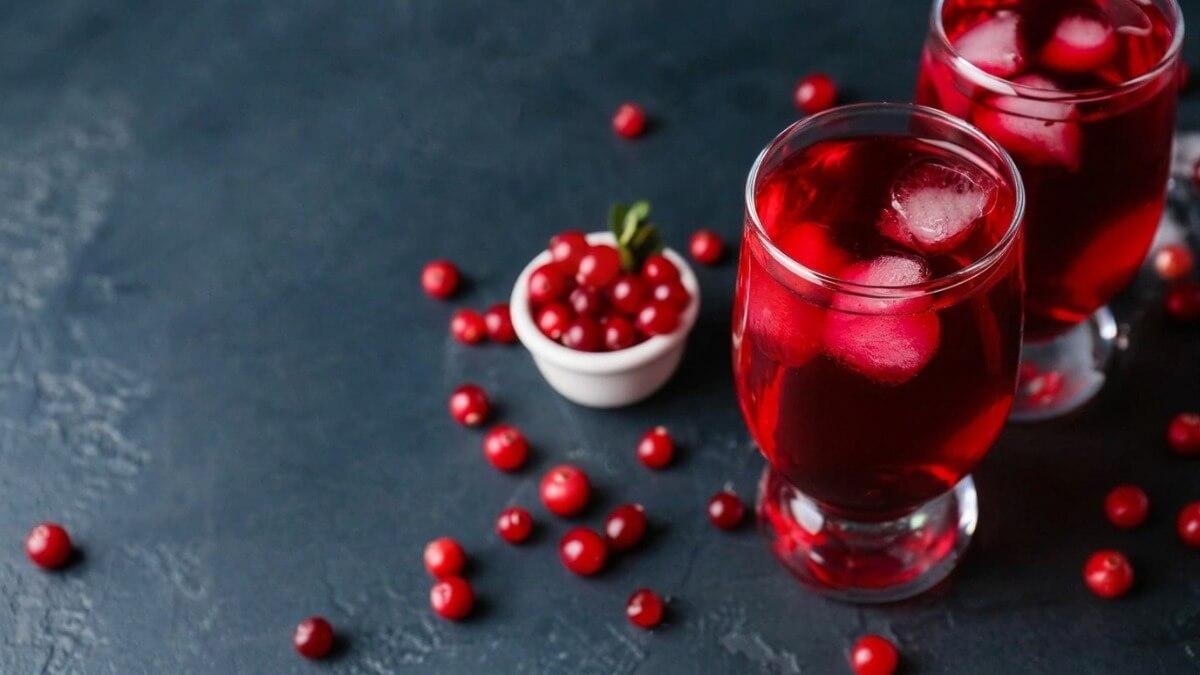
Mors and compote are often confused, but they’re prepared in fundamentally different ways. Lingonberries are ideal for making mors at home. Let’s explore how to make it and the recipe variations you can use.
What Is Lingonberry Mors?
Mors is simple: a cool or hot drink made from berry juice, water, and sugar or honey. Technically, it sits between compote and freshly squeezed juice, combining the best qualities of both.
The main difference from compote is the processing method. When making compote, the berries are simmered in water for a long time, imparting flavor to the syrup but reducing their vitamins and altering their texture. Mors, on the other hand, is based on separating fractions: the solid residue (pulp) undergoes minimal heat treatment only for disinfection and to extract residual flavor, and the pure juice is added at the very end without boiling. This preserves the berries’ vibrant aroma.
The difference from pure juice is dilution. Pure juice is often too harsh on the stomach because of its high acidity. Mors is a balanced drink. Water softens the lingonberries’ harshness, mellows the texture, and lets you increase the volume of the healthy drink without straining the stomach lining.
Health Benefits and Contraindications of Lingonberry Mors
Centuries of use in traditional folk medicine have confirmed the benefits of this drink. Lingonberry is a natural preservative with mild antibacterial properties due to its natural benzoic acid content.
-
Vitamin boost. Lingonberries are rich in vitamins C, B, A (beta-carotene), and E. Combined with organic acids, this creates a powerful antioxidant cocktail.
-
Fever-soothing and diaphoretic effect. The drink has a pronounced diaphoretic (sweat-promoting) effect. A warm fruit drink helps support hydration and comfort during a cold without straining the liver (though it should complement, not replace, medical care or prescribed antipyretics when needed).
-
Supports the immune system and urinary tract. Thanks to lingonberries’ organic acids and proanthocyanidins, moderate consumption of the fruit drink can support prevention of urinary tract discomfort and colds. The berry also has a mild diuretic effect that helps remove excess fluid from the body, reducing mild swelling.
Despite its natural ingredients, fruit drink consumption should be approached with caution. Due to its diuretic effect and organic acids, excessive consumption can put unnecessary strain on the kidneys of pregnant women. A safe dose is usually 1–2 glasses per day, after consulting a doctor. Also, the high acidity can irritate the stomach in young children. Children under three should be given fruit drink with caution, starting with small doses, and always dilute it with more water or sweeten it lightly—note that honey must never be given to infants under 12 months old due to the risk of infant botulism.
How to Select and Prepare Lingonberries
The quality of mors depends directly on the condition of the raw material. Choose firm, dry berries with a bright red color. A natural white, matte bloom on the surface signals freshness; don’t rub it off with your fingers. Inspect the bottom of the container: many bruised, brown berries indicate an old harvest.
Frozen lingonberries are an ideal winter option. Flash freezing preserves their cell structure perfectly. When buying loose berries at the store, shake the bag: if you feel a solid block of ice inside, the product was defrosted and refrozen; juice made from such berries will taste bitter.
Fresh lingonberries should be sorted to remove any debris, leaves, or bruised fruit. Wash the berries in small batches in cold water, changing the water 2–3 times. The main rule for frozen lingonberries is to avoid warm water or microwaves. Rapid heating destroys the pectin and causes the skins to shrink prematurely. Defrost the berries slowly: either on the top shelf of the refrigerator overnight or at room temperature in a colander. Save the dark juice released during thawing—it’s the most concentrated part of the future drink.
Classic Lingonberry Mors Recipe
This method is considered canonical, as it provides an ideal balance between preserving vitamins and ensuring microbiological safety.
Ingredients and Proportions
-
Lingonberries: 500 g
-
Drinking water: 2 liters
-
Sugar: 100–150 g. Lingonberries are very tart, so sugar here serves not just as a sweetener but as a flavor balancer. If using honey, add it only when the drink has cooled below 40°C (104°F).
How to Make Lingonberry Mors Step by Step
-
Transfer the prepared berries to a non-metallic bowl (glass, ceramic, or food-grade plastic). Using a wooden pestle or potato masher, mash the berries thoroughly. The goal is to break each berry so that the pulp mixes with the juice. Using a blender is acceptable, but high-speed blades may crush the seeds, adding unnecessary bitterness to the drink.
-
Line a deep bowl with a double layer of cheesecloth or a fine-mesh sieve. Add the berry puree and squeeze it thoroughly by hand. Pour the clear, thick juice into a glass container and refrigerate. Make sure it is not added to boiling water.
-
Place the remaining pressed skins and pulp in a saucepan. Cover with clean, cold water. Bring to a boil and simmer for exactly 5 minutes. This is enough time to extract any remaining aroma and sanitize the infusion.
-
Strain the hot infusion through the same cheesecloth or sieve to catch any small pulp fibers. Add sugar to the hot liquid and stir until completely dissolved.
-
Let the infusion cool to at least lukewarm. Now pour in the reserved cold juice. Stir gently, taking care not to whip in excess air. Chill in the refrigerator.
Frozen Lingonberry Mors
Preparing frozen berries has its own nuances. Freezing makes the cell walls fragile, so the berries release their juices much more easily and quickly than fresh ones. Don’t let frozen berries sit in water at room temperature—they’ll turn into a watery mess. If you don’t have time for a long defrost, drop them directly into a pan of cold water while still ice-cold, then mash them immediately with a spoon.
Cold dulls the sweet taste buds. What seems normal in sugar when hot will taste sour in an ice-cold glass. Therefore, taste the drink after it’s completely cooled and chilled before making any final adjustments.
No-Cook “Live” Lingonberry Mors
The “live” fruit drink method is chosen by those who want to maximize heat-sensitive vitamins during cold and flu season. Mash the berries with sugar in a 1:1 volume ratio. Sugar draws out moisture, acting as a natural preservative. Leave the mixture at room temperature for several hours, stirring occasionally, until the crystals completely dissolve. Then add 2 liters of cold boiled or filtered water, mix well, and let steep in the refrigerator for 6–8 hours. Before serving, strain the drink through a fine cloth or sieve; otherwise, the skin particles will create an unpleasant gritty sensation on the teeth. Store this uncooked fruit drink in the refrigerator for no more than 2–3 days.
Cranberry and Lingonberry Mors
This is a classic northern mix. Cranberries add a crisp, festive acidity and extra vitamin C, while lingonberries provide depth, tartness, and a beautiful dark color. The proportions are usually equal, but if you want to emphasize the smoothness, increase the lingonberry content. Remember that the combined acidity of this duo is higher, so you’ll need to increase the sugar by about 20%.
How to Serve and Store Lingonberry Mors
Serve lingonberry mors hot in brisk autumn weather or at the first sign of a chill. Warm a serving and add a cinnamon stick, a star anise, or a couple of slices of fresh ginger. In summer, you can also serve this drink over ice. Add a slice of orange or a sprig of rosemary—the pine aroma complements the wild berries beautifully.
Moreover, strong lingonberry mors is an ideal base for non-alcoholic mulled wine or a sauce for red fish and game.
Freshly brewed mors, made using the classic method, can be stored in a sealed glass jar or bottle in the refrigerator for up to 72 hours. After this time, gradual fermentation begins due to residual sugar. Uncooked mors will keep in the refrigerator for 2–3 days. For longer storage, you can pasteurize mors: bring the finished drink to 80–90 degrees Celsius (176–194 degrees Fahrenheit) without boiling; pour into dry, sterilized jars and seal tightly. This home-canning method allows you to store the prepared mors in a cool pantry for the winter.
Mors also freezes well. Pour it into freezer-safe bottles (leaving headspace for expansion) or zip-lock bags and freeze. In winter, just move the bottle from the freezer to the refrigerator door, and in 24 hours you’ll have a fresh, ice-cold drink.