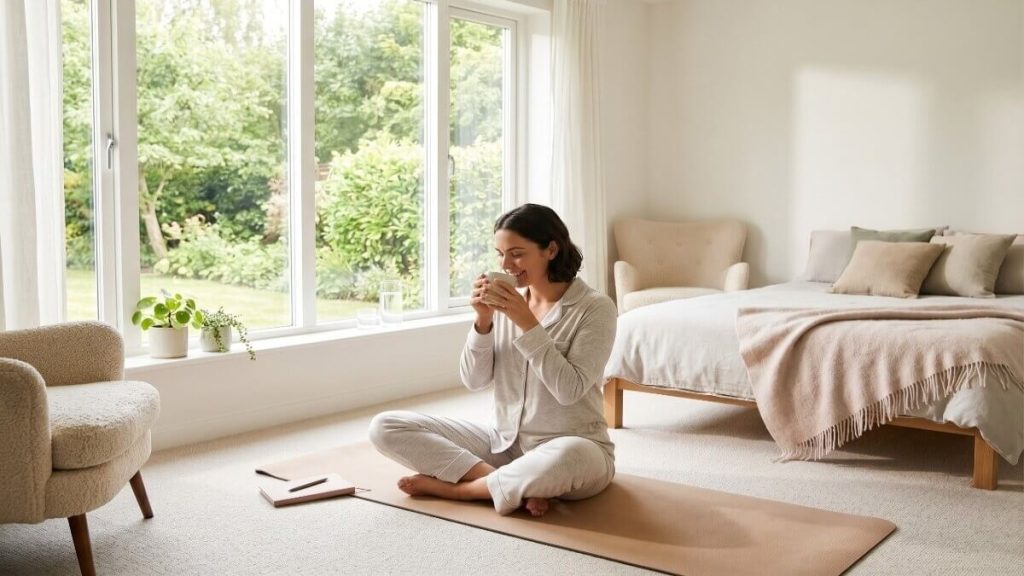
Mindfulness Meditation for Beginners: How to Start and 7 Essential Tips
In this guide to mindfulness meditation for beginners, we’ll introduce you to meditation and share tips to help you start your meditation journey.
Mindfulness meditation is a simple practice that, when done regularly, can transform your life. Through meditation, we can discover and befriend our own mind. Let’s get started!
Meditation for Beginners: What Is Meditation?
Meditation is a practice that works with our mind, revealing its natural qualities: calm, open, and alert. When we meditate regularly, these qualities manifest.
Of the many types of meditation, we recommend you start with mindfulness meditation.
There are many types of meditation, and we recommend starting with mindfulness meditation. Mindfulness meditation (Sanskrit: Shamatha, “calm abiding”) is common in Buddhist traditions and is also widely used in secular traditions, such as the Mindfulness-Based Stress Reduction (MBSR) practice developed by Jon Kabat-Zinn.
If you practice mindfulness meditation regularly, you’ll begin to experience calm, relief from stress and anxiety, and the clarity most people associate with meditation. From there, meditation becomes a never-ending journey with all sorts of beneficial effects.
How to Meditate for Beginners: Simple Instructions
In this section, we’ll discuss general meditation steps for beginners.
First, before you begin meditating, find a quiet, comfortable place where you won’t be disturbed. You can sit on a chair or cushion, or even lie down if that’s more comfortable.
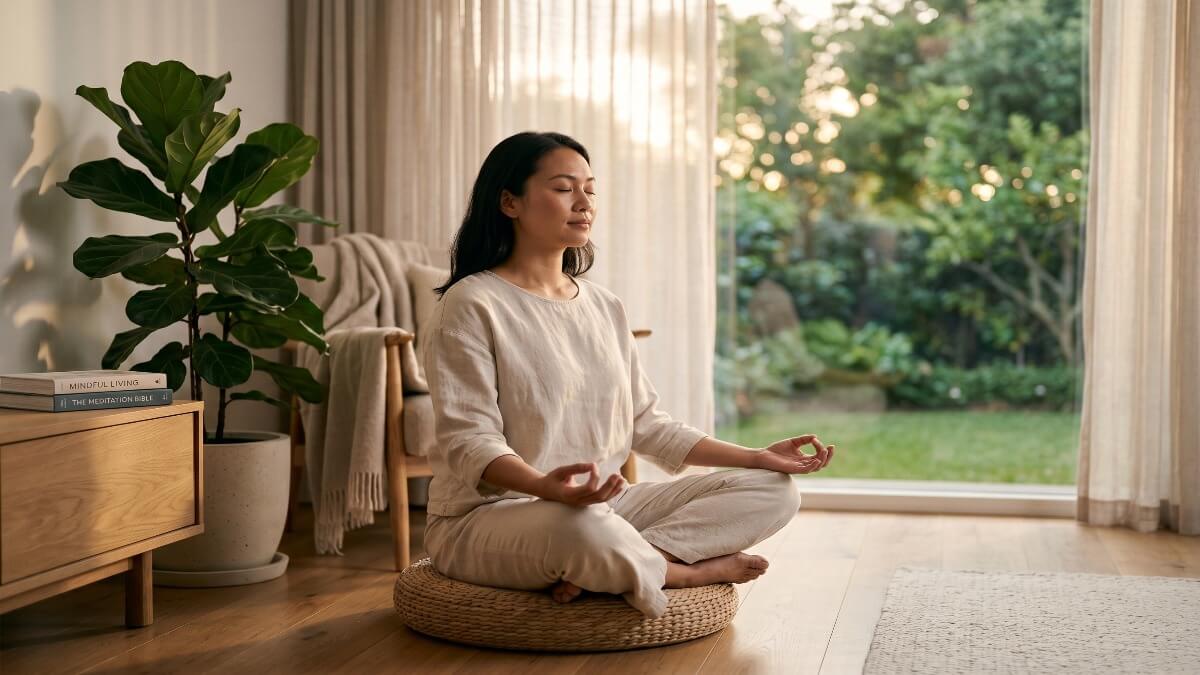
Meditation postures vary by tradition, and there are many types of sitting (the most common), lying, and standing postures. Here are a few possibilities:
To begin, I recommend choosing a simple, comfortable sitting position. Start with a chair, as it minimizes physical distractions as you begin meditating.
Whatever posture you choose, keep your spine straight, as this supports a calm, alert mind.
Whatever pose you choose, make sure your spine is straight.
2. Mindfulness of Breathing
The next element is mindfulness of breathing. This means simply paying attention to the sensation of each breath entering and leaving your body.
Pay simple attention to your breathing.
It should be gentle. You won’t have to focus or “concentrate” on your breathing, the way you might concentrate to take a test.
Instead of “concentration,” mindfulness is more like paying attention while riding a bike: we notice the bike in a simple way, and at the same time we have space to rest and become aware of our body, mind, and environment.
3. Let Thoughts Arise Naturally
While you’re sitting (or standing, or lying down) with good posture and observing your breathing, thoughts will constantly arise. Simply let them come and go, without trying to push them away or engage with them.
For example, if you wonder what you will have for lunch, simply notice the thought without trying to stop it or visualize the food you have at home, restaurants in the area, and so on.
Just let the thoughts come and go without trying to push them away or engaging with them.
4. Return to Your Breath When Your Mind Wanders
This leads to one of the most important meditation tips for beginning practitioners: expect your mind to wander, and don’t get frustrated or upset when it does.
When you meditate, you’ll find your mind wandering and distracted by thoughts. (For example, you might notice your attention being occupied by imagining restaurants in the area.) This is completely normal! Simply notice when your mind wanders and gently return your attention to your breathing.
When you notice your mind wandering, gently bring your attention back to your breathing.
Do this for as long as you like. When you’re just starting meditation, consider keeping your sessions short and sweet. You might especially want to end a session if you find yourself getting bored or nervous (which is perfectly normal!): you want to prioritize enjoying your meditation practice rather than struggling with discomfort.
7 Meditation Tips for Beginners
Here are some key tips for beginners to help you begin your meditation journey:
1. Start with Short Sessions
Start with short meditation sessions, just a few minutes each. As you become more comfortable with the practice, you can gradually increase the length of your sessions. Again, think twice about “pushing through” any difficulty (such as intense boredom or impatience) when you first begin, as forming unpleasant associations with meditation early on can make it difficult to maintain a regular practice.
2. Make It a Daily Habit
Like any practice, meditation benefits most when you practice regularly. Try to meditate every day, even if it’s just for a few minutes. One way to do this is to make meditation part of your daily routine; for example, try meditating for a few minutes in the morning or as the last thing in the evening. Making it part of your routine makes it easier to stick with the practice.
3. Always Feel Physically Comfortable
Find a comfortable position, whether you’re sitting, standing, or lying down with your spine straight. Make sure you’re physically comfortable, and don’t be afraid to try different meditation cushions or meditate in a chair to achieve this. Don’t worry about sitting in the lotus position or any other “supposed” way to meditate, as physical discomfort may discourage you from continuing.
4. Don’t Try to Stop Thinking
This needs to be emphasized. Mindfulness meditation isn’t about completely clearing your mind or remaining thoughtless. It’s normal for thoughts to come and go, and we can acknowledge them and let them pass without getting caught up. It’s also normal for the mind to wander—when you notice it wandering, simply return to gently observing your breath.
5. Don’t Judge Yourself
Again, meditation isn’t a competition with ourselves to clear our minds, remain completely undistracted, or otherwise achieve what we might imagine the “perfect” meditation experience to be. Meditation is about being gentle—with ourselves and others—and we can start early by noticing our practice and relaxing our sense of how it “should” be.
6. Pay Attention to the Setting
The place where you meditate can greatly impact your experience. A quiet, calm environment can help create a sense of serenity, reduce distractions, and help you focus on your meditation practice. Try meditating at home, and consider finding a meditation center near you, which may also offer support from a community of other practitioners.
7. Use Guided Meditations
Guided meditations can be a great way to get started, especially if you’re new to the practice. Guided meditations are recordings that guide you through a meditation session, providing suggestions and instructions along the way. You can find them online or in meditation apps like Calm or Insight Timer, and they can help you relax and open up.
How to Meditate for Beginners: Final Thoughts
I hope you enjoyed these meditation tips for beginners.
The key, starting out, is to make sure you are physically and mentally comfortable.
The key when starting out is to make sure you’re physically and mentally comfortable, and experiment to find out how meditation fits best into your daily life.
Meditation can be the foundation of a happy life. I hope you have a wonderful first experience with it!