
The Ultimate Guide to Coffee: Benefits, Types, and Nutrition Guide
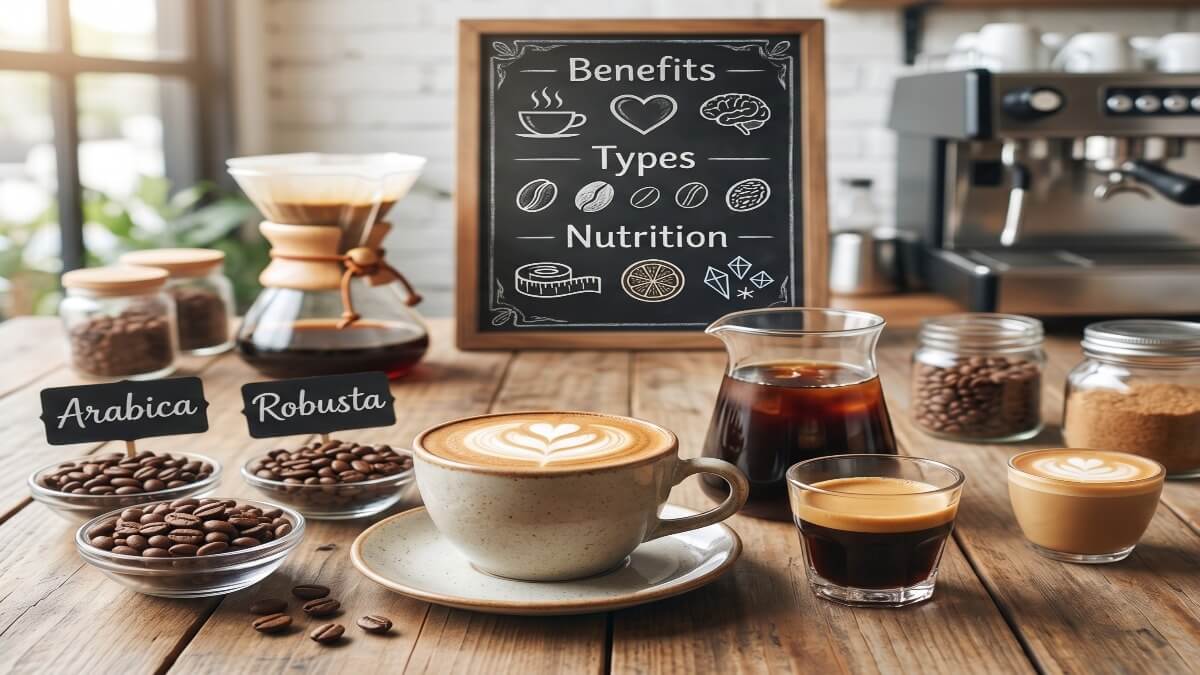
What Is Coffee and Why Is It So Popular Worldwide?
Coffee is more than just a beverage. It is the morning inspiration for billions of people around the globe. Many people cannot even start their day without a hot cup of coffee. Its incredible aroma and the stimulating effects of caffeine have made it one of the most popular drinks in the world.
There are many reasons why people love coffee so much. It not only eliminates fatigue but also serves as an excellent medium for social gatherings. Let us dive deep into this expansive world of coffee.
The Fascinating History and Origins of Coffee
The history of coffee is quite fascinating and ancient. Legend has it that a goat herder named Kaldi in 9th-century Ethiopia first discovered the stimulating effects of coffee. He noticed that his goats became much more energetic and playful after eating the red cherries from a specific tree.
After this discovery, coffee gradually spread to the Arabian Peninsula. By the 15th century, coffee cultivation had begun in Yemen. From there, it spread to Europe and gradually established its reign across the world.
How Coffee Is Grown, Harvested, and Processed
Coffee is primarily a tropical plant that grows best in regions near the equator. This area is commonly called the “Bean Belt.” After planting a coffee tree, it takes about three to four years to bear fruit.
When coffee cherries ripen, they are carefully harvested by hand or with machines. The outer layers of the cherry are then removed through processing to extract the green coffee bean inside. This processing can be done using either the dry or wet method.
Understanding the Journey From Bean to Cup
Green coffee beans go through many steps before reaching your cup as a delicious beverage. After processing, the beans are dried and graded. Then the roasting process begins.
It is through roasting that coffee beans acquire their true flavor and aroma. Depending on the temperature, a light, medium, or dark roast is created. The roasted beans are then ground and mixed with hot water to create your favorite coffee.
Explaining the Different Coffee Bean Species
Although there are many species of coffee plants in the world, two species are primarily cultivated. These are Arabica and Robusta. Aside from these two, there are other species like Liberica and Excelsa, but they are not produced commercially on a large scale.
Each coffee bean species has its own distinct flavor, aroma, and caffeine level. Their characteristics vary with the environment and soil quality.
Arabica vs. Robusta Coffee: What Is the Difference?
Arabica coffee accounts for about 60 to 70 percent of the total coffee production worldwide. It usually grows at high altitudes, and its taste is quite sweet, smooth, and slightly fruity. The caffeine content in Arabica is relatively low.
Robusta coffee, on the other hand, grows easily in lower areas and is highly resistant to diseases. Its flavor is much stronger, slightly bitter, and earthy. Robusta contains almost twice as much caffeine as Arabica.
| Feature | Arabica | Robusta |
| Flavor Profile | Sweet, smooth, fruity | Strong, bitter, earthy |
| Caffeine Content | Lower (~1.5%) | Higher (~2.7%) |
| Growing Altitude | High altitudes | Low altitudes |
| Market Share | 60-70% | 30-40% |
The Nutritional Value and Health Benefits of Coffee
Coffee is not just a source of caffeine. It contains many nutrients beneficial to the human body. Drinking coffee in moderation can be part of a healthy diet.
Coffee Nutrition Facts
A regular cup of black coffee contains almost zero calories. However, it does have several important vitamins and minerals. Coffee contains riboflavin (Vitamin B2), pantothenic acid (Vitamin B5), manganese, potassium, and magnesium.
Although the amounts of these nutrients in a single cup are not very high, they positively impact the daily nutritional needs of those who drink a few cups a day.
Main Compounds Found in Coffee
There are more than a thousand bioactive compounds in coffee. The most well-known of these is caffeine, which stimulates our nervous system. Aside from caffeine, coffee contains high amounts of chlorogenic acid.
Chlorogenic acid is a powerful antioxidant. Coffee also contains certain diterpenes called cafestol and kahweol, which can affect the body’s cholesterol levels.
Top Health Benefits of Drinking Coffee
Numerous studies have been conducted worldwide regarding the health benefits of drinking coffee. When consumed properly, it helps reduce the risk of type 2 diabetes, liver diseases, and certain types of cancer.
According to research from the Harvard T.H. Chan School of Public Health, people who drink coffee regularly and in moderation have a lower risk of premature death. It works wonderfully to keep the liver healthy.
How Coffee Can Boost Energy and Mental Focus
The caffeine in coffee quickly absorbs into the bloodstream and reaches the brain. Once in the brain, it blocks an inhibitory neurotransmitter called adenosine.
When adenosine is blocked, levels of other neurotransmitters, such as dopamine and norepinephrine, increase. As a result, our fatigue disappears, and our mental focus and energy multiply.
Coffee and Brain Health: What the Research Says
The risk of Alzheimer’s and Parkinson’s diseases increases with age. Many studies have shown that those who drink coffee regularly have a much lower risk of developing these neurological disorders.
Caffeine and the antioxidants in coffee protect brain cells from damage. Coffee is incredibly beneficial for memory retention and overall brain function.
The Role of Coffee in Physical Performance and Exercise
Drinking a cup of black coffee before exercising or going to the gym is very popular among athletes. Caffeine stimulates our nervous system and increases adrenaline levels in the blood.
The hormone adrenaline prepares our bodies for intense physical exertion. It breaks down the body’s fat cells and mixes them into the blood as fatty acids, which the body can then use as fuel.
Can Coffee Help With Weight Management?
Coffee helps increase your metabolism. Caffeine can boost the metabolic rate by 3 to 11 percent. As a result, the body can burn calories faster.
Black coffee is best for weight loss because it contains no added sugar or milk. It also helps to somewhat suppress your appetite.
Antioxidants in Coffee and Their Health Benefits
For many people following a Western diet, coffee is the single largest source of antioxidants. Antioxidants protect our bodies from the harmful effects of free radicals.
Free radicals cause oxidative stress in the body, which leads to aging and various chronic diseases. The antioxidants in coffee prevent this cellular damage and keep the body healthy.
Coffee and Heart Health: Benefits and Considerations
It was once thought that coffee might be harmful to the heart. However, many current studies suggest that moderate coffee consumption reduces the risk of heart disease. Regularly drinking 1 or 2 cups of coffee also lowers the risk of stroke.
People with high blood pressure should be cautious about drinking coffee. Caffeine can temporarily spike blood pressure.
How Much Coffee Is Safe to Drink Daily?
According to the U.S. Food and Drug Administration (FDA), it is completely safe for a healthy adult to consume up to 400 milligrams of caffeine a day. This is roughly equal to 4 cups of brewed coffee (about 945 ml).
However, sensitivity to caffeine varies from person to person. It is wisest to determine your coffee intake based on how your own body reacts.
Exploring Different Types of Coffee
The world of coffee is vast and diverse. Coffee is prepared and served in many different ways across the globe. Based on your taste and preferences, there are numerous coffee options available.
Popular Coffee Drinks Around the World
From Italy’s espresso to Vietnam’s iced coffee, every culture has its own style of making coffee. Drip coffee is very popular in America, while in Turkey, very finely ground coffee is boiled in water to make Turkish coffee.
This variety saves coffee from becoming boring. You can choose to taste a new type of coffee every day if you want.
What Is Espresso and How Is It Made?
Espresso is a very thick and strong-tasting coffee. To make it, hot water is forced under high pressure through finely ground coffee.
A perfect espresso shot has a light brown layer of foam on top, which is called “crema.” Espresso is usually served in small cups and serves as the foundation for many popular coffee drinks.
Understanding Cappuccino, Latte, and Macchiato
Cappuccino, latte, and macchiato are all made with a mixture of espresso and milk. The difference lies in the ratio of milk and foam.
A cappuccino typically contains one-third espresso, one-third hot milk, and one-third milk foam. In a latte, the amount of hot milk is higher, and there is very little foam. A macchiato is simply a shot of espresso topped with a small dollop of milk foam.
Cold Brew vs. Iced Coffee: Key Differences
Both cold brew and iced coffee are incredibly refreshing on a hot day. There is a big difference in how they are made, however. Iced coffee is brewed hot using regular methods and then cooled down with ice.
To make cold brew, coffee beans are steeped in cold or room-temperature water for 12 to 24 hours. This makes cold brew much smoother, less bitter, and less acidic.
Specialty Coffee and Third-Wave Coffee Culture
Specialty coffee refers to high-quality coffee beans that have scored 80 or higher on a 100-point scale. Third-wave coffee culture treats coffee not merely as a commodity but respects it as an art form.
This culture emphasizes the origin of the coffee, direct trade with farmers, and precision in roasting. Every cup of coffee’s backstory is highly valued here.
Decaffeinated Coffee: Benefits and Limitations
For those who love the taste of coffee but want to avoid caffeine, decaffeinated or decaf coffee is a great alternative. Through special processing, about 97 percent of the caffeine is extracted from the coffee beans.
Decaf retains many of the antioxidants and health benefits of regular coffee. It is not completely caffeine-free, however, and its taste can be slightly milder than regular coffee.
Brewing the Perfect Cup of Coffee
The taste of an excellent coffee depends on how you brew it. With the right method, good quality beans, and a little care, you can make cafe-style coffee right at home.
Most Popular Coffee Brewing Methods
There are many coffee brewing methods. Among them, the French press, pour-over, drip maker, and AeroPress are the most widely used.
In a French press, coffee is steeped in water, resulting in a very bold flavor. In the pour-over method, hot water is slowly poured over a filter, extracting the coffee’s delicate flavors.
How to Choose the Right Coffee Beans
The first condition for making good coffee is choosing high-quality coffee beans. Always try to buy coffee that has a “roast date” printed on the package.
Coffee tastes best within two to four weeks after roasting. Choose a light, medium, or dark roast based on your preference. Arabica beans generally offer the best flavor.
Grinding Coffee Beans for Maximum Flavor
It is best to grind coffee beans right before brewing. Once coffee beans are ground, they quickly react with the air and start losing their flavor.
Choose your grind size based on your coffee maker. For example, a French press requires a slightly coarse grind, and an espresso needs a very fine grind. Investing in a good-quality burr grinder is a smart move.
Water Quality and Its Impact on Coffee Taste
About 98 percent of a cup of coffee is water. Therefore, water’s role in coffee’s taste is immense. Tap water often contains chlorine or other minerals that can ruin the taste of the coffee.
Always try to use clean, filtered water. The ideal water temperature for brewing coffee is around 93°C (200°F). Boil the water, let it sit for a few seconds, and then use it for your coffee.
Common Coffee Brewing Mistakes to Avoid
We often make small mistakes when brewing coffee. Pouring boiling water directly over the coffee is a big mistake, as it burns the coffee and makes it bitter.
Another mistake is using old or stale coffee beans. Also, if the coffee maker is not cleaned regularly, the smell of old oils can ruin the taste of fresh coffee.
Tips for Making Cafe-Quality Coffee at Home
To make the perfect coffee at home, keeping the correct coffee-to-water ratio is crucial. As a general rule, you can use 1 gram of coffee for every 15 grams of water.
Using a digital kitchen scale will make your measurements completely accurate. With a little practice and patience, you can enjoy fantastic coffee at home every day.
Potential Risks and Considerations
Although coffee has many benefits, excessive consumption can lead to certain physical issues. Not everyone’s body can tolerate caffeine equally.
Potential Side Effects of Drinking Too Much Coffee
Consuming too much caffeine can cause restlessness, heart palpitations, or muscle tremors. For many, it can lead to stomach issues or indigestion.
Excessive coffee can worsen problems for those prone to panic attacks. It is extremely important to understand how much coffee your body can handle.
Who Should Limit Their Caffeine Intake?
Doctors advise pregnant and breastfeeding mothers to limit their caffeine intake. Pregnant women should not consume more than 200 milligrams of caffeine a day.
People with severe high blood pressure, heart disease, or terrible sleep issues also need to be cautious about drinking coffee. It is best to avoid caffeinated beverages for children.
Coffee and Sleep: Finding the Right Balance
The stimulating effect of caffeine can disrupt our sleep. The half-life of caffeine is about 5 to 6 hours. This means that 6 hours after drinking it, half of the caffeine remains in your bloodstream.
Try to avoid drinking coffee after the late afternoon or towards the evening. For a good night’s sleep, it is best to avoid coffee and other caffeinated drinks after midday.
Common Myths and Facts About Coffee
A major misconception about coffee is that it dehydrates the body. While caffeine acts as a mild diuretic, the vast majority of a cup of coffee is water.
Drinking coffee in moderation poses no risk of dehydration. Another myth is that drinking coffee directly causes cancer, which has long been proven false by research from the World Health Organization (WHO).
Buying and Storing Coffee
Buying high-quality coffee and storing it properly are key to retaining its flavor. If not stored properly, even expensive coffee will quickly lose its aroma.
How to Choose High-Quality Coffee Beans
When buying coffee beans, try to choose single-origin coffee. This means the coffee comes from a specific farm or region, ensuring its flavor quality.
It is best to buy coffee from a local roaster instead of a supermarket. This way, you will get the freshest, newly roasted coffee beans.
The Best Ways to Preserve Coffee Freshness
The biggest enemies of coffee beans are air, moisture, heat, and light. Always store coffee beans in an airtight container.
Keep the container away from direct sunlight and in a relatively cool place. Coffee should not be stored in the refrigerator, as the fridge’s moisture and the smells of other foods can seep into the coffee.
Whole Bean vs. Ground Coffee: Which Is Better?
If you want the best taste and aroma, buying whole coffee beans is the best decision. Whole beans can retain their freshness for a long time.
Ground coffee reacts with the air very quickly and loses its flavor. The best method is to grind the necessary amount of beans right before making coffee every single time.
Frequently Asked Questions About Coffee
Is coffee good for health?
Yes, drinking coffee in moderation is quite beneficial for health. It is an excellent source of antioxidants and helps reduce the risk of type 2 diabetes, liver disease, and certain neurological diseases.
How much caffeine is in a cup of coffee?
This depends on the brewing method. Generally, a cup (8 ounces, or about 240 ml) of brewed black coffee contains between 95 and 200 milligrams of caffeine. An espresso shot has about 63 milligrams of caffeine.
What is the healthiest way to drink coffee?
The healthiest way to drink coffee is black. Avoid adding extra sugar, cream, or syrup. These extra ingredients significantly increase the coffee’s calorie count.
Does coffee help with weight loss?
Caffeine slightly boosts our metabolic rate, which helps burn calories. However, coffee does not work like magic for weight loss. Drinking black coffee alongside a proper diet can be beneficial.
What is the difference between Arabica and Robusta?
Arabica coffee tastes sweet, smooth, and slightly fruity, containing less caffeine. Robusta coffee is stronger, slightly bitter, and contains almost twice as much caffeine as Arabica.
Is decaf coffee completely caffeine-free?
No, decaf coffee is not 100% caffeine-free. The decaffeination process removes about 97% of the caffeine. A cup of decaf coffee can still contain 2 to 5 milligrams of caffeine.
Can coffee increase focus and performance?
Yes, the caffeine in coffee stimulates brain function. It removes fatigue, increases alertness, and helps maintain focus on tasks.
How should coffee beans be stored?
Store coffee beans in an opaque, airtight container. Keep the container at standard room temperature, away from direct sunlight and moisture. Coffee should never be kept in the fridge.
Conclusion
Coffee is not just an ordinary beverage. It is a wonderful blend of culture, history, and science.
Final Thoughts on Coffee, Nutrition, and Health Benefits
From this long discussion, we can understand that coffee plays a very beneficial role in our daily lives, not just for its taste but also for our health. Its antioxidants and nutritional values provide various forms of protection to the body. When consumed correctly, it can improve both our physical and mental health.
Key Takeaways for Enjoying Coffee as Part of a Healthy Lifestyle
As with anything else, maintaining moderation is the most important aspect of drinking coffee. Building a habit of drinking black coffee, avoiding sugar and high-calorie cream, is best for your health. Pay attention to how your body reacts to caffeine and drink coffee accordingly.
Why Coffee Remains One of the World’s Favorite Beverages
The popularity of coffee was not built in a day. Its incredible taste, fatigue-fighting abilities, and strange power to strengthen various social bonds have made it this popular. Hidden in every cup of coffee is the hard work of the farmer, the art of the roaster, and the technique of brewing. Coffee will continue to win the hearts of people worldwide in this manner for hundreds of years to come.